
Cancer Prevention & Understanding Your Body
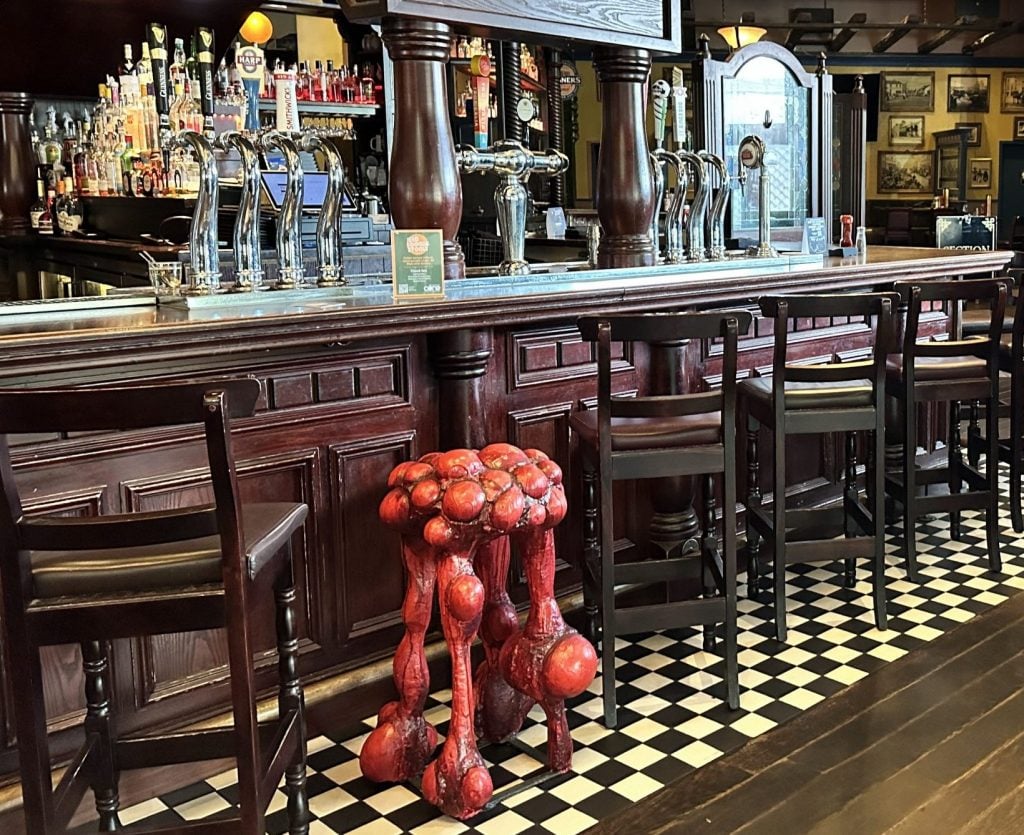
- Georgia CORE, a cancer research and advocacy group, has launched an eye-catching new campaign called “Weird Looking Stools,” a “bold, artist-driven initiative” displaying colorful, poop-resembling bar stools to “spark essential conversations” about colon cancer.
- Lynn Durham, President & CEO of Georgia Core tells SurvivorNet that these stools, designed by artist Julian Scalia, are “more than a conversation starter — it’s a reminder to check for symptoms.”
- One of the most common signs of colon cancer is a change in bowel habits. This ranges from constipation or diarrhea to changes in the size or shape of bowel movements. It is important for people of all ages to pay attention to changes in their body or bowel habits. Any strange symptoms that don’t go away are worth seeing your doctor about.
Alarmingly, colon cancer cases have been on the rise in the under-50 demographic, so the goal is to make people more comfortable talking about these topics with their community, and most importantly, with their doctors.
Read More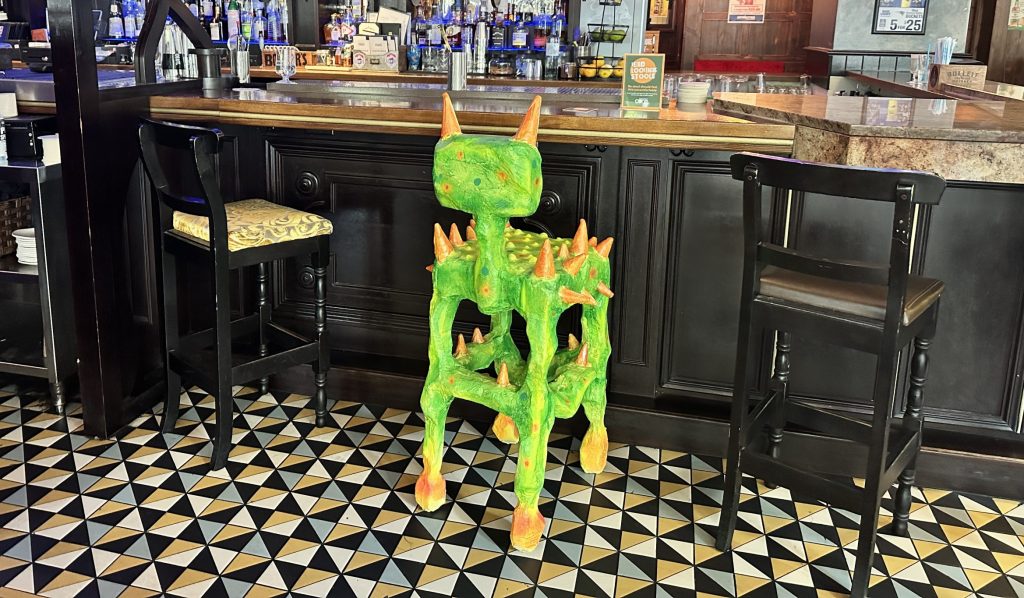
RELATED: Does Alcohol Impact the Risks for Colon and Other Cancers?
Featuring QR codes linked to screening info (including a screening quiz and instructions on how to find a medical provider in and out of state), each colorful and “impossible to ignore” stool “visually represents key symptoms associated with colon cancer,” says Georgia CORE.

According to the American Cancer Society, stools that appear “pellet-like,” long and narrow, tarry, filled with mucus, and of course, blood in the stool, can all be warning signs to immediately report to a medical professional, especially if the strange symptoms don’t go away.
What Exactly Is Colon Cancer?
Colon cancer is a type of cancer that affects your large intestine (colon) or the end of your intestine (rectum). Your doctor might call this type of cancer colorectal cancer. The cancer starts when abnormal lumps called polyps grow in the colon or rectum.
When you have a colonoscopy for colon cancer screening, the gastroenterologist performing the procedure is looking at the inside of your colon to detect polyps.
RELATED: Looking for Polyps During a Colonoscopy
Polyps are small growths in the colon that are not yet cancerous, but have the potential to develop into cancer. A polyp that is found during a colonoscopy is removed, which can actually prevent the development of cancer. A pathologist determines if it is a benign polyp or if it is colon cancer. Almost all polyps that are removed are precancerous, meaning that they have not yet progressed to cancer.
The American Cancer Society recommends to start getting a colonoscopy at age 45, then repeating the preventative procedure and screening method every 10 years. However, more frequent colonoscopies are recommended if a polyp is found.
RELATED: What to Ask My Doctor About Colon Cancer Testing
While most major national organizations put no upper age limit on colonoscopy screening, government guidelines suggest people 76 and over talk to their doctor about whether further screening is needed.

Depending on the size and number of polyps, it is recommended that patients undergo a repeat colonoscopy within three to five years, and maybe more frequently depending on the individual risk of the patient.
Colon Cancer Cases Are Increasing For Younger People
Due to improved treatments and more effective screening, the rate of colon cancer has been decreasing in the United States. The one exception to this is for people under the age of 50. While colon cancer at a younger age is still rare, the rate is actually increasing.
Risk factors such as smoking and obesity are important in the development of colon cancer under age 50, and up to a third of people that develop cancer at a younger age have a genetic condition that puts them at high risk. Unfortunately, these factors don’t completely explain the increase in colon cancer occurrence in this age group, and experts such as Dr. Heather Yeo, a colorectal surgeon at Weill Cornell Medicine, think there may be environmental factors that are also contributing.
What does this mean for you? While these cancers are still so rare that screening for everyone is not effective, it is important for people of all ages to pay attention to changes in their body or bowel habits. Weight loss, blood in the stool, and changes in bowel movements that last for a prolonged time should prompt a doctor’s visit.
“You shouldn’t die from embarrassment,” is the message to SurvivorNet from Dr. Zuri Murrell, a colorectal surgeon at Cedars-Sinai, who believes it’s necessary to rattle people’s cages a bit to make them aware of the critical importance of screening, especially among some population groups who are at higher risk for the disease.
What Increases Your Risk for Colon Cancer?
While experts don’t know exactly what causes colon cancer, they do point to certain risk factors, such as diet, smoking tobacco, and drinking alcohol. Having a family history of colorectal cancer can also increase the risk.
They don’t mean that you’ll definitely get this cancer — only that you’re slightly more likely to be diagnosed.

You may be at greater risk for colon cancer if you:
- Are older. About 90% of cases are in people age 50 or older, according to the U.S. Centers for Disease Control & Prevention (CDC). Yet it is possible to get this cancer earlier in life.
- Have inflammatory bowel disease. Crohn’s disease or ulcerative colitis can, over time, cause cells in your intestines to turn cancerous.
- Have a family history of this cancer. Just under one-third of people who get colon cancer have family members with the disease.
- Have a gene mutation. About 5% of colorectal cancers are caused by an inherited genetic mutation that causes syndromes such as familial adenomatous polyposis (FAP) or hereditary nonpolyposis colorectal cancer (Lynch syndrome).
- Don’t exercise very often. Staying active can lower your risk.
- Eat a diet that’s high in meat. Regularly eating red meats like burgers and steaks, and processed meats such as hot dogs and bacon might put you at higher risk. Eating more fruits, vegetables, and whole grains instead might lower your risk.
- Are overweight or obese. Having too much weight increases your risk of both getting colon cancer, and of dying from it.
- Drink a lot of alcohol. Limiting alcohol to one drink a day for women and two drinks daily for men could help lower your risk.
- Use tobacco. Long-term smokers are more likely to get this cancer than are nonsmokers.
- Risk factors such as smoking and obesity are important in the development of colon cancer before age 50. Up to a third of people who develop cancer at a younger age have a genetic condition that puts them at high risk. Environmental factors may also contribute to younger people developing colon cancer.
Learning About Colon Cancer Symptoms
One of the most common signs of colon cancer is a change in bowel habits. This ranges from constipation or diarrhea to changes in the size or shape of bowel movements.
A change in stool color, particularly black or tarry stools, can indicate bleeding from a tumor that lies deep in the colon. Other symptoms can be harder to pinpoint, such as abdominal pain and unintentional weight loss.
Finally, some tumors bleed a small amount over a long period of time, resulting in anemia (low red blood cell count) that is picked up on blood work.
It is important for people of all ages to pay attention to changes in their body or bowel habits. Any of the above symptoms that don’t go away are worth seeing your doctor about.
Contributing by SurvivorNet staff.
Learn more about SurvivorNet's rigorous medical review process.


