
Glioma: Glioma – Northern California
SurvivorNet has collaborated with experts from around the Bay Area and in cancer centers in Northern California, to provide patients with helpful information and support after a glioma diagnosis. We hope these resources make it easier to connect with people local to you who can help.
Advances in Glioma Treatment
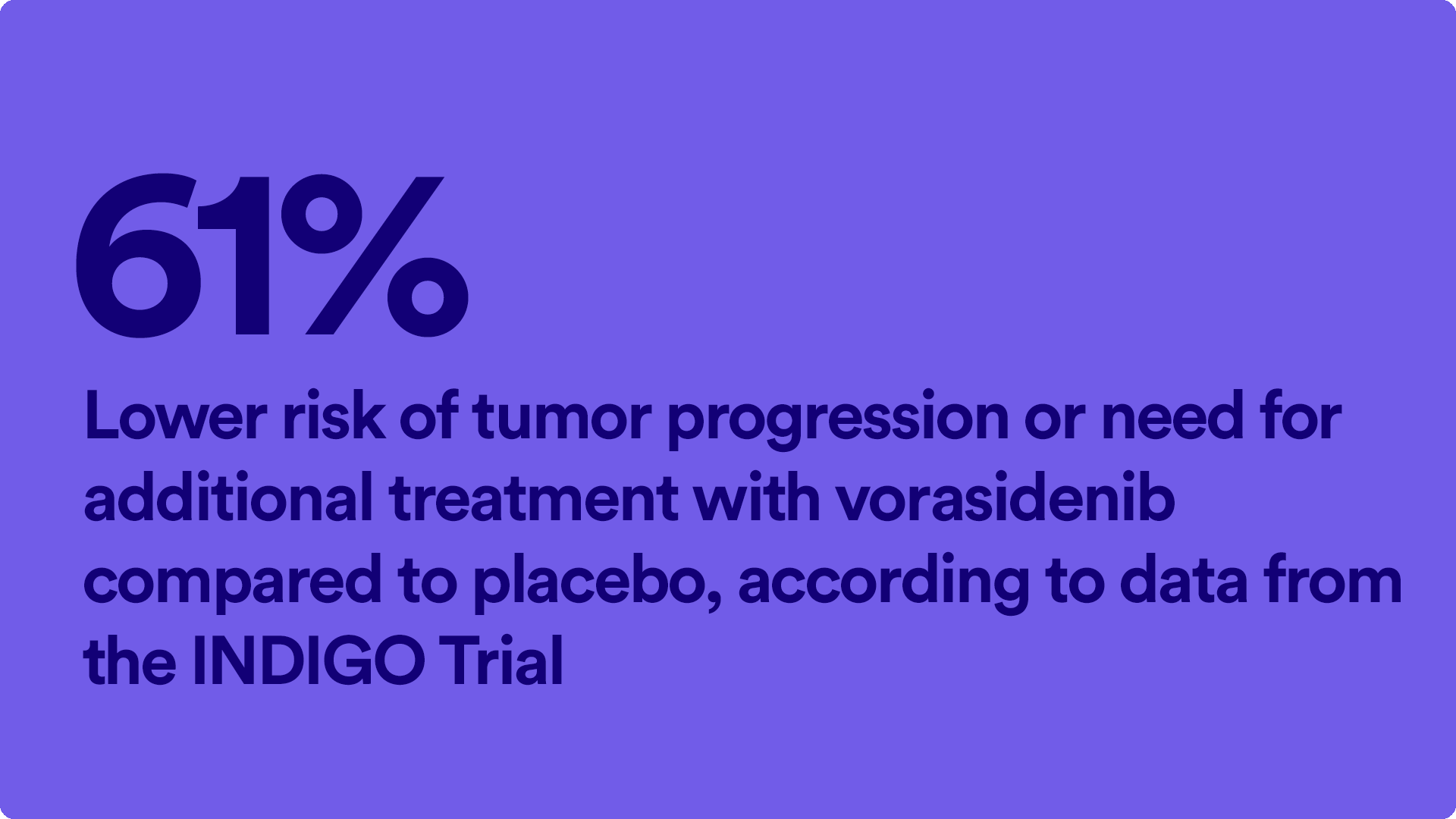
The FDA-approved drug Vorasidenib marks a major advance for patients with IDH-mutant gliomas—especially grade 2 tumors. Updated INDIGO trial data showed median progression-free survival of 44.1 months with vorasidenib — compared to just 11 months in the original placebo arm. When INDIGO was first published in 2023, med... Read More
Managing A Glioma Diagnosis
- Surgery is typically the first step to remove as much tumor as safely possible and confirm the diagnosis.
- Tissue from surgery reveals the tumor’s type, grade, and genetic markers, which guide all treatment decisions.
- After surgery, patients usually have a short hospital stay, close monitoring, and follow-up scans to plan next steps
Glioma Surgery: What to Expect
- Surgery is typically the first step to remove as much tumor as safely possible and confirm the diagnosis.
- Tissue from surgery reveals the tumor’s type, grade, and genetic markers, which guide all treatment decisions.
- After surgery, patients usually have a short hospital stay, close monitoring, and follow-up scans to plan next steps

- Glioma patients now have more options than ever, including targeted therapies that act on specific genetic changes with fewer side effects.
- For IDH-mutant tumors, vorasidenib is a first-of-its-kind pill that may delay — or even help avoid — radiation or chemotherapy.
- Because the brain is so sensitive, treatments that slow growth while preserving daily function can help patients maintain quality of life longer.
A New Chapter in IDH-Mutant Glioma Care: Targeted Therapies
- Glioma patients now have more options than ever, including targeted therapies that act on specific genetic changes with fewer side effects.
- For IDH-mutant tumors, vorasidenib is a first-of-its-kind pill that may delay — or even help avoid — radiation or chemotherapy.
- Because the brain is so sensitive, treatments that slow growth while preserving daily function can help patients maintain quality of life longer.
- Patients should ask how treatment may affect fertility, including surgery, radiation, and medications and talk to their doctors about future family planning so your care team can tailor treatment with your goals in mind.
- Healthcare providers often discuss options for preserving fertility — like egg or sperm freezing — before treatment begins.
Planning for the Future: What Patients of Reproductive Age Should Understand
- Patients should ask how treatment may affect fertility, including surgery, radiation, and medications and talk to their doctors about future family planning so your care team can tailor treatment with your goals in mind.
- Healthcare providers often discuss options for preserving fertility — like egg or sperm freezing — before treatment begins.
Becoming An Informed Patient: In-Depth Information For Managing IDH Mutant Glioma
- Glioma survivors today are living longer, fuller lives thanks to new treatments that help people stay active, work, travel, and plan for the future in ways that weren’t possible even just a few years ago.
- Patients now have more reason for hope than ever before as breakthroughs are giving people more options — and more years — to live well.
A Glioma Survivor's Story
- Glioma survivors today are living longer, fuller lives thanks to new treatments that help people stay active, work, travel, and plan for the future in ways that weren’t possible even just a few years ago.
- Patients now have more reason for hope than ever before as breakthroughs are giving people more options — and more years — to live well.

Northern California Glioma Cancer Centers
Stanford Medicine Brain Tumor Center
UC Davis Comprehensive Cancer Center – Brain & Spinal Cord Program
Dignity Health Neurological Institute of Northern California – Brain Tumor Program
Santa Rosa Memorial Hospital – Neurological Oncology
Patient Guides From Top Glioma Specialists in the Bay Area
Useful tools for patients navigating diagnosis, treatment options, and top-tier care in Northern California



Please confirm you are a US based health care provider:
Yes, I am a health care Provider No, I am not a health care providerSign Up Now.
Take Control of Your Disease Journey.
Sign up now for expert patient guides, personalized treatment options, and cutting-edge insights that can help you push for the best care plan.