
Bladder Cancer: Overview
This in-depth overview is designed to help you find your footing and provide key information you need to know about bladder cancer, with insights and advice from the top urologists and medical oncologists across the country. SurvivorNet has developed this user-friendly overview to provide you with access to the country's best doctors at the leading institutions.
Explore popular bladder cancer articles and topics
Bladder Cancer Overview
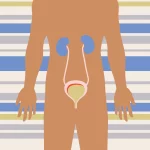
Bladder cancer is the sixth most common type of cancer overall in the United States. Your bladder is a hollow, muscular, balloon-shaped organ that expands as it fills with urine. The bladder is an essential part of your urinary system, which also includes two kidneys, two ureters, and the urethra.
Bladder cancer develops when cells that make up the urinary bladder start to grow and eventually develop into tumors. Smoking is a leading risk factor for this disease, with smokers three times more likely to be diagnosed with bladder cancer than non-smokers.
Bladder cancer occurs mainly in older people. About 9 out of 10 people with this cancer are over the age of 55. The average age of people when they are diagnosed is 73.
Fortunately, many diagnoses are caught at an early stage, when the cancer is highly treatable. Plus, even for those with more aggressive disease, promising new treatment options, like the immunotherapy combination Keytruda and Padcev, are now available.
Types of Bladder Cancer
- Urothelial carcinoma: This is the most common type of bladder cancer. It occurs when urothelial cells, cells that line the inside of the bladder or other parts of the urinary tract, become cancerous.
- Adenocarcinoma: 1 in 100 bladder cancers are adenocarcinomas, which have a higher likelihood of being invasive at diagnosis. This type of bladder cancer develops from glandular (secretory) cells in the lining of the bladder.
- Sarcoma: This type of bladder cancer is rare and found in the muscle cells of the bladder. Bladder sarcomas tend to form in the area between the openings of the ureters and the urethra, but they can also develop in the entire bladder area.
- Squamous cell carcinoma: About 5 percent of bladder cancer patients have squamous cell carcinoma. The cells in this type have a higher chance of becoming invasive. It is associated with chronic irritation of the bladder which can be caused by things like long-term use of a urinary catheter or an infection.
- Small cell carcinoma: This bladder cancer is very rare and starts in neuroendocrine (nerve-like) cells. It is a highly aggressive cancer that tends to be caught at advanced stages of the disease.
Bladder cancers are also often categorized as muscle-invasive bladder cancer (MIBC) or non-muscle invasive bladder cancer (NMIBC), based on whether they have invaded the main muscle layer of the bladder wall.
Dr. Arjun Balar, a medical oncologist at NYU Perlmutter Cancer Center, explains the risk factors for bladder cancer.
Bladder Cancer Treament Updates
Learn about the incredible advances in bladder cancer treatment, like the approval of immunotherapy combination, Padcev (enfortumab vedotin) and Keytruda (pembrolizumab).
-
 A Breakthrough For Muscle-Invasive Bladder Cancer: Padcev Plus Keytruda Drug Combo Could Transform Treatment Around Surgery
-
 Immunotherapy For Muscle-Invasive Bladder Cancer: What To Know About Keytruda
-
 Inlexzo: A New Option For Bladder Cancer Patients When BCG Immunotherapy Stops Working
-
 After Bladder Removal: Understanding Urinary Reconstruction Options & Which May Be Right For You
-
 New Approval Means More Bladder Cancer Patients Can Access Powerful Immunotherapy Combination: What To Know About Keytruda + Padcev
-
 New Immunotherapy-Chemo Combo Approved for Metastatic Bladder Cancer Patients Ineligible for Cisplatin-Based Treatment
-
 What You Need to Know About Cisplatin Chemotherapy Treatment for Advanced-Stage Bladder Cancer
Get Started: Diagnosis & Staging
What Are The Symptoms of Bladder Cancer?
Symptoms of bladder cancer may include:
- Blood in urine
- Frequent urination
- Painful urination
- Flank pain
- Urgency (sudden/intense need to urinate)
Dr. Jay Shah, a staff surgeon, urologic oncologist and associate professor of urology at Stanford University, discusses the symptoms of bladder cancer.
Getting a Diagnosis
The workup for bladder cancer might involve a series of tests, such as:
- Cystoscopy is a procedure that allows doctors to see inside the bladder and urethra using a flexible scope inserted through the urethra. This procedure might indicate suspicious areas to your doctor, potentially requiring more tests.
- Imaging tests are done to see if the cancer has spread to tissues, organs, and lymph nodes near the bladder, or to distant parts of your body.
- Blood tests check to see how well the organs are working and for any signs of disease. A sample of blood is required for this test.
As tobacco users are more likely than non-tobacco users to develop bladder cancer, it is also important to screen for cigarette smoking and other forms of tobacco use.
These tests are important to help narrow down what stage and certain characteristics of the cancer you may have. Knowing as much information as possible will help you and your doctor figure out the right treatment.
Diagnosis: The Workup For Bladder Cancer
Bladder cancer is the second most common type of genitourinary cancer after prostate cancer. About one in four new cases of bladder cancer are considered muscle-invasive. This means the tumor has spread to the bladder's muscular wall or beyond it. Though muscle-invasive bladder cancer is considered a more advanced stag... Read More
How is Bladder Cancer Staged?
It’s important for you and your doctor to understand as much as possible about your cancer, so that you can make the right decisions about your care. Bladder cancer is staged into four main groups based upon the tumor size and location.
The staging system doctors typically use for bladder cancer is called tumor, node, metastasis (TNM). Each letter describes a different area of cancer growth. Through imaging and biopsy results, your doctor assigns a number to each letter, representing how much the cancer has spread. The higher the number, the larger the tumor or the more the cancer has spread.
Here are the four factors TNM is based on:
- How far the tumor has grown through the bladder wall
- Whether it has spread to any lymph nodes
- Whether it has spread (metastasized) to other parts of your body
- How fast the cancer is expected to grow
The four stages of bladder cancer can be broken down further with a letter based on the disease’s extent.
- Stage 0a: Stage 0a is the earliest stage of bladder cancer where at least one papillary tumor has formed on the inside lining of the bladder.
- Stage 0is: Stage 0is is where there are flat areas of fast-growing abnormal cells called carinoma in situ (CIS) on the inside lining of the bladder.
- Stage 1: Stage 1 indicates that the tumor is invasive but has not reached the muscle layer of the wall.
- Stage 2: Stage 2 means the tumor has invaded the muscle layer of the bladder wall. The cancer has not spread to lymph nodes or organs far from the bladder.
- Stage 3A: Stage 3A, the cancer has spread beyond the bladder wall to surrounding tissues or organs. The tumor has not spread to lymph nodes or organs far from the bladder.
- Stage 3B: In stage 3B the cancer has spread to multiple lymph nodes in the pelvis or in the upper pelvic region. The cancer has not spread to lymph nodes or organs far from the bladder.
- Stage 4A: Stage 4A indicates the tumor has spread through the bladder wall to the pelvis, abdomen, or nearby lymph nodes.
- Stage 4B: Stage 4B indicates that the cancer has spread to lymph nodes and organs far from the bladder, like the bones, liver or lungs. This is distant metastatic bladder cancer.
Get Started: Treatment Options
Bladder Cancer Treatment Options
Surgery for bladder cancer often offers the best chance for a cure. There are various surgical options depending on the location of your bladder cancer. You and your doctor will consult on which path is best for your specific bladder cancer case.
Transurethral resection of visible bladder tumor (TURBT) is a procedure in which a surgeon inserts a camera into the bladder and removes the visible cancer.
A radical cystectomy is the surgical removal of the bladder as well as nearby lymph nodes in the pelvis.
Understanding a radical cystectomy
A partial cystectomy preserves part of the bladder.
Patients may require a urinary diversion procedure following surgery for bladder cancer. During this procedure the surgeon uses one of three options to re-route urine out of the body.
Depending on the type of bladder cancer you have and how extensive the disease is, your medical team may recommend additional treatments.
- Chemotherapy alone or chemotherapy with radiation is recommended for different reasons in muscle-invasive bladder cancer. We review some of the most common scenarios here.
- Checkpoint inhibitors are a type of immunotherapy drug that doctors use to treat bladder cancer. Often doctors prescribe them to people who can’t take the chemotherapy drug cisplatin. Checkpoints like PD-1 and PD-L1 are proteins on the surface of some cells, including cancer cells. They prevent the immune system from attacking those cells. Immunotherapy drugs turn off the checkpoints.
- Targeted therapy is a more precise way to treat cancer than chemotherapy. Chemo attacks many types of quickly dividing cells, including some healthy cells. Targeted therapy focuses on the processes that help cancer cells grow. The FDA has recently approved two targeted therapies for bladder cancer: the FGFR inhibitor erdafitinib and the nectin-4 antibody-drug conjugate enfortumab vedotin.
- The immunotherapy combination, pembrolizumab (brand name: Keytruda) combined with enfortumab vedotin‑ejfv (brand name: Padcev), was recently approved for people with muscle‑invasive bladder cancer (MIBC). Experts in the field tell SurvivorNet the combination could replace the current standard as a powerful addition around surgery. Previously, the combination was mainly used for patients who could not receive cisplatin, but the new approval means any patient preparing for bladder removal surgery may be eligible.
Get Started: Prevention & Risk Factors
What Increases Your Risk for Bladder Cancer?
There are several risk factors linked to the development of bladder cancer.
These include:
- Tobacco exposure: Smoking is the greatest risk factor for bladder cancer.
- Sex: Males are diagnosed with bladder cancer more often than females.
- Chemical exposure: Some chemicals used in dyes, rubber, leather, printing material, textiles, and paint products have been linked to risk of bladder cancer.
- Age: The risk of bladder cancer increases as you age.
- Genetics: Certain genetic alterations can predispose you to a higher bladder cancer risk. Lynch syndrome, for example, is a set of genetic alterations that can be passed among generations in a family and is associated with higher bladder cancer risk. If you have a first degree relative with bladder cancer you may have a higher bladder cancer risk yourself.
Bladder Cancer Treament Updates
Learn about the incredible advances in bladder cancer treatment, like the approval of immunotherapy combination, Padcev (enfortumab vedotin) and Keytruda (pembrolizumab).
- A Breakthrough For Muscle-Invasive Bladder Cancer: Padcev Plus Keytruda Drug Combo Could Transform Treatment Around Surgery
- Immunotherapy For Muscle-Invasive Bladder Cancer: What To Know About Keytruda
- Inlexzo: A New Option For Bladder Cancer Patients When BCG Immunotherapy Stops Working
- After Bladder Removal: Understanding Urinary Reconstruction Options & Which May Be Right For You
- New Approval Means More Bladder Cancer Patients Can Access Powerful Immunotherapy Combination: What To Know About Keytruda + Padcev
- New Immunotherapy-Chemo Combo Approved for Metastatic Bladder Cancer Patients Ineligible for Cisplatin-Based Treatment
- What You Need to Know About Cisplatin Chemotherapy Treatment for Advanced-Stage Bladder Cancer

Please confirm you are a US based health care provider:
Yes, I am a health care Provider No, I am not a health care providerSign Up Now.
Take Control of Your Disease Journey.
Sign up now for expert patient guides, personalized treatment options, and cutting-edge insights that can help you push for the best care plan.