
Non-Hodgkin Lymphoma: Orange County Advanced Large B-Cell
SurvivorNet has collaborated with top oncologists, specialists, and survivors in Orange County to provide local patients with helpful information and support during treatment for diffuse large B-cell lymphoma, the most common type of Non-Hodgkin Lymphoma, particularly for patients facing advanced, recurrent, or treatment-resistant disease. We hope these resources make it easier for you to connect with providers in the Orange County area who can help.
Non-Hodgkin Lymphoma: Facing A Recurrence
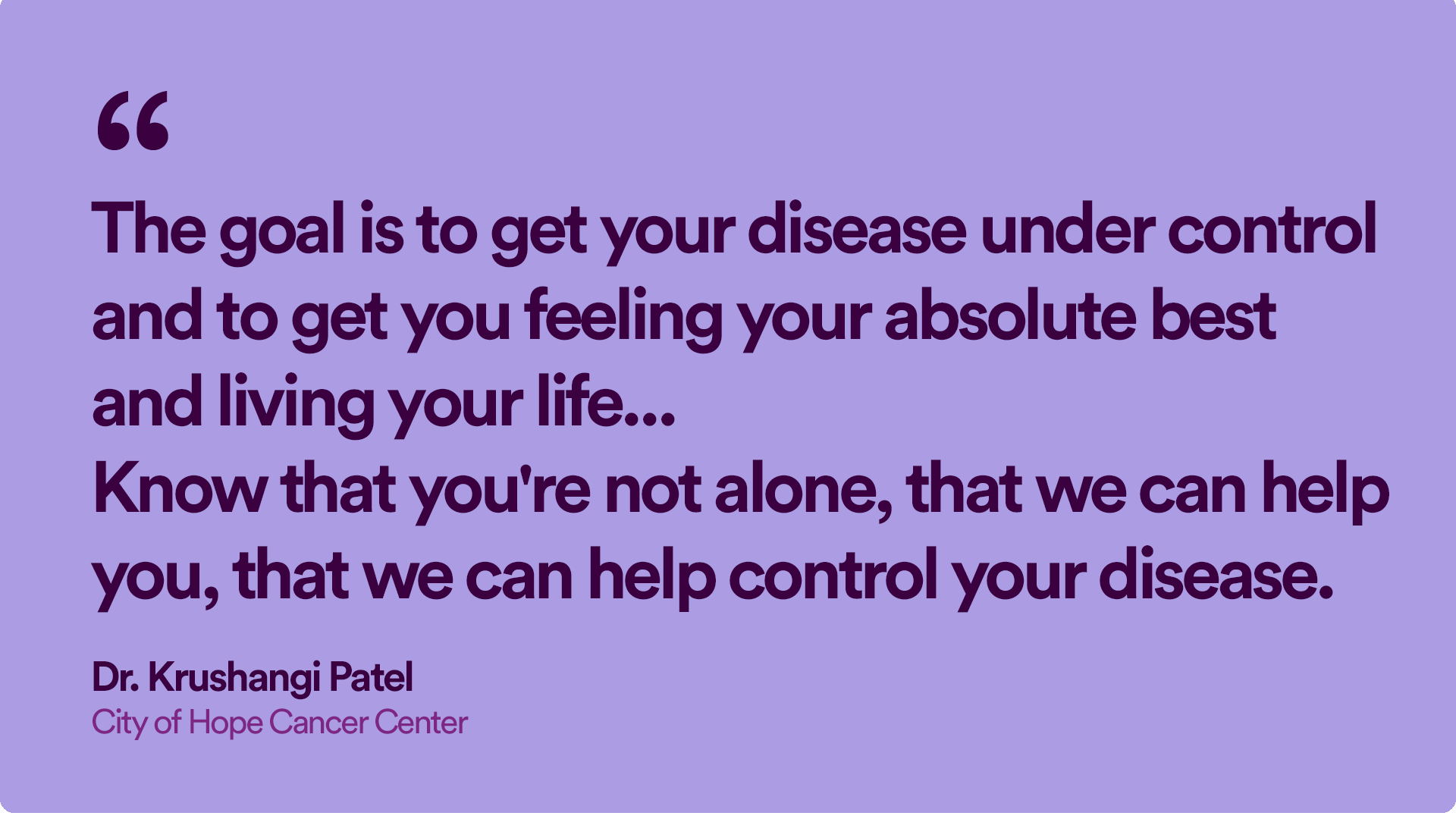
Treating Diffuse Large B-Cell Lymphoma in Orange County
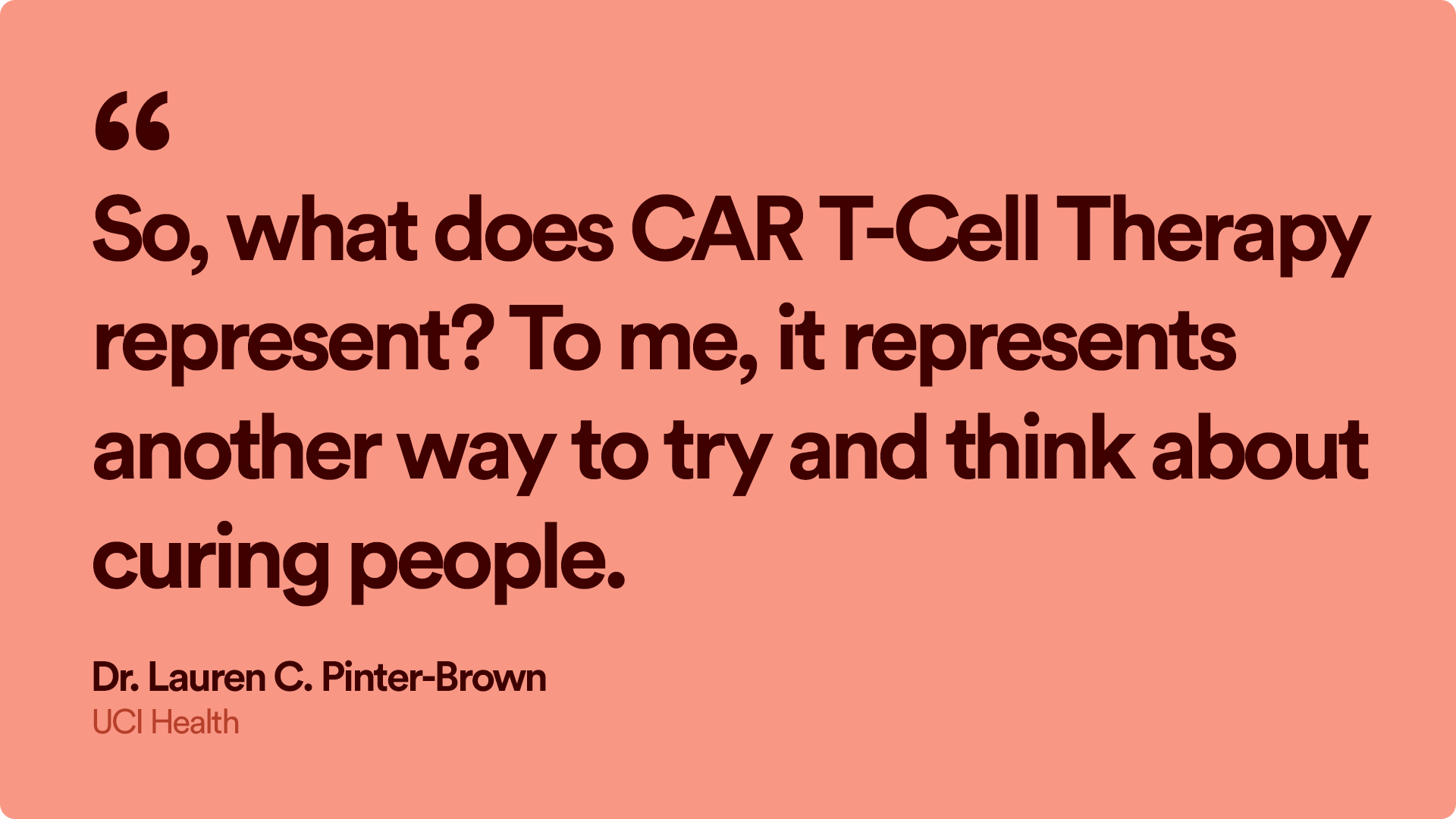
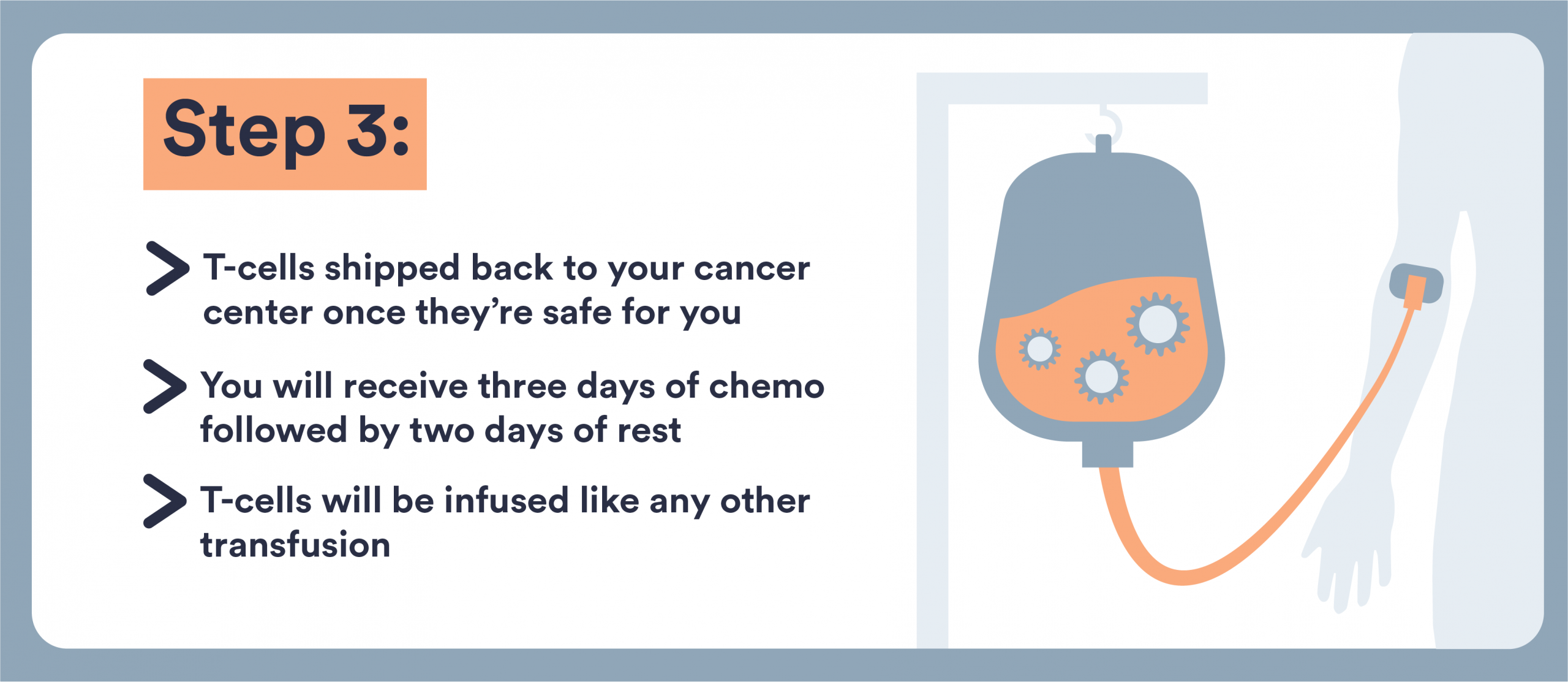
- New results now suggest that, after initial chemotherapy, CAR T-Cell Therapies may be more effective than standard treatment.
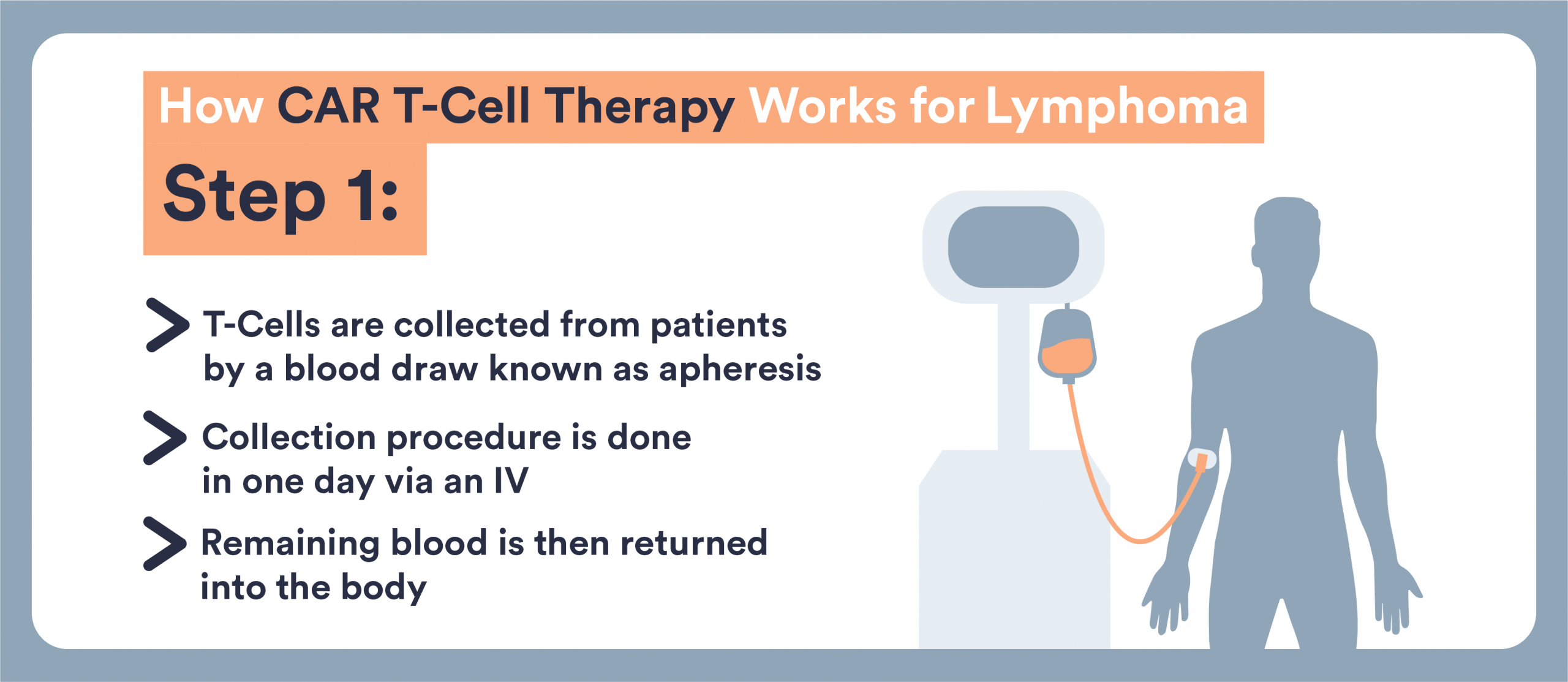
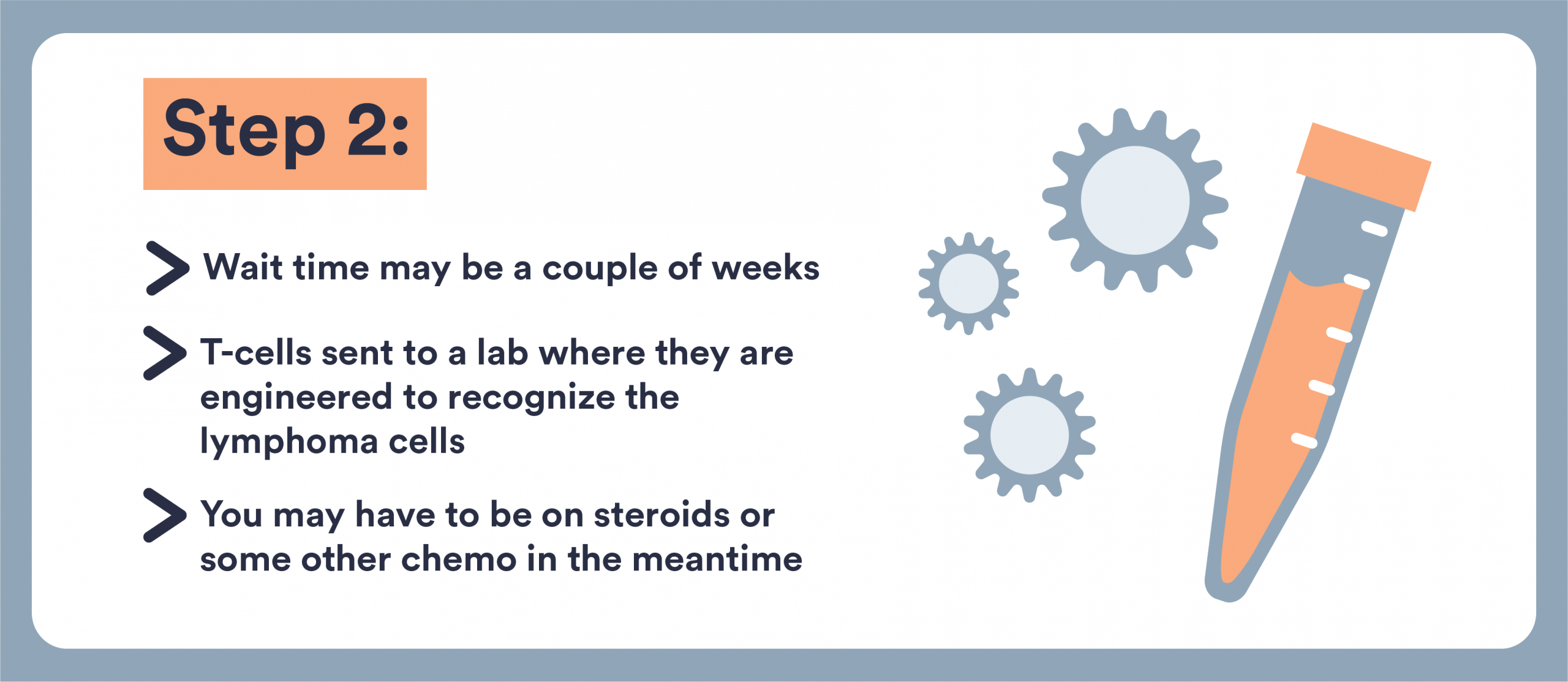
- The therapy works by turning your T lymphocytes (T-cells) into more efficient cancer-fighting machines.
- This therapy is approved for several types of relapsed or refractory non-Hodgkin lymphoma, including diffuse large B-cell lymphoma.
What To Know About CAR T-Cell Therapy
- New results now suggest that, after initial chemotherapy, CAR T-Cell Therapies may be more effective than standard treatment.
- The therapy works by turning your T lymphocytes (T-cells) into more efficient cancer-fighting machines.
- This therapy is approved for several types of relapsed or refractory non-Hodgkin lymphoma, including diffuse large B-cell lymphoma.
- Clinicians say that maintaining physical strength through balanced nutrition, rest, and gentle activity helps patients better tolerate treatment, recover faster, and experience fewer complications.
- Addressing both body and mind leads to stronger recovery, better communication with care teams, and improved quality of life — helping patients sustain health beyond remission.
Supporting Strength: Emotional Care in Non-Hodgkin Lymphoma Recovery
- Clinicians say that maintaining physical strength through balanced nutrition, rest, and gentle activity helps patients better tolerate treatment, recover faster, and experience fewer complications.
- Addressing both body and mind leads to stronger recovery, better communication with care teams, and improved quality of life — helping patients sustain health beyond remission.

Orange County Lymphoma Cancer Centers
UCI Health Chao Family Comprehensive Cancer Center
Orange County Radiation Oncology Center



Please confirm you are a US based health care provider:
Yes, I am a health care Provider No, I am not a health care providerSign Up Now.
Take Control of Your Disease Journey.
Sign up now for expert patient guides, personalized treatment options, and cutting-edge insights that can help you push for the best care plan.