Living With Cancer
- Matt Eamer, a brand and design expert from Surrey, England, thought his stomach pain in 2020 was potential food poisoning from his son’s birthday BBQ, but lingering symptoms lead him to discover a colorectal cancer diagnosis following emergency surgery in his large intestine.
- Colorectal cancer, widely referred to as bowel cancer in the United Kingdom, can mean colon or rectal cancer. Colon cancer is a type of colorectal cancer that originates in the upper part of the large intestine, while rectal cancer begins in the rectum, which is the last several inches of the large intestine, according to Mayo Clinic.
- Fortunately, five years later, the father of two is now in remission and aims to shed light on the disease, raise prevention awareness, and show that many cancer survivors can still work, care for their families, and enjoy life fully.
- Colorectal cancer symptoms and warning signs include: A change in bowel movements, bloody stool, diarrhea, constipation, or feeling the bowel does not empty completely, unexplained weight loss, and/or constant abdominal pain or cramps. Be sure to ask your doctor about colorectal cancer screening, and don’t delay seeing a doctor if you experience and lingering symptoms.
Colorectal cancer, widely referred to as bowel cancer in the United Kingdom where the father of two is from, can mean colon or rectal cancer.
Read More
View this post on Instagram
After Matt underwent emergency surgery, with a third of his large intestine removed, he learned of his disease just a few days later. Not knowing what the diagnosis would bring, Matt went through six months of chemotherapy, followed by surgery to remove part of his liver as the disease had continued to spread.
RELATED: Everything You Need to Know About Colorectal Cancer Screenings
During that surgery, his medical team discovered that the cancer was now in the lining of his abdominal wall. As they announced his new treatment plan, Matt said his wife Sarah “collapsed on the floor.”
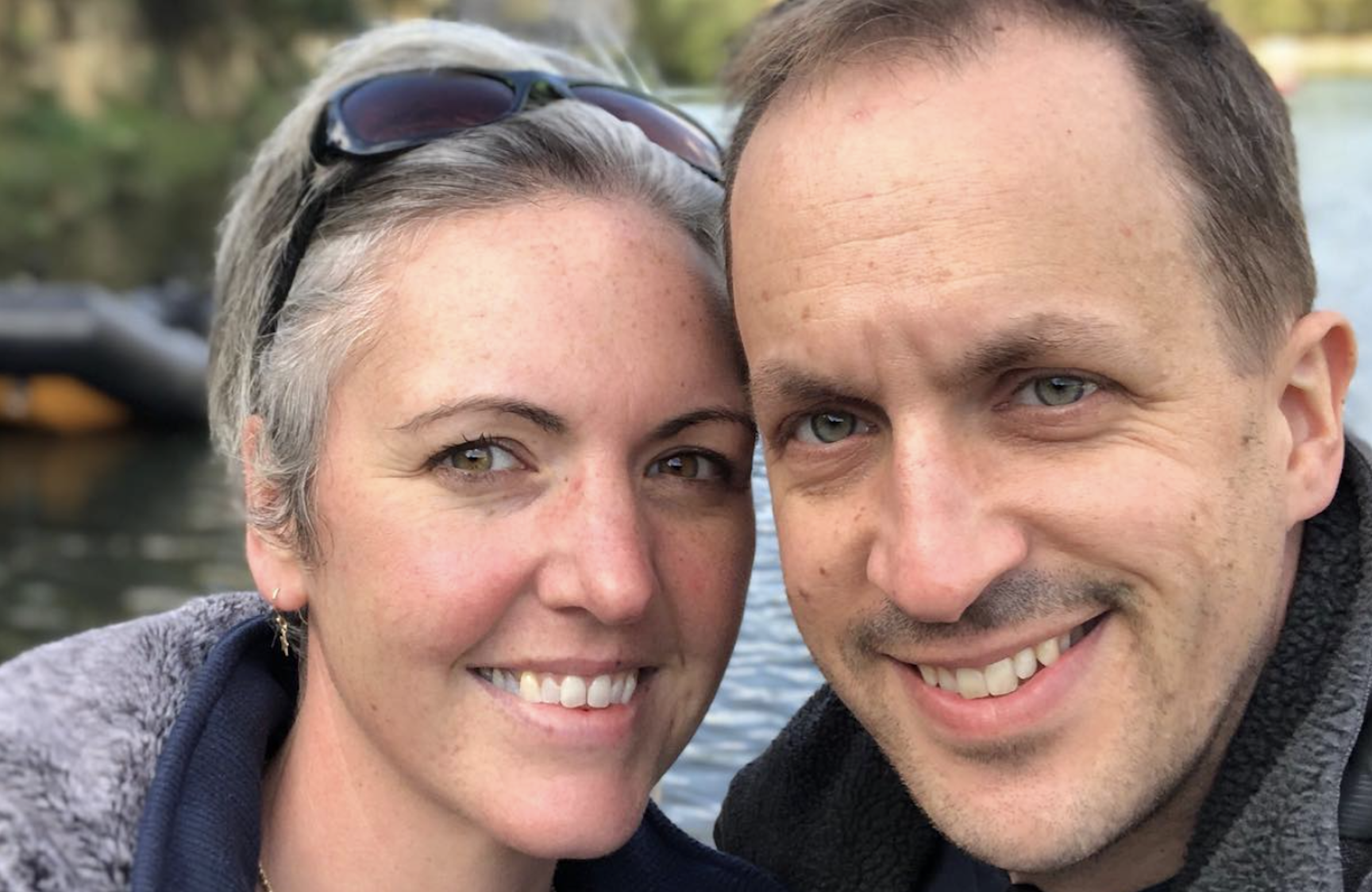
The next phase involved immunotherapy drugs, and with these drugs brought a significant and “unusual” response. This treatment makes your own immune system a more efficient cancer fighter. Six months later, Matt was not showing “any cancer.”
Now nearly five years since his initial diagnosis, the husband and father is still in remission, and appreciating each and every day to the fullest. Matt, who runs a design agency in Surrey, England, is proud to say he is still able to work and take care of his family. “I continue to run my own business”
RELATED: What You Need to Know About Survivorship
Most importantly, the brand and marketing expert said he spends “more time looking at my kids faces taking them to a show or swimming in the sea.”
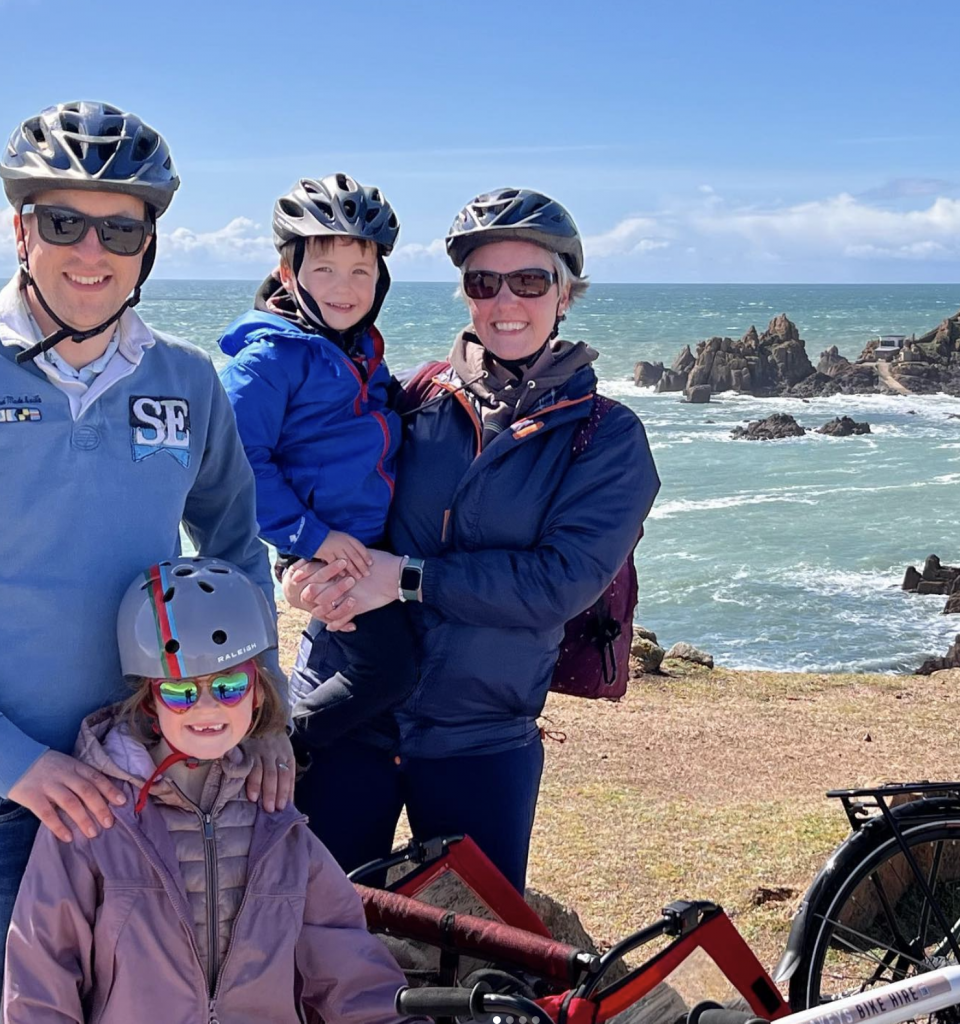
“It means your ability to be present and focus upon what matters is heightened,” he shared of his new mindset.
Changing the Perspective of Stage 4 Cancer
Sharing more on how he is doing these days, Matt recently checked in with family and friends on his GoFundMe for an upcoming “Tour de 4” fundraiser he is doing on September 7 to benefit Bowel Cancer UK.
“Milestones…we hear about them all the time. But for me, as someone diagnosed with Stage 4 bowel cancer five years ago, milestones can feel particularly significant,” he began, noting that this September “marks five years” since he was rushed to the hospital with stomach pain.
“Every September is a reminder of the precariousness of life, and I’ve learned to look for ways to celebrate these milestones positively, whether in small, personal ways or, this year, in a much noisier one.”
“I want to change the perspective people have of those with a Stage 4 diagnosis,” Matt continued. “I want to show that people with cancer are people too. They can challenge their diagnoses, continue to live meaningful lives, and contribute to society.”

“My diagnosis suggested that reaching five years would be incredibly difficult, but here I am, and I’m not alone. I know others who are living 10+ years with a Stage 4 diagnosis, proving that things are changing. People are living longer, more meaningful lives with cancer.”
Addressing Emotional Aspects of Survivorship
Survival from a major health event like cancer can leave survivors with a myriad of emotions. These emotions can range from relief and joy to anxiety and fear. It’s perfectly normal to experience several emotional responses post-recovery.
Common Emotional Responses
Some of the common emotional responses include:
Relief: After a tough journey, the elation of being a survivor is palpable and often followed by a sense of ease and a sigh of relief.
Worry and Fear: Fear of disease recurrence is a common phenomenon after recovery. Dealing with this fear may be an ongoing process and it’s perfectly normal to have these feelings.
Anxiety and Stress: Post-treatment, some survivors may experience sporadic waves of anxiety and distress about their health and life in general.
Guilt: Some individuals experience survivor’s guilt, especially when they’ve witnessed others not having the same positive outcomes.
Depression: Despite being a survivor, some people experience feelings of sadness and episodes of depression.
It’s important to remember that these emotions are a part of the survivorship journey and it’s okay to not always feel strong. You’ve been through a massive battle, after all. Recognizing and giving a place to these emotions can help in the overall emotional healing process.
Understanding the Signs of Colorectal Cancer
Colorectal cancer starts when polyps grow in the colon or rectum. If you don’t have these polyps removed, they can sometimes change into cancer. It takes up to 10 years for a colon polyp to become full-blown cancer, according to SurvivorNet experts.
“We know that colon cancers can be prevented when polyps are found early, Dr. Heather Yeo, a colorectal cancer surgeon at Weill Cornell Medicine, previously told SurvivorNet.
Looking for Polyps During a Colonoscopy
The American Cancer Society and the American Gastrointestinal Association recommend that colorectal screening begin at age 45. However, you should discuss your screening timeline with your doctor.
Colorectal cancer symptoms and warning signs include:
- Change in bowel movements
- Bloody stool
- Diarrhea, constipation, or feeling the bowel does not empty completely
- Unexplained weight loss
- Constant abdominal pain or cramps
If you notice symptoms or changes in your body, it’s essential to discuss them with your doctor promptly.
Spike in Colorectal Cancer Cases in Younger People
The National Cancer Institute reports that since the 1990s, colorectal cancer cases have been rising among adults younger than 50. Research published in CA: A Cancer Journal for Clinicians found that the proportion of cases in people younger than 55 “increased from 11% in 1995 to 20% in 2019.”
“We know rates are increasing in young people, but it’s alarming to see how rapidly the whole patient population is shifting younger, despite shrinking numbers in the overall population,” cancer epidemiologist and lead study author Rebecca Siegel said.
Researchers are still trying to determine why younger people are being diagnosed in more significant numbers. Some experts point to risk factors, which include obesity, physical inactivity, and smoking, as a possible explanation for the increase.
“We don’t know for sure why we are seeing earlier onset,” Dr. Yeo told SurvivorNet. “It is likely a combination of factors, including diet and genetics as well as access to care and some environmental factors.”

Most colon cancers can be prevented if people are regularly screened. The screening usually involves a colonoscopy, in which a long, thin tube attached to a camera examines the colon and rectum. If no polyps are discovered, the following screening won’t be needed for ten years.
“We know that colon cancers can be prevented when polyps are found early,” Dr. Yeo said. “Lowering the screening age helps somewhat with this, but access to care is a real problem,” Yeo added.
Colorectal Cancer Prevention: Limit Ultra-Processed Foods
Colorectal cancer is the third most diagnosed cancer in the U.S. in men. Studies have found a clear link between “ultraprocessed foods” and colorectal cancer.
Ultra-processed foods include pre-packaged products like soups, sauces, frozen pizzas, microwave meals, and foods like hot dogs, ham, salami, bacon, french fries, sodas, sausages, store-bought cookies, cakes, candy, ice cream, and many more.
RELATED: Understanding the Function of the Colon and the Rectum
Regular consumption of unhealthy foods also leads to obesity and cardiovascular disease and can impact one’s overall mortality rate. Instead of cakes and cookies and hot dogs, opt for healthier choices at the grocery store and while ordering takeout.
Steer towards leafy greens, “good” fats like salmon and almonds, antioxidant-rich fruits like blueberries, “superfoods” like green tea, and more. Many people, including world-famous doctors, believe that food is medicine.
Cutting ‘Pro-Inflammatory’ Foods From Your Diet Can Reduce Cancer Risk
Marisa Gholson, a Physicians Assistant at Compass Oncology spoke to SurvivorNet in an earlier interview about cancer and diet.
“We get questions all the time about whether they should cut out dairy or sugar or soy. And basically what I tell patients is that you should eat a well-balanced diet,” Gholson said. “There’s not great evidence that cutting out sugar or dairy or soy is going to slow down or reverse the growth of your cancer. So I think just making sure that you’re getting the nutrition that you need.”
Due to some cancer treatments, like chemo, some people may lose their appetite during their cancer journey.
“One of the side effects of chemo can be a loss of appetite,” Gholson explained. “You can also taste changes. So when those side effects occur, I tell patients just to try and eat whatever tastes good and to supplement with nutritional shakes like Ensure or Boost, just to make sure that they’re getting the nutrition that they need to make it through treatment.”
“Everything in moderation,” she added.
Questions to Ask Your Doctor
If you are facing a colorectal cancer diagnosis, here are some questions you may ask your doctor.
- What are my treatment options based on my diagnosis?
- If I’m worried about managing the costs of cancer care, who can help me?
- What support services are available to me? To my family?
- Could this treatment affect my sex life? If so, how and for how long?
- What are the risks and possible side effects of treatment?
Learn more about SurvivorNet's rigorous medical review process.