

Sponsored by Amgen
Read MoreA Disease That Looks Differently with Age
B-ALL, the most common type of acute lymphoblastic leukemia (ALL), can occur at any age, but the impact of the disease can vary widely across life stages.³
Those differences are especially apparent in survival outcomes. Treatment advances have improved the outlook for patients across age groups, but the greatest progress has been seen in children, most of whom can now be cured. Five-year survival rates in children now exceed 90%,4 while adults aged 50 years and above continue to face survival rates below 25%.5 Several factors may contribute to this gap. Older adults are managing additional health conditions that can make intensive chemotherapy harder to tolerate, and are more likely to have more aggressive disease characteristics that may contribute to poor outcomes relative to younger age groups.6 Together, these factors can influence treatment decisions and participation in clinical trials.7
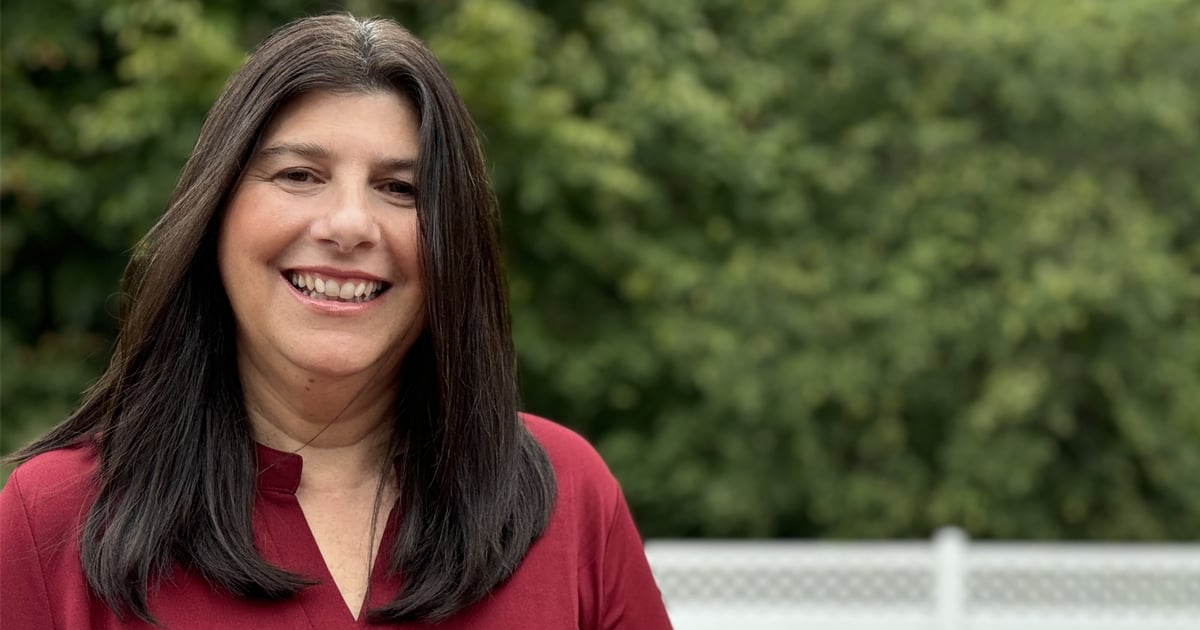
For Mary Ann, then 49 years old, the weight of her B-ALL diagnosis came not only from the disease itself, but from how quickly it interrupted a life built around independence, family and work—from the meals she lost a taste for to the sense of normalcy that quickly slipped away.
“When you hear the words ‘you have cancer’ it changes you forever,” she says.
A Marathon, Not a Sprint
Mary Ann’s treatment journey started when her doctors recommended a clinical trial evaluating an immunotherapy-based approach for B-ALL, which first involved chemotherapy.
While treatment was difficult, there was still room for meaningful moments between cycles, including a trip to watch her oldest daughter cross the stage at her college graduation. As treatment continued, Mary Ann felt the cumulative effects of chemotherapy and found it harder to keep up with the everyday activities that had once felt routine.
Later in the trial, Mary Ann began receiving an immunotherapy, which is intended to work by engaging a patient’s own immune system to recognize and attack cancer cells.8 Over time, she was able to reconnect with parts of daily life that had started to feel out of reach, an experience that shaped the advice she now shares with others facing B-ALL.
“Treatment is a marathon, not a sprint. Your healthcare team is there for you as you navigate through the maze of physical and mental trials that are part of this cancer journey,” she says. “No request or question is too small. This is a chapter of life. Follow the treatment plan and stay informed to give yourself the best possible chance for completing the prescribed regimen and achieving a great outcome.”
Reasons to Hope
Progress against B-ALL continues, including work from researchers at Amgen, who are focused on developing treatment approaches that better address the needs of older adults living with the disease. That work aims to better understand the full potential of treatments across phases of treatment, for a broad age range of patients.
Today, Mary Ann is in remission. She makes regular trips to Florida to spend time with her daughters and her grandson. “He is the light of my life,” she says, reflecting on what has become a personal milestone, but also a reminder of what’s at stake for every patient.
Every person’s experience with B-ALL is different, shaped by the biology of their cancer, their overall health and the treatment options available to them. Mary Ann hopes that by sharing her story, she can offer support and encouragement to others in the B-ALL community.
“When I was diagnosed, I didn’t know what options were out there,” Mary Ann says. “I want every patient to know that people are working every day to find better solutions— and that gives me so much hope.”
To learn more about B-ALL, including information about the disease and treatment options, visit: amgen.com/stories/2026/05/b-cell-acute-lymphoblastic-leukemia.
References
- Jiwani N, Gupta K, Pau G, et al. IEEE Access. 2023;11;2952`-29592.
- Obeagu EI. IJIAR. 2022;10;01.
- Sakharwade P, Watmode A, Kurian B, et al. JRPI. 2021;33:39-44.
- Lopez E, Dongarwar D, Mims MP, Taveras Alam S. Blood. 2023;142(Suppl 1):5169.
- Yuan C, Zhu M, Shi Y, et al. Discov Oncol. 2026;16;1831.
- Elias Jabbour et al. Am Soc Clin Oncol Educ Book 45, e473298(2025).
- Sawalha Y, Advani AS. Int J Hematol Oncol. 2018 Apr 10;7(1):IJH02.
- Aureli A, Marziani B, Venditti A, et al. Cancers. 2023:15;13;3346.
Learn more about SurvivorNet's rigorous medical review process.


