
Coping With the Physical and Emotional Toll of Cancer
- “Antique Roadshow” star Theo Burrell, 38, explains the physical and emotional toll of treatment, including chemotherapy, has left the antiques expert feeling “flattened.” Chemo often causes extreme fatigue, but Burrell is also dealing with recurring headaches and a seizure-like episode that required hospital care stemming from her brain cancer diagnosis.
- Burrell was diagnosed with glioblastoma, an aggressive form of brain cancer, in 2022, and despite defying the odds for this difficult brain tumor, the weight of her diagnosis still looms large.
- Burrell has used the chemotherapy drug called temozolomide, which is often used to treat gliomas. The most common side effects associated with this treatment include nausea, constipation, fatigue, and a drop in blood counts.
- There are medications and interventions your doctor can offer to help mitigate these side effects, so it’s important to keep your medical team in the loop about any new symptoms you are feeling.
- Burrell’s openness about the mental health challenges of cancer resonates widely, spotlighting research showing high rates of psychiatric disorders among patients and reinforcing the urgent need for accessible mental health support.
- Research published in Epidemiology and Psychiatric Sciences found that “35 to 40 percent of cancer patients have a diagnosable psychiatric disorder,” and the number of people experiencing mental health challenges is “higher among cancer patients with advanced stages of cancer and in palliative care settings.”
Reflecting on a recent dinner with her mother, Burrell shared the raw realities of chemotherapy—a common cancer-fighting treatment that also brings brutal side effects.
Read More“I also had a seizure-like episode where my vision went funny, which ultimately resulted in me being checked over in the hospital.”
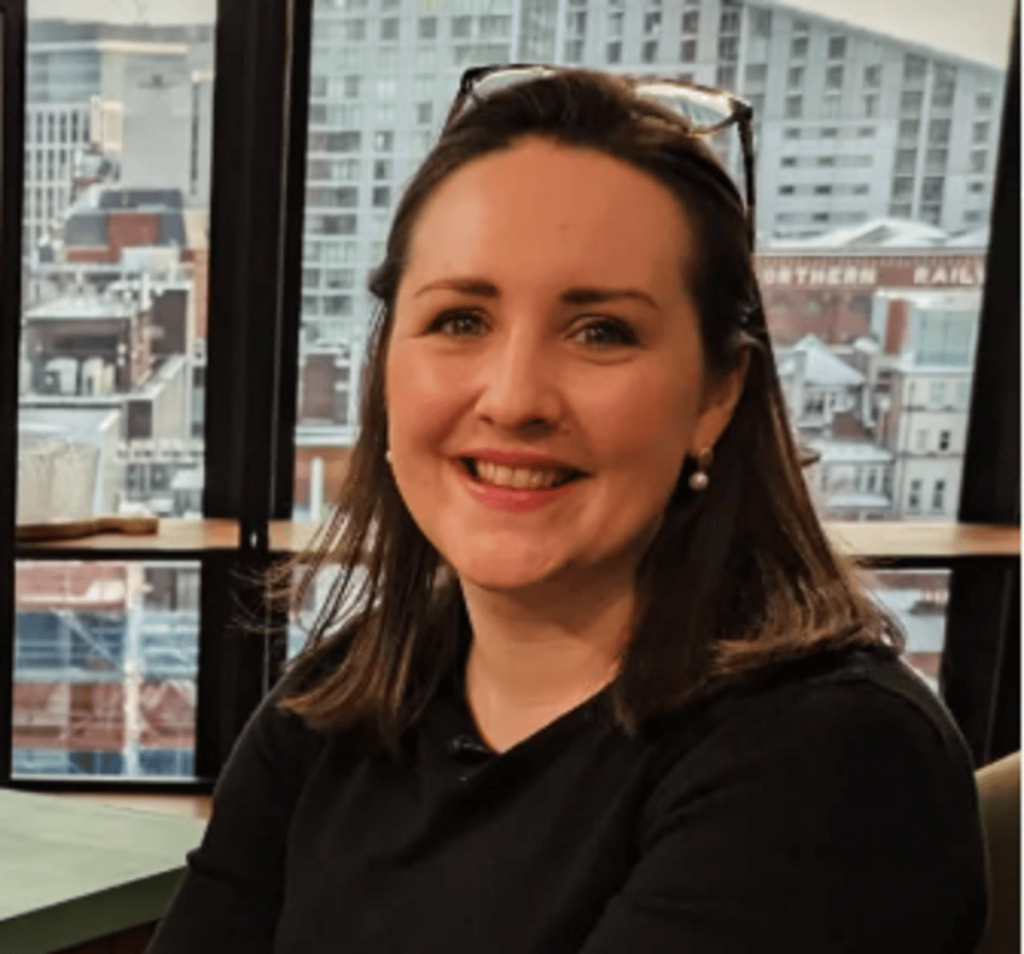
“Fatigue is almost universal among patients,” explains Dr. Renata Urban, a gynecologic oncologist at the University of Washington. “While we have effective medications to manage nausea, mitigating fatigue often depends on the patient.”
Dr. Urban notes that neuropathy—nerve damage that can cause pain, tingling, or weakness—is among the most challenging side effects. Though it often improves after treatment ends, symptoms can linger.
“Part of the chemotherapy prescription includes a set regimen of anti-nausea medications,” Dr. Urban adds.
WATCH: Understanding Types & Standard of Care for Gliomas
For Burrell, the physical battle is inseparable from the emotional one.
“With the physical battles come the mental struggles, and although I’m very relieved my last scan was looking good, the knowledge that having a brain tumor is forever is hard to accept at times,” she admitted, underscoring the relentless weight of an advanced cancer diagnosis.
Coping With Your Mental Health After a Diagnosis
Opening up about the emotional toll of cancer is as vital as discussing its physical effects—and yet, it’s often overlooked. Burrell has made that part of her journey visible, reminding the world that mental health is inseparable from cancer care.
According to Mental Health America, 56% of adults with a mental illness receive no treatment, leaving more than 27 million people without support. For cancer patients and their families, the need is even greater.
Research published in Epidemiology and Psychiatric Sciences shows that 35–40% of cancer patients live with a diagnosable psychiatric disorder, with rates climbing higher in advanced stages and palliative care.
Dr. Asher Aladjem, a board-certified psychiatrist at NYU Langone, explains that anxiety is a natural response—but one that can interfere with treatment.
WATCH: How Genetic Testing Can Help Determine the Right Form of Mental Health Treatment.
“Sometimes the anxiety gets to the point that things stand in the way of the scan or whatever the test is, and people avoid it and run away from it. Treating the anxiety allows for the completion of the workup or the treatment in a much more effective way,” he said.
Dr. Aladjem urges patients to advocate for their mental health, even if services aren’t automatically offered during cancer treatment.
“We are trying to advocate for patients to be able to get the services that they need—whether it’s medications, therapy, or nursing support.”
Licensed counselor Bailey Pyle of Burrell Behavioral Health adds that a cancer diagnosis often triggers grief, as patients mourn the loss of their former health and expectations for the future.
“It’s a grieving process over what we expected the next years of our life to look like,” she explained to KOMU News, noting that the emotional impact extends to families and loved ones.
Burrell herself has spoken candidly about these struggles. This past fall, she described the toll of her tenth chemotherapy cycle.
“I’ve had an extremely tough time on cycle 10 of chemotherapy, following a small visual seizure. The combination of the two had me in bed for days on end, with new side effects which challenged me both mentally and physically,” Burrell said in an Instagram post.
Her honesty has sparked waves of support from fans, who remind her to take things one day at a time.
“The bad days will come, but so will the good… keep focusing on the good days,” one supporter wrote.
Burrell responded with gratitude, “Thank you all so much for your supportive comments.”
By sharing both the physical and emotional realities of glioblastoma, Burrell not only strengthens her own fight but also shines a light on the urgent need for mental health care in cancer journeys everywhere.
Helping Patients With Brain Cancer
Coping With Grueling Chemotherapy
Chemotherapy is an effective tool for oncologists to help treat cancer by stopping cancerous cells from growing, dividing, and spreading to other organs. Chemo works by traveling through the bloodstream, killing cancerous cells. However, the process also impacts healthy cells, leading to side effects.
Patients almost universally experience fatigue, often alongside gastrointestinal side effects, such as nausea. Doctors have many effective medications to combat chemo-induced nausea. “But mitigating that fatigue often depends on the patient,” says Dr. Renata Urban, a gynecologic oncologist at the University of Washington in Seattle.
WATCH: What You Think You Know About Chemotherapy Side Effects May Be Wrong
“Neuropathy is probably one of the most challenging side effects,” says Dr. Renata Urban, a gynecologic oncologist at the University of Washington in Seattle. Neuropathy results from damage to the peripheral nerves. It usually resolves after chemotherapy treatment, but sometimes symptoms can persist. While it’s typically characterized by numbness or a pins-and-needles sensation in the hands and feet, neuropathy can have several different symptoms, including:
- Weakness in the hands or feet
- Stabbing or burning pain in the hands or feet
- Difficulty gripping, such as when holding a fork
- Difficulty with fine motor skills, such as writing or buttoning a shirt
Nausea and vomiting are common side effects of chemotherapy. When chemotherapy affects the rapidly dividing cells in the stomach lining, the resulting cellular havoc in the gastrointestinal tract can lead to side effects such as nausea and vomiting. However, doctors can help patients mitigate the hit with various medications before, during, and after treatment.
“Part of the chemotherapy prescription includes a set regimen of anti-nausea medications,” says Dr. Renata Urban, a gynecologic oncologist at the University of Washington in Seattle. “We also ensure that patients have medications at home that they can use should they develop nausea after treatment.”
Hair loss is another side effect of chemotherapy.
WATCH: Coping with hair loss.
“For cancer patients, losing one’s hair can be unbelievably stressful. To start with, the dread of losing one’s hair can lead to some sleepless nights and feelings of anxiety,” Dr. Samantha Boardman, a New York-based psychiatrist and author, told SurvivorNet.
Chemotherapy can cause hair loss. It usually begins about three to four weeks after chemotherapy and continues throughout treatment.
It happens because this treatment targets quickly dividing cells throughout the body. That includes cancer cells but also hair cells.
Most patients can expect regrowth four to six weeks after treatment. However, it is possible that when your hair grows back, you may notice some changes in its color and texture.
RELATED: How are chemotherapy side effects managed for ovarian cancer treatment?
Tips for Navigating Chemo Side Effects
Doctors don’t have an arsenal of prescription medications to combat fatigue. However, you can do several things to help minimize the hit and restore your energy.
- Exercise: While it may be counterintuitive, physical activity can help alleviate side effects, especially fatigue. “Although ovarian cancer is not common, we often draw upon the experience of patients with breast cancer and colon cancer, who have shown that physical activity can not only improve quality of life but may also have beneficial impacts on cancer outcomes,” Dr. Urban says.
- Eat well: Even though nausea may interfere with your ability to eat a healthy diet, it’s essential to ensure you’re eating appropriately, getting enough protein, and not losing weight. Not only will nourishing your body support your recovery, but it may also help you feel more energized.
- Sleep: Want to mitigate fatigue? Be sure to maintain your regular sleep-wake cycle while on treatment. Sticking to a set sleep schedule helps reduce fatigue by ensuring enough hours for your body to heal and restore itself each night. It may also help you recover more quickly by keeping energy levels high during the daytime.
Understanding Burrell’s Glioblastoma Diagnosis
Diagnosing gliomas involves a multi-step approach that includes clinical assessment, imaging studies, histopathological examination, and molecular testing.
As patients are diagnosed, they’re observed for typical glioma symptoms. These may include:
- Headaches
- Seizures
- Cognitive or Behavioral Changes
- Visual or Speech Changes and Impairments
- Loss of Body Weight and Deconditioning
- Changes in mental function, mood, or personality
- Changes in speech
- Sensory changes in hearing, smell, and sight
- Loss of balance
- Changes in your pulse and breathing rate
During the clinical assessment, the physician will take a detailed history, focusing on the onset and progression of symptoms. Since gliomas can present with non-specific symptoms that overlap with other neurological conditions, ruling out conditions like stroke, infections, or inflammatory disorders is essential during the initial clinical evaluation.
Patients then undergo a neurological exam that tests cranial nerve function, motor strength and coordination, sensory function, and cognitive abilities.
Next, patients undergo an MRI, which provides doctors with a visualization of the tumor.
“If you’re suspected of having a tumor on imaging and our neurosurgeons think that tumor can come out, they will take a piece of that tumor out first and confirm in the operating room and with our pathologists that, in fact, what they are looking at is a tumor,” Dr. Alexandra Miller, Director of the Neuro-Oncologist Division at NYU Langone Health, tells SurvivorNet. “And if it is, they resect it at that time. It’s not usually a two-step procedure.”
If surgery cannot be performed due to tumor location or patient-specific factors, a less invasive stereotactic biopsy can be obtained. Once the tissue sample is obtained, it’s examined under a microscope for molecular testing. At this stage, the tumor is given a grade, which determines how aggressive it is.
WATCH: Molecular testing for glioma patients
- Grade I-II gliomas – These are considered low-grade and tend to grow slowly. “The grade one is a very indolent, benign tumor that can be cured with surgery alone,” Dr. Henry Friedman, Deputy Director of the Preston Robert Tisch Brain Tumor Center at Duke, tells SurvivorNet.
- Grade III gliomas—These are considered high-grade and tend to grow more rapidly. They are typically classified as malignant and require more aggressive treatment, which can include surgery, radiation, and chemotherapy.
- Grade IV gliomas – These are the most aggressive gliomas, which are locally aggressive and require treatment intensification. Glioblastomas are the most common grade IV glioma, “which is by far the most well-known and feared tumor in the lay population and, quite frankly, the medical population,” Dr. Friedman explains.
How Are Gliomas Treated?
Burrell has already undergone surgery to remove her tumor, followed by chemotherapy and radiation, which helped extract the remaining bits of the cancer that surgery could not remove. Specific details of her ongoing treatment remain unclear at this time. However, the route she took early on is typical for glioblastoma treatment.
“The first step is always the neurosurgery. How much can you take out? Is it safe to do surgery? Do you have to rely on a biopsy? Can you even do a biopsy?” Dr. Friedman tells SurvivorNet.
The main treatment options are:
Observation—Some benign, small, and asymptomatic gliomas or tumors located in inoperable locations can be recommended for observation.
Surgery is often the first-line treatment for gliomas, with the goal of achieving maximal safe resection, where the largest amount of tumor is removed without causing significant neurologic deficits. For low-grade gliomas, surgery alone can sometimes be curative.
After surgery, pathologists examine the tumor tissue to understand its features and molecular makeup. This added step helps doctors outline an appropriate treatment.
“We go through a very elaborate process of diagnostics, which includes looking at it under the microscope through our pathology team,” Dr. Friedman explained to SurvivorNet.
WATCH: The Role of Surgery in Treating Gliomas
Radiation and chemotherapy are often needed after surgery because removing the tumor completely is usually not possible due to the tumor’s ability to spread into surrounding brain tissue.
Radiation therapy uses high–energy X–rays to target and kill tumor cells. It is often used after surgery to target residual tumor cells.
Chemotherapy – These medications kill or slow the growth of cancer cells. Chemotherapy can be used alongside radiation or following radiation and is often used in higher-grade tumors.
The Food and Drug Administration (FDA) has approved some drug treatments, including temozolomide (Temodar), to help patients with this aggressive disease. Temozolomide is a chemotherapy drug patients can take after surgery and radiation therapy.
Targeted therapy and immunotherapy are newer treatments designed to target specific genetic mutations in the tumor or to stimulate the immune system to fight the cancer. Their role in the treatment of gliomas is continuing to evolve.
Other FDA-approved drugs for treating glioblastoma include lomustine (Gleostine), intravenous carmustine (Bicnu), carmustine wafer implants, and Avastin (bevacizumab).
Avastin is a targeted drug therapy that blocks glioblastoma cells from requesting new blood vessels that feed and allow the tumor to grow.
The FDA approved Vorasidenib, an IDH inhibitor. It works by blocking the mutated enzyme, slowing tumor growth, and extending the time before disease progression. IDH mutant gliomas tend to grow more slowly and have a better prognosis than IDH wild-type gliomas.
Dr. Alexandra Miller tells SurvivorNet that Vorasidenib is a “huge breakthrough for people with IDH mutant tumors.”
“What I tell my patients is that we have these effective treatments, but what they do is they delay the time to when this tumor comes back. Only in exceptional circumstances would we ever talk about getting rid of one of these cancers, a few,” Dr. Daniel Wahl, professor of radiation and oncology at the University of Michigan, tells SurvivorNet.
Burrell’s Cancer Journey
Burrell’s cancer journey began in 2022 when she was diagnosed with glioblastoma.
“Receiving my diagnosis, at the age of 35, when my son was one year old, was devastating,” Burrell previously told U.K.-based news outlet The Sun.
Burrell is among the team of experts that appeared on the popular television show that comes from auction houses. She appeared on the British version of the show, which tours throughout the U.K., valuing various treasures and trinkets. She has been a part of the show since 2018.

However, she says things changed seemingly in a flash after her diagnosis.
“Overnight, everything had changed. Suddenly, I’d gone from being a healthy person in the middle of my life with a new baby to having incurable cancer with maybe only a year or two left to live,” Burrell said.
After being diagnosed, Burrell said she immediately underwent surgery to remove the tumor. She also had chemotherapy and radiation. She said in a recent interview since her diagnosis, she’s gone through the rigors of treatment.
“I’ve lost my hair, I’m no longer allowed to drive, and no longer able to work,” she said.
“What followed was months of surgery and treatment to try and prolong my life, and … I continue to make the best of each day,” Burrell added, saying she’s “doing quite well.”
Since her diagnosis, Burrell has become a brain cancer advocate and is focusing on the positive.
Questions for Your Doctor
If you have been diagnosed with glioblastoma, here are some questions you may consider asking your doctor:
- What stage is my brain cancer?
- What are the treatment options for my brain cancer?
- Am I a good candidate for temozolomide?
- Am I a good candidate for Optune?
- What are the risks and benefits of the recommended treatment?
- What are the side effects of the recommended treatment?
- How long will it take to recover from treatment, and will I be able to return to work and normal activities?
- What’s the likelihood that insurance will cover the recommended treatment?
Learn more about SurvivorNet's rigorous medical review process.


