
Age Shouldn't Be the Only Factor in Cancer Treatment
- Age alone shouldn’t determine cancer treatment decisions. ESPN broadcaster Dick Vitale began immunotherapy for melanoma at 86, while retired NBC anchor Tom Brokaw continues to manage multiple myeloma in his mid-80s, and Jane Fonda achieved remission from non-Hodgkin lymphoma after chemotherapy before turning 85.
- Treatment for older adults often requires a personalized approach. “Treating older patients is difficult,” and therapies may need to be adjusted to account for frailty and other health conditions, says Dr. James Abbruzzese, emphasizing the need to balance effectiveness with quality of life.
- Experts stress treating the individual, not just the diagnosis. Dr. Sharon Rosenbaum Smith says treatment plans should reflect a patient’s lifestyle, goals, and preferences, noting, “You have to treat the person, not the [diagnosis on] paper,” whether that means a more aggressive or less intensive approach.
- Open communication is critical to personalized care. Patients are encouraged to discuss concerns about work, family, finances, insurance, and daily activities so their care team can develop a treatment plan that aligns with what matters most to them.
Vitale was 86 when he learned he was facing cancer for the fifth time after doctors found melanoma in his lung and liver cavity. He began immunotherapy and remained optimistic throughout treatment, telling ESPN, “I’ve beaten melanoma. I’ve beaten lymphoma. I’ve beaten vocal cord cancer. I’ve beaten lymph node cancer… I’m fully confident I’m going to make it five-for-five.”

Jane Fonda announced her non-Hodgkin lymphoma was in remission just days before her 85th birthday, after chemotherapy.
Fonda, who has also overcome breast and skin cancers, described lymphoma as “a very treatable cancer” and said in a social media post that she felt fortunate to have access to high-quality care.
Their experiences highlight a question many older adults face after a diagnosis: Does there come a point when cancer treatment is no longer worth pursuing?
Experts say the answer depends less on age and more on a patient’s overall health, goals, and quality of life.
“Treating older patients is difficult and often requires attenuation of the therapies to be employed due to comorbidities and frailty,” Dr. James Abbruzzese, Distinguished Professor Emeritus of Medical Oncology at Duke University School of Medicine, tells SurvivorNet.

He notes that physicians must carefully balance treatment effectiveness against the risk of introducing new complications that could diminish quality of life.
According to the National Cancer Institute, age remains the strongest overall risk factor for cancer, with a substantial percentage of new diagnoses occurring in people over age 65. Yet experts stress that treatment decisions should be individualized rather than based on age alone.
That personalized approach extends beyond medical considerations. Dr. Sharon Rosenbaum Smith, associate chief of breast surgery at Northwell Health’s Lenox Hill Hospital, says treatment plans should reflect each patient’s lifestyle, preferences, and priorities.
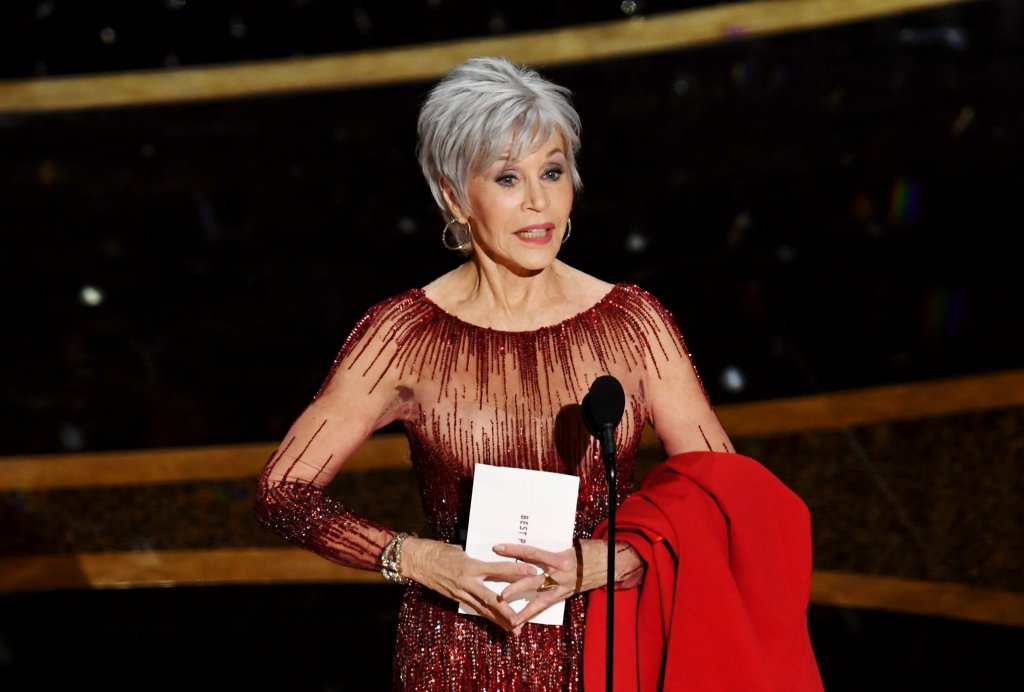
“You have to treat the person, not the [diagnosis on] paper,” she says.
For some older adults, that may mean pursuing aggressive treatment; for others, it may involve a less intensive strategy designed to preserve independence and daily function.
Whatever the path, doctors emphasize the importance of open conversations about goals, concerns, and quality of life so patients can feel confident in decisions that help them continue living as fully as possible.
Helpful Resources for Cancer Patients
Why Tailored Treatment Matters
Cancer care is about much more than test results, scans, or medications. Effective treatment starts with understanding what matters most to you and building a plan around your goals, priorities, and quality of life.
“It is so important to me that all of my patients know that we hear you, we see you. We know that there’s so much more about this diagnosis than just let’s fight and let’s kill the cancer,” says Dr. Neha Vapiwala, a radiation oncologist at the University of Pennsylvania’s Perelman School of Medicine.
Personalized Care Starts With a Conversation
Tailored treatment isn’t about being told what you have to do. It’s about having an open discussion with your care team about what you value most and finding the approach that best aligns with those priorities.
For patients pursuing the most aggressive path toward a potential cure, doctors may recommend treatment combinations such as radiation therapy, hormone therapy, surgery, or a combination of these approaches. For others, the primary goal may be maintaining independence, reducing symptoms, or preserving quality of life. In those cases, treatment may focus on controlling the disease while minimizing side effects that can affect energy levels, mobility, sexual health, or everyday activities.
“I, as a cancer doctor, might assume [your priority] is cure at any cost, but for some patients, cure is not an option, or it’s not the main priority,” Dr. Vapiwala explains.
“It may be to relieve symptoms and suffering. It may be to prevent loss of function so that they can attend an important life event, and for yet others, it might be preservation of their urinary, bowel, and sexual function.”
She adds that understanding these priorities is essential to delivering the most personalized guidance possible.
“So whatever those concerns are, I need to understand them in order to make sure that that patient gets the most tailored conversation, the most tailored information possible.”
Make Your Priorities Known
Experts stress that patients should feel empowered to discuss what’s most important to them. Concerns about work, finances, insurance coverage, family responsibilities, future plans, and daily routines are all important factors that can shape treatment decisions.
Dr. Vapiwala notes that a cancer diagnosis affects every aspect of a person’s life, not just their health. That’s why ongoing communication with your care team is so important.
“There’s so much more than a cancer patient,” she says. “There’s your whole life to consider.”
As your circumstances, goals, or health needs evolve, your treatment plan can evolve as well. Cancer care is not a one-time decision but an ongoing process that can be adjusted to better support the life you want to live.
Questions to Ask Your Doctor
- If my goal is a cure or the most aggressive treatment possible, what approach do you recommend?
- What treatment options are available to help minimize serious side effects?
- How might treatment affect my ability to work, exercise, or stay active?
- What lifestyle changes should I expect during and after treatment?
- How can my treatment plan be adjusted if my priorities or goals change over time?
Learn more about SurvivorNet's rigorous medical review process.


