Finding Sources of Strength and Inspiration During Your Journey
An Atlanta mom of two, Mary Sims, was diagnosed with acute myeloid leukemia in her 30s after persistent flu‑like symptoms, ultimately relying on her sister — a perfect match — for a lifesaving stem cell transplant.
“Something like acute myeloid leukemia causes very high white blood cell count … a person has symptoms of the flu because he or she has a high white blood cell count reacting to a virus,” Dr. Mikkael Sekeres, Director of the Leukemia Program at Cleveland Clinic Cancer Center. says.
The transplant and recovery were grueling, leaving Sims barely able to walk for months, but she rebuilt her strength and confidence through bodybuilding and dedicated strength training.
During a stem cell transplant, patients receive healthy donor cells through an IV infusion—similar to a blood transfusion. The IV drips donor bone marrow into the AML patient’s system, allowing it to enter the body through the bloodstream. The process rebuilds the patient’s bone marrow.
For many patients with acute myeloid leukemia, remission isn’t the end of the journey. “Unfortunately, for many patients with AML, their disease will come back, and we call that a disease relapse,” Dr. Tara Lin, Director of the Acute Leukemia Program at the University of Kansas Medical Center. explains.
An Atlanta mother of two found an unexpected source of strength in the middle of the hardest battle of her life: bodybuilding. Mary Sims was in her 30s when persistent flu‑like symptoms led to a diagnosis of acute myeloid leukemia (AML), a rare and aggressive cancer that begins in the bone marrow — the body’s blood‑cell factory.
“When a person has a cancer of the bone marrow, such as acute myeloid leukemia or myelodysplastic syndromes, that factory gets broken,” explained Dr. Mikkael Sekeres, chief of hematology at Sylvester Comprehensive Cancer Center.
“Cancers grow, and they grow in an uncontrollable way.”
Since AML disrupts the production of healthy red and white blood cells, patients often face fatigue, shortness of breath, and frequent infections.
“Something like acute myeloid leukemia causes very high white blood cell count … a person has symptoms of the flu because he or she has a high white blood cell count reacting to a virus,” Dr. Sekeres says.
Sims needed a stem cell transplant, and testing revealed her sister was a match. Even though she was pregnant at the time, her sister vowed to help — and after giving birth, she followed through.
WATCH: What to Expect After a Stem Cell Transplant?
“The first thing she said to me was, ‘What do you need from me? I got you,” Sims told CBS News.
A stem cell transplant requires high‑dose chemotherapy to wipe out diseased bone marrow, followed by healthy donor cells to rebuild it. Recovery was grueling. For more than three months, Sims returned to the hospital for follow‑ups, her body so weakened she could barely walk.
To reclaim her strength — and her identity — she turned to bodybuilding. With the help of a trainer, she began lifting weights, slowly rebuilding muscle and confidence.
Mary Sims | Photo: Maryonhair_studio211
Research backs her experience: strength training has been shown to help cancer patients manage treatment side effects and preserve muscle mass. Breast cancer survivor and researcher LaShae Rolle found similar benefits in her peer‑reviewed study published in “Lifestyle Medicine,” noting that moderate to high‑intensity exercise can reduce side effects and support recovery.
“Cancer robbed me of my 30s,” Sims said.
Entering her 40s, she was determined to take her life back. “You can come out on the other side even better than you were before.”
Expert Resources for Acute Myeloid Leukemia Patients
Acute myeloid leukemia (AML) is an aggressive form of blood cancer that starts in the bone marrow—the body’s blood cell factory. This is where stem cells develop into three essential types of blood cells:
White Blood Cells (WBCs): Defend the body against infection.
Red Blood Cells (RBCs): Carry oxygen to tissues and organs.
Platelets: Help blood clot and prevent excessive bleeding.
Inside the bone marrow, stem cells mature into specialized cells through a process of self-renewal and differentiation. Myeloid progenitor cells are responsible for producing RBCs, platelets, and granulocytes (a type of WBC). In AML, this process breaks down.
AML specifically targets myeloblasts—immature cells that should develop into healthy blood cells. Instead, these myeloblasts fail to mature and begin to accumulate in the bone marrow and bloodstream. As a result, the body is left with dangerously low levels of functioning red cells, white cells, and platelets.
According to the National Comprehensive Cancer Network (NCCN), a diagnosis of AML typically requires that 20% or more of the cells in the blood or bone marrow are myeloblasts. However, in some cases, AML can be diagnosed with a lower percentage if certain genetic markers or abnormalities are present.
What to Expect During a Stem Cell Transplant
During a stem cell transplant, patients receive healthy donor cells through an IV infusion—similar to a blood transfusion. The IV drips donor bone marrow into the AML patient’s system, allowing it to enter the body through the bloodstream. These new cells travel through the bloodstream and begin the process of rebuilding the patient’s bone marrow. Most patients remain in the hospital for two to four weeks after the procedure so their care team can closely monitor how the new marrow is developing.
Side effects during this period can include extreme fatigue, nausea, and a weakened immune system. That’s where the medical team steps in to provide critical support.
“What we see on daily blood tests is that the patient’s bone marrow is shutting down,” explains Dr. Costello.
“Their immune system weakens, their body stops producing the blood cells it needs—the literal gas in their tank. That’s when we step in to keep them safe. We can give blood and platelet transfusions to keep that tank full,” Dr. Costello continued.
In addition to transfusions, patients also receive protective antibiotics to guard against infection while their immune system is at its most vulnerable and the new bone marrow begins to take hold.
How Doctors Detect Acute Myeloid Leukemia: Bone Marrow Biopsies
Symptoms of AML often stem from abnormal levels of red and white blood cells—both of which are produced in the bone marrow. When these cells aren’t functioning properly, patients may experience fatigue, shortness of breath, and frequent infections due to low oxygen levels and a weakened immune system.
To confirm a diagnosis, physicians perform a bone marrow biopsy. This procedure involves extracting both liquid marrow and a small chip of bone from the back of the hip to closely examine the cells inside.
“What we can do is actually make slides and look at cells underneath the microscope with our eyes to get a better sense of ‘are all the cells there, are the cells normal, do they look abnormal,’” explains Dr. Tara Lin, Director of the Acute Leukemia Program at the University of Kansas Medical Center.
“Then we do additional testing from there to characterize further any abnormal cells that may be present,” Dr. Lin added.
This microscopic analysis helps doctors determine whether AML is present and how advanced it may be—guiding the next steps in treatment and care.
Spotting a Relapse in Acute Myeloid Leukemia: Why Vigilance Matters
For many patients with acute myeloid leukemia, remission isn’t the end of the journey.
“Unfortunately, for many patients with AML, their disease will come back, and we call that a disease relapse,” says Dr. Lin.
“It’s really important that when a patient has a relapse of their disease, they see someone who has a lot of experience in treating AML,” Dr. Lin added.
WATCH: What Are The Symptoms of Relapse in Acute Myeloid Leukemia
Relapse symptoms can vary, but common warning signs include:
Fatigue and shortness of breath
Easy bruising or bleeding due to low platelet counts
Anemia from reduced red blood cells
Frequent infections caused by low white blood cell levels
To catch relapse early, patients in remission are closely monitored.
“If I have a patient with AML who’s in remission, I will follow their blood counts really closely,” Dr. Lin explains. “And if I see a drop in any of those normal counts, I will be prompted to get a bone marrow biopsy to look for disease relapse—earlier rather than later, before the patient develops symptoms.”
This proactive approach helps ensure that any recurrence is identified and treated swiftly, giving patients the best chance at continued recovery.
Treatment Options After Experiencing a Relapse
When acute myeloid leukemia (AML) returns, there’s no one-size-fits-all approach.
“When you go to the national guidelines for AML and relapse, there is no one standard of care,” Dr. Lin says.
“Very often we will recommend that a patient consider a clinical trial to learn more about new therapies that may be more effective at the time of disease relapse,” Dr. Lin continued.
Standard Therapies
For patients opting for traditional treatment, oncologists may recommend a different chemotherapy regimen than what was used during initial diagnosis.
“Several different chemotherapy regimens use different combinations of drugs,” Dr. Lin explains, “and they may be different from what the patient received the first time.”
Relapse After Long-Term Remission
If a patient has been in remission for 18 months or longer, doctors may revisit the original induction therapy.
“We will very often go back to their original regimen to try to get them back into remission,” Dr. Lin says.
Relapse After Short-Term Remission
For patients whose remission lasted only a short time, a new strategy is needed. “We will not go back to the treatments they’ve already had,” Dr. Lin notes.
“We try to come up with something different so we can target the leukemia in a whole new way.”
The Curative Option: Stem Cell Transplant
Regardless of the relapse scenario, one goal remains clear: remission.
“For all patients of AML who have a relapse of their disease, we know that the only curative option is a bone marrow or stem cell transplant,” Dr. Lin explains. “A stem cell transplant works best when patients are in remission. So the first goal when someone is in relapse is to get them back into remission.”
Questions For Your Doctor
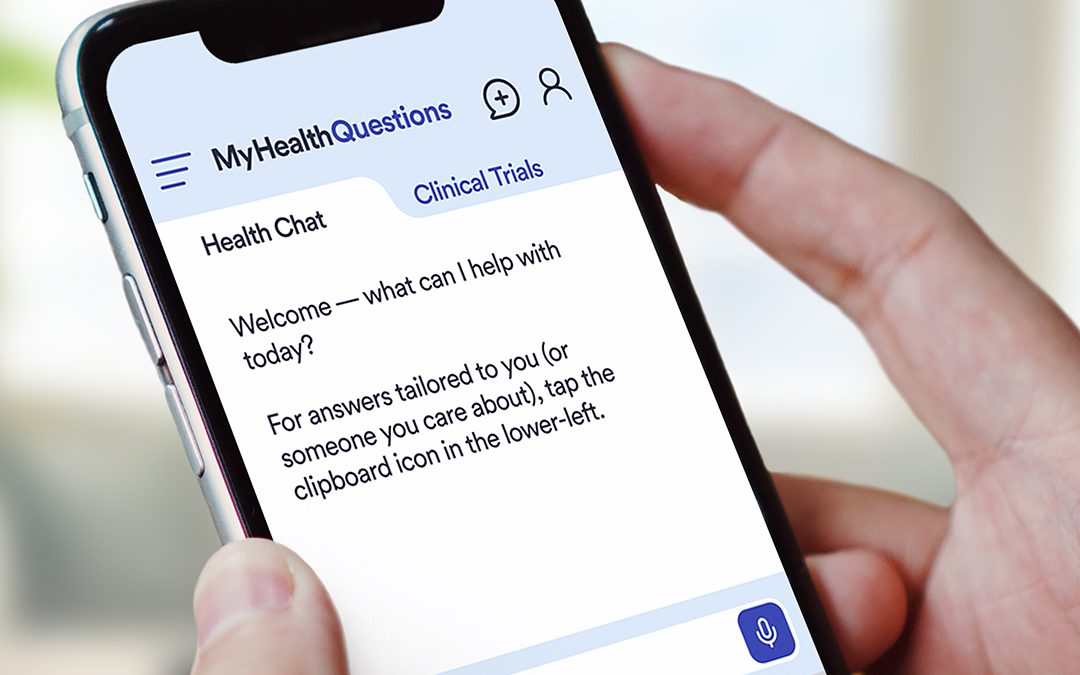
If you or someone you love is living with acute myeloid leukemia, you may have lingering questions about your own treatment journey. Here are some questions you can ask your oncologist to kickstart your quest for better clarity. We also encourage you to utilize SurvivorNet’s AI-powered tool My Health Questions for more guidance.
What subtype of AML do I have, and how does it affect my treatment options and prognosis?
What treatment plan do you recommend first, and why — chemotherapy, targeted therapy, clinical trials, or a stem cell transplant?
How will we know if the treatment is working, and what tests will you use to monitor my progress?
What side effects should I expect, and what can we do to manage them day‑to‑day?
Is a stem cell transplant something I should consider? How do we determine if I’m a candidate?