
Navigating Testicular Cancer Care
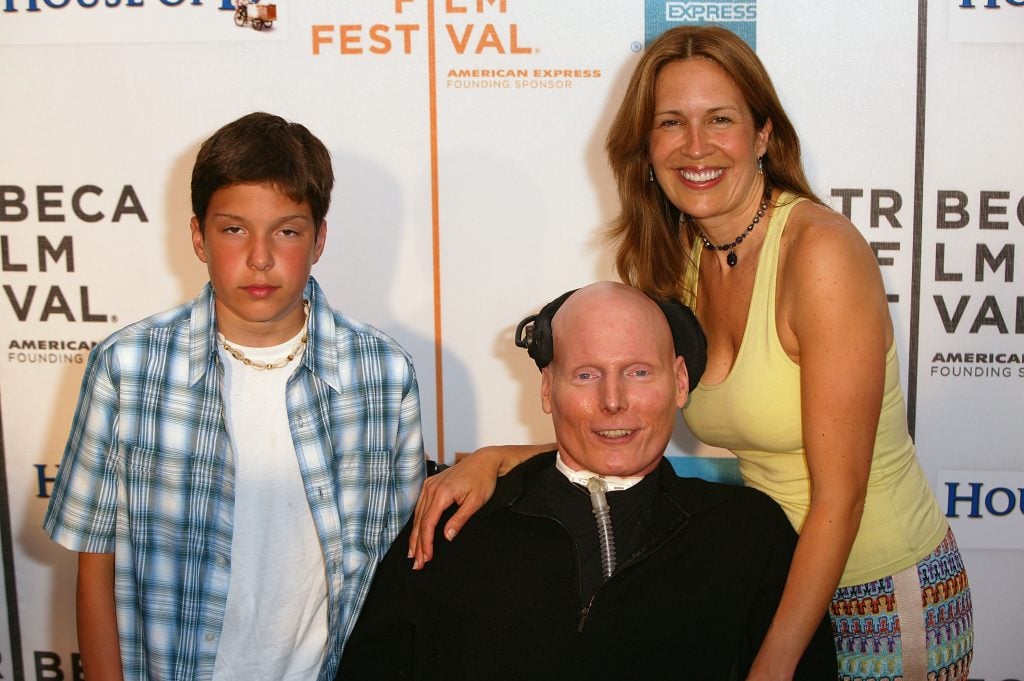
- The son of “Superman” actor, the late Christopher Reeve, and late actress Dana Reeve, Will Reeve is speaking publicly about his testicular cancer diagnosis to help reduce stigma and encourage men to seek care early.
- He discovered a lump in his left testicle that was later confirmed as cancer — a disease that originates in the sperm‑producing cells and is highly curable, even at advanced stages.
- Clinically, testicular cancer has one of the strongest prognoses in oncology: the National Cancer Institute notes cure rates remain high across stages, and ASCO data show a roughly 95% five‑year survival rate.
- Reeve underwent orchiectomy followed by chemotherapy and says he now feels healthy, stable, and optimistic about the future.
- “It’s not uncommon to see men come in with masses on their scrotum and have inflammation of the scrotal wall; they develop pain as a result. A lump is the most common symptom of testicular cancer,” Dr. Edwin Posadas, the medical director of the Urologic Oncology Program at Cedars-Sinai Cancer, says.
“I want folks to know that this is a thing that can happen,” Reeve told “Good Morning America.”

Research published in the American Society of Clinical Oncology Journal reports a 5‑year survival rate of about “95%.”
Advanced cases typically involve chemotherapy followed by surgery, though treatment plans are tailored to each patient. Reeve underwent surgery to remove the testicle and then completed chemotherapy.
“I feel great,” he said. “I think I’m the same guy that I’ve been. I’m feeling really good, and the future is bright.”
Expert Resources for Testicular Cancer Patients
- 10 Things I Wish I Knew Before I Was Diagnosed With Testicular Cancer
- 5 Important Facts About Testicular Cancer, Including How to Screen for the Disease
- April Is Testicular Cancer Awareness Month; Here’s What You Should Know About The Rare Disease
- Dealing With the Shame That May Come With Testicular Cancer
- Testicular Cancer Can Manifest In Interesting Ways, Know The Signs Of This Rare Disease During Testicular Cancer Awareness Month
Better Understanding Testicular Cancer
A testicular cancer diagnosis is rare, but it is the most common form of cancer diagnosed in young men.
Depending on the stage, the disease is considered highly treatable. Treatment options can include chemotherapy and radiation, but often, the first line of treatment is surgery to remove the testicle, which contains the cancerous cells.
Symptoms of testicular cancer can be subtle. Some people may even confuse the early symptoms, such as a small mass in their testicle, with an injury. But when these signs are dismissed, the cancer can grow and become worse.
Dr. Edwin Posadas, the medical director of the Urologic Oncology Program at Cedars-Sinai Cancer, previously told SurvivorNet that some men may even notice blood in their ejaculate as a result of testicular cancer. “This symptom is less common but always bad,” he said.
“It’s not uncommon to see men come in with masses on their scrotum and have inflammation of the scrotal wall; they develop pain as a result. A lump is the most common symptom of testicular cancer,” Dr. Posadas adds.
Men should regularly conduct self-exams of their testicles for anything unusual.
Testicular Cancer symptoms can include:
- Breast growth or soreness
- Early puberty in boys
- Low back pain (a potential symptom of advanced testicular cancer)
- Shortness of breath, chest pain, or a cough (a possible symptom of advanced testicular cancer)
- Belly pain (a possible symptom of advanced testicular cancer)
- Headaches or confusion (a possible symptom of advanced testicular cancer)
Coping With Chemotherapy Side Effects
Chemotherapy is an effective tool for oncologists to help treat cancer by stopping cancerous cells from growing, dividing, and spreading to other organs. Chemo works by traveling through the bloodstream, killing cancerous cells. However, healthy cells are also impacted in the process, leading to side effects.
Patients almost universally experience fatigue, often alongside gastrointestinal side effects, such as nausea. Doctors have many effective medications to combat chemo-induced nausea. “But mitigating that fatigue often depends on the patient,” says Dr. Renata Urban, a gynecologic oncologist at the University of Washington in Seattle.
“Neuropathy is probably one of the most challenging side effects,” says Dr. Urban. Neuropathy results from damage to the peripheral nerves. It usually resolves after chemotherapy treatment, but sometimes symptoms can persist. While it’s typically characterized by numbness or a pins-and-needles sensation in the hands and feet, neuropathy can have several different symptoms, including:
- Weakness in the hands or feet
- Stabbing or burning pain in the hands or feet
- Difficulty gripping, such as when holding a fork
- Difficulty with fine motor skills, such as writing or buttoning a shirt
Nausea and vomiting are common side effects of chemotherapy. When chemotherapy affects the rapidly dividing cells in the lining of the stomach, the resulting cellular havoc in the gastrointestinal tract can lead to side effects such as nausea and vomiting. However, doctors can help patients mitigate the hit with various medications before, during, and after treatment.
“Part of the chemotherapy prescription includes a set regimen of anti-nausea medications,” says Dr. Urban. “We also ensure that patients have medications at home that they can use should they develop nausea after treatment.”
Hair loss is another side effect of chemotherapy.
WATCH: Coping with hair loss.
“For cancer patients, losing one’s hair can be unbelievably stressful. To start with, the dread of losing one’s hair can lead to some sleepless nights and feelings of anxiety,” Dr. Samantha Boardman, a New York-based psychiatrist and author, told SurvivorNet.
Chemotherapy can cause hair loss. It usually begins about three to four weeks after chemotherapy and continues throughout treatment.
It happens because this treatment targets quickly dividing cells throughout the body. That includes cancer cells but also hair cells.
Most patients can expect regrowth four to six weeks after treatment. However, it is possible that when your hair grows back, you may notice some changes in its color and texture.
Tips for Navigating Chemo Side Effects
When dealing with fatigue, doctors don’t have an arsenal of weapons to combat fatigue in terms of prescription medications. However, you can do several things to help minimize the hit and restore your energy.
- Exercise: While it may be counterintuitive, physical activity can help alleviate side effects, especially fatigue. “Although ovarian cancer is not common, we often draw upon the experience of patients with breast cancer and colon cancer, who have shown that physical activity can not only improve quality of life but may also have beneficial impacts on cancer outcomes,” Dr. Urban says.
- Eat well: Even though nausea may interfere with your ability to eat a healthy diet, it’s essential to ensure you’re eating appropriately, getting enough protein, and not losing weight. Not only will nourishing your body support your recovery, but it may also help you feel more energized.
- Sleep: Want to mitigate fatigue? Be sure to maintain your regular sleep-wake cycle while on treatment. Sticking to a set sleep schedule helps reduce fatigue by ensuring enough hours for your body to heal and restore itself each night. It may also help you recover more quickly by keeping energy levels high during the daytime.
Treating Neuropathy Symptoms
Doctors have several strategies for helping patients deal with this side effect. Once a patient begins experiencing the symptoms of neuropathy, they’ll be carefully monitored to make sure it doesn’t get worse. Before each chemotherapy infusion, the attending oncologist will assess whether the symptoms have progressed. If the symptoms worsen, they may adjust the dose or delay treatment. They may also try switching to another chemotherapy drug.
How to Get a Handle on Nausea
Most of these anti-nausea medications last for more than eight hours. One of the infusions commonly used reduces the degree of nausea for up to three days.
Complementary approaches may also be helpful. A few favorites:
- Ginger: Studies consistently show that ginger helps alleviate chemotherapy-induced nausea. The powerful herb appears to have an anti-spasmodic effect on the gut. Not a fan of raw ginger? Suck on ginger candy, sip ginger ale, or make a steaming cup of ginger tea.
- Pressure bracelets: at your local pharmacy, these bracelets provide consistent pressure on a particular acupressure point on the wrist to reduce nausea.
- Deep breathing: Moving air in and out of your lungs with a few deep breaths can help relieve nausea, particularly if you pair deep breathing exercises with meditation. It can also help you relax and release stress and anxiety.
WATCH: Managing chemo side effects.
Coping with Hair Loss
If losing your hair is a concern for you before cancer treatment, know you have options like wigs, hats, wraps, and scarves, among other things.
Another option that can minimize hair loss is cryotherapy, “just a fancy way for saying cold therapy,” says Dr. Renata Urban, gynecologic oncologist at the University of Washington in Seattle.
Cryotherapy involves wearing cold caps or special cooling caps before, during, and after each chemotherapy treatment.
Questions for Your Doctor
If you are facing testicular cancer and want to understand your diagnosis better, consider the following questions for your doctor.
- Has my testicular cancer spread beyond the testicle?
- What stage is my cancer in?
- What other tests should I expect as I continue learning more about the disease?
- What are my treatment options?
- What side effects should I expect with the recommended treatment?
Learn more about SurvivorNet's rigorous medical review process.


