Understanding Multiple Myeloma
- Corinne Torney, a Florida mom, was diagnosed with the rare blood cancer multiple myeloma at age 34, after her symptoms were likened to postpartum troubles. It wasn’t until she pushed for answers that a nurse practitioner ultimately identified that the back pain and fatigue she was suffering from was due to myeloma.
- Multiple myeloma is a rare type of blood cancer that hinders the body’s ability to fight infections. It can cause weakness, dizziness, bone pain, and confusion, among other symptoms. Advancements in multiple myeloma treatments have improved the lives of patients battling the disease.
- It’s important to note that although this type of disease is manageable thanks to treatment advances, multiple myeloma patients face a higher chance of relapse (the cancer coming back), and maintenance treatment is often an important part of one’s cancer journey because it can extend periods of remission.
- What’s also encouraging is that there continues to be new treatment options and therapies, which can include immunotherapies such as CAR-T cells and a growing number of drug combinations. There are a significant number of clinical trials being conducted for multiple myeloma and SurvivorNet has resources about how to access these options.
- Meanwhile, new treatment options are available for patients whose multiple myeloma has returned or not responded to previous therapies. Talvey is approved for those who have had at least four prior treatments, showing tumor shrinkage in over 70% of patients, while Blenrep is back for patients after two prior therapies, with improved effectiveness and a program to protect eye health.
Sharing her story with ABC’s TampaBay28, in an effort to spread awareness about the disease, Torney recounted being diagnosed about six years ago, when she 34 years old, and her daughters were a toddler and a baby.
Read More
Torney, who worked as a teacher, described to TampaBay28 that the disease she was diagnosed with was “very rare and even more rare for a young person to get it,” as it often occurs in patients who are ages 65 and older.
Following her diagnosis, she needed to stop working and go to Arkansas for “agressive myeloma treatment,” when her baby was just 11 months old.
“They have one of the biggest myeloma hospitals in the United States, so when I went there. I met with the doctors, and he said because my disease was so aggressive and high-risk that we were going to get started right away,” Torney said.
Despite undergoing chemotherapy and two stem cell transplants, she understand that the disease is incurable and the possibility of recurrence exists.
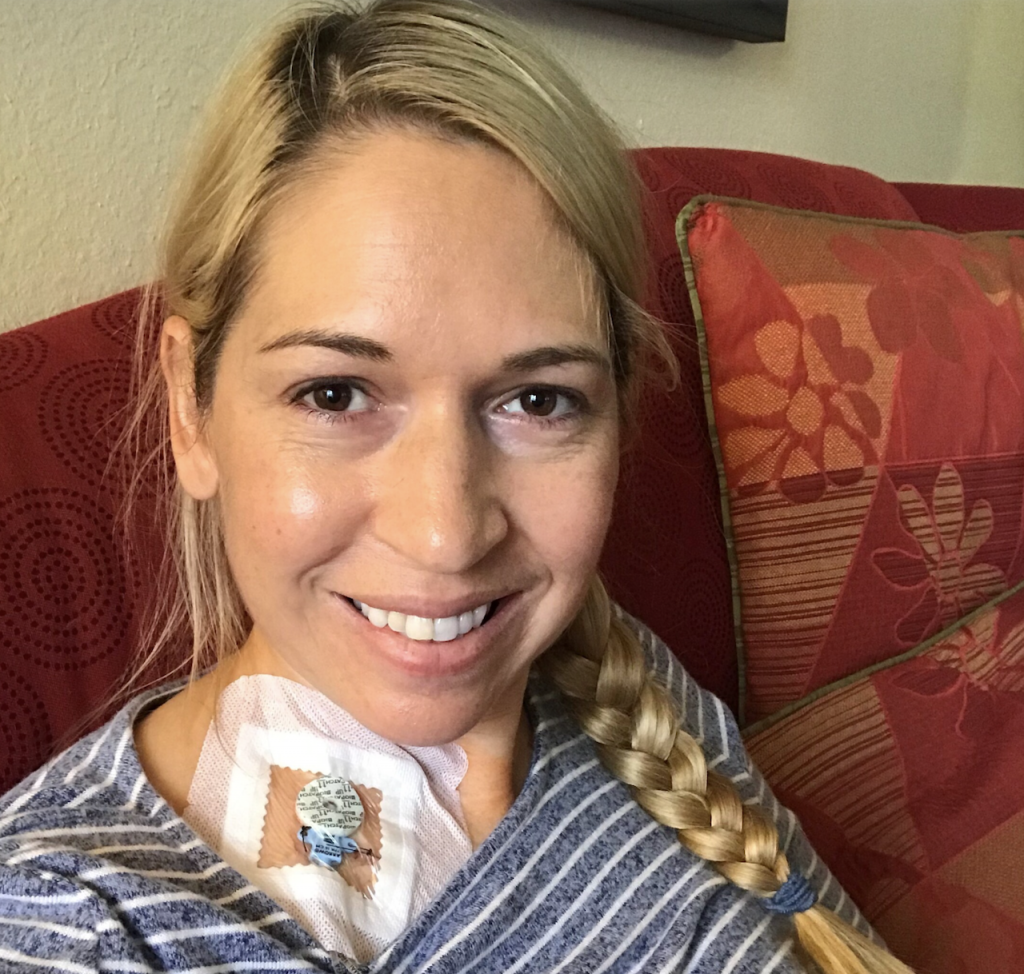
“I try to live a healthy lifestyle, diet, exercise, but at the end of the day if it comes back, it comes back and I’ll deal with it when it when it happens,” she admitted.
Her story is a reminder that it’s possible to live fully with this type of disease, thanks to treatment advances. Now, she urges others to “pay attention to your body” and push for answers.
“It’s a hard disease to find it. It doesn’t present itself very easily,” she said.
A GoFundMe previously set up for Torney, which has raised more than $42,000 of it’s $50,000 goal, praises her as “one of the best people on the planet.”
“She’s a fantastic mother, daughter, wife, sister, friend, and teacher. She’s kind, caring, and thoughtful, always there to laugh or cry with you, and forever willing to help you analyze and solve any problem. She is compassionate and dedicated. And most of all, she loves her family to pieces,” the GoFundMe reads.
“We’re trying to do all we can to take away any financial worries the family may face and to continue to show our constant support in any way we can. The funds raised here will be given directly to the Torney’s to help pay medical bills, seek opinions and treatments that may not be covered by insurance, and make up for any lost income.”

RELATED: Risk Factors Race and Ethnicity in Multiple Myeloma
All About Multiple Myeloma
Multiple myeloma is a rare and incurable type of blood cancer. When you have this cancer, white blood cells called plasma cells (the cells that make antibodies to fight infections) in your bone marrow grow out of proportion to healthy cells. Those abnormal cells leave less room for the healthy blood cells your body needs to fight infections. They can also spread to other parts of your body and cause problems with organs like your kidneys.
Patient Education is Key — Head of Hematology at Johnson & Johnson On Getting Multiple Myeloma Patients Access to Good Information & Care
RELATED: When Multiple Myeloma Returns, SurvivorNet’s Resources
Sometimes, doctors find multiple myeloma while doing a blood test to look for another condition or when trying to find out what’s causing a patient’s unexplained symptoms.
Doctors use blood and urine tests and imaging tests, such as X-rays or MRIs, to help diagnose multiple myeloma and to guide treatment options. Ultimately, a bone marrow biopsy will confirm the diagnosis.
RELATED: Hematologist and SurvivorNet advisor, Dr. Nina Shah, helps you understand this rare cancer
Multiple myeloma symptoms can range from tiredness, nausea and constipation. Other symptoms may include:
- Weakness, dizziness, and shortness of breath, which are signs of a low red blood cell count, are called anemia.
- Bone pain, which could be a sign of a fracture.
- Urinating too much or too little, muscle cramps, nausea, and vomiting are symptoms of kidney failure.
- Confusion is caused by too much calcium in the blood.
- Frequent infections because you have too few white blood cells to fight them.
It’s important to know that these symptoms could be attributed to other conditions. If you experience any of these symptoms or are concerned about any changes to your body, you should address them promptly with your doctor.
Hematologist-oncologist Dr. Adam Cohen lays out your options during the maintenance phase of treatment
Meanwhile, multiple myeloma does cause bone conditions. According to the Multiple Myeloma Research Foundation, 85% of multiple myeloma patients have some kind of bone damage or loss.
“The most commonly affected areas are the spine, pelvis, and rib cage,” the Foundation explains.
The reason for this bone loss or damage is multiple myeloma disrupts the bone remodeling process. The cancerous myeloma cells keep the cells in the bone responsible for removing old bone and rebuilding new bone from working properly.
The disease can also weaken the bone, resulting in fractures. And it can cause thinning of the bones leading to osteoporosis [meaning the bones are more porous and more likely to fracture].
And “in advanced multiple myeloma, a patient may lose inches from his or her height due to compressed vertebrae over the course of their illness.”
So bone conditions can be a symptom of multiple myeloma.
RELATED: Why Do Some People With Cancer Experience Back or Bone Pain?
Getting a Diagnosis
Sometimes doctors find multiple myeloma while doing a blood test to look for another condition, or when trying to find out what’s causing a patient’s unexplained symptoms.
According to SurvivorNet’s experts, blood tests are also the way your doctor might learn that you have smoldering multiple myeloma or MGUS, because these conditions don’t usually cause symptoms. Smoldering multiple myeloma and MGUS aren’t cancer, but they can sometimes turn into cancer.
The odds that either condition will become cancer are very small, but to be safe, your doctor will probably check you more closely with blood and urine tests, and sometimes a bone marrow biopsy–removing and testing a small sample of the spongy material inside your bones. These tests can help monitor you for changes that signal you’ve switched over to multiple myeloma, and that you need to start treatment for this cancer. You may also need a bone marrow biopsy to help your doctor make the initial diagnosis.
Doctors use blood and urine tests and imaging tests such as X-ray or MRI to help diagnose multiple myeloma and to guide treatment options. Ultimately, a bone marrow biopsy will confirm the diagnosis.
Monitoring your bone strength and health over time will help your doctors understand how, or if, your disease is progressing.
Treatment Options For Multiple Myeloma
Not everyone with multiple myeloma needs treatment right away. If you have smoldering multiple myeloma, your doctor might simply monitor you regularly, to see if your disease progresses.
If you develop symptoms or your doctor thinks you need treatment, there are many options. Which of these treatments you receive, and how they are sequenced, depend on several factors, and on whether your treatment team thinks you are a good candidate for a bone marrow transplant.
Bone Marrow (Stem Cell) Transplant
This is also known as a stem cell transplant. It is a procedure to replace diseased bone marrow with healthy bone marrow without myeloma cells. Based on multiple factors, your doctor may decide that a stem cell transplant is best for you. The transplant process can be involved and requires multiple steps. Be sure to discuss this with your treating team to understand what is involved and what options are available.
If you’re not a good candidate for chemotherapy, your treatment options include targeted therapies, biologics, and steroids.
Targeted Therapy
Targeted therapy is now available for patients with multiple myeloma, and targets abnormalities in myeloma cells that allow the cancer to survive. Examples of targeted agents your doctor may use include bortezomib (Velcade), carfilzomib (Kyprolis), and ixazomib (Sarclisa). These drugs are either given in a pill or through an IV, and cause myeloma cells to die by preventing the breakdown of certain proteins in myeloma cells. You doctor may also use other targeted agents in the class of medications known as monoclonal antibodies.
Biologic Therapy
Biologic therapy is another class of medication your treatment team may use to treat your myeloma. These medications use your bodys immune system to help fight and kill myeloma cells. This class of medication is most often given in pill form and include medications such as thalidomide (Thalidomid), lenalidomide (Revlimid), and pomalidomide (Pomalyst).
Chemotherapy
Sometimes your treatment team may recommend chemotherapy to treat your myeloma. Chemotherapy uses strong medicine to target cancer cells throughout your body. If your doctor recommends a bone marrow transplant high doses of chemotherapy are used for this purpose.
Steroids
Occasionally, doctors may use corticosteroids such as dexamethasone or prednisone as part of your treatment. Steroids are different from chemotherapy, targeted therapy, and biologic therapy. They work to reduce inflammation throughout your body. Steroids are given as a pill, and are also active against myeloma cells.
Radiation
Radiation uses high-dose X-rays to stop cancer cells from dividing. It is sometimes used to target myeloma in specific areas that may be causing you issues or pain. It is also used if there are tumors or deposits of myeloma cells that need to be treated, such as a plasmacytoma — a tumor made of abnormal plasma cells — of the bone.
Sometimes the cancer can return, or relapse after treatment. If this happens, your doctor can put you on one of the treatments you’ve already tried again, try a new treatment, or recommend that you enroll in a clinical trial.
Any of these treatments can cause side effects, which may include nerve pain and fatigue. Your doctor can adjust your medication if you do have side effects. In general, you should start to feel better once your treatment starts to work.
Extending Your Lifespan With Multiple Myeloma
Then you’ll ultimately reach the maintenance phase of treatment. Now that your doctor has gotten your cancer under control, from here the goal is to keep your disease stable and to maintain your quality of life. Which type of maintenance therapy you get, and what prognosis you can expect, will depend on whether your doctor determines that your multiple myeloma is standard risk or high risk.
One of SurvivorNet’s experts describes the maintenance process for this disease as similar to lawn care. Once you care for your lawn and it’s no longer overgrown (that’s the initial treatment), it will need some tending but with that attention (such as low doses of maintenance drugs), it can remain healthy.
Why the many phases of multiple myeloma are like caring for your lawn, says hematologic cancer specialist, Dr. Sid Ganguly
Sometimes this disease will return, even when you’re on maintenance therapies. You’ll still have treatments available if this happens.
Though it can be daunting to choose treatments for relapsed multiple myeloma, the medical experts at SurvivorNet are here to help you make sense of them. Remember that you do have options, and that the goal which becomes more achievable with each new treatment that’s introduced is to preserve your quality of life and extend your lifespan.
Questions for Your Doctor
If you are facing a multiple myeloma diagnosis, here are some questions to help you begin the conversation with your doctor:
- What stage is my multiple myeloma?
- What are my treatment options?
- What are the possible side effects of your recommended treatment?
- Who will be part of my healthcare team, and what does each member do?
- Can you refer me to a social worker or psychologist who can help me cope with my diagnosis?
Contributing: SurvivorNet Staff
Learn more about SurvivorNet's rigorous medical review process.