
Tapping Into Emotional Expression While Facing Cancer
- Baywatch alum Nicole Eggert’s personal history with privacy violations has shaped her reluctance toward journaling, a coping method often recommended to cancer patients to process the emotional stress associated with their diagnosis and treatment.
- Health experts offer alternative coping strategies like “Scheduling Worry Time”—a daily window to acknowledge fears and reduce anxiety— which may come in the form of journaling or other forms of artistic expression, such as painting or making music – each highlighting that healing can look different for everyone.
- Eggert, 53, was diagnosed with stage 2 breast cancer after she discovered a lump while giving herself a breast self-exam—a crucial tool for early detection of abnormalities.
- While her treatment included a mastectomy (the removal of the entire breast during surgery), she also received radiation and chemotherapy. She’s still undergoing treatment with hopes of reaching remission.

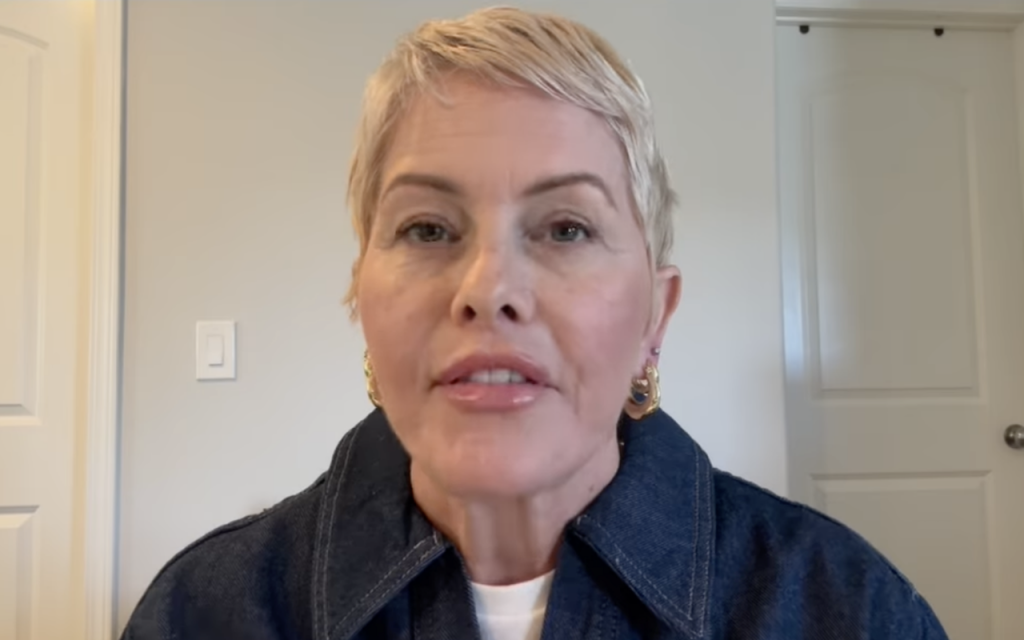
View this post on Instagram
“He comes out raging. He had gone into my journal and read, and was very upset about some of the things he found in there,” Eggert said. “It was such a violation to me.”
The experience echoed the intrusions of her childhood, reinforcing a lifelong ambivalence toward keeping written records of her private emotions.
“Because of that experience [growing up], I don’t write stuff down, and I don’t know if that’s good or bad because I know writing is therapeutic,” she admitted. “So later, I would write things and then destroy them after.”
Her story adds nuance to the narrative surrounding emotional healing. Eggert may not embrace journaling in the traditional sense, but she still acknowledges its therapeutic potential—especially for others facing health challenges.
Experts at SurvivorNet encourage patients to “Schedule Worry Time”—a structured approach to processing fear and anxiety by dedicating a set period each day (like 9:00 a.m.) for emotional release. Whether through journaling, speaking aloud, or quietly reflecting, this method allows individuals to compartmentalize concerns and reduce intrusive thoughts.
WATCH: Journaling Helped Shellie Davis Navigate Her Cancer Diagnosis—Quietly and Powerfully
For Shellie Davis of Baltimore, Maryland, journaling became a quiet refuge as she faced the emotional complexities of an ovarian cancer diagnosis. When speaking openly with family and friends felt too overwhelming, she turned inward—letting her thoughts flow onto the page.
“I would keep a journal of all the things that were going on with me,” Davis told SurvivorNet.
“I had questions that I didn’t want to talk to my family about because they were still very anxious,” Davis added.
Davis used journaling to unpack her emotions and catalog pressing concerns she planned to address with her doctor. Her writing served both as a therapeutic outlet and a roadmap. It also allowed her to reclaim a sense of control.
Eggert’s experience underscores a larger truth: emotional coping is personal. What heals one may trigger another. As she continues her treatment, her honesty serves as both a cautionary tale and a reminder that healing is never one-size-fits-all.
Helping Patients With Their Emotional Well-Being
- 5 Simple Things People With Cancer Can Do To Care For Their Mental Health
- Caring For Mental Health During The Thyroid Cancer Journey: A Holistic Approach to Healing
- Changing the Culture: Medical Professionals Shouldn’t be Ashamed to Seek Mental Health Treatment
- Coping With Burn Out, Fall Out Boy Guitarist Joe Trohman, 38, Is Leaving The Band To Focus On Mental Health
- Do You Have a Question About Mental Health & Cancer– Strong In Cancer — A New Column From SurvivorNet with Dr. Marianna Strongin
How to Gain Emotional Support After a Diagnosis
Professional Support
Most major cancer centers provide access to licensed social workers or psychologists who specialize in helping patients navigate the psychological impact of illness. These professionals offer coping strategies, therapeutic options, and a safe space for exploring and processing complex emotions.
Peer Support Groups
Sharing experiences with others undergoing similar treatments—whether through online forums or in-person meetups—can help alleviate the sense of isolation and provide practical insights. These groups may provide comfort, tips for managing side effects, and stories that remind us there’s light ahead, even in the face of advanced diagnoses.
Family and Friends
Even those who aren’t directly affected by cancer can play a vital role in emotional support. If you need help getting to appointments, watching children or pets, or help with daily errands, or simply someone to sit with you during tough moments, speak up. Your loved ones don’t need to have perfect words or solutions—just showing up can make all the difference.
Nicole Eggert’s Cancer Fight: From Self-Exam Discovery to Empowered Healing and Advocacy
Eggert’s cancer journey began after discovering a lump in her breast while performing a self-exam—a crucial tool for early detection of abnormalities. This led to her diagnosis of stage 2 cribriform carcinoma breast cancer.

Self-breast exams involve checking for swelling, changes in shape, or nipple irregularities, as well as signs of redness, rashes, or discharge. If any concerns arise, it’s essential to contact a doctor. However, these exams should always be done alongside regular mammograms for comprehensive screening.
Initially, Eggert dismissed her symptoms—terrible pain and rapid weight gain—as signs of menopause. But after discovering the lump, she underwent a mammogram and multiple biopsies, confirming her cancer diagnosis.
WATCH: The process of mastectomy breast cancer surgery.
“I can definitely feel it. It’s there. It needs to be taken out,” Eggert told People Magazine. “So it’s just a matter of, do I have to do treatment before the surgery, or can they perform the surgery and then I do the treatment after?”
To treat her cancer, Eggert underwent a mastectomy, a procedure that requires careful consideration. Women facing this decision often weigh the choice between breast-conserving surgery, like a lumpectomy, and full mastectomy.
Dr. Elisa Port, Chief of Breast Surgery at Mount Sinai Health System, explains that removing the cancerous tissue in a double mastectomy typically takes about two hours. However, the overall surgery length can vary depending on whether a patient chooses reconstruction.
“The real length, the total length of the surgery, can often depend on what type of reconstruction [a patient] has,” Dr. Port says.
Some women opt for immediate reconstruction using implants, which can extend surgery to five hours, while others choose tissue transfer from the belly area. A few decide to forgo reconstruction altogether.

Eggert also underwent chemotherapy and radiation, which can lead to common side effects such as fatigue, nausea, and hair loss.
Since beginning her cancer journey, Eggert has become more proactive about her health.
“That’s really what’s kept me going and sane because you feel so hopeless … helpless and all of those things, but if you’re being proactive, it can really help,” she told Fox News. “At least for myself, it really helps to keep me motivated and keep me going.”
Her story serves as a testament to the resilience of cancer patients and the importance of self-care and proactive health decisions.
Questions to Ask Your Doctor
If you’re going through cancer treatment and experiencing hair loss, here are some questions you may consider asking your doctor:
- Are there any treatments to help manage or minimize my hair loss?
- What are scalp-cooling devices, and how do they work?
- Do you recommend scalp-cooling devices?
- What other options are available to help me cope with hair loss?
- Can you recommend a wig maker?
- I’m struggling mentally with my hair loss; can you recommend a therapist to talk to?
- How can I find a local support group with people going through similar things?
Learn more about SurvivorNet's rigorous medical review process.


