
Kathy Bates' Health Journey
- Ovarian and breast cancer survivor Kathy Bates, 77, who developed the swelling condition lymphedema after lymph node removal during her breast cancer surgery, is raising awareness about this chronic disease—something she wishes she had understood better before experiencing it.
- Lymphedema is a common but often unnoticed side effect of breast cancer surgery or radiation. It occurs when lymph fluid builds up in the tissues, causing swelling—usually in the arm or hand.
- “Lymphedema is a disorder in which the lymph fluid, which is basically interstitial fluid that leaks out from our tissue continuously, cannot recirculate properly and stays stagnant in the tissue. It’s critical that you monitor for swelling since detecting lymphedema early is key,” Dr. Dung Nguyen, the director of breast reconstruction at Stanford Medicine, told SurvivorNet.
- It’s important to understand that early detection and treatment can help manage symptoms and lower the risk of complications, even though there’s no cure.
- Management of lymphedema can involve compression therapy, physiotherapy, and exercise, as well as surgical approaches such as lymph node transfer or lymphovenous bypass.
After undergoing lymph node removal during breast cancer surgery, Bates developed lymphedema. Her journey with the condition motivated her to prioritize her health, leading to a dramatic weight loss, and she’s now passionately spreading awareness to help others avoid or manage lymphedema.
Read MoreShe continued, “That’s why I am encouraging every patient to have candid conversations with their doctors before, during, and after treatment. The truth is, there are a few key things every cancer patient needs to know.”
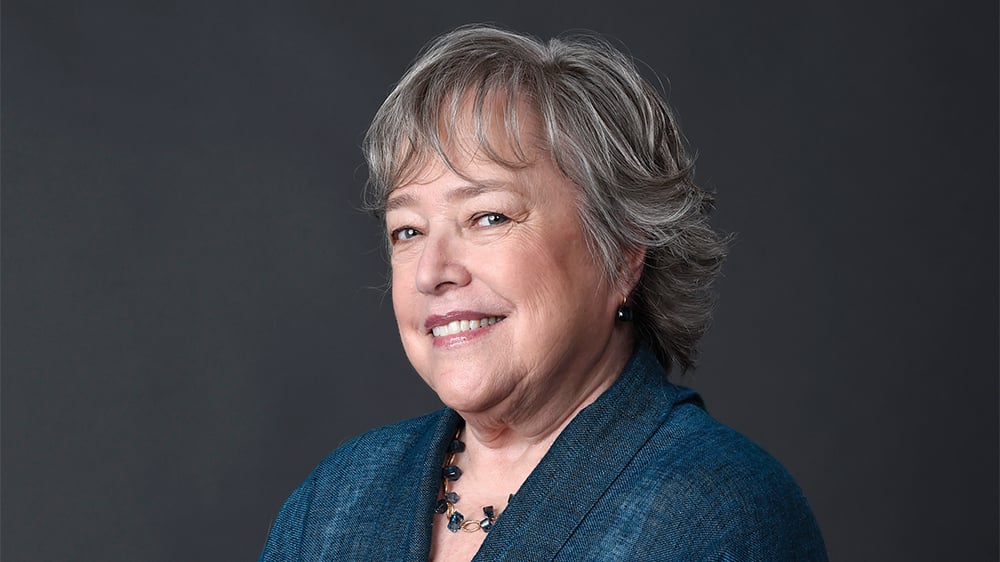
Before diving into why she’s advocating for the condition, Bates—celebrated for her iconic roles in “Titanic,” “Misery,” and “Fried Green Tomatoes”—highlighted that over 10 million Americans live with lymphedema, a factoid also supported by UC Davis Health. Among those facing this disease, one in five breast cancer survivors.
She warns that although there is no cure for lymphedema, timely detection and intervention can help control symptoms and minimize the likelihood of onset.
Bates explained further, “One of the greatest challenges we face is silence. Lymphedema is often overshadowed by the larger story of cancer survival. After doctors removed 19 lymph nodes from my left armpit and three from my right, I was cured of cancer. But the cost of that cure is a lifelong, incurable disease. There are no approved drug therapies, no cure on the horizon, and far too few treatment options.”
“Since the disease is so often misunderstood or misdiagnosed, many patients suffer for years without even knowing what afflicts them. Part of the problem is a lack of provider education.”
She then referred to research published in the National Library of Medicine, which she recounted showing that in U.S. medical schools, the lymphatic system is covered for under 30 minutes across all four years of education.
Bates then recalled urging lawmakers on Capitol Hill in 2019 “to fund research into this neglected disease,” which ultimately led to the creation of the first National Commission on Lymphatic Diseases, aimed at improving care and expanding knowledge. However, the actress is determined to make this issue more prevalent to the public.

She then urged patients to know their risk, discuss lymph node removal, prioritize prevention, monitor warning signs, and access expert care.
Bates explained, “First, ask your doctor about your personal risk. The type of surgery, the number of lymph nodes removed, and even your body mass index. The more you understand your risk profile, the more empowered you are to protect your health. This may include bioimpedance measurements to track changes in lymphatic flow, along with physical therapy, gentle exercises, and healthy lifestyle choices such as regular activity and a balanced diet.”
“Second, have a frank conversation about lymph node removal. Too often, this step in treatment is discussed in technical terms, but for the patient, it has real consequences. The more nodes taken out, the higher the chance of developing lymphedema. Knowing that ahead of time helps you weigh your options and plan for follow-up care.”
More On Lymphedema
Bates’ third suggestion is for patients to make prevention part of their treatment plan. She said that gentle exercise, therapy, and healthy habits can lower risk, and patients should discuss steps with their care team before and after surgery.
She continued, “Fourth, don’t ignore the early warning signs. Lymphedema doesn’t appear overnight. It starts with subtle feelings of heaviness, tightness, tingling, or swelling. Too many patients are told to brush these symptoms aside. Don’t. Early intervention can make all the difference.
“And finally, insist on access to expertise. Lymphedema specialists and certified therapists can help screen, educate, and provide personalized strategies. The right specialist can be a lifeline.”
The Hollywood star admitted her advice stems from her personal struggle with lymphedema, and is what she wished she had known prior.
Understanding Lymphedema
Lymphedema, or chronic swelling, can occur after surgery and radiation treatment for breast cancer. It occurs when the lymph vessels that carry fluid throughout the body are affected and cannot properly dispose of the fluid. This causes fluid build-up and swelling, usually in the arm and hand on the same side as the treated breast.
Doctors cannot predict which patients will develop the condition, but women who have many lymph nodes removed and/or radiation therapy have a higher risk of long-term lymphedema. Lymphedema can happen shortly after treatment or even years later.
Dr. Dung Nguyen explains what lymphedema is and how doctors monitor the condition.
“Lymphedema is a disorder in which the lymph fluid, which is basically interstitial fluid that leaks out from our tissue continuously, cannot recirculate properly and stays stagnant in the tissue. It’s critical that you monitor for swelling since detecting lymphedema early is key,” Dr. Dung Nguyen, the director of breast reconstruction at Stanford Medicine, told SurvivorNet in a previous interview on the condition.
“It’s uncomfortable and can be painful, and there is no cure, but there are a number of ways to treat it.”
Lymphedema can become a problem after surgery or radiation treatment for nearly any type of cancer, but it’s most commonly seen in breast cancer, prostate cancer, pelvic area cancers, lymphoma, melanoma, and head and neck cancers like throat cancer.
According to the National Cancer Institute, lymphedema occurs when the lymph system is damaged or blocked. Fluid builds up in soft body tissues and causes swelling.
Lymphedema usually affects an arm or leg, but it can also affect other parts of the body. The disease can also cause long-term physical, psychological, and social problems for patients.
How is Lymphedema Treated?
There are four stages of lymphedema (stage 0 through 3), with treatment options ranging from compression garments, physiotherapy (which helps restore movement and function when someone is affected by illness or injury), and exercise to different surgery methods, including lymph node transfer and a technique called lymphovenous bypass (a surgical treatment option for lymphedema).
“We have surgical options as well as non-surgical options that help to control the progression of the disease,” Dr. Nguyen said.
“When a patient presents with stage 0, [we] typically would start out with conservative therapy, which would include physiotherapy, compression garments. Patient who presents with stage 1 lymphedema are surgical candidates.”
Dr. Nguyen explains the treatment options for different stages of lymphedema.
Usually, when a patient presents with stage two lymphedema, this is a more advanced disease where they tend to have recurrent infections. “In this group of patients, vascularized lymph node transfer is the option of choice. And that is because with lymph node transfer, the lymph nodes themselves will bring lymphatic tissue to the extremity and help fight infection. So the risks and the rate of infection significantly decrease with lymph node transfer.”
In patients with stage 3 lymphedema, “the first approach is to de-bulk the dense fibrous fatty tissue that has built up. And we do this using a technique called dry liposuction, where the tissue is extracted from the extremity using a suction device,” Dr. Nguyen explained.
Once the patient has recovered from the surgery, which can typically take at least a year, “then that patient can become a candidate for procedures like lymph node transfer or the lymphovenous bypass procedure to help reestablish the lymphatic drainage system in the extremity.”
Kathy Bates’ Ovarian & Breast Cancer Journey
Bates was diagnosed with stage 1 ovarian cancer 21 years ago in 2003. In a prior interview with SurvivorNet, the “Misery” star said the diagnosis “knocked the stuffing out of me,” but she was lucky to have caught it early, as it was just about to spread.
She underwent surgery and chemotherapy — all while working on the 2004 film “Little Black Book.” That’s something Bates said she struggled with.
“I lost patience with people when things would be draggy. You really can’t do that on a movie set because things are going to go at the pace they’re going, and yelling about it isn’t going to help.”

The Memphis native described the extremely difficult experience she had after having chemotherapy, saying, “You come off of the steroids, and I just found that the hardest part. It was like detoxing. I was shaking, I couldn’t talk, and I remember I had to go do a voiceover, and it was just so, so difficult.”
Despite what she was going through, Bates didn’t want to tell anyone, telling Yahoo Lifestyle, “I’m very open and direct, so it was hard for me not to talk to people about it. But at the same time, I withdrew from all of the activities that I had in my life.”
After her private health journey, Bates decided it was time to start opening up and try to help others going through the same thing. “I don’t think I really came out about being a cancer survivor until I developed breast cancer in 2012.”
When Bates was diagnosed with stage 2 breast cancer, she had a double mastectomy to remove both breasts, and she had 19 lymph nodes removed as well, a common treatment method when the cancer has spread beyond the breasts. The lingering pain this all caused her left her feeling worse than when she faced ovarian cancer.

Then Bates developed a condition that breast cancer patients are at higher risk for if they have lymph nodes removed from under the arm. She developed lymphedema, a swelling condition that can affect the arms, legs, or other areas of the body near the lymph nodes removed.
“I was bitter, I was depressed,” she shared. “I thought my career was over, I thought, ‘There’s no way, I’m done, everything is done.’”
Bates, who remains cancer-free, recognized her emotional response to her two diagnoses and lymphedema and decided to take action, raising awareness for others.
Contributing: SurvivorNet Staff
Learn more about SurvivorNet's rigorous medical review process.


