Ice Hockey Player Rory Guilday, 23, Says Her Preparation for the Winter Olympics Involved Nine Months of Chemo to Treat a Tumor In Her Right Eye and Describes Treatment as ‘Hard on the Body and Soul’
Ice Hockey Player Rory Guilday, 23, Says Her Preparation for the Winter Olympics Involved Nine Months of Chemo to Treat a Tumor In Her Right Eye and Describes Treatment as ‘Hard on the Body and Soul’
Olympian Rory Guilday, 23, discovered an optic nerve glioma after a routine vision test as a teen, leading to nine months of tough chemotherapy that temporarily robbed her of strength and stability on the ice.
Chemotherapy is an effective tool for oncologists to help treat cancer by stopping cancerous cells from growing, dividing, and spreading to other organs. It works by traveling through the bloodstream, killing cancerous cells. However, the process also impacts healthy cells, leading to side effects like hair loss, nausea, vomiting, and neuropathy, to name a few.
“Neuropathy is probably one of the most challenging side effects,” says Dr. Renata Urban, a gynecologic oncologist at the University of Washington in Seattle. Neuropathy results from damage to the peripheral nerves. It usually resolves after chemotherapy treatment,
Optic nerve gliomas are rare, slow-growing tumors that can threaten vision and, without treatment, may progress aggressively, according to research published in Neuro-Ophthalmology. Treatment for this type of glioma may include surgery, chemotherapy, and/or radiation.
Guilday adapted by relying almost entirely on her left eye, which she now calls her “eagle eye.”
Olympian Rory Guilday, 23, has been on the ice since she was five, rising through the hockey world with a meteoric climb — but a tumor in her eye nearly stopped that momentum cold.
“It’s just part of who I am these days,” she shared on the “Jocks in Jills” podcast.
The Minnesota native explained that a routine vision test as a teenager led to an MRI, which revealed an optic nerve glioma — a benign tumor pressing on her eye and affecting her sight. To treat it, she needed chemotherapy.
According to the National Cancer Institute, an optic nerve glioma (also called optic pathway glioma) is a “rare, slow-growing tumor that usually forms in the optic nerve, optic chiasm, or optic tract. These are parts of the nervous system that carry messages from the eye to the brain.”
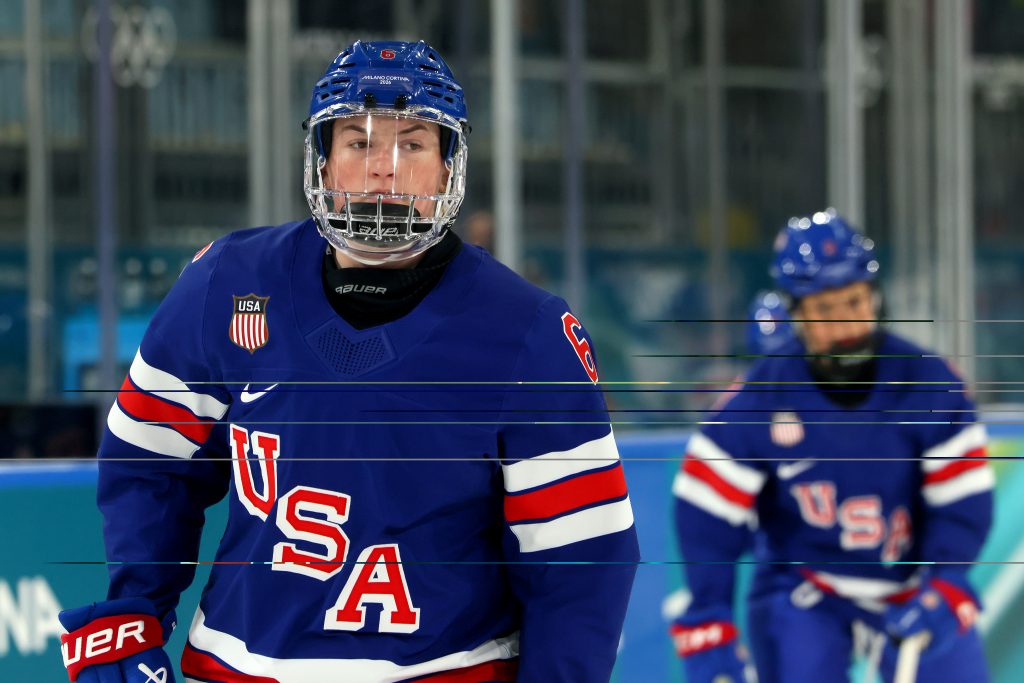
MILAN, ITALY – FEBRUARY 07: Rory Guilday #6 of Team United States looks on in the first period during the Women’s Preliminary Round Group A match between Finland and United States on day one of the Milano Cortina 2026 Winter Olympic games at Milano Rho Ice Hockey Arena on February 07, 2026 in Milan, Italy. (Photo by Bruce Bennett/Getty Images)
Researchers who studied aggressive low-grade optic nerve glioma in adults in Neuro-Ophthalmology, “Primary optic nerve gliomas are most commonly benign pilocytic astrocytomas occurring in childhood.” They add that without treatment, optic gliomas can progress aggressively and if they become cancerous, can cause “rapid infiltration of the chiasm, blindness, and death typically within months.”
Researchers in CNS Oncology say observation, surgery, chemotherapy, and radiation are standard treatment options.
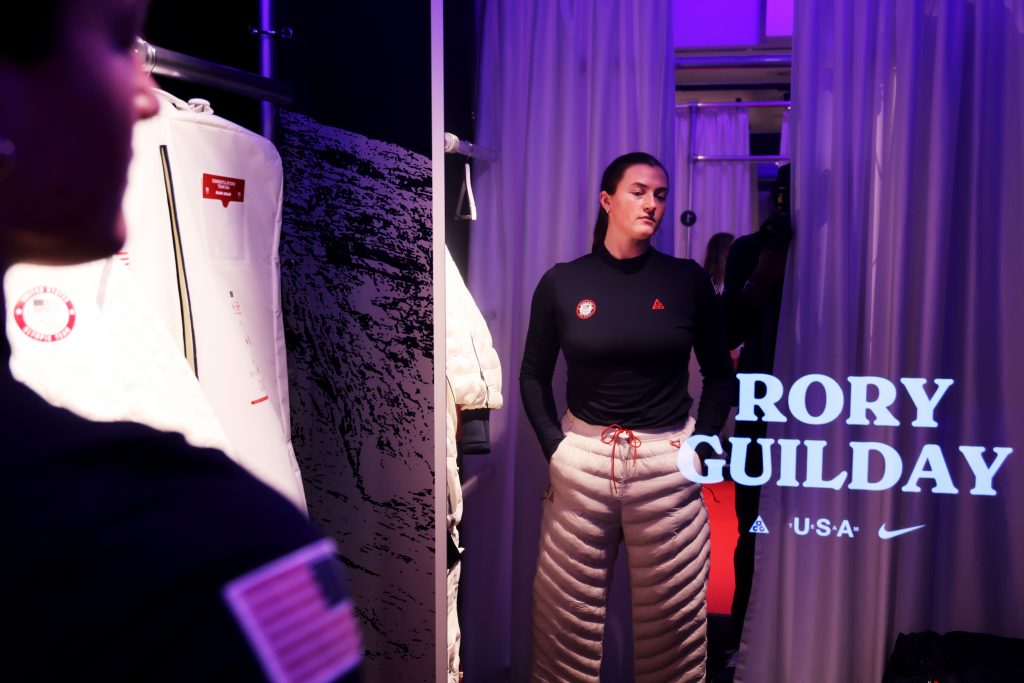
MILAN, ITALY – JANUARY 30: Rory Guilday of Team United States attends the Team USA Welcome Experience on January 30, 2026, in Milan, Italy. (Photo by Joe Scarnici/Getty Images for USOPC)
Chemotherapy stops cancerous cells from growing, dividing, and spreading to other organs. It works by traveling through the bloodstream and killing cancerous cells. However, the process also impacts healthy cells, leading to the grueling side effects we’ve come to know.
“Chemotherapy is not something that’s enjoyable. It’s really hard on the body and soul, and the people around you,” Guilday said.
As treatment progressed, she lost strength, and the sport that had always defined her suddenly felt out of reach.
“Skating was my identity when I was younger. So when I started chemotherapy and stepped onto the ice and felt like I couldn’t hold myself up with my ankles, that was super devastating,” she recalled.
Over nine months of chemo, Guilday adapted to her changing vision. With the tumor affecting her right eye, she learned to rely almost entirely on her left.
“I have, like, 20/15 vision in my left eye now, so I call it my eagle eye,” she joked.
When treatment ended, she returned to hockey — this time with a deeper sense of gratitude for every moment on the ice.
“It makes you really appreciate when you do get to play,” she said.
Expert Resources for Patients Dealing With Chemotherapy
Chemotherapy is an effective tool for oncologists to help treat cancer by stopping cancerous cells from growing, dividing, and spreading to other organs. Chemo works by traveling through the bloodstream, killing cancerous cells. However, the process also impacts healthy cells, leading to side effects.
Patients almost universally experience fatigue, often alongside gastrointestinal side effects, such as nausea. Doctors have many effective medications to combat chemo-induced nausea. “But mitigating that fatigue often depends on the patient,” says Dr. Renata Urban, a gynecologic oncologist at the University of Washington in Seattle.
WATCH: What You Think You Know About Chemotherapy Side Effects May Be Wrong
“Neuropathy is probably one of the most challenging side effects,” says Dr. Renata Urban, a gynecologic oncologist at the University of Washington in Seattle. Neuropathy results from damage to the peripheral nerves. It usually resolves after chemotherapy treatment, but sometimes symptoms can persist. While it’s typically characterized by numbness or a pins-and-needles sensation in the hands and feet, neuropathy can have several different symptoms, including:
Weakness in the hands or feet
Stabbing or burning pain in the hands or feet
Difficulty gripping, such as when holding a fork
Difficulty with fine motor skills, such as writing or buttoning a shirt
Nausea and vomiting are common side effects of chemotherapy. When chemotherapy affects the rapidly dividing cells in the stomach lining, the resulting cellular havoc in the gastrointestinal tract can lead to side effects such as nausea and vomiting. However, doctors can help patients mitigate the hit with various medications before, during, and after treatment.
“Part of the chemotherapy prescription includes a set regimen of anti-nausea medications,” says Dr. Renata Urban, a gynecologic oncologist at the University of Washington in Seattle. “We also ensure that patients have medications at home that they can use should they develop nausea after treatment.”
Hair loss is another side effect of chemotherapy.
WATCH: Coping with hair loss.
“For cancer patients, losing one’s hair can be unbelievably stressful. To start with, the dread of losing one’s hair can lead to some sleepless nights and feelings of anxiety,” Dr. Samantha Boardman, a New York-based psychiatrist and author, told SurvivorNet.
Chemotherapy can cause hair loss. It usually begins about three to four weeks after chemotherapy and continues throughout treatment.
It happens because this treatment targets quickly dividing cells throughout the body. That includes cancer cells but also hair cells.
Most patients can expect regrowth four to six weeks after treatment. However, it is possible that when your hair grows back, you may notice some changes in its color and texture.
Doctors don’t have an arsenal of prescription medications to combat fatigue. However, you can do several things to help minimize the hit and restore your energy.
Exercise: While it may be counterintuitive, physical activity can help alleviate side effects, especially fatigue. “Although ovarian cancer is not common, we often draw upon the experience of patients with breast cancer and colon cancer, who have shown that physical activity can not only improve quality of life but may also have beneficial impacts on cancer outcomes,” Dr. Urban says.
Eat well: Even though nausea may interfere with your ability to eat a healthy diet, it’s essential to ensure you’re eating appropriately, getting enough protein, and not losing weight. Not only will nourishing your body support your recovery, but it may also help you feel more energized.
Sleep: Want to mitigate fatigue? Be sure to maintain your regular sleep-wake cycle while on treatment. Sticking to a set sleep schedule helps reduce fatigue by ensuring enough hours for your body to heal and restore itself each night. It may also help you recover more quickly by keeping energy levels high during the daytime.
Questions for Your Doctor
If you are undergoing chemotherapy and anticipate doing so in the future, you may want to begin conversations with your doctor about how to manage it best. Here are a few questions to help you kickstart your discussion.
How can I best prepare for chemotherapy to minimize side effects?
Are there any dietary or lifestyle changes I should make during treatment?
What symptoms should I watch out for, and when should I contact you if I experience them?
Are there any medications or supplements that can help manage chemotherapy side effects?
How often will I need to receive chemotherapy, and how long will the treatment last?
How will chemotherapy affect my immune system, and what precautions should I take to avoid infections?
Can you provide resources or referrals to support services, such as counseling or support groups, for coping with the emotional and psychological aspects of chemotherapy?