
Navigating Your Mental Health Journey Alongside Your Cancer Journey
- HGTV’s Clea Shearer, 43, says the emotional toll of breast cancer didn’t end when treatment did—and in many ways, it matched the physical pain. By speaking openly about the psychological aftermath, she hopes to break the silence and reduce the stigma survivors often face.
- “You ring the bell… but you still deal with quite a lot,” she shared, comparing the post-treatment phase to postpartum recovery.
- Her story echoes research showing up to 40% of cancer patients face mental health challenges, especially in later stages or recovery, according to research published in Epidemiology and Psychiatric Sciences.
- Shearer was diagnosed with stage 2 breast cancer in 2022 when doctors discovered the cancer had spread to one of her lymph nodes.
- Shearer underwent treatment, which included a double mastectomy followed by chemotherapy and radiation, during which she also experienced hair loss.
“The physical ramifications of cancer are equal to the emotional toll,” Shearer told News 12 Hudson Valley. “For me, they went hand in hand.”
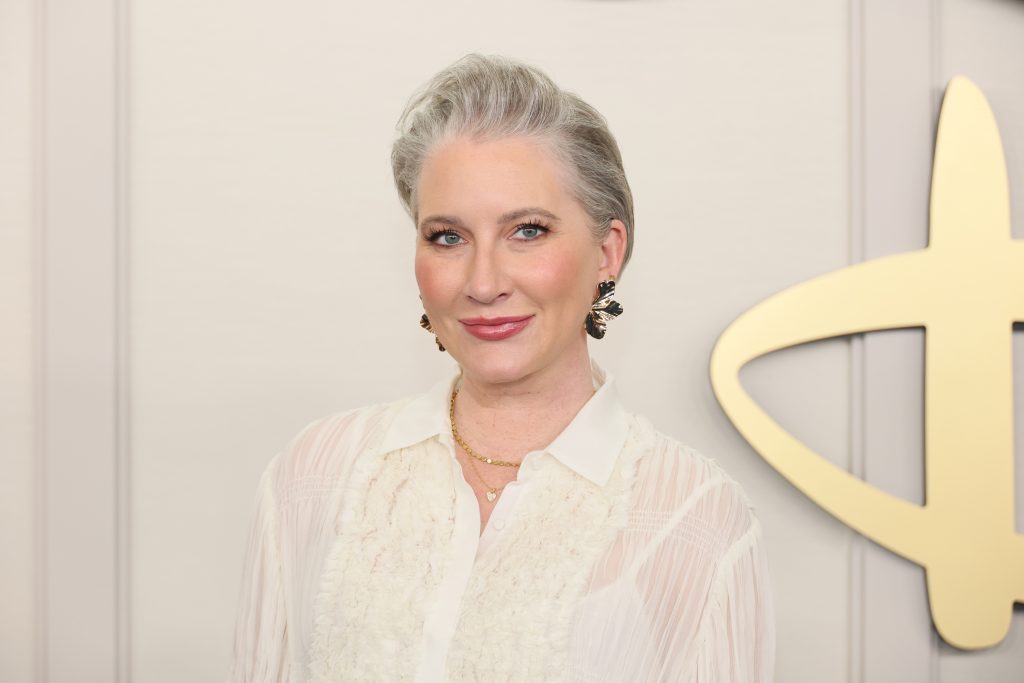
“You ring the bell, and you’re like, This is the happiest moment of my life, but you still deal with quite a lot,” she said.
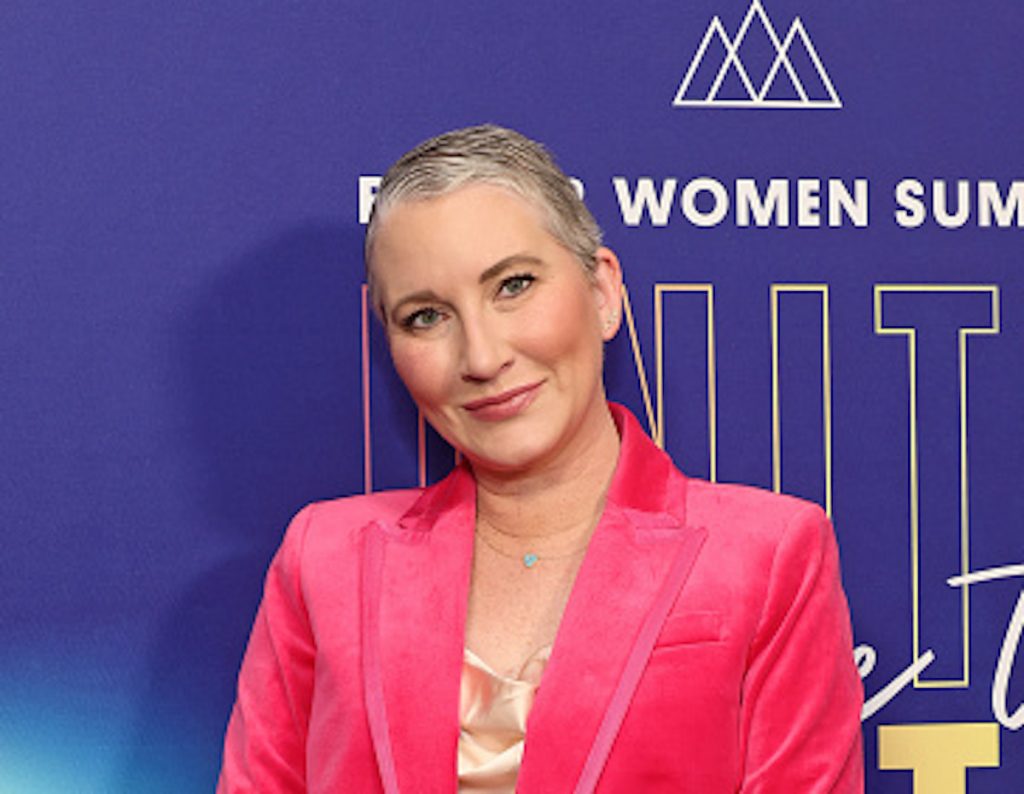
“You’ve been through war, and it’s hard to just flip a switch and all of a sudden feel better. I think that feeling is more common than not, and there’s no shame in going through it. Ringing the bell doesn’t change everything that just happened to you,” she continued.
Her reflections echo findings from Epidemiology and Psychiatric Sciences, which report that 35 to 40 percent of cancer patients experience diagnosable psychiatric disorders. The emotional toll is even greater among those with advanced-stage cancer or in palliative care settings.
By speaking out, Shearer is helping normalize more patients and their supporters openly discussing the mental health impact of a diagnosis by reminding others that healing isn’t just physical.
Resources to Help Patients Cope With Their Emotions
- 7 Simple Tips People With Cancer Can Do To Care For Their Mental Health and Manage Stress
- How to Be Realistically Optimistic: Coping With Mental Health Long-Term
- How to Handle the Emotional Toll of Caring for a Loved One: Prioritizing Your Mental Health
- Mental Health and Cancer — The Fight, Flight or Freeze Response
- Mental Health: Coping With Feelings of Anger
Coping With Your Mental Health After a Diagnosis
According to Mental Health America, “56% of adults with a mental illness receive no treatment, and over 27 million individuals experiencing a mental illness are going untreated.”
While millions of people have unmet mental health needs, the need for mental health resources is even greater among cancer patients and their families.
Research published in Epidemiology and Psychiatric Sciences found that “35 to 40 percent of cancer patients have a diagnosable psychiatric disorder,” and the number of people experiencing mental health challenges is “higher among cancer patients with advanced stages of cancer and in palliative care settings.”
WATCH: How Genetic Testing Can Help Determine the Right Form of Mental Health Treatment.
Dr. Asher Aladjem, a board-certified psychiatrist at NYU Langone, tells SurvivorNet, “Anxiety is a protective and normal kind of symptom.”
“Sometimes the anxiety gets to the point that things stand in the way of the scan or whatever the test is, and people avoid it and run away from it. Treating the anxiety allows for the completion of the workup or the treatment or whatever the situation may be in a much more effective way,” Dr. Aladjem said.
Dr. Alagjem encourages patients to advocate for their mental health. He reminds us that even if mental health services are not offered while undergoing physical treatment for a diagnosis, patients can still ask their care team about them.
“We are trying to advocate for patients to be able to get the services that they need with whatever support they may need – whether it’s medications or therapy or nursing staff,” Dr. Alagjem added.
Clea’s Cancer Journey
Shearer’s cancer journey began early last year after discovering a lump.
“I found a lump myself (in) the last week of February,” Shearer posted to Instagram.
View this post on Instagram
“I had been trying to make an appointment with my OB(GYN) for several months, and even when I told them I found a lump, they couldn’t accommodate me. I had to request a mammogram from my general doctor, which led to an ultrasound and then an emergency triple biopsy,” she added.
She would later be diagnosed with breast cancer, but the popular star chose to share the intimate news with her millions of followers on social media. She was initially told her cancer was stage 1, but during the nine-hour surgery in April 2022, doctors found cancer in one of her lymph nodes, which elevated the cancer to stage 2.
Shearer was diagnosed with “aggressive and fast-moving” breast cancer, but she thankfully “caught it early.”
She had two tumors, one measuring 2 centimeters in size and the other 3 centimeters.
WATCH: Treatment for early-stage breast cancers.
Early-stage breast cancer means that there’s a small tumor in the breast and that there are no lymph nodes affected.
“For stage one breast cancer, the first step is to remove the cancer. If a woman needs a lumpectomy, most often, she will have radiation after that.
“In some instances, depending on her age, she may not need radiation,” she added.
“Depending on the size and other features such as family history, a patient may opt for more aggressive surgery. So even for an early-stage 1 breast cancer, a woman may elect a mastectomy to remove her whole breast. Then, once that surgery happens, a pathologist is able to look at that tissue underneath the microscope and decide what treatment a woman needs after the surgery has removed it.”
Shearer underwent treatment, which included a double mastectomy.
WATCH: Understanding a double mastectomy.
Shearer’s treatment also included both chemotherapy and radiation. During chemotherapy, patients receive cancer-killing drugs either orally or intravenously. Radiation therapy is also aimed at killing cancer cells, except it’s administered using high-energy X-ray beams aimed at cancer cells.
Shearer’s first round of chemotherapy occurred in May 2022. However, a common side effect of chemotherapy is hair loss, and the reality TV star also experienced it during this emotional phase of the journey.
“Very short hair, and really don’t care,” she wrote in an Instagram post about a week after cutting all her hair off. “This first round of chemo has been a lot, both physically and mentally. It wiped me out for a few days, but it makes the good days feel that much better.”
WATCH: Coping With Hair Loss & the Anxiety it Brings.
Chemotherapy can cause hair loss. It usually begins about three to four weeks after starting chemotherapy and continues throughout treatment.
This happens because this treatment targets quickly dividing cells throughout the body, including cancer cells and hair cells.
Radiation is another treatment that can lead to hair loss if the hair is in the path of the tumor being treated. Radiation for a brain tumor, for example, may cause hair loss.
“If you do lose hair, it will regrow several weeks or months after treatment,” radiation oncologist Dr. James Taylor told SurvivorNet. “Fortunately, for most patients, hair loss is not a concern when having radiation therapy.”
Fortunately, hair loss during cancer treatment is not all bad news. Most people can expect regrowth four to six weeks after treatment. However, when your hair grows back, you may notice some changes in its color and texture.
If losing your hair is a concern for you before cancer treatment, know you have options like wigs, hats, wraps, and scarves, among other things.
In November 2022, Shearer revealed she was “cancer-free”; however, she still undergoes regular checks to ensure the cancer has not returned. This stage of the cancer journey, called survivorship, can be equally filled with anxiety as concerns may grow if a recurrence (cancer returning) is taking shape.
Help Coping With a Breast Cancer Diagnosis
If you are facing a cancer diagnosis, your emotions are likely to run high, which is completely normal. Psychiatrist Dr. Lori Plutchik says emotions are often fluid when coping with a diagnosis.
“The patient or person going through the stressful event should accept that emotions will be fluid. You may feel fine one day and then feel a massive wave of stress the next. It’s also important for those you look to for support, whether that’s a therapist, friends, and family, or both, to understand the fluidity of stress-related emotions,” Dr. Plutchik said.
WATCH: How to cope with complex and changing emotions.
If a stressful event affects how you think and feel, it may be time to seek mental health treatment. This could mean traditional talk therapy, medication, changing lifestyle habits (like exercise and diet), seeking a support group, or many other approaches.
SurvivorNet experts suggest women needing a little extra help coping with a breast cancer diagnosis.
- Let your family and close friends know, and let them help. So many cancer survivors tell us they want and need support, but are often too preoccupied to make specific requests. Urge those close to you to jump in with whatever practical help they can offer.
- Keep a journal. It can be extremely cathartic to let those feelings loose on paper. Grab a pen and a nice journal and chronicle your thoughts throughout the day.
- Join a cancer support group. Groups in nearly every community offer opportunities to connect with others going through a similar journey. You’ll learn constructive insight from others who can tell you what to expect and how to stay strong on tough days.
- Consider seeing a therapist. Ask your doctor to refer you to a therapist so you can discuss your fears and concerns in a safe space. Often, vocalizing your thoughts and feelings rather than internalizing them can provide relief.
Questions to Ask Your Doctor
If you’re going through cancer treatment and experiencing hair loss, here are some questions you may consider asking your doctor:
- Are there any treatments to help manage or minimize my hair loss?
- What are scalp-cooling devices, and how do they work?
- Do you recommend scalp-cooling devices?
- What other options are available to help me cope with hair loss?
- Can you recommend a wig maker?
- I’m struggling mentally with my hair loss; can you recommend a therapist to talk to?
- How can I find a local support group with people going through similar things?
Learn more about SurvivorNet's rigorous medical review process.


