Cancer vs. IBS: Knowing the Difference
- Bri Mahon, 31, originally thought the stomach issues and other concerning symptoms she had were from stress and other conditions. But after testing, the true cause was revealed to be stage 3 colorectal cancer.
- Colorectal cancer symptoms can present as similar to other gastrointestinal problems. It’s important you talk with your doctor about any new, concerning symptoms you are experiencing so they can examine you for any serious diseases, like cancer.
- Gastrointestinal issues like irritable bowel syndrome may come with diarrhea or constipation, bloating, whitish mucus in the stool, and feeling like you haven’t finished a bowel movement.
- However, colorectal cancer may differentiate itself by causing additional symptoms like blood in the stool, weight loss and fatigue.
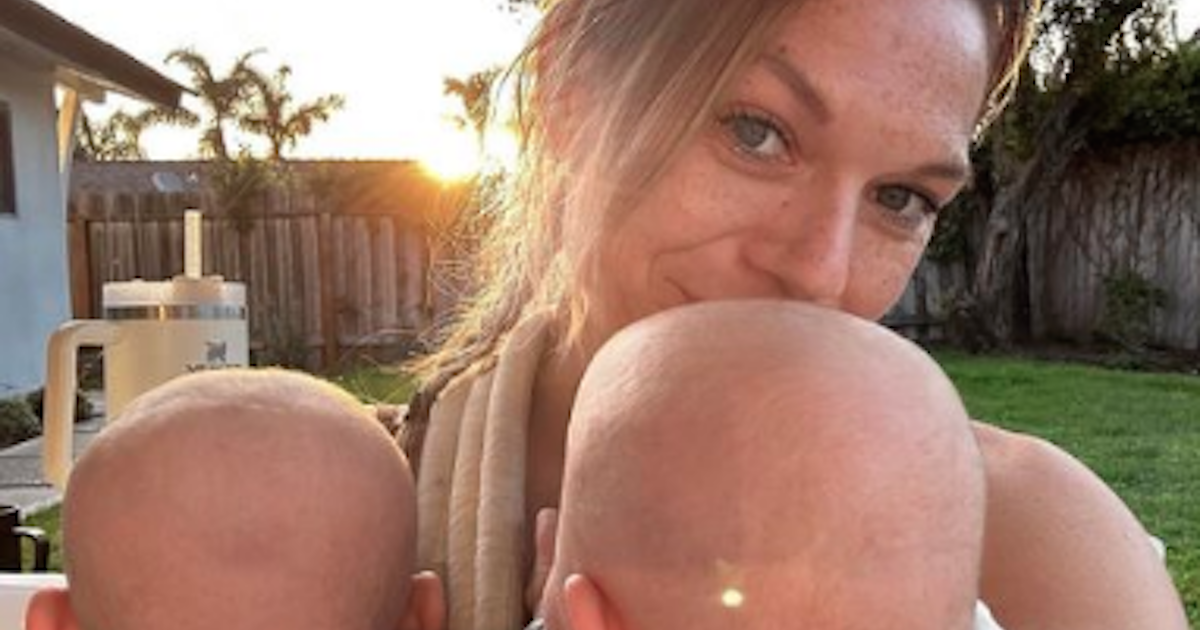
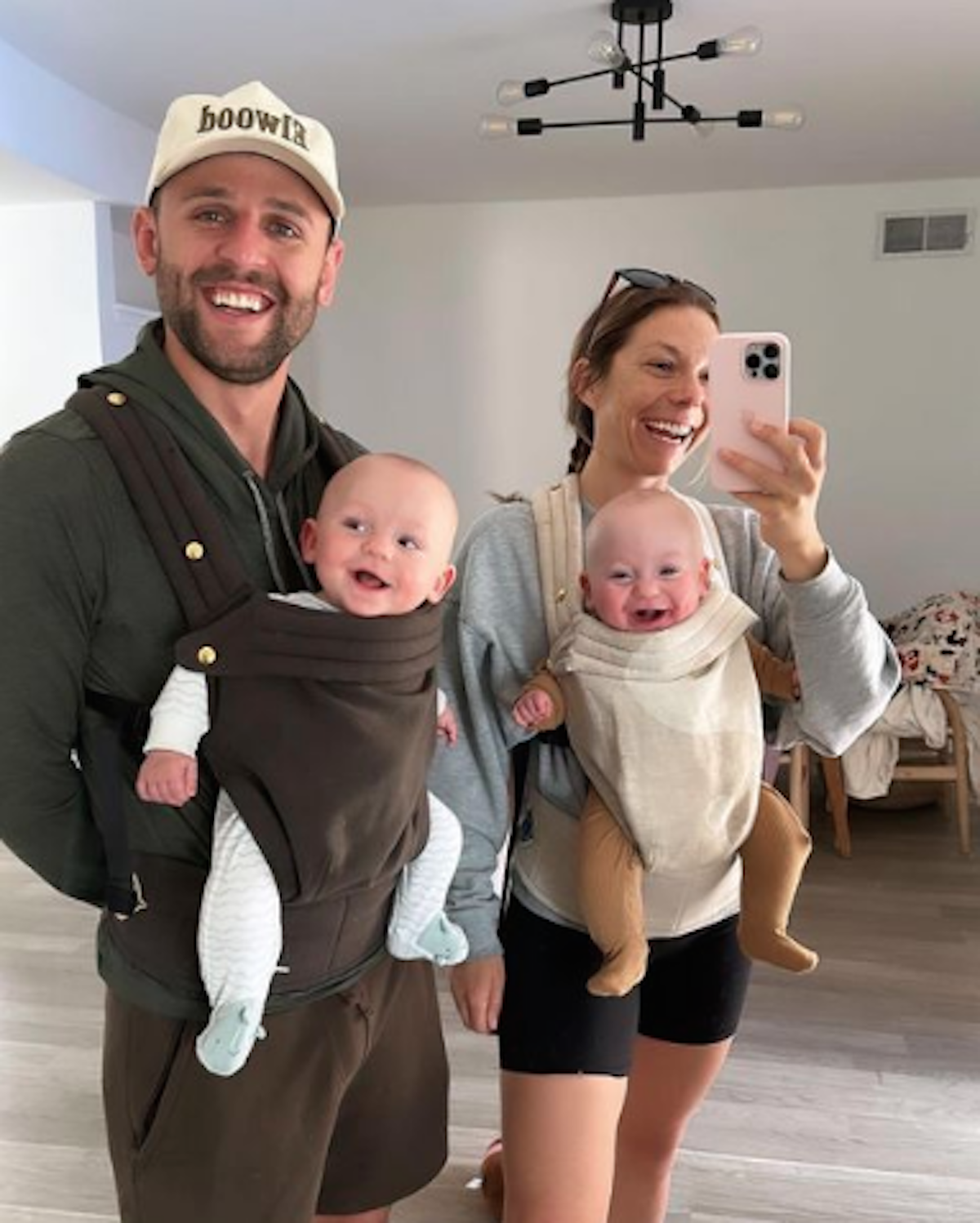
Mahonwho resides in Newport Beach, California, with her husband Blake, and their babies, Brooks and Bankswas ultimately diagnosed with stage three colorectal cancer. Now she’s sharing her story across social media to warn others of the symptoms that led to her diagnosis.
Read More@brimahon my cancer symptoms for getting diagnosed with stage 3 colorectal cancer â¤ï¸ probably a lot of TMI but hopefully this helps someone 🫶 #coloncancerawareness #colorectacancer #fuckcancer #cancersucks #cancerfighter #cancersymptoms ♬ original sound – Bri Mahon | Twin Mama
“And I’ve been very careful with my diet, very clean, have cut out gluten, dairy, soy, taken allergy tests, taken blood tests, and nothing concerning came up,” she said, referring to her white blood cell count, “severe issues” with going to the bathroom. “I was just irritated and bloated a lot.”
She continued, “I started to notice a change in my anxiety and my fatigue about two years ago. I actually had to step back from the work I was doing. I was having panic attacks. I think it was just my body was really, really tired and going through whatever it was going through, growing a tumor.”
Recounting how after she gave birth she noticed blood in her stool, she said, “I thought it was just hemorrhoids from pregnancy, my IBS symptoms were flaring up, and I just kind of thought that was it.”
Despite feeling stressed, fatigued, anxious, and depressed following her pregnancy, she put the symptoms down to her boys being in the NICU. But she grew increasingly concerned when she started noticing more blood in her stool, especially when it turned a darker color.
“My urgency to go to the bathroom was out of control and I would either be insanely constipated or I’d be going to the bathroom and just dark blood would be coming out,” she said, noting that this happened for a few months, prompting her to call her doctor and get referred to a gastroenterologist.
At first, her GI doctor thought she had an autoimmune disease, but a colonoscopy led the doctor to be “pretty confident” she had cancer.
Following the 10 biopsies that were done during the colonoscopy, Mahon learned she had stage 3 colon cancer. She also noted in a recent Instagram story post that her cancer is “fast” growing.
Expert Colon Cancer Resources
- Colon Cancer Symptoms
- How to Approach Treatment for Advanced Colon Cancer
- Colorectal Cancer Is On The Rise in Young Adults — Here’s What We Know
- All Americans Should Begin Colorectal Cancer Screening at Age 45, According to New Guidelines; Previous Age Was 50
- Clinical Trials for Colorectal Cancer Can Offer Cutting-Edge Treatment
Immediately after receiving her diagnosis, Mahon learned how she would be treated, first with chemotherapy and then radiation, followed by surgery to remove the tumor. Prior to starting treatment, Mahon underwent in vitro fertilization (IVF), or harvesting her eggs to be fertilized in a lab and implanted in her or a surrogate’s womb at a later date.
She explained in her most recent Instagram post, “The same day I was diagnosed we met with our fertility doctor and decided to jump in immediately to a cycle of IVF.
Dr. Jaime Knopman On Fertility Preservation After A Cancer Diagnosis.
“Due to the aggressiveness of my cancer- we knew we had ONE chance to get embryos and couldn't do another round of IVF. Delaying cancer treatment further was not an option.”
Mahon is now grateful she was able to get three embryos out of the cycle. “Anyone that has been through the IVF process knows what an emotional hormonal rollercoaster it is. I am so grateful for the most incredible team that expedited this process and made it possible for us to do this. Here's to getting through cancer treatment & celebrating the wins today,” she wrote.
Colon Cancer vs. GI Symptoms
As Bri Mahon showed, colorectal cancer symptoms can present as similar to other gastrointestinal problems. It’s important you talk with your doctor about any new, concerning symptoms you are experiencing so they can examine you for any serious diseases, like cancer.
MORE: Teen Thought Bleeding Was From Hemorrhoids It Was Stage 4 Colon Cancer
Dr. Zuri Murrell told SurvivorNet in an earlier interview, “All colon cancer starts as these small growths called polyps. And these polyps have no signs, no symptoms. The only way you can know you have them is if you do a colonoscopy, and you see them.”
He noted that during the colonoscopy, the polyps can be removed.
Common Misconceptions About Colon Cancer
However, there are key symptoms that should urge you to get checked by a doctor immediately in regard to potential colorectal cancer. These symptoms may include:
- A change in bowel habits
- Blood in your stool
- Change in stool color, such as black or tarry stools
- Change in the size or shape of your bowel movements
- Diarrhea, constipation, or a feeling that you're not completely emptying your bowels
- Persistent abdominal pain
- Unexplained weight loss
- Cramps
- Gas
- Weakness or tiredness
On the other hand, symptoms of IBS may include, according to the National Institute of Health:
- Diarrhea or constipation
- Bloating
- Whitish mucus in the stool
- Feeling like you haven’t finished a bowel movement
As per the Dana-Farber Cancer Institute, while IBS and colorectal cancer share some symptoms, especially in bowel habits, it’s important to know that colorectal cancer differentiates itself with the addition of blood in the stool, weightloss and fatigue.
More Young People Are Getting Colorectal Cancer
It's true that Bri Mahon is young to have colorectal cancer, but research has revealed more and more younger people are being diagnosed with the disease.
According to the American Cancer Society, the average age at the time of diagnosis for colon cancer is 68 for men and 72 for women. For rectal cancer, it is age 63 for both men and women. However, lately, we're seeing a concerning trend of younger people getting colorectal cancer a term used to describe both colon cancer and rectal cancer.
“We know rates are increasing in young people, but it's alarming to see how rapidly the whole patient population is shifting younger, despite shrinking numbers in the overall population,” said Rebecca Siegel, lead author of a recently published report in CA: A Cancer Journal for Clinicians that outlines up-to-date- colorectal cancer statistics.
According to the data in the report, rates of colorectal cancer have been increasing in adults aged 2039 years since the mid-1980s and in those aged 4054 years since the mid-1990s. With "one in five new cases" now occurring in people in their early 50s or younger, we have to address the shifting patient population.
Understanding Colon Cancer
Colon cancer, or colorectal cancer, is a type of cancer that affects your large intestine (colon) or the end of your intestine (rectum). It is the third-most common cancer, according to the American Cancer Society, in people of both genders in the United States, excluding skin cancers.
The cancer starts when abnormal lumps called polyps grow in the colon or rectum. These polyps can sometimes change into cancer if you don't have them removed. It takes up to 10 years for a colon polyp to become full-blown cancer, according to SurvivorNet experts.
Most colon cancers can be prevented if people are regularly screened. The screening usually involves a colonoscopy, in which a long thin tube attached to a camera is used to examine the colon and rectum. If no polyps are discovered, the next screening won't be needed for about 10 years.
“We know that colon cancers can be prevented when polyps are found early,” Dr. Heather Yeo told SurvivorNet. “Lowering the screening age helps somewhat with this, but access to care is a real problem.”
The American Gastrointestinal Association lowered the recommended initial age for a colorectal screening from 50 to 45.
A preliminary staging workup is done after diagnosis with imaging studies, such as a computed tomography (CT) scan, which can show whether the cancer has spread. If you have had surgery to remove your cancer, a pathologist will look at it under a microscope to determine your stage.
- Stage 1 cancers are those in which the tumor has only penetrated the superficial layers of the colon and hasn't gotten into the deeper layers
- Stage 2 cancers involve the deeper layers of the colon wall
- Stage 3 cancers have spread to the lymph nodes around the colon
- Stage 4 cancers have spread to other organs, such as the liver, lungs, or peritoneal cavity (the space in your abdomen that holds your intestines, stomach, and liver)
Be Pushy, Be Your Own Advocate… Don't Settle
Contributing: SurvivorNet Staff
Learn more about SurvivorNet's rigorous medical review process.