
A Mother’s Journey Through Genetic Risk, Cancer, and Unshakeable Resilience
- Diagnosed with Stage 2 invasive lobular carcinoma while also recovering from a serious car accident, TJ Herrera says her children became her “biggest cheerleaders,” helping her stay strong through overlapping crises.
- With a CDH1 gene mutation that raises hereditary cancer risk, Herrera emphasizes teaching her kids to understand their bodies, ask questions, and eventually pursue genetic testing to protect their future health.
- Now one year cancer‑free, Herrera carries a bracelet engraved with “hope, strength, faith, courage,” a daily reminder to keep pushing forward — and to remain a source of resilience for her family, one day at a time.
Herrera, who was diagnosed at 39 with Stage 2 invasive lobular carcinoma and has a CDH1 gene mutation (which significantly elevates the likelihood of lobular breast cancer), said her son and daughter will ultimately need to get genetic testing done later in life to know their cancer risk.
Read MoreGermline testing evaluates a person’s inherited cancer risk using a blood or saliva sample.
“Germline means we’re testing the DNA within the white cells or the buccal mucosa—the lining inside the mouth,” explains Dr. Jeff Jones, Professor of Urology at Baylor College of Medicine. “These are inheritable mutations, something that can be passed from one generation to the next.”
Understanding your family’s medical history plays a major role in determining whether testing is appropriate.
“Asking questions about what might be going on with your aunts, uncles, cousins, grandparents—that’s going to make the process much easier for your genetic counselor and physician,” says Rachel Webster, a genetic counselor at MD Anderson Cancer Center.
If cancer runs in your family, she adds, gathering as much information as possible is essential.
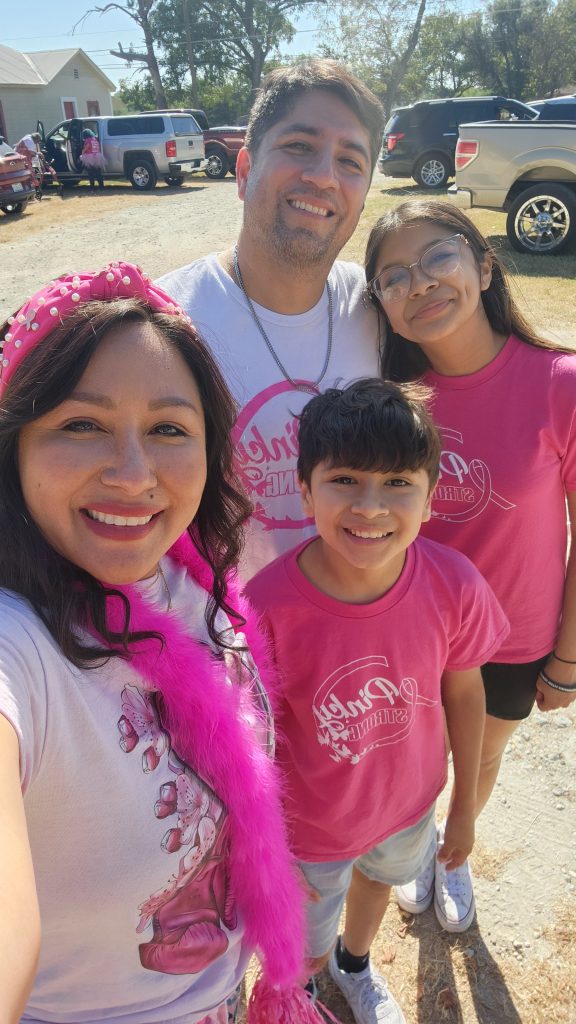
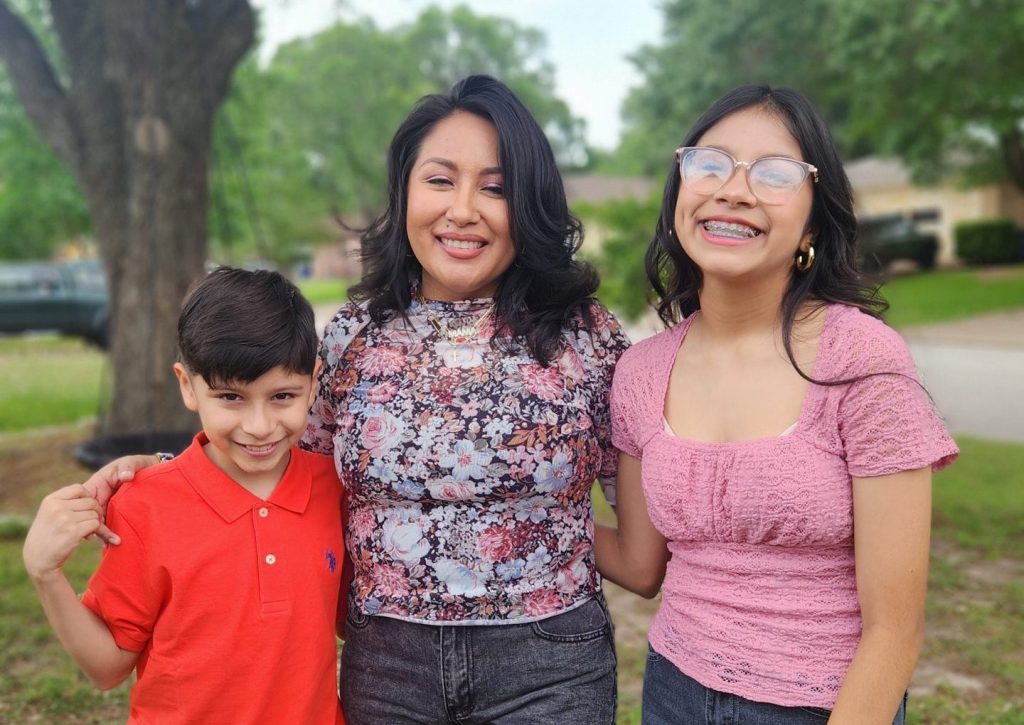
Referring to her daughter and her son, Nico, Herrera says, “I think they’ve seen me through my toughest battles with the accident, with my breast cancer diagnosis. They were always my biggest cheerleaders.”
“They were like, ‘Mommy, you got this. You’re going to do great.’ And if I were to cry, happy tears. They’re like, ‘Mom, those are happy tears. Right?’ They did not want me to be sad.”
Although Herrera feels thankful to be with her loved ones and is relieved that her mom is doing well, she admits her cancer journey makes her feel guilty at times for not managing everyday responsibilities, like washing the dishes. Still, she continues to value her family’s support and the meaningful everyday moments spent with her children.
Herrera, now one year cancer-free, embodies the idea that anything is possible—fulfilling her longtime dream of becoming a hairstylist after spending more than 15 years working in healthcare.
What’s even more incredible is that Herrera was diagnosed with cancer while recovering from a serious car accident, which left her with internal injuries and fractured ribs.
She not only overcame cancer herself, but her mother did as well, diagnosed just five months later—and together, they grew stronger, providing each other unwavering support throughout and after their breast cancer battles.
Telling the group about the one object she frequently keeps with her as a symbol of her resilience is a bracelet with the words hope, strength, faith, and courage.
She explained, “Just wearing this daily to remind myself to have hope, to keep going, and have strength for your children and be courageous every day. To get up and keep pushing through.”
“I’d wear this all the time … and whether I’d be at work, it would start up a conversation. Whether I’d be at church and praying, I would look down and say, Just keep fighting, keep going one day at a time,” she continued.
Expert Resources for Breast Cancer Patients
- ‘A Real Milestone’: FDA Approves New After Surgery Treatment for High-Risk Early Breast Cancer
- Acupuncture Promising for Pain Relief from Some Breast Cancer Treatment
- Advances in Metastatic Breast Cancer Treatments Over the Last Year Offer New Hope for Those Fighting
- An Overview of Breast Cancer Treatment
- Digital Guide: Dr. Yara Abdou Breaks Down Next-Generation Sequencing & Breast Cancer Treatment
- Do You Have HER2-Positive Metastatic Breast Cancer? Here’s A Breakdown Of Some Of Your Treatment Options
Helping Patients Get Answers
Cancer treatment breakthroughs are arriving fast, and for many patients and caregivers, keeping up can feel overwhelming. SurvivorNet’s AI-powered tool, My Health Questions, is built to cut through that complexity by helping people understand what new therapies mean for them and how to talk about their concerns with their care teams.
WATCH: How One Cancer Survivor and Her Sister Used “My Health Questions” to Navigate Care
Embedded throughout the SurvivorNet website, My Health Questions delivers structured, clinically grounded answers based on medical guidelines and expert-reviewed research. Users can type or speak their questions and receive responses tailored to their individual profiles, with suggested prompts available for anyone unsure where to start.
Designed to support both major treatment decisions and everyday concerns, the tool is backed by leading oncology specialists. Its purpose is to complement conversations with clinicians — helping patients arrive at appointments more informed, more prepared, and more confident.
As SurvivorNet expands its patient-focused resources, My Health Questions represents a major step forward in how technology can support people navigating cancer.
Learn more about SurvivorNet's rigorous medical review process.


