
Leaning on Loved Ones to Get Through Your Diagnosis
- HGTV Star Charlie Kawas, 44, revealed his testicular cancer battle, while highlighting the crucial support his wife provided throughout treatment until he reached remission.
- Testicular cancer is highly treatable, with a 5‑year survival rate of about 95%, and early‑stage disease is often cured through orchiectomy, according to the American Society of Clinical Oncology Journal.
- Caregiver support can be pivotal during treatment, as Dr. Kieron Dunleavy, hematologist at MedStar Georgetown University Hospital, Georgetown Lombardi Comprehensive Cancer Center, notes, “checking in more than less” can make a meaningful difference in how patients cope.
- Testicular cancer begins in the cells that make sperm. Fortunately for men with this kind of cancer, “it can be cured, even if diagnosed at an advanced stage,” according to the National Cancer Institute.
- “It’s not uncommon to see men come in with masses on their scrotum and have inflammation of the scrotal wall; they develop pain as a result. A lump is the most common symptom of testicular cancer,” Dr. Edwin Posadas, the medical director of the Urologic Oncology Program at Cedars-Sinai Cancer, says.
The father of two opened up about his private battle on Instagram, and when he did, he didn’t just describe what he endured. He highlighted who carried him through it.

Stage 2 disease can often be treated without chemotherapy or radiation by relying on retroperitoneal lymph node dissection, sparing patients the harsher side effects of chemo and radiotherapy. Fertility concerns can also be part of the conversation for some men. For others, chemotherapy remains a necessary part of treatment.
Advanced testicular cancer usually involves chemotherapy followed by surgery, though care teams tailor treatment to each patient’s specific cancer.

“My wife [Pierra] held the fort down and gave me the support I needed,” Kawas wrote on Instagram, calling the experience long and difficult, but emphasizing that he fought through it and refused to let the disease take over his mindset.
His tribute to his wife underscores the often‑invisible role caregivers play in cancer treatment.
Partners and family members frequently manage appointments, medications, household responsibilities, and emotional support all while navigating their own fear and exhaustion.
Experts at SurvivorNet have noted that this kind of steady, compassionate presence can meaningfully shape how patients cope with treatment.
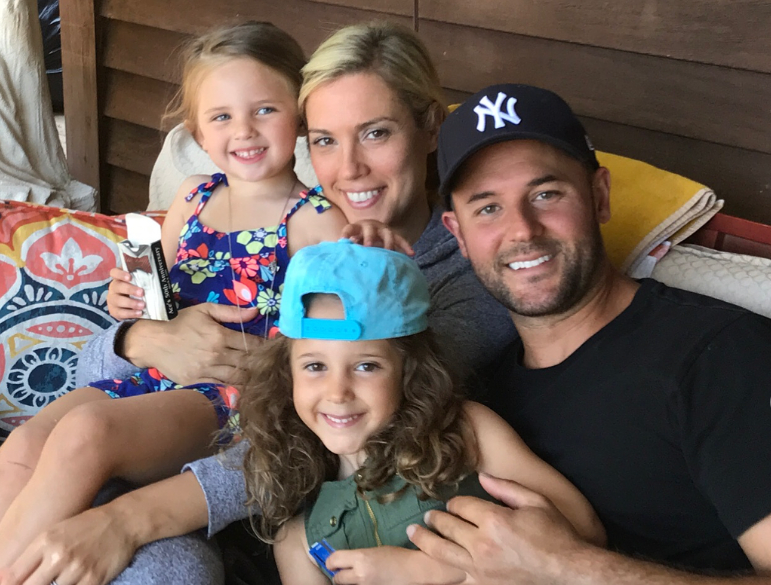
“I think as caregivers, checking in with them more frequently at the very beginning and getting a sense of how they’re doing and what their needs are is important,” Dr. Kieron Dunleavy, a medical oncologist and hematologist at MedStar Georgetown University Hospital, Georgetown Lombardi Comprehensive Cancer Center in Washington, D.C., tells SurvivorNet.
“I think it’s better to check in more than less. Even if you check in too much, that’s okay, as opposed to checking in less.”
Kawas says he’s now in remission, though he’s still slowly rebuilding his strength.

“Cancer can be a touchy subject for some people, so I also wanted to give you a heads‑up that it will be included in season one. You will see the hair loss, the weight loss, and some of the process.”
Helpful Resources to Help Patients Navigate Chemothreapy
- ‘Acknowledging the Grief’ – Losing Your Hair During Chemotherapy
- ‘Chemo Nails’– An Unpleasant Side Effect for Breast Cancer Patients That No One Wants to Talk About
- Chemotherapy Side Effects – Constipation
- Chemotherapy Side Effects – Nausea
- Chemotherapy Side Effects – Hair Loss
- Chemotherapy Side Effects – Neuropathy
How To Help A Loved One Diagnosed With Cancer
After a cancer diagnosis, it’s natural for spouses to grapple with a whirlwind of emotions — anger, grief, anxiety, and beyond. The journey ahead can feel overwhelming, but it’s important to remember that a cancer diagnosis is not a death sentence. There are strategies to navigate uncertainty, find support, and face challenges with resilience.
Some popular approaches, backed by research and many anecdotal accounts, include:
- Talking to a therapist to share feelings you’re going through
- Having candid conversations with your loved one about the diagnosis
- Researching the disease together to learn about available treatment options
- Joining a support group or connecting with others who have gone through, or are going through, the same experience
The Role of a Caregiver
SurvivorNet has spoken with a collection of expert oncologists, social workers, and patient advocates to provide a helpful list of how cancer caregivers can help throughout the treatment journey and beyond.
Attend Doctor Visits
Throughout the treatment process, the patient will often receive a large amount of information at once. As a caregiver, attending as many doctor visits as possible can help a lot. This lets you take notes on treatment options, protocols, needed lifestyle changes, and more.
Connect With a Social Worker or Patient Navigator
Ask for the patient’s medical team to connect you with a patient navigator or social worker. Many hospitals and cancer centers have specialized staff who can connect you with additional resources, including arranging transportation to and from doctor appointments, assisting with insurance claims, and more.
WATCH: How Patient Navigators Can Help
“Patient navigators can function differently at different hospitals,” Dr. Kathie-Ann Joseph, a surgical oncologist at NYU Langone Health’s Perlmutter Cancer Center, told SurvivorNet.
“We have a really wonderful program at [NYU] where we use lay navigators, meaning they’re not nurses — although you can use nurses or social workers, who pretty much help newly diagnosed cancer patients through the continuum of care,” Dr. Joseph added.
Additional services patient navigators may provide include:
- Attending future appointments with you
- Providing an assessment for the next steps of care
- Assisting with housing, transportation, or immigration issues
- Helping with financial issues
- Providing direction on legal issues
Helping the Patient Keep Track of Their Symptoms
As mind-boggling as a cancer diagnosis can be for a spouse or loved one, it’s likely more stressful for the patient.
Sometimes, it is easier for the caregiver to monitor the patient’s symptoms than for the patient. Try to maintain an open line of communication and encourage your loved one to share their feelings regularly to help monitor symptoms.
Let the Patient Speak for Themselves Whenever Possible
As a caregiver, your role is to be the best advocate possible for the patient. While assisting with various tasks, it is essential to let them maintain a sense of independence whenever possible. Cancer caregivers can help track symptoms, navigate finances, and manage emotions—but they should also let the person they are caring for speak up about what they genuinely need throughout the process.
“Some of the best examples that I have seen in caregivers are those spouses or loved ones who really, almost sit back and allow the patient, or they want the patient to express what the patient feels first, rather than barging in,” gynecologic oncologist Dr. Jayanthi Lea told SurvivorNet.
“…Step back a little bit and let the patient speak for themselves. Let them express what they are feeling. That is so important for the patient’s overall quality of life and well-being,” Dr. Lea added.
Better Understanding Testicular Cancer
A testicular cancer diagnosis is rare, but it is the most common form of cancer diagnosed in young men.
Depending on the stage, the disease is considered highly treatable. Treatment options can include chemotherapy and radiation, but often, the first line of treatment is surgery to remove the testicle, which contains the cancerous cells.
Symptoms of testicular cancer can be subtle. Some people may even confuse the early symptoms, such as a small mass in their testicle, with an injury. But when these signs are dismissed, the cancer can grow and become worse.
Dr. Edwin Posadas, the medical director of the Urologic Oncology Program at Cedars-Sinai Cancer, previously told SurvivorNet that some men may even notice blood in their ejaculate as a result of testicular cancer. “This symptom is less common but always bad,” he said.
“It’s not uncommon to see men come in with masses on their scrotum and have inflammation of the scrotal wall; they develop pain as a result. A lump is the most common symptom of testicular cancer,” Dr. Posadas adds.
Men should regularly conduct self-exams of their testicles for anything unusual.
Testicular Cancer symptoms can include:
- Breast growth or soreness
- Early puberty in boys
- Low back pain (a potential symptom of advanced testicular cancer)
- Shortness of breath, chest pain, or a cough (a possible symptom of advanced testicular cancer)
- Belly pain (a possible symptom of advanced testicular cancer)
- Headaches or confusion (a possible symptom of advanced testicular cancer)
Coping With Chemotherapy Side Effects
Chemotherapy is an effective tool for oncologists to help treat cancer by stopping cancerous cells from growing, dividing, and spreading to other organs. Chemo works by traveling through the bloodstream, killing cancerous cells. However, healthy cells are also impacted in the process, leading to side effects.
Patients almost universally experience fatigue, often alongside gastrointestinal side effects, such as nausea. Doctors have many effective medications to combat chemo-induced nausea. “But mitigating that fatigue often depends on the patient,” says Dr. Renata Urban, a gynecologic oncologist at the University of Washington in Seattle.
“Neuropathy is probably one of the most challenging side effects,” says Dr. Urban. Neuropathy results from damage to the peripheral nerves. It usually resolves after chemotherapy treatment, but sometimes symptoms can persist. While it’s typically characterized by numbness or a pins-and-needles sensation in the hands and feet, neuropathy can have several different symptoms, including:
- Weakness in the hands or feet
- Stabbing or burning pain in the hands or feet
- Difficulty gripping, such as when holding a fork
- Difficulty with fine motor skills, such as writing or buttoning a shirt
Nausea and vomiting are common side effects of chemotherapy. When chemotherapy affects the rapidly dividing cells in the lining of the stomach, the resulting cellular havoc in the gastrointestinal tract can lead to side effects such as nausea and vomiting. However, doctors can help patients mitigate the hit with various medications before, during, and after treatment.
“Part of the chemotherapy prescription includes a set regimen of anti-nausea medications,” says Dr. Urban. “We also ensure that patients have medications at home that they can use should they develop nausea after treatment.”
Hair loss is another side effect of chemotherapy.
WATCH: Coping with hair loss.
“For cancer patients, losing one’s hair can be unbelievably stressful. To start with, the dread of losing one’s hair can lead to some sleepless nights and feelings of anxiety,” Dr. Samantha Boardman, a New York-based psychiatrist and author, told SurvivorNet.
Chemotherapy can cause hair loss. It usually begins about three to four weeks after chemotherapy and continues throughout treatment.
It happens because this treatment targets quickly dividing cells throughout the body. That includes cancer cells but also hair cells.
Most patients can expect regrowth four to six weeks after treatment. However, it is possible that when your hair grows back, you may notice some changes in its color and texture.
Tips for Navigating Chemo Side Effects
When dealing with fatigue, doctors don’t have an arsenal of weapons to combat fatigue in terms of prescription medications. However, you can do several things to help minimize the hit and restore your energy.
- Exercise: While it may be counterintuitive, physical activity can help alleviate side effects, especially fatigue. “Although ovarian cancer is not common, we often draw upon the experience of patients with breast cancer and colon cancer, who have shown that physical activity can not only improve quality of life but may also have beneficial impacts on cancer outcomes,” Dr. Urban says.
- Eat well: Even though nausea may interfere with your ability to eat a healthy diet, it’s essential to ensure you’re eating appropriately, getting enough protein, and not losing weight. Not only will nourishing your body support your recovery, but it may also help you feel more energized.
- Sleep: Want to mitigate fatigue? Be sure to maintain your regular sleep-wake cycle while on treatment. Sticking to a set sleep schedule helps reduce fatigue by ensuring enough hours for your body to heal and restore itself each night. It may also help you recover more quickly by keeping energy levels high during the daytime.
Treating Neuropathy Symptoms
Doctors have several strategies for helping patients deal with this side effect. Once a patient begins experiencing the symptoms of neuropathy, they’ll be carefully monitored to make sure it doesn’t get worse. Before each chemotherapy infusion, the attending oncologist will assess whether the symptoms have progressed. If the symptoms worsen, they may adjust the dose or delay treatment. They may also try switching to another chemotherapy drug.
How to Get a Handle on Nausea
Most of these anti-nausea medications last for more than eight hours. One of the infusions commonly used reduces the degree of nausea for up to three days.
Complementary approaches may also be helpful. A few favorites:
- Ginger: Studies consistently show that ginger helps alleviate chemotherapy-induced nausea. The powerful herb appears to have an anti-spasmodic effect on the gut. Not a fan of raw ginger? Suck on ginger candy, sip ginger ale, or make a steaming cup of ginger tea.
- Pressure bracelets: at your local pharmacy, these bracelets provide consistent pressure on a particular acupressure point on the wrist to reduce nausea.
- Deep breathing: Moving air in and out of your lungs with a few deep breaths can help relieve nausea, particularly if you pair deep breathing exercises with meditation. It can also help you relax and release stress and anxiety.
WATCH: Managing chemo side effects.
Coping with Hair Loss
If losing your hair is a concern for you before cancer treatment, know you have options like wigs, hats, wraps, and scarves, among other things.
Another option that can minimize hair loss is cryotherapy, “just a fancy way for saying cold therapy,” says Dr. Renata Urban, gynecologic oncologist at the University of Washington in Seattle.
Cryotherapy involves wearing cold caps or special cooling caps before, during, and after each chemotherapy treatment.
Questions for Your Doctor
If you are facing testicular cancer and want to understand your diagnosis better, consider the following questions for your doctor.
- Has my testicular cancer spread beyond the testicle?
- What stage is my cancer in?
- What other tests should I expect as I continue learning more about the disease?
- What are my treatment options?
- What side effects should I expect with the recommended treatment?
Learn more about SurvivorNet's rigorous medical review process.


