Understanding The Complexities Of Surgery For Glioma
- Diffuse gliomas spread subtly through the brain, so when thinking about surgery, traditional ideas about “removing a lump” don’t quite apply.
- With low-grade gliomas, where surgery may be an option, removal of most of the cancerous material is often possible, Dr. Rafael Vega, a neurosurgical oncologist at Harvard Medical School in Boston, tells SurvivorNet.
- Because diffuse gliomas are infiltrative, even the most skilled surgery can’t guarantee total eradication of every abnormal cell. The goal is typically maximal safe resection, which means removing as much visible tumor as possible while protecting brain function.
- Surgeons may also perform a supramarginal resection, which means going just a bit beyond what looks abnormal to remove any microscopic cancerous material.
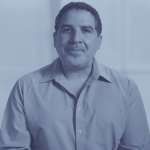
Diffuse glioma surgery involves peeling away as much abnormal tissue as possible, Dr. Rafael Vega, a neurosurgical oncologist at Harvard Medical School in Boston, tells SurvivorNet. With low-grade gliomas, where surgery may be an option, removal of most of the cancerous material is often possible, he says.
Read MoreWhat Makes Diffuse Gliomas Different
Unlike many brain tumors, diffuse gliomas don’t push aside healthy tissue and form a clean border. Their cells infiltrate — weaving through and between normal brain tissue. That “blurred edge” makes it nearly impossible to draw a perfect line between tumor and healthy brain. For this reason, most brain tumor guidelines recommend a strategy called “maximal safe resection,” which involves removing as much tumor as possible without risking critical brain functions.Because of how subtle and risky diffuse glioma tumors can be, outcomes tend to be better at specialized, high-volume centers with neurosurgeons who regularly handle gliomas.
When you go into the operating room for diffuse glioma resection, surgeons combine several tools and techniques to help protect brain function. They may use:
- Microscopic visualization & tactile feedback: The surgeon uses vision and touch to distinguish tissue
- Neuro-navigation (“brain GPS”): This preoperative imaging serves as a map
- Intraoperative ultrasound: This real-time imaging is used to spot residual tumor
- Functional (awake) mapping: Waking phases of surgery test language or movement
“You can use navigation to tell where your depth is,” Dr. Vega explains. “But the bigger the tumor is … the brain becomes floppy… the navigation becomes unreliable.” In such moments, ultrasound and mapping become the surgeon’s most reliable guides.
Achieving ‘Maximal Safe Resection’
Being awake during part of brain surgery may sound frightening, but for diffuse gliomas near critical areas, it can make the difference between a good outcome and a serious deficit.
During awake mapping, surgeons gently stimulate regions and ask patients to speak or move — helping them define in real time which tissue is “essential” and which can be removed.
Because diffuse gliomas are infiltrative, even the most skilled surgery can’t guarantee total eradication of every abnormal cell. The goal is maximal safe resection — removing as much visible tumor as possible while protecting function.
Dr. Vega explains that surgeons may perform what’s called supramarginal resection, which means going just a bit beyond what looks abnormal to remove microscopic extensions (additional cancerous material).
But there are hard limits. Once tumor reaches critical brain areas, safety becomes the priority. At that point, a surgeon might stop even if some tumor remains visible.
Recovery & After-Care: What To Expect
Because of advances in surgical technique, recovery is often quicker than many people imagine. For many patients with low- or moderate-grade diffuse gliomas, brain tumor surgery is followed by a relatively short hospital stay — often just a few days.
Some common side effects after surgery include:
• Fatigue (general tiredness)
• Mild headaches or discomfort
• Some swelling or tenderness
Diffuse glioma care also does not end in the operating room. After resection, expert teams evaluate tumor tissue for molecular markers which guide long-term monitoring and additional therapy.
In many cases, if surgeons achieve a good resection and molecular data are favorable, patients may be observed carefully instead of jumping immediately into radiation.
With diffuse gliomas, the true goal is often long-term control, preserving quality of life, and maximizing safe removal rather than a “cure.”
The decision-making isn’t black and white, but it can still lead to meaningful, life-extending outcomes when done by experienced teams.
Questions To Ask Your Doctor
- Am I a candidate for surgery?
- What should I do to prepare for surgery?
- What side effects and potential complications should I be aware of?
- How will I be monitored after surgery and how long should I expect to stay in the hospital?
Learn more about SurvivorNet's rigorous medical review process.