
The Power Of Conversation
- Talking about prostate cancer might not be easy, but having that conversation could make a life-saving difference — as it did for NBA Hall of Famer Alonzo Mourning, 55. He says a conversation he had with a group of men about five years ago may have saved his life. At 50, he realized he had never seen a urologist — in fact, he didn’t even know what a urologist was.
- Talking to other men about health is what made him begin regular prostate cancer screening. Now, he advocates for awareness to inspire other men to be proactive.
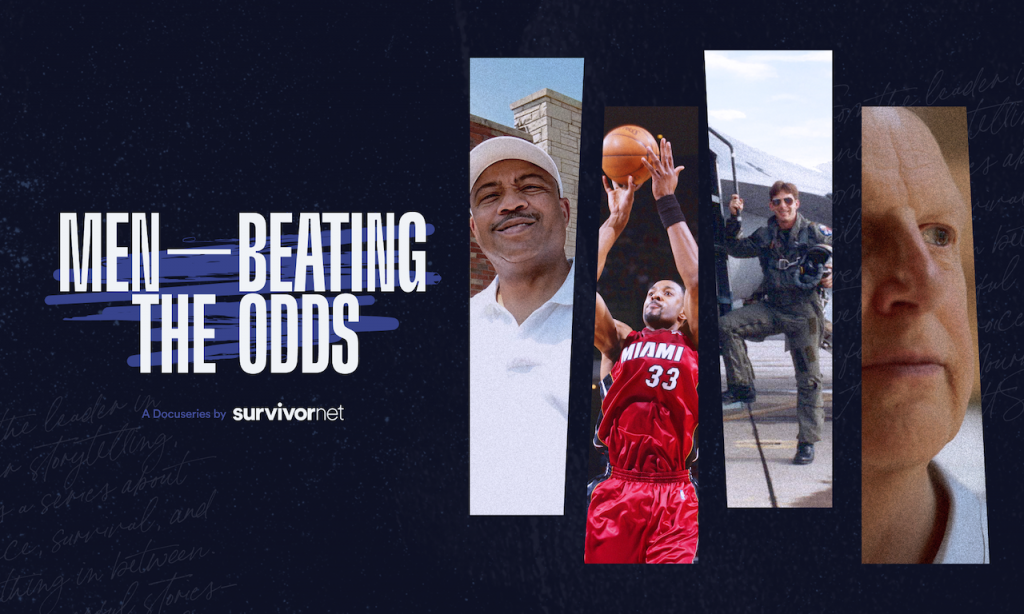
- Mourning’s story is featuring as part of SurvivorNet’s “Men Beating The Odds,” a heartfelt docuseries sharing 12 inspiring stories of men redefining survivorship and finding strength, hope, and purpose beyond prostate cancer.
- Updated screening guidelines suggest that Black men should start getting screened for prostate cancer at 40 — that’s about 10 to 15 years earlier than most other men. Experts tell SurvivorNet this is because Black men are significantly more likely to die from the disease than others. Remember, even if you feel fine and don’t have symptoms, it’s important to get checked regularly.
The sports legend — who is known by his nickname “Zo” and is now an advocate for prostate cancer, a disease he beat after being diagnosed at an advanced stage — recently offered some insight into his athletic mindset and personal experience with cancer in “The Heart of Zo,” part of the SurvivorNet film series “Men Beating The Odds.”
Read More“I was at an event five years ago. We were all sitting down, talking, chopping it up, and one of the men in the group, it was about seven of us, mentioned the word urologist. I didn’t know what the hell a urologist was, so I grabbed my phone as they were talking and I looked up urologist,” he says of the conversation that led to his diagnosis.
“Then I started getting engaged in the conversation, and the gentleman was talking about how good this guy was, how personable he was. And I said to myself, ‘Wow, [I’m] 50 years old and I’ve never been to a urologist before.”
Mourning, who previously dubbed athletes like himself “superhuman beings” who get “caught up in the hype” when it comes to thinking they are invincible, admits that it was that conversation that helped save his life.
“If it wasn’t for men talking about their health and me being a part of that conversation, I probably wouldn’t be sitting here talking to you right now,” he says.
“I’m extremely grateful and thankful just for that conversation that me and the rest of those gentlemen had. I got a foundation that I run. We’re gonna save a lot of families. We’ll save a lot of lives, and we’ll change these statistics,” he explains.
The statistics Mourning is referring to is the number of men that are projected to die from prostate cancer this year, which he says could fill up 15 arenas. “That’s close to 300,000 men. I know that it’s gonna take some time for me to heal, but I’m very fortunate and blessed. There’s a purpose behind this,” he says.
Mourning was diagnosed with an aggressive form of prostate cancer on February 23, 2024 — just four years after his eye-opening conversation with a group of men.
The basketball star and father of two had no symptoms and was diagnosed after a routine prostate-specific antigen (PSA) test. A follow-up MRI scan and biopsy ultimately revealed the cancer and led him to undergo a surgery to remove his prostate in March 2024.
Mourning, who also fought kidney disease and underwent a transplant in 2003, is truly an inspiration — not only a reminder of the importance of regular checkups, but also a testament to the power of hope during difficult times.
“I know that I’ve gone through this, and I’ve tried to find, you know, the positive in every adversity that I’ve gone through,” he tells SurvivorNet.
“It’s taken me some time to figure out how can I turn this negative situation into something positive.”
Awareness In The Black Community
According to the American Cancer Society, men at average risk should start prostate cancer screening at age 50. Those at higher risk — including Black men and individuals with a close family history of the disease — are encouraged to begin screening earlier.
Black men, in particular, are now advised to start at age 40, which is 10 to 15 years sooner than average-risk individuals. For men with a close relative diagnosed with prostate cancer, beginning annual screenings in their 30s may be worth considering.
“Prostate cancer affects men of all walks of life but it affects them differently,” Dr. Edwin Posadas, Medical Director of the Urologic Oncology Program at Cedars-Sinai, told SurvivorNet in an earlier interview.
“For example, the incidence of prostate cancer in African-American men is 60% higher, and they are two to three times more likely to die from the disease.”
Overwhelmingly Higher Prostate Cancer Rates For Black & Latino Men
As per the National Cancer Institute, death rates among Black men are higher or “more than twice” that of white men, ultimately leading to heightened efforts to boost early detection for this demographic.
Questions To Ask Friends or Family
- Do you know the risk factors for prostate cancer?
- Have you ever talked to your doctor about prostate cancer screening?
- Are you aware of the symptoms that might indicate prostate issues?
- Do you have a family history of the disease?
Content independently created by SurvivorNet with support from Novartis Pharmaceutical Corp
Learn more about SurvivorNet's rigorous medical review process.


