
Finding Purpose Amid a Major Health Challenge
- Edie Falco reflects on receiving her breast cancer diagnosis while filming “The Sopranos,” describing the surreal experience of returning to set just hours later.
- She recently joined season four of “The Mayor of Kingstown” as Nina Hobbs, a powerful but scrutinized prison warden navigating a male‑dominated environment. Looking ahead, Falco says she’s eager to stretch into new territory—including her dream of playing a female superhero.
- Falco was diagnosed with breast cancer in 2003, and she underwent a lumpectomy to remove the cancer along with surrounding abnormal tissue. She later received chemotherapy and radiation treatments.
- Chemo works by traveling through the bloodstream, killing cancerous cells. However, healthy cells are also impacted in the process, leading to side effects that include fatigue, hair loss, nausea, gastrointestinal issues, and neuropathy.
- “Neuropathy is probably one of the most challenging side effects,” says Dr. Renata Urban, a gynecologic oncologist at the University of Washington in Seattle. Neuropathy results from damage to the peripheral nerves.
- Radiation helps kill cancer cells in a targeted way, according to experts such as Dr. Chirag Shah, radiation oncologist and the division chair of Radiation Oncology at AHN Cancer Institute. With breast cancer, it is often used after surgery to kill off any cancer cells that may remain in the breast or surrounding area. Possible side effects may include swelling, fatigue, and scar tissue.
Her versatility reflects not just her talent, but the resilience and inner strength she’s carried throughout her career, including during her private battle with breast cancer.
Read More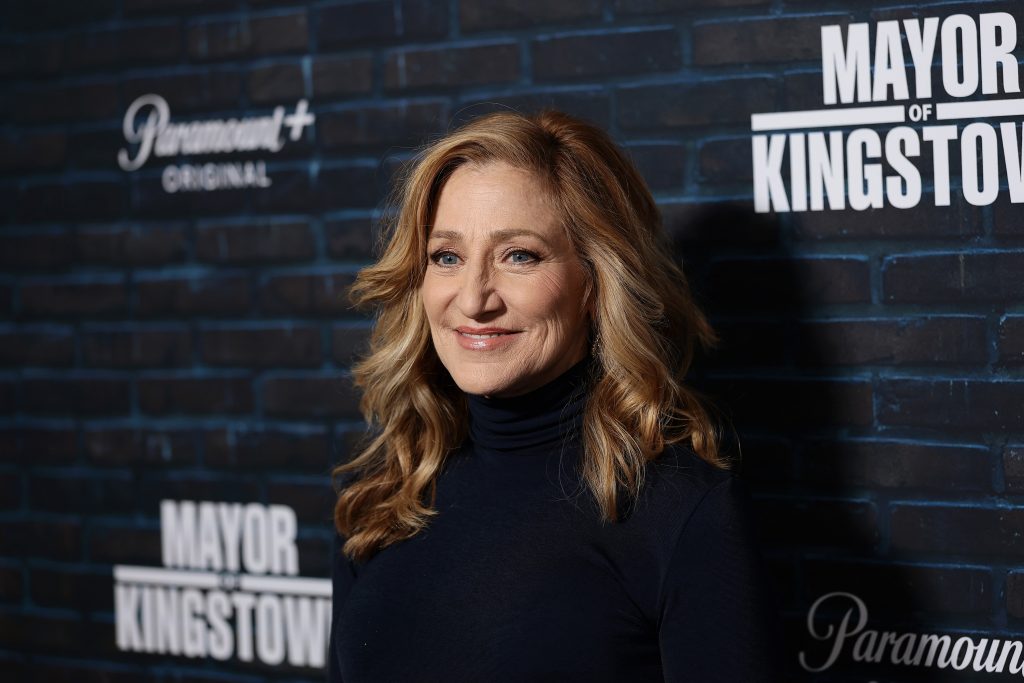
“I couldn’t remember my lines. It was surreal, like I was watching myself from outside my body. I hadn’t processed anything, and the only person I’d told was our executive producer, Ilene Landress, who’s still a dear friend.”
“It was a wild day, but accessing darker emotions came a little easier. Jim came over and said, ‘Something’s going on.’ I told him, ‘Yes, it is.’ He asked what, and I said, ‘I’ll tell you soon.’”
Falco underwent treatment for about eight months. She underwent a lumpectomy to remove the cancer along with surrounding abnormal tissue, then sought a second opinion to determine the best next steps.

According to Dr. Elizabeth Comen, a medical oncologist at Memorial Sloan Kettering Cancer Center, the first step is usually surgery to remove the cancer. This may involve a lumpectomy, where only the tumor and surrounding tissue are removed, often followed by radiation therapy to reduce the risk of recurrence.
After consulting with her medical team, Falco ultimately moved forward with chemotherapy and radiation.
Managing Chemotherapy and Its Side Effects
Chemotherapy is an effective tool for oncologists to help treat cancer by stopping cancerous cells from growing, dividing, and spreading to other organs. Chemo works by traveling through the bloodstream, killing cancerous cells. However, healthy cells are also impacted in the process, leading to side effects.
Patients almost universally experience fatigue, often alongside gastrointestinal side effects, such as nausea. Doctors have many effective medications to combat chemo-induced nausea. “But mitigating that fatigue often depends on the patient,” says Dr. Renata Urban, a gynecologic oncologist at the University of Washington in Seattle.
“Neuropathy is probably one of the most challenging side effects,” says Dr. Renata Urban, a gynecologic oncologist at the University of Washington in Seattle. Neuropathy results from damage to the peripheral nerves. It usually resolves after chemotherapy treatment, but sometimes symptoms can persist. While it’s typically characterized by numbness or a pins-and-needles sensation in the hands and feet, neuropathy can have several different symptoms, including:
- Weakness in the hands or feet
- Stabbing or burning pain in the hands or feet
- Difficulty gripping, such as when holding a fork
- Difficulty with fine motor skills, such as writing or buttoning a shirt
Nausea and vomiting are common side effects of chemotherapy. When chemotherapy affects the rapidly dividing cells in the lining of the stomach, the resulting cellular havoc in the gastrointestinal tract can lead to side effects such as nausea and vomiting. However, doctors can help patients mitigate the hit with various medications before, during, and after treatment.
“Part of the chemotherapy prescription includes a set regimen of anti-nausea medications,” says Dr. Urban. “We also ensure that patients have medications at home that they can use should they develop nausea after treatment.”
Hair loss is another side effect of chemotherapy.
WATCH: Coping with hair loss.
Most patients can expect hair regrowth four to six weeks after treatment. However, it is possible that when your hair grows back, you may notice some changes in its color and texture.
Radiation Therapy: A Powerful Tool with Long-Term Considerations
Radiation therapy—using high-energy rays to destroy cancer cells—is a common follow-up to breast cancer surgery, especially for patients who choose a lumpectomy over a mastectomy. Its goal: reduce the risk of recurrence by targeting any lingering cancer cells in the breast or surrounding tissue.
While effective, radiation can come with side effects, both immediate and delayed. Common symptoms include:
- Fatigue
- Swelling
- Scar tissue
- Shortness of breath
One of the more serious concerns involves the heart, which can unintentionally absorb radiation due to its proximity to the breast.
“When the radiation is delivered, unfortunately, the heart happens to be somewhere very near to where they have their breast cancer, and it becomes an innocent bystander absorbing some of the radiation,” explained Dr. Jean-Bernard Durand to SurvivorNet.
This exposure can lead to complications such as fatigue, shortness of breath, and even heart failure—sometimes surfacing decades after treatment.
“We make it a point to see them on a regular basis so that we can catch these things very early and treat them,” Dr. Durand added.
Even advanced techniques like proton therapy, which aim to minimize damage to healthy tissue, aren’t immune to side effects. Fatigue remains a common complaint, and the risk of long-term injury still exists.
“Radiation is a form of energy… and when we give radiation, it has the ability to scatter,” Dr. Durand said. “Even though we may target one particular area, that scattering of energy can cause injury to the local surrounding structures, including the heart.”
Over time, this injury can lead to the development of scar tissue within the heart muscle, its electrical system, and blood supply.
“We believe it is what causes all the injury, that ultimately leads to the symptoms,” he explained.
For survivors, this underscores the importance of ongoing monitoring and open conversations with care teams.
Radiation treatment continues to evolve, with ongoing debates among experts about how to reduce side effects while optimizing outcomes. Dr. Shah outlined three key areas of discussion:
- Whole vs. Partial Breast Radiation: Shortening treatment duration and minimizing side effects are promising, though long-term data are still emerging.
- Identifying Patients Who May Not Need Radiation: Some individuals may not benefit from radiation, and omitting it could reduce unnecessary risks.
- Technique Optimization: Advancements in delivery methods aim to improve effectiveness while limiting harm to healthy tissue.
“I think the first debate that we have is whole breast radiation versus partial breast radiation and the idea of reducing duration of treatment and reducing side effects for patients, albeit with less than 10 years’ worth of long-term data,” Dr. Shah explained to SurvivorNet.
“Both doctors told me it was a very aggressive cancer and that this course of treatment offered the strongest chance of fighting it,” she said. “So that’s what I did. You find the best people you can, and then you trust them.”
This past fall, Falco joined season four of The Mayor of Kingstown as Nina Hobbs, the newly installed head of Anchor Bay, the show’s fictional prison. Her character often stands in tension with Mike McLusky, played by Jeremy Renner, who serves as the town’s unofficial mayor.
“I think her job would probably be easier if she were a man. But she’s learned to hold on to the power she does have to do a job like this—and I found that interesting,” Falco told the Boston Herald.
Looking ahead, she’s eager to stretch even further. At the Tribeca Festival, she shared that she’d “like to be a female superhero.”
“It’s so outside my realm of experience—in real life and in movies. That would be a lot of fun,” she said.
Expert Resources for Breast Cancer Screening
- How to Avoid False Positive Cancer Results in Women With Dense Breasts: Ultrasounds Used in Addition To Mammograms
- Inaccurate Mammograms Miss Breast Cancer in 18 Women At Virginia Center: Guidance For Safe Screening
- I Have Dense Breasts. Do I Need a 3D Mammogram?
- Millions of Women With Dense Breasts — A New Congressional Law — What You Need to Know
- Most Women With Dense Breasts Like Katie Couric Are Unaware Of Their Breast Cancer Risk, New Study Says
- When You’re Getting a Mammogram, Ask About Dense Breasts
Falco’s Journey That Eventually Went Public
Falco tried to keep her breast cancer private, but the news eventually leaked out. She says she only told her close family and friends she was battling cancer. However, a writer on the show she was working on at the time leaked the sensitive information, and word made its way back to Falco.
“Somebody found out and contacted my agent, and they said, ‘We’re going to print this, so you either tell us details or we’re going to just tell what we think we know,” Falco explained.

After Falco’s diagnosis became public knowledge, she said people approached her kindly about it. However, the award-winning actress said everyone knew of her cancer diagnosis “made it harder.”
Falco said that years later, she encountered the publisher of the news article in which she revealed her diagnosis. While confronting the unnamed publisher, Falco explained how sharing her diagnosis affected her.
“I walked up to her—I was shaking—and she was at a table full of people, and I said everything I needed to say. I needed to go through this my own way, but she needed to be the first person to print the story, and you don’t do that,” Falco said to studio applause.
WATCH: Should I have a lumpectomy or a mastectomy?
Falco underwent a lumpectomy, a procedure to remove the cancer and other abnormal tissue from the breast, and decided to get a second opinion on what further treatment would be best. She eventually agreed with her doctors that chemotherapy and radiation therapy were the right choices for the path ahead.
“Both doctors said it was a very aggressive cancer and that that particular course of treatment was going to be the best way to fight it,” Falco explained to health resource outlet Patient Resource. “So that’s how it went. I think you go out and find who’s best, and then you trust them.”
Falco underwent treatment for about eight months, but she never wanted to stop working. Thankfully, the limited number of “The Sopranos” crew members she told about her condition were more than willing to make accommodations for Falco when needed.
Sharing Your Cancer Diagnosis
Some people battling a disease or cancer are open to sharing their experiences as much as they can, while others prefer to keep it to themselves or close loved ones. SurvivorNet experts say both approaches and everything in between are valid.
WATCH: Sharing a Diagnosis
“Patients who have just been diagnosed with cancer sometimes wonder how they are going to handle the diagnosis of the cancer in social situations,” psychiatrist Dr. Lori Plutchik explains.
Questions like “How much information should they share and with whom should they share the information?” are things Plutchik says patients take into consideration.
Dr. Plutchik explains, “There is no one right way to handle this diagnosis. People should do what feels right to them.”
A cancer journey can last months to years, which means cancer warriors may be experiencing a lot of uncertainty until they fully understand where their health stands. This uncertainty can influence when a cancer patient is ready to share their diagnosis, Dr. Plutchik further explained.
Dr. Plutchik stresses that those close to a person going through cancer should be respectful of their wishes when it comes to disclosing their diagnosis and seeking support.
Help Coping With a Breast Cancer Diagnosis
If you are facing a breast cancer diagnosis, your emotions are likely to run high, which is completely normal. Psychiatrist Dr. Lori Plutchik says emotions are often fluid when coping with a diagnosis.
“The patient or person going through the stressful event should accept that emotions will be fluid. You may feel fine one day and then feel a massive wave of stress the next. It’s also important for those you look to for support, whether that’s a therapist, friends, and family, or both, to understand the fluidity of stress-related emotions,” Dr. Plutchik said.
If a stressful event affects how you think and feel, it may be time to seek mental health treatment. This could mean traditional talk therapy, medication, changing lifestyle habits (like exercise and diet), seeking a support group, or many other approaches.
Women needing a little extra help coping with a breast cancer diagnosis should consider the following.
- Let your family and close friends know, and let them help. So many cancer survivors tell us they want and need support, but are often too preoccupied to make specific requests. Urge those close to you to jump in with whatever practical help they can offer.
- Keep a journal. It can be highly cathartic to let those feelings loose on paper. Grab a pen and a lovely journal and chronicle your thoughts throughout the day.
- Join a cancer support group. Groups are available in nearly every community and offer opportunities to connect with others going through a similar journey. You’ll learn constructive insight from others who can tell you what to expect and how to stay strong on tough days.
- Consider seeing a therapist. Ask your doctor to refer you to a therapist so you can discuss your fears and concerns in a safe space. Often, vocalizing your thoughts and feelings rather than internalizing them can provide relief.
Questions to Ask Your Doctor
If you have been diagnosed with breast cancer, you may have questions about how to keep your strength through treatment. Here are a few questions to help you begin the conversation:
- What treatment will I be receiving?
- What side effects are associated with this treatment?
- Are there steps I can take daily to help minimize these side effects?
- What physical activity routine do you recommend for me during treatment?
- Do you have recommendations for someone who doesn’t particularly enjoy exercise?
Learn more about SurvivorNet's rigorous medical review process.


