After Beating Ovarian Cancer, a Virginia Woman and Her Mom, 83, Find Themselves Battling Breast Cancer and Says, ‘There’s a Gaping Hole’ In Mental Health Support for Patients
After Beating Ovarian Cancer, a Virginia Woman and Her Mom, 83, Find Themselves Battling Breast Cancer and Says, ‘There’s a Gaping Hole’ In Mental Health Support for Patients
Breast Cancer’s Emotional Whiplash: Navigating the Highs and Lows
A Virginia mother and daughter relied on each other through back‑to‑back breast cancer diagnoses, highlighting how emotional support filled the mental‑health gaps they both felt during treatment.
Regina Boone, who previously faced ovarian cancer before her own breast cancer diagnosis, says the lack of guidance around coping with her mental health after treatment left her overwhelmed, even as her 83‑year‑old mother, Jean, began her own journey with surgery, radiation, and oral chemotherapy, which mirrored her daughter’s treatment.
Breast cancer can trigger rapidly shifting emotions, and experts like Dr. Lori Plutchik emphasize that it’s normal for stress to ebb and flow while support systems learn to adapt alongside you. Dr. Plutchik suggests therapy, support groups, journaling, lifestyle changes, or leaning on loved ones can help patients cope more steadily through a diagnosis.
“Mastectomy has very specific indications. Some of the things that would predict a mastectomy are things like a large tumor size to breast ratio, or having cancer in more than one area of the breast, or things like a genetic mutation,” Dr. Sarah Cate, Chief of Breast Surgery, Stamford Hospital, explains to SurvivorNet.
Taxol (paclitaxel) is a powerful chemotherapy drug known for side effects like fatigue, neuropathy, and hair loss, though Dr. Lynn P. Parker, a gynecologic oncologist at Norton Cancer Institute emphasize that hair typically regrows a few months after treatment ends.
A Virginia mother and daughter leaned on each other through back‑to‑back breast cancer diagnoses, finding that the emotional support they shared became just as vital as their medical care.
Regina Boone, who battled ovarian cancer before her breast cancer diagnosis, said the mental health gap for patients is striking.
“It seems to be information overload sometimes. However, when it comes to the mental health piece, there is a gaping hole in terms of information,” she told WTVR News.
Regina and her 83‑year‑old mother, Jean Boone, longtime leaders of the Richmond Free Press, an independent newspaper focused on the African American community, had already seen cancer reshape their family once when Regina’s father and Jean’s husband, Raymond Boone Sr., faced pancreatic cancer. Their latest diagnoses deepened that history, strengthening their bond as they navigated treatment together.
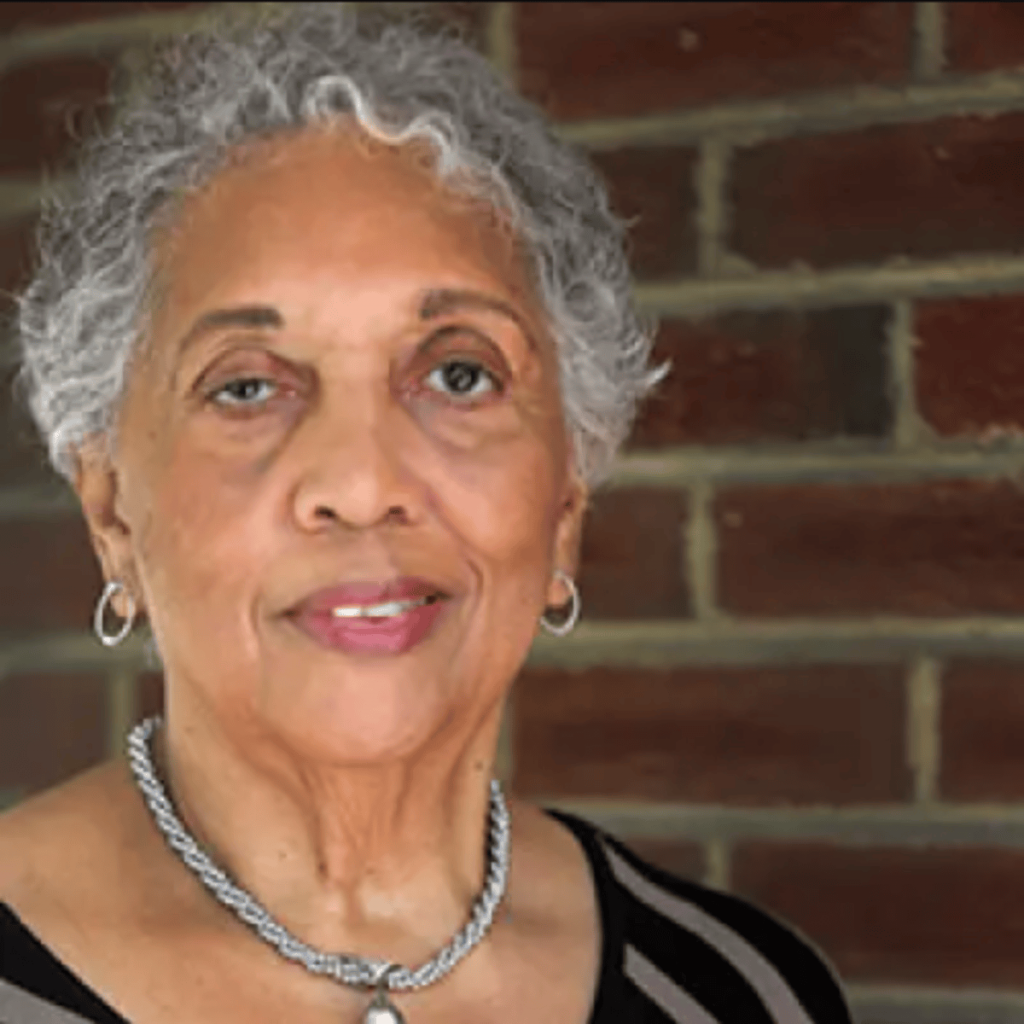
Virginia Boone Photo: Virginia Press Association
The Emotional Toll of a Shared Breast Cancer Diagnosis
After enduring ovarian cancer and then surgery, chemotherapy, and radiation for breast cancer, Regina says the cumulative weight of treatment finally caught up with her.
“I hit a brick wall and kind of melted down. My body just said, ‘can’t go any further,’” she recalled.
Her journey shifted again when her mother was diagnosed with breast cancer. Jean discovered the disease herself at an age when routine mammograms were no longer recommended, and her treatment plan included a mastectomy, radiation, and oral chemotherapy.
Helping Patients Cope Emotionally With a Breast Cancer Diagnosis
If you are facing a breast cancer diagnosis, your emotions are likely to run high, which is completely normal. Psychiatrist Dr. Lori Plutchik says emotions are often fluid when coping with a diagnosis.
“The patient or person going through the stressful event should accept that emotions will be fluid. You may feel fine one day and then feel a massive wave of stress the next. It’s also important for those you look to for support, whether that’s a therapist, friends, and family, or both, to understand the fluidity of stress-related emotions,” Dr. Plutchik said.
WATCH: How to cope with complex and changing emotions.
If a stressful event affects how you think and feel, it may be time to seek mental health treatment. This could mean traditional talk therapy, medication, changing lifestyle habits (like exercise and diet), seeking a support group, or many other approaches.
SurvivorNet experts suggest that women who need a little extra help coping with a breast cancer diagnosis.
Let your family and close friends know, and let them help. So many cancer survivors tell us they want and need support, but are often too preoccupied to make specific requests. Urge those close to you to jump in with whatever practical help they can offer.
Keep a journal. It can be extremely cathartic to let those feelings loose on paper. Grab a pen and a nice journal and chronicle your thoughts throughout the day.
Join a cancer support group. Groups in nearly every community offer opportunities to connect with others going through a similar journey. You’ll learn constructive insight from others who can tell you what to expect and how to stay strong on tough days.
Consider seeing a therapist. Ask your doctor to refer you to a therapist so you can discuss your fears and concerns in a safe space. Often, vocalizing your thoughts and feelings rather than internalizing them can provide relief.
What was Regina and Jean’s Breast Cancer Treatment Experience Like?
Chemotherapy is an effective tool for oncologists to help treat cancer by stopping cancerous cells from growing, dividing, and spreading to other organs. Chemo works by traveling through the bloodstream, killing cancerous cells. However, healthy cells are also impacted in the process, leading to side effects.
Patients almost universally experience fatigue, often alongside gastrointestinal side effects, such as nausea. Doctors have many effective medications to combat chemo-induced nausea. “But mitigating that fatigue often depends on the patient,” says Dr. Renata Urban, a gynecologic oncologist at the University of Washington in Seattle.
“Neuropathy is probably one of the most challenging side effects,” says Dr. Urban. Neuropathy results from damage to the peripheral nerves. It usually resolves after chemotherapy treatment, but sometimes symptoms can persist. While it’s typically characterized by numbness or a pins-and-needles sensation in the hands and feet, neuropathy can have several different symptoms, including:
Weakness in the hands or feet
Stabbing or burning pain in the hands or feet
Difficulty gripping, such as when holding a fork
Difficulty with fine motor skills, such as writing or buttoning a shirt
Nausea and vomiting are common side effects of chemotherapy. When chemotherapy affects the rapidly dividing cells in the lining of the stomach, the resulting cellular havoc in the gastrointestinal tract can lead to side effects such as nausea and vomiting. However, doctors can help patients mitigate the hit with various medications before, during, and after treatment.
“Part of the chemotherapy prescription includes a set regimen of anti-nausea medications,” says Dr. Urban. “We also ensure that patients have medications at home that they can use should they develop nausea after treatment.”
Hair loss is another side effect of chemotherapy.
WATCH: Coping with hair loss.
“For cancer patients, losing one’s hair can be unbelievably stressful. To start with, the dread of losing one’s hair can lead to some sleepless nights and feelings of anxiety,” Dr. Samantha Boardman, a New York-based psychiatrist and author, told SurvivorNet.
Chemotherapy can cause hair loss. It usually begins about three to four weeks after chemotherapy and continues throughout treatment.
It happens because this treatment targets quickly dividing cells throughout the body. That includes cancer cells but also hair cells.
Most patients can expect regrowth four to six weeks after treatment. However, it is possible that when your hair grows back, you may notice some changes in its color and texture.
Tips for Navigating Chemo Side Effects
When dealing with fatigue, doctors don’t have an arsenal of weapons to combat fatigue in terms of prescription medications. However, you can do several things to help minimize the hit and restore your energy.
Exercise: While it may be counterintuitive, physical activity can help alleviate side effects, especially fatigue. “Although ovarian cancer is not common, we often draw upon the experience of patients with breast cancer and colon cancer, who have shown that physical activity can not only improve quality of life but may also have beneficial impacts on cancer outcomes,” Dr. Urban says.
Eat well: Even though nausea may interfere with your ability to eat a healthy diet, it’s essential to ensure you’re eating appropriately, getting enough protein, and not losing weight. Not only will nourishing your body support your recovery, but it may also help you feel more energized.
Sleep: Want to mitigate fatigue? Be sure to maintain your regular sleep-wake cycle while on treatment. Sticking to a set sleep schedule helps reduce fatigue by ensuring enough hours for your body to heal and restore itself each night. It may also help you recover more quickly by keeping energy levels high during the daytime.
Treating Neuropathy Symptoms
Doctors have several strategies for helping patients deal with this side effect. Once a patient begins experiencing the symptoms of neuropathy, they’ll be carefully monitored to make sure it doesn’t get worse. Before each chemotherapy infusion, the attending oncologist will assess whether the symptoms have progressed. If the symptoms worsen, they may adjust the dose or delay treatment. They may also try switching to another chemotherapy drug.
How to Get a Handle on Nausea
Most of these anti-nausea medications last for more than eight hours. One of the infusions commonly used reduces the degree of nausea for up to three days.
Complementary approaches may also be helpful. A few favorites:
Ginger: Studies consistently show that ginger helps alleviate chemotherapy-induced nausea. The powerful herb appears to have an anti-spasmodic effect on the gut. Not a fan of raw ginger? Suck on ginger candy, sip ginger ale, or make a steaming cup of ginger tea.
Pressure bracelets: at your local pharmacy, these bracelets provide consistent pressure on a particular acupressure point on the wrist to reduce nausea.
Deep breathing: Moving air in and out of your lungs with a few deep breaths can help relieve nausea, particularly if you pair deep breathing exercises with meditation. It can also help you relax and release stress and anxiety.
WATCH: Managing chemo side effects.
Coping with Hair Loss
If losing your hair is a concern for you before cancer treatment, know you have options like wigs, hats, wraps, and scarves, among other things.
Another option that can minimize hair loss is cryotherapy, “just a fancy way for saying cold therapy,” says Dr. Renata Urban, gynecologic oncologist at the University of Washington in Seattle.
Cryotherapy involves wearing cold caps or special cooling caps before, during, and after each chemotherapy treatment.
Radiation Therapy: A Powerful Tool with Long-Term Considerations
Radiation therapy—using high-energy rays to destroy cancer cells—is a common follow-up to breast cancer surgery, especially for patients who choose a lumpectomy over a mastectomy. Its goal: reduce the risk of recurrence by targeting any lingering cancer cells in the breast or surrounding tissue.
While effective, radiation can come with side effects, both immediate and delayed. Common symptoms include:
Fatigue
Swelling
Scar tissue
Shortness of breath
One of the more serious concerns involves the heart, which can unintentionally absorb radiation due to its proximity to the breast.
“When the radiation is delivered, unfortunately, the heart happens to be somewhere very near to where they have their breast cancer, and it becomes an innocent bystander absorbing some of the radiation,” explained Dr. Jean-Bernard Durand to SurvivorNet.
This exposure can lead to complications such as fatigue, shortness of breath, and even heart failure—sometimes surfacing decades after treatment.
“We make it a point to see them on a regular basis so that we can catch these things very early and treat them,” Dr. Durand added.
Even advanced techniques like proton therapy, which aim to minimize damage to healthy tissue, aren’t immune to side effects. Fatigue remains a common complaint, and the risk of long-term injury still exists.
“Radiation is a form of energy… and when we give radiation, it has the ability to scatter,” Dr. Durand said. “Even though we may target one particular area, that scattering of energy can cause injury to the local surrounding structures, including the heart.”
Over time, this injury can lead to the development of scar tissue within the heart muscle, its electrical system, and blood supply.
“We believe it is what causes all the injury, that ultimately leads to the symptoms,” he explained.
For survivors, this underscores the importance of ongoing monitoring and open conversations with care teams. Radiation treatment continues to evolve, with ongoing debates among experts about how to reduce side effects while optimizing outcomes. Dr. Shah outlined three key areas of discussion:
Whole vs. Partial Breast Radiation: Shortening treatment duration and minimizing side effects are promising, though long-term data are still emerging.
Identifying Patients Who May Not Need Radiation: Some individuals may not benefit from radiation, and omitting it could reduce unnecessary risks.
Technique Optimization: Advancements in delivery methods aim to improve effectiveness while limiting harm to healthy tissue.
“I think the first debate that we have is whole breast radiation versus partial breast radiation and the idea of reducing duration of treatment and reducing side effects for patients, albeit with less than 10 years’ worth of long-term data,” Dr. Shah explained to SurvivorNet.
Learning More About Genetic Testing
Genetic testing for cancer is typically conducted in a medical setting, such as a primary care office or an OB-GYN clinic. However, some tests are now available for direct purchase, allowing individuals to explore their genetic risk independently.
Initially, genetic testing was recommended for a limited group of individuals based on specific risk factors, including a strong family history of breast cancer, personal cancer history, or certain ethnic backgrounds.
WATCH: Helping you understand genetic testing.
“It started out with a very narrow field of women and men who were recommended to have it based on certain risk factors, family history of breast cancer, or other cancers, and also ethnic backgrounds,” explains Dr. Port.
Guidelines from the National Comprehensive Cancer Network (NCCN) suggest that genetic testing should be prioritized for patients at higher risk for hereditary breast cancer. This includes individuals diagnosed with breast cancer before the age of 45, those with a strong familial history of the disease, and individuals of Ashkenazi Jewish descent.
Meanwhile, the American Society of Breast Surgeons (ASBrS) takes a broader approach, recommending genetic testing for all patients diagnosed with breast cancer.
These evolving recommendations reflect a growing emphasis on personalized medicine, ensuring that individuals at risk receive appropriate screening and guidance to manage their health proactively.
What If You Have the BRCA Gene Mutation?
Discovering a genetic mutation can be unsettling, but there are several options available to manage cancer risk effectively. These include enhanced screenings for early detection, prophylactic (risk-reducing) surgery to remove high-risk tissue, and chemoprevention—the use of medications designed to lower the chances of developing cancer.
Interestingly, for individuals diagnosed with ovarian cancer, carrying a BRCA mutation may provide a treatment advantage when paired with a class of drugs known as PARP inhibitors. Approved by the FDA starting in 2014, these targeted therapies have transformed the landscape of ovarian cancer treatment.
WATCH: Understanding the BRCA Gene Mutation
PARP inhibitors function by blocking the protein PARP, which normally repairs damaged DNA. By preventing this repair process, the inhibitors selectively destroy cancerous cells while sparing healthy ones, making them a powerful treatment tool.
“The PARP inhibitor prevents the repair of the [damaged] single-strand DNA break, and your BRCA mutation prevents the repair of the double-strand DNA break,” explainsDr. Rebecca Arend, Associate Scientist at the University of Alabama, Birmingham, in an interview with SurvivorNet.
This combination of genetic insight and advanced medical therapies highlights how precision medicine continues to evolve, offering more effective, tailored approaches to cancer prevention and treatment.
Questions To Ask Your Doctor
If you have a breast cancer screening coming up or have recently had one, you may have questions you want answered. SurvivorNet suggests the following questions to kickstart your conversation with your doctor.
Do I have dense breasts?
Do I need to undergo additional or more sensitive screening?
How is my risk level being assessed?
Will insurance cover additional screening if needed?