
Marking Milestones After Three Cancer Diagnoses
- “All My Children” star Colin Egglesfield, 52, who has faced cancer three separate times, is marking one year in remission with a sense of gratitude.
- He was diagnosed with testicular cancer in 2006 and 2007 after he experienced a recurrence. Then, after undergoing treatment, he was later diagnosed with prostate cancer following routine screening. He underwent surgery for prostate cancer in January of 2025 and says he was declared “cancer-free” a month later.
- Testicular cancer begins in the cells that make sperm. Fortunately for men with this kind of cancer, “it can be cured, even if diagnosed at an advanced stage,” according to the National Cancer Institute.
- Egglesfield’s prostate cancer treatment involved surgery, which involves removing the entire prostate, along with some tissue around it, including the seminal vesicles that release fluid into the semen.
- Surgery side effects may include erectile dysfunction and urinary incontinence. Fortunately, the side effects are usually temporary, and there are ways to help you manage them.
- “Erectile function is so sensitive when we’re dealing with prostate cancer because the nerves that are critical for this function wrap around the prostate; they’re just so intimately connected to the prostate that they can be damaged from a surgical removal of the prostate or through radiation treatment,” Dr. Isla Garraway, a staff urologist in the Veterans Administration (VA) Greater Los Angeles Healthcare System, told SurvivorNet.
- “If they have a prior good erectile function and they’re young and you’ve done a good nerve preservation, then they’ve got over a 95% chance that they will be able to resume sexual activity at some point in time, sooner rather than later,” Dr. Sanjay Razdan, a surgeon at the International Robotic Institute for Prostate Cancer in Florida explains.
- Egglesfield admits he kept his diagnosis private for as long as possible so as not to be a burden on anyone. Eventually, he shared his diagnosis publicly
- A cancer journey can last months to years, which can lead to uncertainty and influence when a patient is ready to share their diagnosis, explains psychiatrist Dr. Lori Plutchik.
A year removed from a prostate cancer diagnosis, Egglesfield said in an Instagram post, “Thank you to everyone who has stood by my side and picked me up when I was down and continues to support me in fulfilling my mission to let people know that no matter what you’re going through, you’re not alone.”

A prostate-specific antigen test (PSA), which measures the prostate-specific antigen in the blood. An elevated PSA level in the blood does not always mean you have prostate cancer, but it does call for further tests.
“PSA screening should begin around the age of 45 to 50 and can be done every two to four years, although I believe most urologists and primary care physicians do an annual screening,” Dr. Shirin Razdan, director of the robotic surgery department at the Comprehensive Urological Surgery Institute in Miami, tells SurvivorNet.
“There is a recommendation, however, to start that screening as young as 40 in men who are high-risk. Now, who are those men? [Those with] family history and African-American men,” she adds.
Currently, widely supported recommendations are:
- Men aged 55 to 69 are the group most likely to benefit from PSA screening. If you are in this age range, discuss screening with your doctor.
- Men younger than 55 with high risk — which includes those with a strong family history, African American men, or those with known genetic mutations (like BRCA1 or BRCA2) — may need to start screening earlier, even in their 40s.
- For men age 70 and older, routine screening is generally not recommended unless you are in excellent health and have a long life expectancy.
There are both benefits and risks to undergoing regular PSA screening. Benefits include:
- May detect cancer before it spreads
- Offers the possibility of early treatment with curative intent
- Can provide peace of mind for high-risk individuals
Risks include:
- False positives that may lead to unnecessary biopsies
- Detection of indolent cancers that would never cause harm
- Psychological stress from ambiguous results
View this post on Instagram
Although the popular soap opera star has dealt with cancer a few times, coping with the diagnosis is something that’s difficult to get used to. He shared with E! News that he initially kept his diagnosis private.
“I think a lot of people, when they are diagnosed with a health condition like I was—the first time, I felt like I didn’t want to burden anyone,” Colin explained to E! News.
The actor explained further, “I didn’t wanna tell anyone. So, I just kept it to myself until I couldn’t.”
Expert Resources on Prostate Cancer Treatment
- Androgen Deprivation Therapy: The Foundation Of Advanced Prostate Cancer Treatment
- Balancing Treatment and Quality of Life: What Men Should Know About Prostate Cancer Care
- Chemotherapy for Prostate Cancer: Adding Power To Your Treatment Plan
- Don’t Believe the Hype: Do Your Own Research on Prostate Cancer Treatment
- How Doctors Use Risk Assessing System To Determine Best Prostate Cancer Treatment Approach
- Imaging Studies Can Help The VA Guide Your Prostate Cancer Treatment
- Genetic Testing for Advanced Prostate Cancer Can Help Tailor Treatment
- How to Treat Late-Stage Prostate Cancer: New Treatment Developments
Colin Was Reluctant to Tell Others About His Diagnosis
“Being on a TV show and being new to it, I was afraid to tell anyone at work,” he told Patient Power. “I had my surgery, and it happened to coincide where I didn’t have to tell anyone at work until three weeks into my radiation treatment.”
Some people battling a disease or cancer are open to sharing their experiences as much as they can, while others prefer to keep it to themselves or close loved ones. SurvivorNet experts say both approaches, and everything in between, are valid.
WATCH: Sharing a Diagnosis
“Patients who have just been diagnosed with cancer sometimes wonder how they are going to handle the diagnosis of the cancer in social situations,” psychiatrist Dr. Lori Plutchik explains.
Questions like “How much information should they share and with whom should they share the information?” are things Plutchik says patients take into consideration.
Dr. Plutchik explains, “There is no one right way to handle this diagnosis. People should do what feels right to them.”
A cancer journey can last months to years, which means cancer warriors may be experiencing a lot of uncertainty until they fully understand where their health stands. This uncertainty can influence when a cancer patient is ready to share their diagnosis, Dr. Plutchik further explained.
Dr. Plutchik stresses that those close to a person going through cancer should be respectful of their wishes when it comes to disclosing their diagnosis and seeking support.
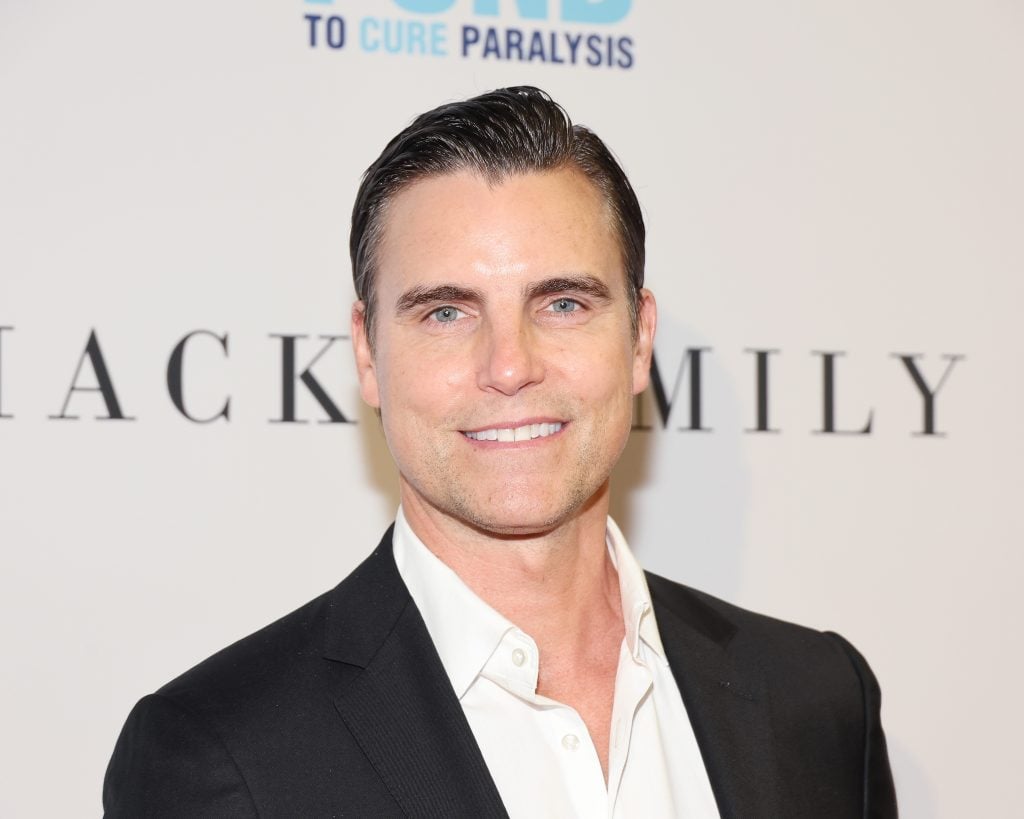
As radiation therapy side effects, which may include fatigue and hair loss, set in, hiding his diagnosis became increasingly difficult. When he finally shared the news, he was met not with judgment, but compassion.
“They worked around my schedule and asked me if I needed time off,” he recalled.
A year later, Egglesfield faced a recurrence, meaning the cancer had returned—this time on the opposite side—and underwent another surgery. Determined to stay vigilant, he kept up with regular checkups. That diligence paid off: doctors later discovered he had prostate cancer.
After Testicular Cancer Came Prostate Cancer
Prostate cancer is the most common cancer in men. It starts in the walnut-shaped prostate gland between the rectum and bladder, producing the fluid that nourishes sperm. Fortunately, most prostate cancer is caught with screening examinations.
When you do get screened for prostate cancer, your doctor will run a few tests.
One of the tests is the PSA test, a simple blood test that screens for prostate cancer. It looks for more significant amounts of protein-specific antigen (PSA) in the blood. An elevated PSA test does not always mean you have prostate cancer. It could also reflect that your prostate is enlarged, which is common, or it could signal an infection or inflammation.
Your doctor may also conduct a digital rectal exam (DRE) to check your prostate for lumps.
Depending on the results of these tests, imaging scans and a biopsy may be ordered.
WATCH: How Gleason Grade Determines Treatment
Prostate cancer does not always behave the same in every man it impacts. The cancer can be considered “low-risk” and can be slow-growing, and treatment might not be necessary. In other men, the cancer may grow faster or more aggressively, requiring more immediate treatment. Because of this, there is some debate about screening.
The United States Preventive Services Taskforce recommends men at average risk between the ages of 55 and 69 years old should talk with their doctor about the pros and cons of prostate cancer screening.
The American Cancer Society recommends that men at age 50 who are at average risk should begin screening. Men who are at high risk of prostate cancer should begin screening at age 40. Men with a close relative diagnosed with prostate cancer should consider annual screenings in their 30s.
Most doctors agree that men over the age of 70 do not need screening.
SurvivorNet experts suggested that men consider factors like their family history, genes, and age when deciding whether and when to screen.
Symptoms of prostate cancer may include:
- Urinating more often
- Waking up in the middle of the night to pee
- Blood in your urine
- Trouble getting an erection
- Pain or burning when you urinate
- Pain in your back, hips, thighs, or other bones
- Unexplained weight loss
- Fatigue
“I took a year to take a look at what my treatment options were and finally decided to have surgery,” he said of his decision, which led to a successful operation in January 2025.
RELATED: Check Out SurvivorNet’s Digital Guide to Prostate Cancer
If You’re Diagnosed With Prostate Cancer, What to Expect for Treatment?
After testing and establishing your risk, your doctor will discuss possible treatment options. These may range from active surveillance to more aggressive options, including surgery and radiation therapy.
WATCH: Coping emotionally after a prostate cancer diagnosis
Surgery is an option for men with any risk group of prostate cancer that hasn’t spread outside of the prostate gland. The type of surgery most often used is called a radical prostatectomy.
During the procedure, the surgeon removes the entire prostate, along with some tissue around it, including the seminal vesicles that release fluid into the semen. Your doctor can perform this through a traditional open procedure with one large or several small incisions, called laparoscopic surgery.
WATCH: Sexual Function Recovery After Prostate Cancer Surgery
Surgery side effects may include erectile dysfunction and urinary incontinence. Fortunately, the side effects are usually temporary, and there are ways to help you manage them.
“Erectile function is so sensitive when we’re dealing with prostate cancer because the nerves that are critical for this function wrap around the prostate; they’re just so intimately connected to the prostate that they can be damaged from a surgical removal of the prostate or through radiation treatment,” Dr. Isla Garraway, a staff urologist in the Veterans Administration (VA) Greater Los Angeles Healthcare System, told SurvivorNet.
“If they have a prior good erectile function and they’re young and you’ve done a good nerve preservation, then they’ve got over a 95% chance that they will be able to resume sexual activity at some point in time, sooner rather than later,” Dr. Sanjay Razdan, a surgeon at the International Robotic Institute for Prostate Cancer in Florida explains.
Other possible complications include constipation brought on by medications and a lack of activity, and an increased risk of blood clots and infection. These risks can often be managed by working closely with your care team.
Doctors often recommend sexual counseling after prostate cancer treatment to help improve sexual function. This approach actively addresses the psychological, emotional, and relationship impacts on sexual health.
How Long Does This Procedure Usually Lasts?
Dr. Sanjay Razdan, a surgeon at the International Robotic Institute for Prostate Cancer in Florida, tells SurvivorNet that patients shouldn’t expect to be in surgery for much more than an hour — and most patients leave the hospital the next day.
WATCH: Preparing For Prostate Cancer Surgery: Before, During & After
“My average time is about 80 minutes across the board, so that’s an hour and 20 minutes max,” Dr. Razdan says of the assisted surgery he performs. “We are done with the surgery, they go back to the recovery area, then to their room.
“Four hours later, they’re walking around in the hospital. Overnight stay, next morning, they have breakfast, and they’re out of the hospital,” he adds.
Many patients worry about surgery side effects, such as incontinence (trouble controlling urine) and erectile dysfunction, but rest assured, most patients regain a high quality of life with time and support.
Prostate Surgery Techniques
The goal of prostate cancer surgery is to remove the prostate gland and surrounding tissues (such as seminal vesicles) to eliminate cancer. This procedure is called a radical prostatectomy.
It can be performed using two primary approaches:
- Open radical prostatectomy, where the surgeon makes one large incision to access the prostate
- Minimally invasive (robot-assisted laparoscopic) prostatectomy, where small incisions and robotic instruments are used for the same purpose
Regardless of the technique, the surgery also involves cutting and rejoining the urethra and bladder neck. In some cases, nearby lymph nodes are removed for cancer staging. Nerve-sparing techniques may be used, if possible, to preserve erectile function.
Managing Your Emotional Health After a Diagnosis
“You really learn a lot from cancer. Our priorities change. Everything that once seemed so important really has no meaning anymore. ‘Yep,’ he shared on his podcast.
He often references a quote from “Good Morning America” anchor and fellow survivor Robin Roberts: “She says, your mess is your message.”
That sentiment has become central to Egglesfield’s advocacy work. For nearly two decades, he’s used his platform to speak about resilience, identity, and the power of choice.
“It’s very easy to let our outside experiences get us down and define the way in which we wake up every morning,” he said. “The only thing we have is our ability to decide who we choose to be in the face of whatever we face in life.”
If you are facing a cancer diagnosis, your emotions are likely to run high, which is completely normal. Dr. Plutchik says emotions are often fluid when coping with a diagnosis.
“The patient or person going through the stressful event should accept that emotions will be fluid. You may feel fine one day and then feel a massive wave of stress the next. It’s also important for those you look to for support, whether that’s a therapist, friends, and family, or both, to understand the fluidity of stress-related emotions,” Dr. Plutchik said.
WATCH: How to cope with complex and changing emotions.
If a stressful event affects how you think and feel, it may be time to seek mental health treatment. This could mean traditional talk therapy, medication, changing lifestyle habits (like exercise and diet), seeking a support group, or many other approaches.
SurvivorNet experts suggest women needing a little extra help coping with a breast cancer diagnosis.
- Let your family and close friends know, and let them help. So many cancer survivors tell us they want and need support, but are often too preoccupied to make specific requests. Urge those close to you to jump in with whatever practical help they can offer.
- Keep a journal. It can be extremely cathartic to let those feelings loose on paper. Grab a pen and a nice journal and chronicle your thoughts throughout the day.
- Join a cancer support group. Groups in nearly every community offer opportunities to connect with others going through a similar journey. You’ll learn constructive insight from others who can tell you what to expect and how to stay strong on tough days.
- Consider seeing a therapist. Ask your doctor to refer you to a therapist so you can discuss your fears and concerns in a safe space. Often, vocalizing your thoughts and feelings rather than internalizing them can provide relief.

Now “cancer-free,” Egglesfield continues to share his story with added purpose.
“I don’t wish cancer on anyone, but what it does is it creates an urgency in your life that if you want to do something, go do it, because tomorrow is not promised,” he told WLS News.
“It’s important not to let your circumstances or your outside environment dictate what your mental state of being is,” he added. “Much like acting, where we decide who our character is, you get to decide who you get to be in the face of all of this.”
Expert Resources on Prostate Cancer Treatment
- Androgen Deprivation Therapy: The Foundation Of Advanced Prostate Cancer Treatment
- Balancing Treatment and Quality of Life: What Men Should Know About Prostate Cancer Care
- Chemotherapy for Prostate Cancer: Adding Power To Your Treatment Plan
- Don’t Believe the Hype: Do Your Own Research on Prostate Cancer Treatment
- How Doctors Use Risk Assessing System To Determine Best Prostate Cancer Treatment Approach
- Imaging Studies Can Help The VA Guide Your Prostate Cancer Treatment
- Genetic Testing for Advanced Prostate Cancer Can Help Tailor Treatment
- How to Treat Late-Stage Prostate Cancer: New Treatment Developments
Understanding Testicular Cancer
A testicular cancer diagnosis is rare, but it is the most common form of cancer diagnosed in young men.
Depending on the stage, the disease is considered highly treatable. Treatment options can include chemotherapy and radiation, but often, the first line of treatment is surgery to remove the testicle, which contains the cancerous cells.
Symptoms of testicular cancer can be subtle. Some people may even confuse the early symptoms, such as a small mass in their testicle, with an injury. But when these signs are dismissed, the cancer can grow and become worse.
Dr. Edwin Posadas, the medical director of the Urologic Oncology Program at Cedars-Sinai Cancer, previously told SurvivorNet that some men may even notice blood in their ejaculate as a result of testicular cancer. “This symptom is less common but always bad,” he said.
“It’s not uncommon to see men come in with masses on their scrotum and have inflammation of the scrotal wall; they develop pain as a result. A lump is the most common symptom of testicular cancer,” Dr. Posadas adds.
Men should regularly conduct self-exams of their testicles for anything unusual.
Testicular Cancer symptoms can include:
- Breast growth or soreness
- Early puberty in boys
- Low back pain (a potential symptom of advanced testicular cancer)
- Shortness of breath, chest pain, or a cough (a possible symptom of advanced testicular cancer)
- Belly pain (a possible symptom of advanced testicular cancer)
- Headaches or confusion (a possible symptom of advanced testicular cancer)
Questions for Your Doctor
If you are facing testicular cancer and want to understand your diagnosis better, consider the following questions for your doctor.
- Has my testicular cancer spread beyond the testicle?
- What stage is my cancer in?
- What other tests should I expect as I continue learning more about the disease?
- What are my treatment options?
- What side effects should I expect with the recommended treatment?
Learn more about SurvivorNet's rigorous medical review process.


