Hope For Brain Tumors
- A brain tumor diagnosis can be overwhelming, as even small changes in the brain can affect speech, movement, memory, or personality. Treating gliomas is especially challenging because they infiltrate sensitive areas and microscopic cells often remain after surgery, making recurrence common, while traditional treatments can harm healthy tissue.
- Advances in precision medicine and targeted therapies are now allowing doctors to attack tumors more selectively, improving outcomes, tolerability, and hope for patients.
- Recent molecular testing allows doctors to target the genetic drivers of brain tumors, enabling precision therapies that attack cancer cells while sparing healthy tissue. This shift in neuro-oncology emphasizes selective, well-tolerated treatments that improve outcomes and quality of life.
- Precision medicine is enabling more targeted, safer treatments for gliomas, giving patients greater control, longer survival, and renewed hope.
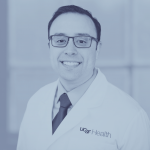
Dr. Steve Braunstein, a radiation oncologist from University of California at San Francisco explains, “gliomas are unique tumors and quite a challenge to treat for a multitude of reasons, one of which is that they grow in a very sensitive area, which is the brain.”
Read MoreWhy Brain Tumors Are So Hard to Treat
Although surgeons can safely remove large portions of brain tissue, there are areas where even tiny disturbances may cause irreversible damage. Dr. Braunstein notes, “there are some areas we call eloquent pathways… where even mild surgical instrumentation or irritation could cause a permanent deficit.”
This is one of the main reasons gliomas can be so challenging: they often grow into or around these eloquent regions, limiting how aggressively a surgeon can operate. Even when the bulk of a tumor is removed, gliomas tend to send out microscopic tendrils that imaging cannot fully capture.
Dr. Braunstein says these tumors are “infiltrative by nature… with microscopic extensions that grow out from what might appear to be a well-circumscribed tumor on imaging.”
So even after a meticulous surgery, “there’s almost always microscopic tumor cells present in the vicinity,” which is why recurrence is common and why ongoing treatment or monitoring is essential.
Traditional treatments—such as radiation and chemotherapy—carry their own risks in the brain. Many of the standard cytotoxic therapies do not distinguish between healthy brain tissue and cancer cells.
Expert Resources On Gliomas
- Diagnosing Gliomas — Resections and the Grading System
- Decoding Glioma Diagnosis: How Molecular Profiling Guides Treatment and Prognosis
- Glioma Diagnosis: Take Control By Understanding The Value Of Your Treatment Team
- Glioma Radiation Side Effects: What to Expect & How to Stay Informed
- Glioma Surgery: What to Expect During an Awake Resection
- Glioma Treatment Options: How Doctors Decide What’s Next
- Glioma Treatment: Deciding Between Proton and Photon Radiation
- Exploring Chemotherapy Options and New Therapies For Glioma
- Fighting Fatigue During Glioma Treatment
“Many of the cytotoxic therapies may not discriminate between tumor and normal tissue, so they can be particularly toxic to what is otherwise a very sensitive tissue in our bodies,” Dr. Braunstein explains.
These combined factors underscore a difficult truth: gliomas are extremely challenging to treat with traditional approaches alone.
A Turning Point: Precision Medicine and Targeted Therapies
In recent years, advances in molecular testing have transformed how doctors understand—and treat—brain tumors. Instead of describing tumors only by how they look, specialists now identify the genetic mutations and biological pathways that drive them.
This has opened the door to precision-based medicine, where treatments are designed to target cancer cells while sparing healthy brain tissue.
Dr. Braunstein emphasizes the significance of this evolution, saying, “The nice thing about these modern tailored therapies… is that they can be very selective.
“They’re targeting proteins or enzymes uniquely altered or critical to tumor tissues. And wherever that happens, you’re widening the therapeutic window.”
Targeting Gene Mutations in Gliomas with IDH Inhibitors
The goal of these newer approaches is to hurt the tumor while protecting the brain—a balance that was much harder to achieve with older treatment methods. The expert notes that these therapies are often “well tolerated by patients… especially if you’re going to be taking these medications for a long time.”
This represents a major philosophical shift in neuro-oncology: treatments that aim for precision, long-term tolerability, and a better quality of life.
Looking Ahead With Hope
Although gliomas remain among the most complex cancers to treat, progress is accelerating. Precision medicine is helping widen the therapeutic window—allowing doctors to target cancer cells more effectively while preserving healthy brain function.
Dr. Braunstein summarizes that targeted therapies can “selectively hurt tumor cells over normal healthy tissues, at modest to low doses… without causing too much liver or kidney toxicity.”
This new era offers something patients have long needed: more control, more time, and more reasons to hope. As research advances and more treatments emerge, the future of brain tumor care is becoming increasingly personalized—and increasingly promising.
Learn more about SurvivorNet's rigorous medical review process.