Need To Know
- Your first neurosurgical consult is the true starting point of glioma care, where diagnosis, safety, and long-term planning begin — and choosing an experienced academic center can strongly influence outcomes.
- Neurosurgeons play a central role in early decision-making, reviewing your symptoms, MRI, and brain function to determine whether surgery is needed now, later, or not at all — always with the goal of maximum safe tumor removal while preserving speech, mobility, and quality of life.
- Patients have more control and more options than they often realize; expert evaluation, personalized surgical planning (awake vs asleep, mapping, imaging), and multidisciplinary care help ensure safety, clarity, and a path forward after diagnosis.
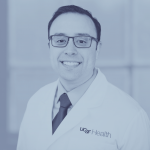
“I think neurosurgeons are sort of the gatekeepers in some ways for neuro-oncology,” says Dr Jacob Young, a Neurosurgeon focused on glioma surgery at the University of California San Francisco. “Patients often either have a seizure or a new neurological symptom or sometimes even get an MRI scan for other reasons and discover a lesion or mass in the brain that’s concerning for a tumor and that ultimately has them referred to someone like me…. So, we’re usually the first provider that’s talking to them about the impact of what we’re seeing on the MRI and what we think the best treatment approaches should be.”
The Importance of Academic Cancer Centers: Specialized Expertise
Read More- Multidisciplinary Teams: Neurosurgeons, neuro-oncologists, radiation oncologists, pathologists, and supportive care specialists routinely review cases together in “tumor boards” to determine the best personalized treatment plan.
- Advanced Technologies: Tools like intraoperative MRI, awake craniotomy techniques, and sophisticated imaging methods can help remove tumors more precisely while protecting important brain functions.
- Cutting-Edge Research and Clinical Trials: Academic centers often offer clinical trials of new drugs or surgical approaches not yet widely available elsewhere.
What Happens at the First Neurosurgery Consultation?
When you meet a neurosurgeon like Dr. Young, here’s what you can expect and what you should expect from the conversation.
The neurosurgeon will have reviewed:
- Your symptom history: seizures (the most common presenting symptom in low-grade gliomas), speech, weakness, sensory changes. As Dr. Young says,“Usually the most common symptom is a seizure, particularly for low grade tumors. Two‐thirds to 70 % of patients are first diagnosed because they have a seizure. Otherwise they could have weakness, trouble with speech, some sensory changes, confusion.”
- Your MRI and other imaging: looking at location, size, involvement of “eloquent” brain areas (areas that control critical functions), blood flow characteristics, possible grade of tumor. “Imaging interpretation is key when thinking about safety resectability.” – says Dr Young.
“Patients are often taken to the emergency room. They may get a Computed Tomography (also known as a CT or CAT scan), but often that leads to an MRI scan. The first imaging that’s done is almost always before they see someone like myself.”
However, he explains that reviewing these images is essential.
“I’m looking at the scan to determine how quickly I think something needs to be done, whether it can be done safely asleep or if we need to consider an awake operation to remove this tumor. The characteristics of the mass that might indicate if it’s going to have elevated blood flow or a particular dense tumor, things that might change what I need to be ready for surgery.” – adds Dr Young.
- Your brain function: speech, memory, motor/sensory skills, overall health.
“One of the keys when you’re considering doing surgery for a patient is how can I maximize the resection of this tumor or the removal in the safest possible way. That can be done either asleep, particularly for monitoring and mapping the motor system or awake. If we need to understand where language is located and how to preserve as much as possible for a patient. This is a very personal decision depending on how young the patient is, what they do for work, what their priorities are and their comfort level with considering an awake operation.”
- Surgical planning: whether surgery is needed now or if observation is safe along with the risks and benefits of potential surgery
“We’re up against time when patients are having neurological symptoms. If patients are struggling with speech deficits or struggling with confusion or having progressive weakness, we don’t want to wait. We want to act quickly.”
Final Thoughts: You Are Not Alone, and You Have Options
Facing a glioma diagnosis can feel overwhelming. The unknowns can be scary: Will I lose speech? Will I work again? When will the tumour grow? But the truth is: you don’t simply wait. You actively manage this: with a neurosurgeon playing a central role, guiding you with evidence, options and empathy.
Here’s a summary of take-home messages:
- A neurosurgeon is your first major partner in care” interpreting the scan, evaluating surgical needs, and protecting. your brain health
- Timing matters: you don’t always need immediate surgery but you need prompt, expert neurosurgical evaluation.
- Surgical planning is highly personalized: Awake vs asleep, extent of removal, mapping, imaging — the goal is maximum safe tumour removal with minimal functional loss.
- You should come prepared with questions, understand your functional goals (speech, mobility, life-plans), and work with a centre experienced in gliomas.
- Living after surgery is possible with good quality of life. Monitoring, rehabilitation, seizure control, emotional support and survivorship programmes make a difference.
At SurvivorNet, our commitment is to you: patients and loved ones navigating this journey.
If you’re in California and facing a glioma diagnosis, remember: choosing the right neurosurgeon and centre can make a meaningful difference. You’re not alone, and there is hope, clarity and a path forward.
Learn more about SurvivorNet's rigorous medical review process.