Dad's Sarcoma Cancer Leads to Leg Amputation
- Kevin McLaughlin, 34, was diagnosed with leiomyosarcoma, a rare cancer, after doctors initially dismissed his discomfort as “sciatica” pain and a lump on his leg continued to grow.
- He had leg fully amputated in May 2023 to remove the cancer and prevent it from spreading, but earlier this year he learned his cancer returned and spread. Now, while remaining hopeful, his loved ones are raising funds to find him new treatment.
- The word sarcoma refers to a large array of bone and soft tissue cancers. Those are then further broken down into more specific forms of the disease; there are more than 50 types of soft tissue sarcomas.
- Sarcoma is a broad term for a wide range of bone and soft tissue cancers, which are further classified into more specific types. There are over 50 known types of soft tissue sarcomas.
- If you’re not getting clear answers, consult a different doctor and seek a second opinion. Keep advocating for yourself until you receive an accurate diagnosis.”
What Are Sarcomas? Know the Types and Symptoms of These Rare Cancers
Read More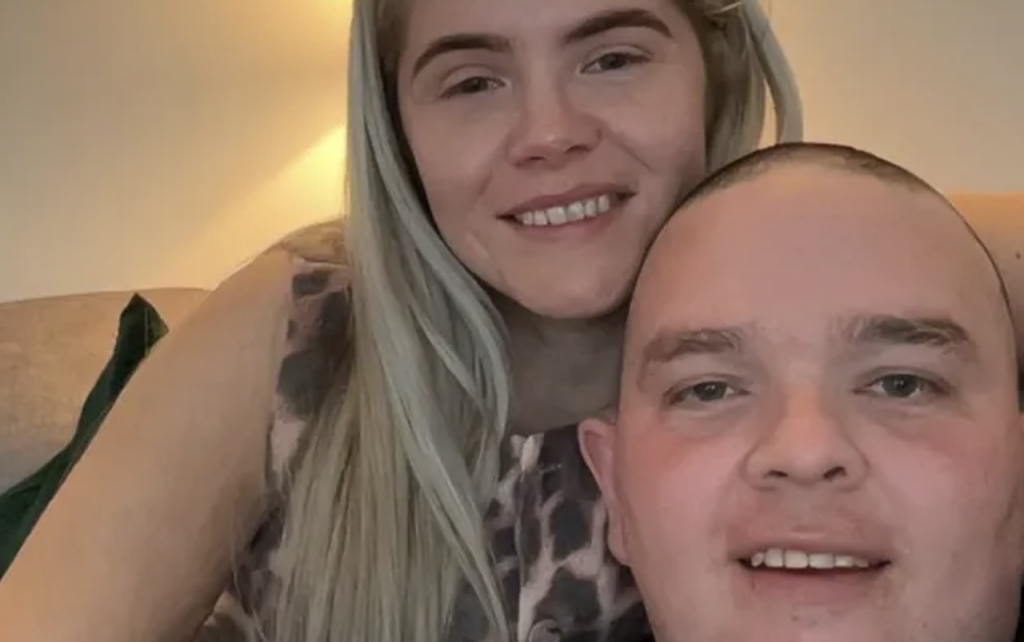
Brady explained further, “Initially, the plan was to remove the lump, and treat it with radiation. But because the cancer was spreading within the leg and around his thigh the consultant said that for a curative option, they advised a hip disarticulation.
“Kevin only had a couple of days to decide, and his leg was taken off.”
She noted how McLaughlin now has a bikini socket prosthetic, after undergoing full leg amputation surgery in May 2023.
“Since losing his leg, his main focus was to walk again. Because Kevin’s amputation was so high, he was limited to the type of prosthetics he could get. There’s not many been made for Kevin’s type of prosthetic, and it took a long time for it to be sorted, but it was life-changing for Kevin,” Brady said.
“He had been managing to do two-mile walks, which was really good because he hadn’t been able to use his original prosthetic much. Having cancer and losing his leg had been a struggle, but Kevin always remained positive. It was a struggle, but he always fought back.”
Thankfully, the surgery led him with no signs of cancer until February 2025, when he coughed up blood and sought medical advice, ultimately leading to him being told the cancer had returned.
Recounting what led to McLaughlin’s recurrence diagnosis, Brady said, “We were just watching TV and he coughed, and coughed again, and this wee blood clot came out. We phoned A&E to get it checked out due to his history, which triggered some scans. A month later he went back to The Beatson where they confirmed his cancer was back.
“It was such a shock. We had been so focused and positive about the future and then we got this news. We were told it was incurable, but treatable. There were tumours present in both lungs, so they wanted to treat him with six rounds of chemotherapy.”
She concluded, “Kevin completed three and got a progress scan. We were quite positive and wanted to remain hopeful that the chemo would work, but we got the news it had failed two weeks ago and that no other form of treatment would be offered.”
Now a GoFundMe page has been creating by Brady’s cousin Claire Macdonald, in hopes of raising enough funds to find potentially life-saving treatment or alternative therapies.
Macdonald explains on the crowdfunding page, “I’m fundraising to help my cousin Laura’s husband to be, to fight back at cancer and make every single day be what he wants it to be and not what cancer tells him how to feel.”
She added, “What we want to do is give him opportunity to try everything non medical he can to fight it and everything he can to make everyday count. Plus explore potential treatments outside the U.K.
“If you can help us in anyway then donate whatever you can…every single penny can make a difference.”
Understanding Leiomyosarcoma
According to the National Cancer Institute (NCI), leiomyosarcoma (LMS) is a type of rare and aggressive cancer that grows in the smooth muscles, located in hollow organs of the body, including the intestines, stomach, bladder, and blood vessels.
“LMS is a type of soft tissue sarcoma and makes up between 10% to 20% of soft tissue sarcoma cases,” the NCI explains, noting that it’s more common in adults than children.
Symptoms of LMS depend on the tumor’s size and location. Although some people won’t experience symptoms when the cancer arises, symptoms when the tumor enlarges may include:
- Pain
- Unintentional weight loss
- Nausea and vomiting
- Lump under the skin
Treatment for this type of sarcoma depends on the size and location of the tumor.
Surgery is the best form of treatment as when the tumor gets completely removed, its very likely the LMS is cured. However, if cancer cells remain, the cancer is likely to return in the same spot or another part of the body.
Radiation therapy can be used to prevent the tumor from growing back after surgery.
Additionally, chemotherapy is used when LMS tumors or large, or the cancer cells have already spread to another areas of the body.
All About Sarcoma Cancer
Sarcomas are cancers that arise from the cells that hold the body together. They can occur in muscles, nerves, bones, fat, tendons, cartilage or other forms of connective tissues.
“There are hundreds of different kinds of sarcomas, which come from different kinds of cells,” Dr. George Demetri, director of the Sarcoma and Bone Oncology Center at Dana-Farber Cancer Institute and Harvard Medical School, told SurvivorNet in an earlier interview.
The word sarcoma refers to a large array of bone and soft tissue cancers; those are then further broken down into more specific forms of the disease, however, we will not list them all as there are more than 50 types of soft tissue sarcomas.
“Sarcomas are rare and the cause in most patients is unknown,” Dr. Vishal Gupta, site director of Radiation Oncology at The Blavatnik Family Chelsea Medical Center at Mount Sinai, previously toldSurvivorNet.
More On Sarcomas
- New Hope for People with a Rare Type of Cancer Called Epithelioid Sarcoma
- What Are Sarcomas? Know the Types and Symptoms of These Rare Cancers
- A Sore Leg Leading To Cancer? A 17-Year Old Boy Complained About Discomfort In His Hamstring And Was Diagnosed With Ewing Sarcoma
- Gold-Medal Winning Paralympian Shares Touching Letter From Fan, 10, Who Also Had Leg Amputated After Osteosarcoma Diagnosis
- Dancing in the Rain: Osteosarcoma Survivor Sona Kocinsky’s Story of Bravery, Resilience and Hope
The word sarcoma refers to a large array of bone and soft tissue cancers, and individual cancers within that set go by unique names. For instance, other types of sarcomas include:
- Ewing’s sarcoma is a cancer that typically occurs in and around the bones, often in the arms or legs, or the bones of the pelvis. It most commonly occurs in children and young adults.
RELATED: Celebrating the Life of Top Chef’s Fatima Ali, Who Had Ewing’s Sarcoma
- Kaposi sarcoma is a very rare type of cancer that causes lesions on the skin, in lymph nodes, organs, and the mucous membranes of the mouth, nose, and throat. It typically affects people with compromised immune systems, such as those with HIV.
- Epithelioid sarcoma is a type of soft tissue cancer that grows slowly. It is likely to begin under the skin of areas like the finger, hand, forearm, lower part of the leg, or foot.
- Synovial sarcoma, also called malignant synovioma, is a cancer that can form soft tissues such as muscle or ligaments, commonly close to joints or in areas like the arm, leg, or foot.
- Osteogenic sarcoma, also called osteosarcoma, starts in the bone, often as it is forming as a young person grows.
- Spindle cell sarcoma is very rare, comprising as little as 2 percent of all primary bone cancer cases. It can start in the bone, often in the arms, legs, and pelvis, and usually occurs in people over 40.
- Angiosarcoma: a rare cancer that develops in the inner lining of blood vessels and lymph vessels. It can occur anywhere in the body but is most often found in the skin, breast, liver and spleen.
Sarcoma Symptoms
The typical symptom of sarcomas is a slow-growing, painless mass. But sarcoma can be hard to detect through symptoms. “Unfortunately, most sarcomas do not cause many of the symptoms that may be associated with other cancer,” Dr. Dale Shepard, director of the Cleveland Clinic Taussig Cancer Institute Phase I and Sarcoma Programs, told SurvivorNet in an earlier interview.
Shepard explains that this often leads to large tumors at the time of diagnosis. “Soft tissue sarcomas are typically painless,” he says.
“Bone sarcomas may be mistaken for orthopedic injuries. A mass the size of a golf ball or larger and growing should be evaluated as a potential sarcoma. It’s important that patients who do have symptoms are not dismissive of them.”
Sarcoma Survivor Kara Ladd found solace in Reiki, Meditation, and Energy Healing During Treatment
Carcinoma Vs. Sarcoma Explained
Dr. Gupta explains to SurvivorNet that the main difference between a sarcoma and a carcinoma is where they originate. “”A sarcoma typically occurs in soft/connective tissues of the body such as fat, muscle, blood vessels, bones, and nerves whereas a carcinoma typically occurs in organs such as the lung, prostate and breast.”
RELATED: New Hope for People with a Rare Type of Cancer Called Epithelioid Sarcoma
Or as Dr. Shepard puts it, a carcinoma comes from the cells that line organs (think lung, colon, or prostate), while a sarcoma comes from the cells that otherwise make up the organ: “Sarcomas are tumors in what people are made from after the organs are removed.”
Sarcomas may be treated by surgery, radiation therapy, and chemotherapy. Many patients benefit from treatment with more than one of these methods, Dr. Shepard explains.
Sarcoma Survivor Kara Ladd found solace in Reiki, Meditation, and Energy Healing During Treatment
“More than other types of cancer, the benefits of multidisciplinary care should prompt most patients to be seen by a group that specializes in treating sarcoma.” Dr. Shepard says.
“Even if only for a second opinion or to develop a treatment plan, multidisciplinary care is crucial. As examples, patients may benefit from surgical resection or radiation therapy even with metastatic disease. Patients may benefit from the addition of chemotherapy to radiation therapy prior to surgery to resect a sarcoma.”
The Importance of Advocating For Your Health & Getting a Second Opinion
Kevin McLaughlin’s sarcoma story showcases the utmost importance of being your own healthcare advocate. And, sadly, it isn’t unheard of patients having their health concerns over looked or misdiagnosed.
Additionally, after receiving a cancer diagnosis, it’s important to remember that you can and should talk to other cancer specialists about your disease.
“If I had any advice for you following a cancer diagnosis, it would be, first, to seek out multiple opinions as to the best care,” National Cancer Institute Chief of Surgery Steven Rosenberg told SurvivorNet in a previous interview. “Because finding a doctor up to the latest information is important.”
RELATED: Second (& Third) Opinions Matter When Deciding Between Surgery or Radiation
As we highlight in several areas of SurvivorNet, highly respected doctors sometimes disagree on the right course of treatment, and advances in genetics and immunotherapy are creating new options.
Also, in some instances, the specific course of treatment is not clear-cut. That’s even more why understanding your disease’s potential approaches is crucial.
At the National Cancer Institute, a patient referral service will “guide patients to the right group depending on their disease state so that they can gain access to these new experimental treatments,” Rosenberg says.
Cancer Research Legend Urges Patients to Get Multiple Opinions
Furthermore, getting another opinion may also help you avoid doctor biases. For example, some surgeons own radiation treatment centers. “So there may be a conflict of interest if you present to a surgeon recommending radiation because there is some ownership of that type of facility,” Dr. Jim Hu, director of robotic surgery at Weill Cornell Medical Center, tells SurvivorNet.
Other reasons to get a second opinion include:
- To see a doctor who has more experience treating your type of cancer
- You have a rare type of cancer
- There are several ways to treat your cancer
- You feel like your doctor isn’t listening to you or isn’t giving you sound advice
- You have trouble understanding your doctor
- You don’t like the treatment your doctor recommends or are worried about its possible side effects.
- Your insurance company wants you to get another medical opinion
- Your cancer isn’t improving on your current treatment
Be Pushy, Be Your Advocate, Says Leading Expert
The bottom line is that being proactive about your health could be life or death. Learn as much as possible from as many experts as possible so you know you did your best to take control of your health.
Contributing: SurvivorNet Staff
Learn more about SurvivorNet's rigorous medical review process.