
Learning to Live With Cancer
- Actor Bruce Campbell’s experience with a “treatable, not curable” cancer highlights a growing shift in oncology toward managing some cancers as chronic conditions, allowing patients to maintain their quality of life while continuing daily activities and pursuing personal goals.
- Although Campbell has not publicly disclosed his cancer type, patients with chronic lymphocytic leukemia (CLL) often face a similar reality.
- Dr. Gary Schiller at UCLA’s David Geffen School of Medicine describes CLL as a “marathon, not a sprint,” with careful monitoring and treatment used strategically to manage a disease that is generally considered treatable but not curable.
- The psychological impact of an incurable cancer diagnosis can be significant, with studies showing anxiety and depression are common after a CLL diagnosis. Physicians say education, reassurance, and risk assessment help many patients learn to live with a manageable chronic disease.
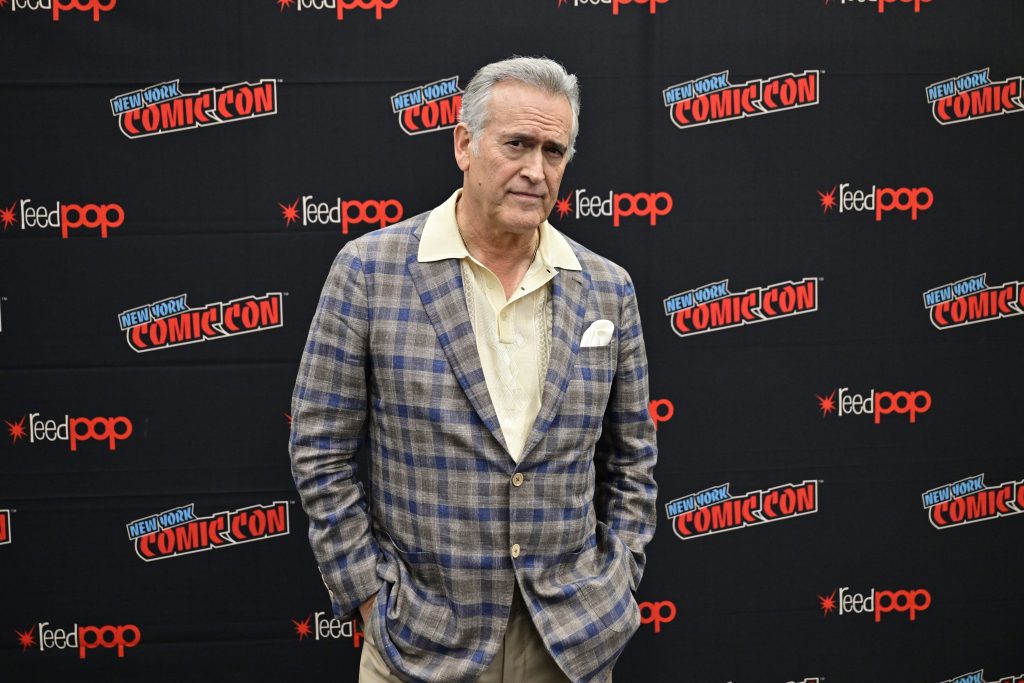
The 67-year-old actor, best known for his cult-classic role in “The Evil Dead,” has spoken openly about living with an undisclosed cancer he describes as “treatable, not curable.”

“If you have slowly growing weeds that really over many, many, many years may replace your nicely manicured grass, you will have a different approach than you might if you had a weed on the lawn that rapidly, in the course of one season, displaced everything on the lawn,” Schiller explains.
Since CLL often progresses slowly, physicians may recommend active surveillance, sometimes called “watch and wait,” before initiating treatment. The goal is to balance the benefits of therapy against potential side effects and begin intervention when it is most likely to improve outcomes.
Yet even when a cancer can be successfully managed for years, the emotional impact of hearing the words “you have cancer” can be profound.
Hey, Windy City! My latest film, Ernie & Emma, will be playing at Chicago’s Wrigleyville Alamo Drafthouse November 7–12. https://t.co/snnVLftHWC
— Bruce Campbell (@GroovyBruce) October 24, 2026
Dr. George Yaghmour, a hematologist at USC Norris Cancer Center, says many patients initially assume the worst after a leukemia diagnosis.
“At the beginning, they go through the phase of, like, ‘Oh my gosh, I have leukemia, I’m dying,’” Yaghmour says.
Research has shown this reaction is common.
A study published in “General Hospital Psychiatry” found that anxiety, depression, and other forms of psychological distress frequently emerge soon after a CLL diagnosis, often before treatment is even required. During this period, uncertainty about the disease and its future course can be particularly challenging for patients.
Yaghmour says education plays a critical role in helping patients move beyond that initial fear. Understanding an individual’s risk profile, including genetic and cytogenetic factors, helps patients and clinicians determine when treatment is needed and what to expect moving forward.
The same mindset often applies to people living with metastatic cancers. While these diseases are generally considered incurable because they have spread beyond their original site in the body, advances in treatment continue to improve disease control, allowing many patients to maintain their quality of life and, in some cases, live for years after diagnosis.
That perspective appears to resonate with Campbell. When he revealed on social media last spring that he was living with a form of cancer that is “treatable, not curable,” he chose to frame the diagnosis with characteristic optimism.
“These days, when someone is having a health issue, it’s referred to as an ‘opportunity,’ so let’s go with that. I’m having one of those,” he wrote.
He later told “The Statesman Journal” that the diagnosis had not changed his approach to life.
“It doesn’t change anything for me. It makes you prioritize 100 percent, and for me, the priority is this movie.”
As Campbell focuses on his latest project, “Ernie and Emma,” he embodies an approach many cancer specialists encourage: acknowledging the reality of a chronic cancer diagnosis without allowing it to define every aspect of life.
For patients living with treatable but incurable disease, the goal is often not just survival, but continuing to pursue the people, passions, and priorities that matter most.
Helping Patients Manage Their Mental and Emotional Health
- How Can Genetic Testing Help Determine the Right Form of Mental Health Treatment?
- Mental Health Matters: Depression, Anxiety, And Finding Hope After A Brain Tumor Diagnosis
- Mental Health and Cancer — The Fight, Flight or Freeze Response
- Mental Health: A Guided Breathing Exercise to Help Manage Anxiety
- Mental Health: Coping With Feelings of Anger
- Mental Health: Understanding the Three Wellsprings of Vitality
- How to Be Realistically Optimistic: Coping With Mental Health Long-Term
Help Coping With a Cancer Diagnosis
If you are facing a cancer diagnosis, your emotions are likely to run high, which is completely normal. Psychiatrist Dr. Lori Plutchik says emotions are often fluid when coping with a diagnosis.
“The patient or person going through the stressful event should accept that emotions will be fluid. You may feel fine one day and then feel a massive wave of stress the next. It’s also important for those you look to for support, whether that’s a therapist, friends, and family, or both, to understand the fluidity of stress-related emotions,” Dr. Plutchik said.
WATCH: How to cope with complex and changing emotions.
If a stressful event affects how you think and feel, it may be time to seek mental health treatment. This could mean traditional talk therapy, medication, changing lifestyle habits (like exercise and diet), seeking a support group, or many other approaches.
SurvivorNet experts suggest women may need a little extra help coping with a breast cancer diagnosis.
- Let your family and close friends know, and let them help. So many cancer survivors tell us they want and need support, but are often too preoccupied to make specific requests. Urge those close to you to jump in with whatever practical help they can offer.
- Keep a journal. It can be extremely cathartic to let those feelings loose on paper. Grab a pen and a nice journal and chronicle your thoughts throughout the day.
- Join a cancer support group. Groups in nearly every community offer opportunities to connect with others going through a similar journey. You’ll learn constructive insight from others who can tell you what to expect and how to stay strong on tough days.
- Consider seeing a therapist. Ask your doctor to refer you to a therapist so you can discuss your fears and concerns in a safe space. Often, vocalizing your thoughts and feelings rather than internalizing them can provide relief.
Building the Courage to Share
Campbell chose to bravely share his diagnosis on social media. Some people battling a disease or cancer are open to sharing their experiences as much as they can, while others prefer to keep it to themselves or close loved ones. SurvivorNet experts say both approaches, and everything in between, are valid.
“Patients who have just been diagnosed with cancer sometimes wonder how they are going to handle the diagnosis of the cancer in social situations,” psychiatrist Dr. Lori Plutchik explains.
Plutchik says patients consider questions like “How much information should they share and with whom should they share the information?”
Dr. Plutchik explains, “There is no one right way to handle this diagnosis. People should do what feels right to them.”
WATCH: Sharing your diagnosis.
A cancer journey can last months to years, which means cancer warriors may be experiencing a lot of uncertainty until they fully understand where their health stands. This uncertainty can influence when a cancer patient is ready to share their diagnosis, Dr. Plutchik further explained.
Dr. Plutchik stresses that those close to a person going through cancer should be respectful of their wishes when it comes to disclosing their diagnosis and seeking support.
Get Added Clarity On Your Diagnosis
As patients and their caregivers adjust to their cancer journey, SurvivorNet’s proprietary AI tool, “My Health Questions,” is here to make the transition a bit easier.
WATCH: How One Cancer Survivor and Her Sister Used “My Health Questions” to Navigate Care
This powerful resource, embedded across the SurvivorNet website, was built to bridge that gap by offering on-demand explanations of treatment options, clinical trials, side effects, insurance concerns, and more. Users can ask questions conversationally, either by typing or using their voice, and receive answers tailored to their individual profiles. If patients don’t know where to start, we provide prompt questions to get them started.
Learn more about SurvivorNet's rigorous medical review process.


