Finding Support Through Prostate Cancer
- After surviving prostate cancer, St. Louis native Mellve Shahid turned his battle into a mission and created an organization focused on support, which is now transforming lives in the African-American community. Shahid was recently honored as a Hometown Hero at a St. Louis Cardinals game for his powerful advocacy and impact.
- Prostate cancer screening guidelines released last year urge Black men to begin screening at 40 years old, which is 10 to 15 years earlier than men at average risk because, according to SurvivorNet’s medical experts, they are two or three times more likely to die from the disease.
- For more on Shahid and other inspiring survivors, check out “Men Beating The Odds” — a series that shares the powerful stories of men overcoming prostate cancer and redefining what it means to survive. Watch here.
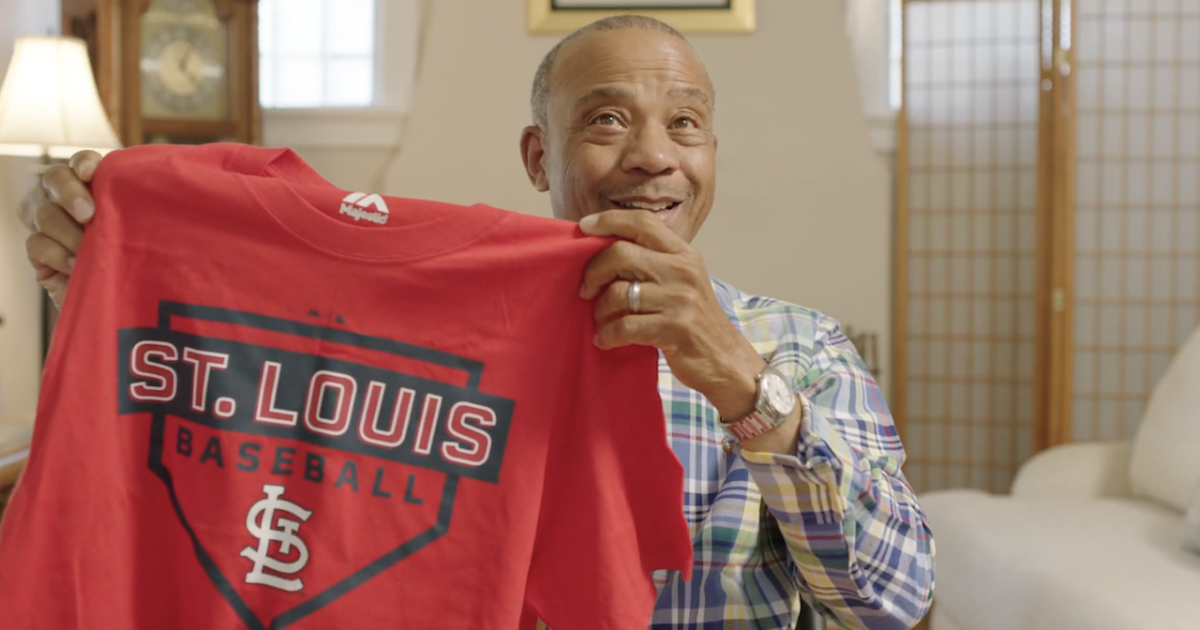
During Prostate Cancer Awareness Month in September, Mellve was surprised with tickets to St. Louis Cardinals baseball game at Busch Stadium in Missouri, where he received a Hometown Hero award. The St. Louis native was honored not just for beating prostate cancer, but for becoming a powerful voice of advocacy and inspiration for others on a similar journey.
Read MoreAccording to the CDC, Black men face a significantly higher risk of developing prostate cancer compared to men of other racial or ethnic backgrounds. They are also more than twice as likely to die from the disease and 1.7 times more likely to be diagnosed with it.
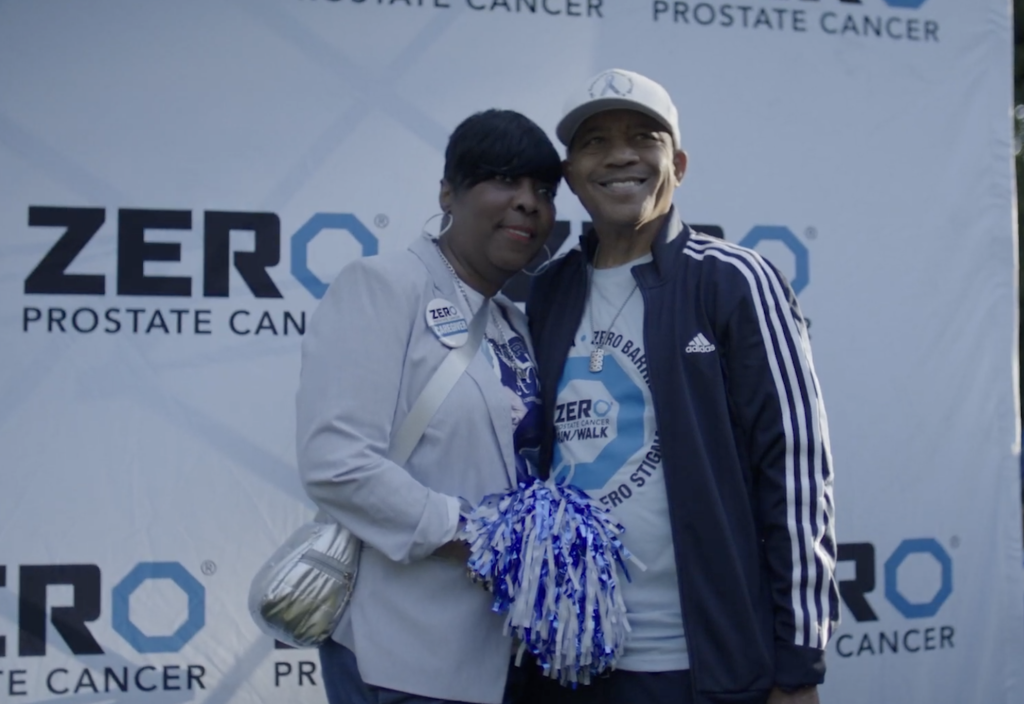
Shahid urged others: “Register, get tested for prostate cancer, follow up, and also our message this year is this is what beating prostate cancer looks like.
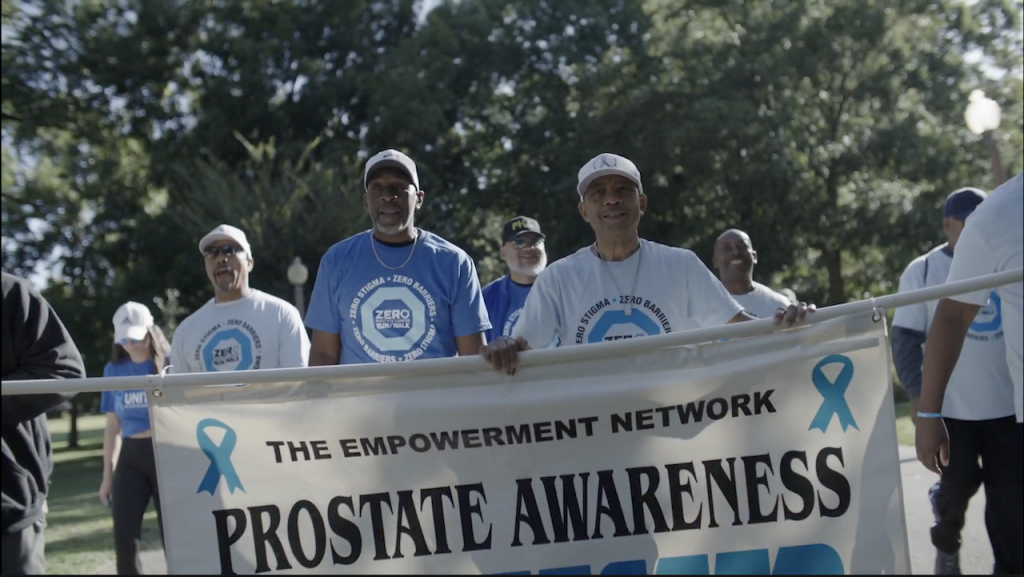
“For survivors, back to living, back into their life, back to being on vacation, back to being grandfathers again. From a whisper to a conversation all the way to a billboard. That’s the Empowerment Network.”
In touching footage, members of Shahid’s organization share how The Empowerment Network transformed their lives — helping them feel supported, seen, and no longer alone in their journey.
Shahid’s wife Hurnietha Shahid also recognized her husband’s hard work in raising awareness following his diagnosis.
RELATED: NBA Legend Alonzo Mourning On How Talking To Friends About Health Saved His Life
When Shahid was gifted with Cardinals tickets by his loving wife, and devoted caregiver, he admitted he hadn’t been to a game since the coronavirus pandemic.
“This is fantastic. I grew up on baseball season, that’s what I grew up on. St. Louis Cardinals,” he said.
He recounted watching his “idol” — center fielder Willie Howard Mays Jr., dubbed the “the Say Hey Kid.” Shahid admitted he’s forever in awe of the MLB team he was raised watching, which boasts 11 World Series wins and have 19 National League pennants.
Now, similar to how the Cardinals have sparked passion in thousands of fans — Shahid has been able to encourage his community of Black men to get checked for prostate cancer and come together to offer guidance.
Shahid said, “I wish that men throughout the world knew that early detection is the best protection. I wish that men knew that early detection saves lives.

“I wish that men knew that early detection can keep them here on earth to be better fathers and grandfathers and better patients for their doctors.”
Shahid concluded, “You don’t need a prostate gland to be a man. You’re still a man. You’re still a father. You’re still a grandfather. You’re still an uncle. The prostate gland does not define the man. The man defines the man.
“An advocate is someone who fights for a cause. And that’s a part of the mission. Mellve Shahid is an ordinary man that helps and serves ordinary people,” he added.
Expert Prostate Cancer Resources
- The PSA Blood Test and a Rectal Exam are Vital for Prostate Cancer Screening
- There’s No One Definitive Symptom for Prostate Cancer, But There Are Clues
- 10 Prostate Cancer Terms You Need To Know
- A Guide For Newly Diagnosed Prostate Cancer Patients
- A Patient Guide To Prostate Cancer Testing
- Adjusting to Your New Normal After Prostate Cancer Diagnosis
- A Message Of Hope For Men Fighting Advanced Prostate Cancer
Looking back to when he was first diagnosed with stage 2 prostate cancer about 18 years ago, Shahid recalled his doctor telling him his cancer was “aggressive” and “if you don’t get on top of this, you got about two years to live.”
The diagnosis ignited his passion to journal at all times of the day, even at night when he couldn’t sleep, but it’s something he credits to helping him heal.
And for his wife’s ability to remain by his side through the hard times, he told SurvivorNet, “Hurnietha Shahid is my rock. She’s my boo. She is my everything.”
In turn, his wife said, “He’s my king. I’m his queen and I love it about him.”
It’s a true honor to hear Shahid’s story of his cancer fight, the unwavering care he received from his wife, and how he turned that experience into a source of strength by building a supportive community for other men fighting the same disease.
WATCH: How to Address Racial Disparities in Cancer Care
Screening Guidelines & Crucial Early Detection for the Black Community
The U.S. Preventive Services Task Force recommends that men aged 55 to 69 who are at average risk of prostate cancer have a conversation with their doctor to weigh the potential benefits and risks of screening.
The American Cancer Society advises that men at average risk start prostate cancer screenings at age 50. However, those at higher risk — such as men with a family history of the disease — are encouraged to begin screenings as early as age 40, with some experts recommending annual checkups in their 30s if a close relative has been diagnosed.
Updated guidelines released last year specifically recommend that Black men begin screening at age 40 — up to 15 years earlier than the general population — due to their increased risk of developing the disease.
WATCH: Screen Early If Prostate Cancer Runs In Your Family
“Prostate cancer affects men of all walks of life but it affects them differently,” Dr. Edwin Posadas, Director of Translational Oncology and the Medical Director of the Urologic Oncology Program at Cedars-Sinai, told SurvivorNet in an earlier interview.
“For example, the incidence of prostate cancer in African-American men is 60 percent higher, and they are two to three times more likely to die from the disease.”
Content independently created by SurvivorNet with support from Novartis Pharmaceutical Corp.
Learn more about SurvivorNet's rigorous medical review process.