
Support Through Prostate Cancer
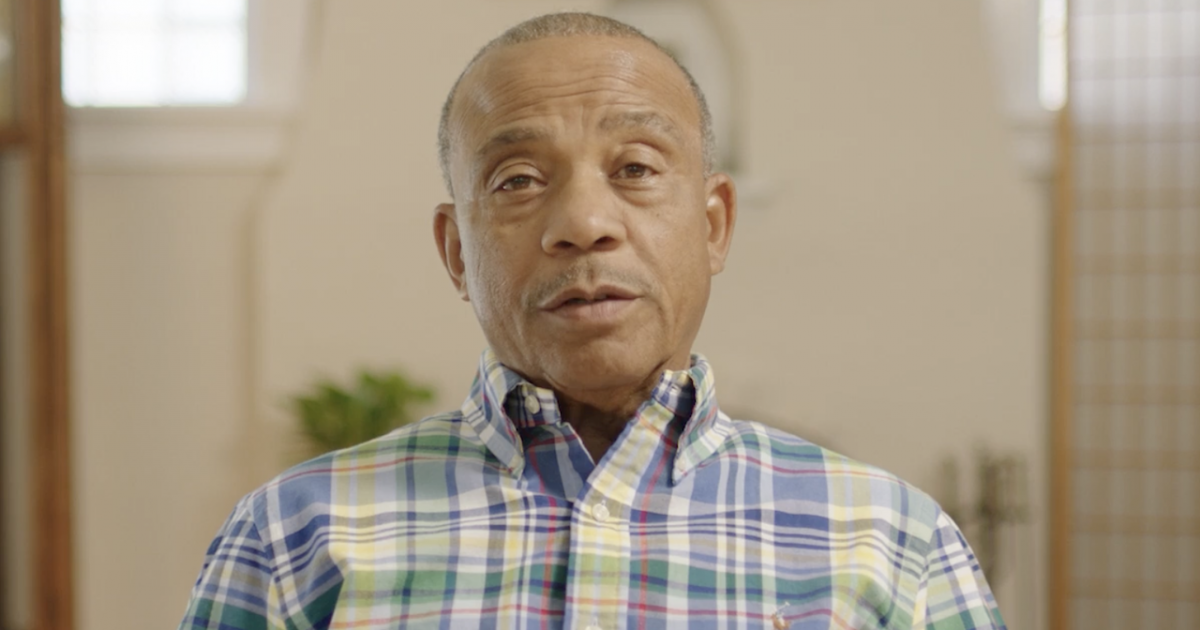
- Being diagnosed with prostate cancer can feel incredible overwhelming, however, it’s important to have a community of support when navigating cancer. That’s why survivor Mellve Shahid created a group to confront a disease that disproportionately affects African-American men.
- Shahid founded The Empowerment Network Inc. (TEN) to provide culturally responsive education, support, and advocacy focused on prostate cancer. The organization works to raise awareness, reduce mortality, and enhance the overall health and well-being of men and their families.
- Black men are at increased risk for prostate cancer, a disparity influenced by genetic predisposition, environmental exposures, lifestyle factors, and unequal access to healthcare.
- In honor of Prostate Cancer Awareness Month, Shahid shared his story in SurvivorNet’s new 12-film series titled “Men Beating The Odds,” hosted by NFL Legend Emmitt Smith.
Shahid is the proud founder and board president of The Empowerment Network Inc (TEN), an organization which offers education on prevention, intervention, research, support, and advocacy that is culturally sensitive, focusing on prostate cancer awareness for men and their families. TEN promotes effective approaches to reducing deaths from prostate cancer and improving the health and quality of life for men and their families.
Read More“Sometimes in the community, you have to become the service that’s needed. So me and my late co-founder, Isidore Wayne, may God rest his soul, we started our own support group.”
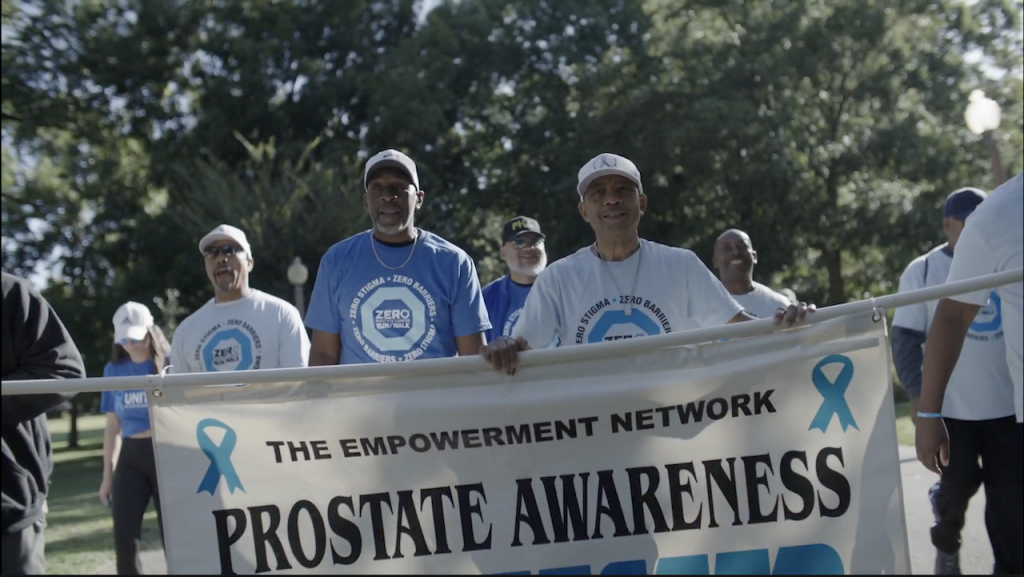
He continued, “We started with seven prostate cancer survivors. Now, we have over 250 prostate cancer survivors that make up our organization.
“I gave my life away. I gave my life away so that God could use me.”
Shahid’s conversation with SurvivorNet came shortly after the American Cancer Society (ACS) published a 2025 report on prostate cancer statistics, revealing a concerning increase in prostate cancer cases across the United States.
After years of decline, prostate cancer cases have risen by 3% annually since 2014, with advanced-stage diagnoses increasing even faster. It was found that mortality rates, once dropping by up to 4% each year, have slowed to a 0.6% yearly decrease. Additionally, stark racial disparities remain — Black men are twice as likely to die from the disease as white men, and Native American men face higher death rates despite lower incidence.
The ACS report highlights the importance of men having conversations about prostate cancer screening by age 50, and for those at higher risk, such as Black men and anyone with a family history of the disease, to start screening at age 45 or earlier.
Offering greater clarity about what The Empowerment Network (TEN) has to offer, Shahid told SurvivorNet, “We helped to make it a conversation. By engaging men in conversation, we got them to talk about it. It was only whispered by men.
“Now men are talking about a disease that’s claiming lives in the community and I am proud to say that this little cancer organization helped to make those changes.”
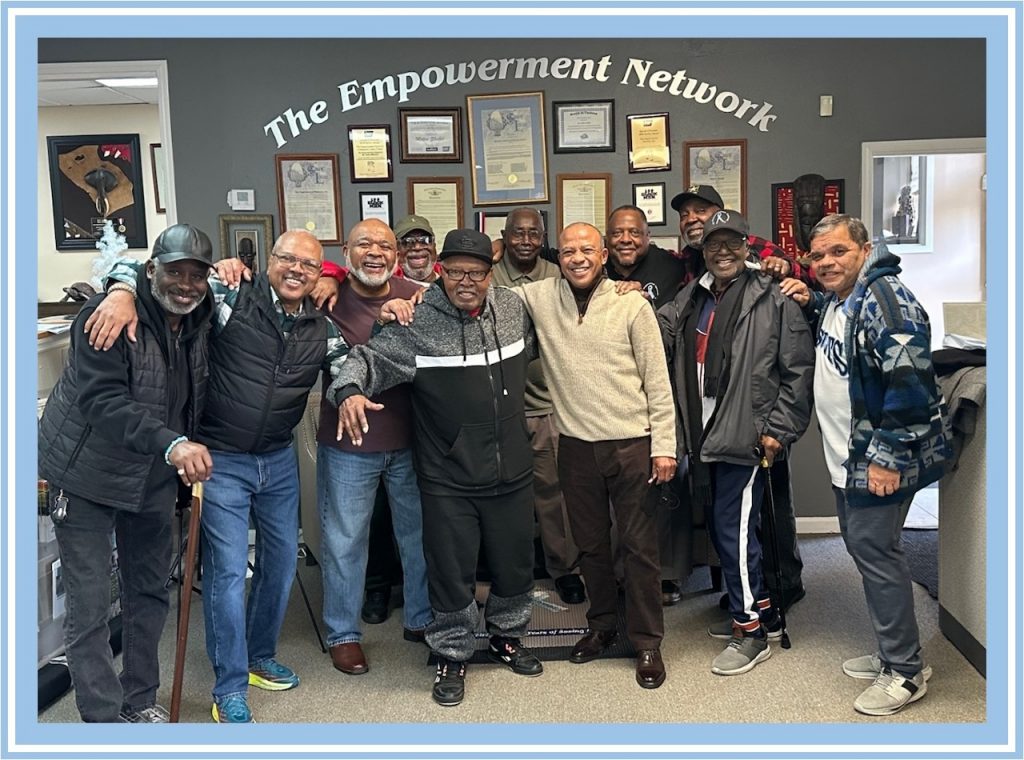
Men who have joined TEN have praised the organization for helping them both “emotionally and physically” and giving them a feeling of “enlightenment to be around their brothers.”
“It’s a physical battle, but it’s also a mental battle that I was struggling with … but when I came to the first support group meeting and I saw all these men that had been through of what I was going through and the encouragement, and the love that was there, I fed off that,” one member explained.
“It let me know, ‘Hey! You can beat this.’ And the biggest thing I found out last month is my cancer is in remission.”
Expert Support Resources
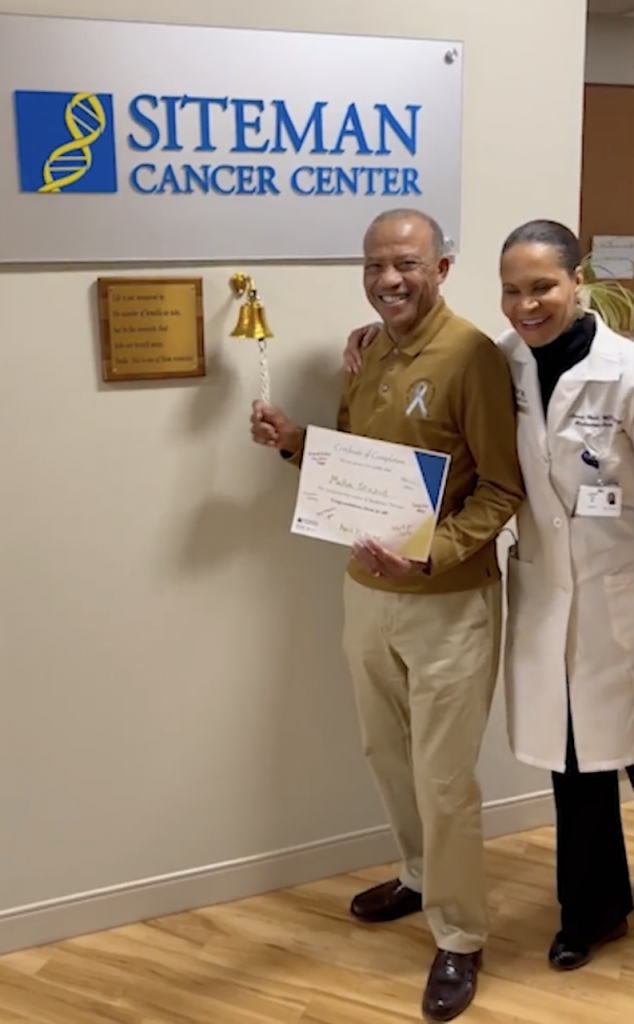
Referring to the golden bell located at the heart of his organization, called the “I Survived Bell of Hope,” Shahid explained, “This bell right here, this means that we have a victory.
“In order to get through it, you’ve got to go through it.”
Shahid, who advises, “When you help others, the helping comes back to you,” then said he experienced prostate cancer recurrence this year.
“It shook me for a moment, but my blessing was, this time around, 18 years later making great friends in advance, like [Washington University radiation oncologist] Dr. Lannis Hall, who was like my angel … she helped to save my life.”
“The resources, the friendships, the collaborations, the partnerships, and the support group that I have formed all came back to me because those same men that I had given support and counseling to were now giving support and counseling back to me,” he added.
“Currently, my status is I am cancer-free once again. Praise God. 0.01 undetected.”

Dr. Hall also spoke with SurvivorNet, offering more insight as to how prevalent prostate cancer is among Black men.
“African-American men are at high risk for developing the disease and dying from it. Many men really become so fearful over the idea of treatment that they don’t even pursue it. Treatment options are highly successful, but only when diagnosed in earlier stages,” she explained.
Dr. Hall also commended Shahid for being such an influence in his community, saying, he’s “not an extraordinary guy, but what he does do is show us a path for all of us to be extraordinary by having a dream, a dream of helping others, and using all of his talents to effectively deliver on that dream.”
Prostate Cancer Screening and Warning Signs
Prostate cancer is the most frequently diagnosed cancer among men. It develops in the prostate — a small, walnut-sized gland located between the bladder and rectum that helps produce seminal fluid. Fortunately, regular screenings often detect it early.
When screening for prostate cancer, doctors typically begin with a few key tests. One common method is the PSA (prostate-specific antigen) blood test, which measures PSA levels in the bloodstream. While elevated PSA levels may raise concern, they don’t always indicate cancer; they can also result from an enlarged prostate, infection, or inflammation.
Your doctor may also conduct a digital rectal exam (DRE) to check your prostate for lumps. If either the DRE or PSA test reveals concerning findings, additional tests, like a biopsy, may be needed for further assessment.
WATCH: Screen Early If Prostate Cancer Runs In Your Family
Prostate cancer does not always behave the same in every man it impacts. The cancer can be considered “low-risk” and can be slow-growing, and treatment might not be necessary. In other men, the cancer may grow faster or more aggressively, requiring more immediate treatment. Because of this, there is some debate about screening.
The United States Preventive Services Taskforce recommends men at average risk between the ages of 55-69 years old should talk with their doctor about the pros and cons of prostate cancer screening — but there is some debate about the best time to begin screening.
The American Cancer Society recommends that men at age 50 who are at average risk should begin screening — and men who are at high risk of prostate cancer should begin screening at age 40. Men with a close relative diagnosed with prostate cancer might consider annual screenings in their 30s. Speak to your doctor about your personal situation to get the best recommendations about when to begin screening.
Experts at SurvivorNet recommend that men take into account their age, genetic background, and family history when determining if and when to undergo prostate cancer screening — and to be aware of symptoms.
Symptoms of prostate cancer may include:
- Urinating more often
- Waking up in the middle of the night to pee
- Blood in your urine
- Trouble getting an erection
- Pain or burning when you urinate
- Pain in your back, hips, thighs, or other bones
- Unexplained weight loss
- Fatigue
WATCH: How to Address Racial Disparities in Cancer Care
Content independently created by SurvivorNet with support from Novartis Pharmaceutical Corp.
Learn more about SurvivorNet's rigorous medical review process.
