
Reaching Milestones During Your Cancer Journey
- Actress Miranda McKeon, 24, is marking five years since her stage 3 hormone‑positive breast cancer diagnosis; stage 3 disease often involves lymph node spread and typically requires chemotherapy, radiation, and aggressive hormonal therapy.
- Her treatment included chemotherapy, a double mastectomy (removal of both breasts) with breast reconstruction. She also needed 25 rounds of radiation, and ongoing ovarian‑suppression therapy with Lupron to reduce estrogen levels and lower recurrence risk.
- McKeon says reaching the five‑year milestone brings both gratitude and anxiety; although she is in remission, she’s considering a PET scan for peace of mind as she navigates fears of recurrence common among young survivors.
- Breast cancer survivorship begins after active treatment ends, when patients are closely monitored to stay healthy, recover from side effects, and maintain habits that lower recurrence risk, including completing long‑term therapy, which can last 5–10 years and may cause challenging side effects, Drs. Erica Mayer and Elisa Port explain.
Stage three breast cancer typically refers to a relatively large tumor that may have invaded nearby skin or muscle tissue. It may also mean that lymph nodes near your breast and/or under your armpit are involved. In most cases, stage three breast cancers will need chemotherapy. If the cancer is also hormone receptor-positive, aggressive hormonal therapy may be offered as well.
Read More
View this post on Instagram
In past years, she’s spent the day reflecting, practicing gratitude, and doing things she loves. However, this year was different. In fact, she says it wasn’t until mid‑afternoon that she realized what day it was.
“It was the morning after the Knicks won, and I truly hadn’t known what day it was until 3 PM when my mom texted a long paragraph in our family group chat,” she said.
Instead of being consumed by memories of fear and uncertainty, she was cleaning her apartment, grabbing bagels with friends, and simply living.
“How lucky was I to be too busy, too actively present, too ALIVE… to know what day it was. I think that’s exactly why it was my favorite diagnosis day anniversary yet.”
From Shock to Survival: A Journey That Started at 19
McKeon’s cancer story began with a jellybean‑sized lump she discovered during a routine moment at a party she previously explained in an Instagram post.
Shortly after, she received a mammogram and biopsies to confirm in June 2021 that she had been diagnosed with stage 3 hormone‑positive breast cancer.
She underwent chemotherapy, a double mastectomy (removal of both breasts) with breast reconstruction. She also needed 25 rounds of radiation for her treatment regimen.
WATCH: When to consider a mastectomy?
A mastectomy is the removal of the entire breast during surgery. There are several factors to weigh when considering a mastectomy, such as whether breast-conserving surgery (or lumpectomy) is possible. Your doctor will evaluate the size and features of your tumor and your family history to make a recommendation.
In some cases, a double mastectomy is a viable treatment option. During this procedure, both breasts are removed to get rid of cancer. A double mastectomy may also be performed as a preventative measure for women who are at a very high risk of developing breast cancer.
Worried about her ability to one day have a family of her own, she also froze her eggs before treatment, knowing hormone therapy could affect her fertility.
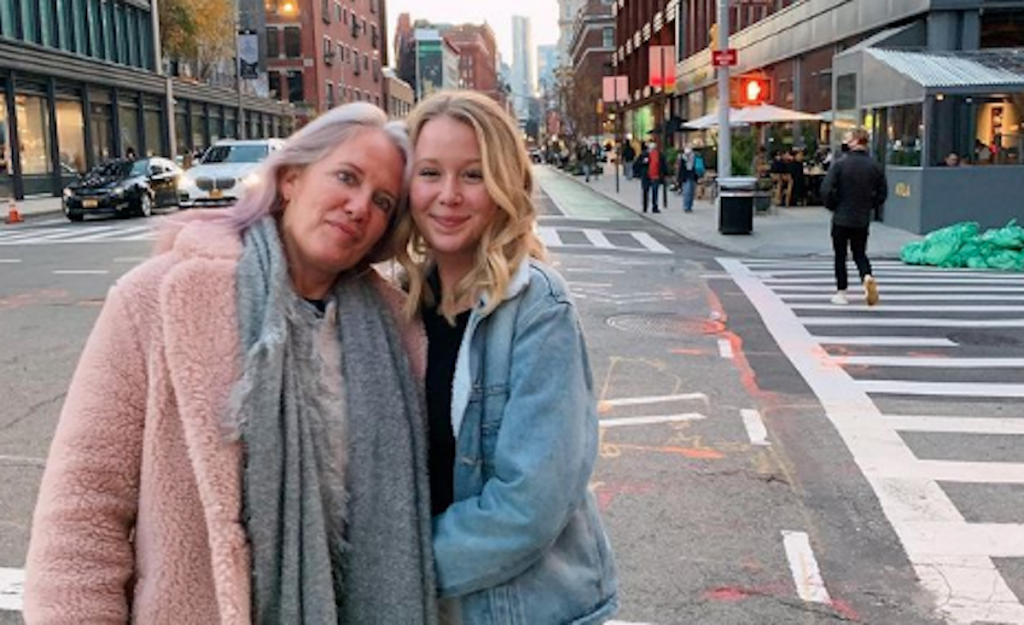
McKeon also relies on Lupron (generic name leuprolide), a hormone therapy shot that aims to reduce her estrogen levels so her cancer does not grow.
“This shot is what keeps me in medically induced menopause. What it does is quiet the ovaries…Lupron keeps them quiet like a little baby and lets the chemotherapy pass over without doing a ton of damage,” McKeon explained.
WATCH: Understanding hormone therapy for breast cancer.
Lupron (generic name leuprorelin) is a type of hormone therapy for breast cancer. It acts as an ovarian suppression drug that stops the ovaries from making the hormone estrogen.
Lupron is usually given by injection into a muscle once a month or every three to six months. The length of treatment varies, and your doctor can determine that information.
Some known side effects of Lupron may include tiredness or fatigue, hot flashes, spotting, and muscle or joint pain.
Hormone therapy is used for hormone receptor-positive cancers. When a tumor is “hormone receptor-positive,” it means tests reveal the cancer is positive for either the estrogen and/or progesterone receptor. Cancers of this type need estrogen and/or progesterone to grow.
Her treatment helped her reach remission, though she continues treatment to offset recurrence.
Her diagnosis came with emotional fallout, too. To help her cope, she says therapy became a lifeline.
“I didn’t want it to be a case where I had that experience and was tucking it away in a box and putting it on a shelf… I didn’t want it to come back up later in ways I wasn’t in control of,” she shared in an Instagram story.
The Milestone That Brings Both Relief and Anxiety
Now approaching five years cancer‑free, McKeon is honest about the complicated emotions that come with survivorship. The five‑year mark is often described as the point when someone is “cured” if they’ve reached no evidence of disease. However, McKeon was quick to point out how arbitrary that label can feel.
“I’ve felt more anxious about recurrence lately… I think it’s held more subconscious weight than I realized,” she shared.

She’s even considering a PET scan — not because she needs one, but because peace of mind is sometimes its own form of medicine.
“Just for peace of mind, I guess? Idk still deciding.”
“Once a patient has finished his or her active therapy for breast cancer, we will often refer to that time as breast cancer survivorship,” says Dr. Erica Mayer, a breast cancer medical oncologist at Dana Farber Cancer Institute.
“This is a time when patients are still being actively monitored by their treatment team, not only to ensure that they remain healthy and cancer-free in the years ahead, but also making sure that they have recovered from any side effects of their initial treatment, and that they are pursuing healthy behaviors for example, getting regular exercise, eating a healthy diet, and keeping up with all their other routine medical care.”
Dr. Mayer advises patients in survivorship to minimize their risk of recurrence by maintaining a healthy weight, limiting alcohol, eating a healthy and balanced diet, and exercising.
Above all, Dr. Elisa Port, a surgical oncologist specializing in breast cancer at Mount Sinai, says to continue to follow the treatment course completely.
The issue is that the course of treatment may call for patients to take the pills for 5-10 years. While some have no side effects, others may experience a host of unpleasant side effects, even to the point where they’re severely debilitated and have no quality of life on these medications.
“So the challenge is to work with every individual person to make sure we give her the best chance of getting through these treatments and enjoying the benefits of these treatments, which is the lowest rate of cancer coming back,” Port says.
Learning to Live Beyond Cancer
One of the most comforting things she heard early in her journey was that some survivors eventually go days without thinking about cancer at all. At the time, that felt impossible.

“I can’t say it’s fully true for me yet, but ‘skipping’ a diagnosis day feels pretty close,” she wrote.
“I’ve been doing a lot of LIVING (which I know we’re all happy about), but felt called to check in with our community here.”
Expert Resources for Breast Cancer Patients
- ‘Chasing a Ghost’: A Mother & Survivor Recounts the Emotional Rollercoaster of Going Through a Cancer Recurrence
- 1 in 5 Cancer Survivors Believe Taking Supplements Will Prevent Recurrence; Don’t Rely on Alternative Medicine
- How To Reduce the Risk Of A Breast Cancer Recurrence
- Major New Drug Approval For Preventing Recurrence In Early Stage Breast Cancer Patients: Weighing The Risks & Benefits of Kisqali
- NATALEE Trial Supports Use of Kisqali with HR+/HER2- Early-Stage Breast Cancer at Increased Risk of Recurrence
Breast Cancer Symptoms & Self-Exams
Women are encouraged to do regular self-exams to become familiar with how their breasts feel normally, so when something unusual, like a lump, does form, it can be easily detected. A self-exam includes pressing your fingertips along your breast in a circular motion.
For some women, that means going to their doctor and walking through what a self-breast exam looks like, so they know what normal breast tissue feels like, so if they do feel something abnormal, whether it’s a lump or discharge from the nipple, they know what to ask and what to look for.
Below are common symptoms to look out for:
- New lump in the breast or underarm (armpit)
- Any change in the size or shape of the breast
- Swelling of all or part of the breast
- Skin dimpling or peeling
- Breast or nipple pain
- Nipple turning inward
- Redness or scaliness of the breast or nipple skin
- Nipple discharge (not associated with breastfeeding
When to Screen for Breast Cancer
The medical community has a broad consensus that women should have annual mammograms between the ages of 45 and 54. However, an independent panel of experts called the U.S. Preventive Services Task Force (USPSTF) is saying that women should now start getting mammograms every other year at the age of 40, suggesting that this lowered age for breast cancer screening could save 19% more lives.
The American Cancer Society recommends getting a mammogram every other year for women 55 and older. However, women in this age group who want added reassurance can still get annual mammograms.
WATCH: When you’re getting a mammogram, ask about dense breasts.
Women with a strong family history of breast cancer, a genetic mutation known to increase the risk of breast cancer, such as a BRCA gene mutation, or a medical history, including chest radiation therapy before the age of 30, are considered at higher risk for breast cancer.
Experiencing menstruation at an early age (before 12) or having dense breasts can also put you into a high-risk category. If you are at a higher risk of developing breast cancer, you should begin screening earlier.
Questions to Ask Your Doctor
If you have been diagnosed with breast cancer, you may have questions about keeping your strength through treatment. Here are a few questions to help you begin the conversation with your doctor:
- What treatment will I be receiving?
- What side effects are associated with this treatment?
- Are there steps I can take daily to help minimize these side effects?
- What physical activity routine do you recommend for me during treatment?
- Do you have recommendations for someone who doesn’t particularly enjoy exercise?
- Can you recommend a dietician who can help me with healthy eating tips and weight maintenance?
- I’ve been having trouble sleeping. Do you have any treatment recommendations?
Learn more about SurvivorNet's rigorous medical review process.


