
An Air Force Leader’s Raw Fight Through Breast Cancer
- After her breast cancer diagnosis at 38, Air Force Chief Master Sergeant Chanda Conger learned that being open about her fear and pain actually strengthened her family, encouraging her daughters to speak up and lean on one another.
- Conger credits journaling her “little victories” and returning to work during treatment with helping her reclaim her identity — a turning point that showed her girls, and even her unit, that asking for help is a form of courage, not weakness.
- Now cancer‑free, Conger says vulnerability has become a family norm, teaching her daughters — and the young service members who look up to her — that facing hard things together builds resilience and trust.
Now, cancer-free, the mom of two admits that confronting her emotions encouraged her daughters to share their fears and ask questions, bringing them closer as a family.
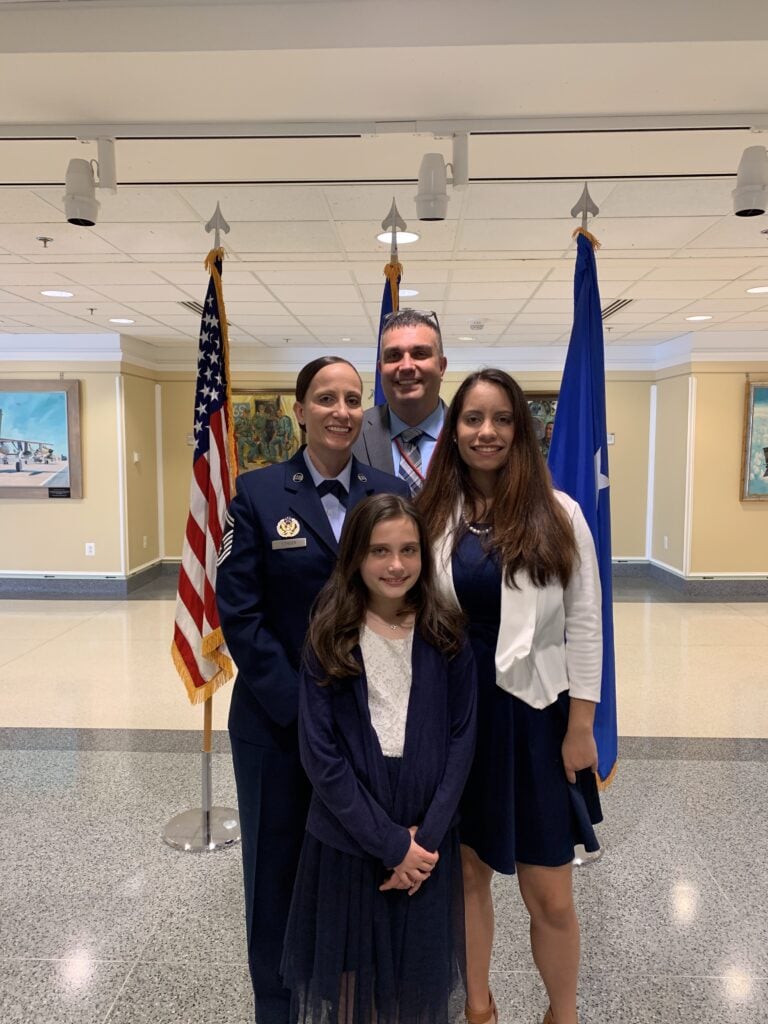
She explained, “I found that back in my uniform, and I found that at work. It allowed me to do that at home for my girls too … that it’s real easy to feel sorry for ourselves. It’s real easy to let the bad close in on us, but we’re made for more than that.”
Further adding how she hopes her daughters—and the children of others observing her—learned resilience from her, Congor continued, “And to see what it’s like to go through hard things … I feel like we’ve got to do that for our kids, and I feel like I’ve got to do that.
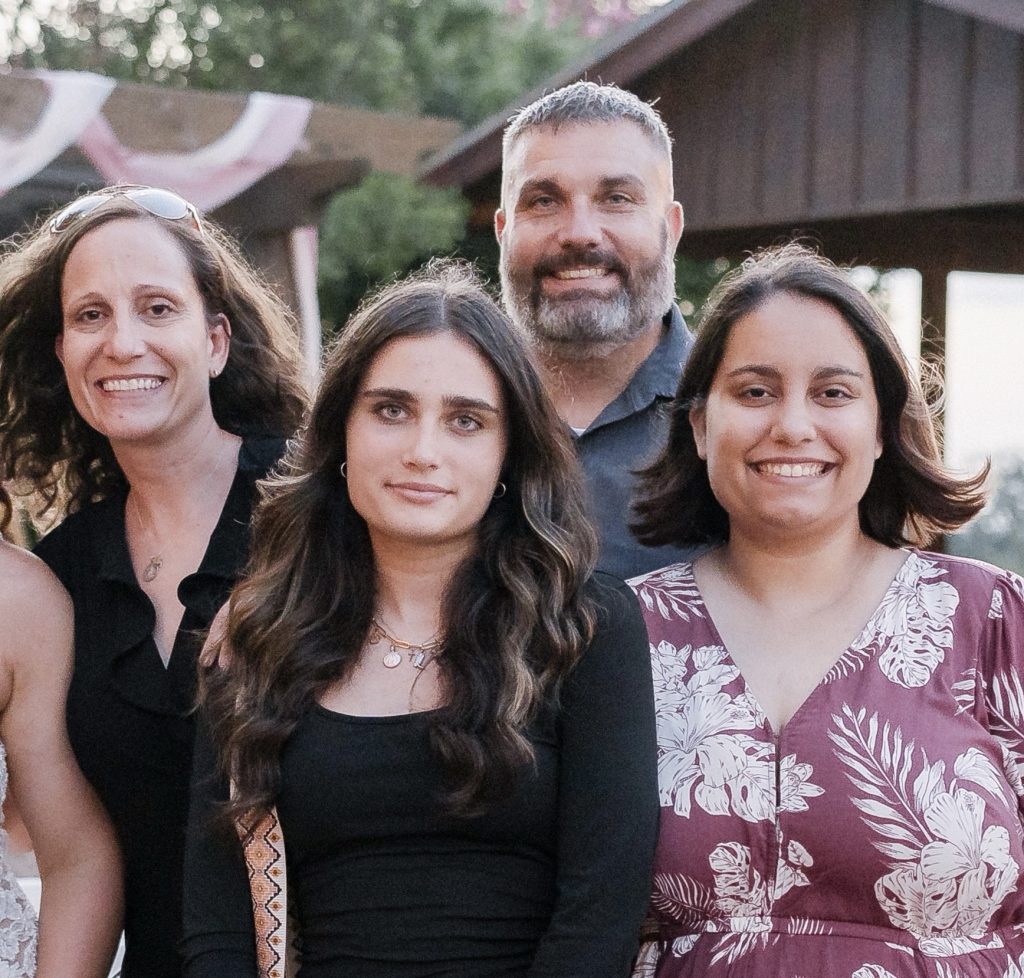
“There are a lot of other people’s kids in the military, and so they saw if I was the highest-ranking enlisted person in their unit and I wasn’t okay and I could ask for help, then every single one of them could.”
She concluded, “I’m grateful for that. I’m grateful for that for my girls too, because they’re not afraid to ask me for help anymore, but they do. They’re not afraid to say, ‘Mom, I don’t feel good. Mom, I’m going through this thing. Can you help me?’
Congor said that openly discussing personal struggles has become a normal part of her family life, and they make a point to talk about their challenges together.
“We’re open, we’re transparent, and we don’t sell each other short,” she said.
Expert Resources for Breast Cancer Patients
- ‘Chemo Nails’– An Unpleasant Side Effect for Breast Cancer Patients That No One Wants to Talk About
- “Hip Hop Chemo” – Breast Cancer Survivor’s Moves to Stop the Stigma
- Exercise and ‘Chemo Brain’: Can Physical Activity Save Breast Cancer Patients from Brain Fog During Chemotherapy?
- Adjusting Chemo to Mitigate Side Effects
- Chemotherapy Side Effects – Constipation
- Chemotherapy Side Effects – Hair Loss
- Chemotherapy Side Effects – Nausea
- Chemotherapy Side Effects – Neuropathy
Helping Patients Get Answers
Cancer treatment breakthroughs are arriving fast, and for many patients and caregivers, keeping up can feel overwhelming. SurvivorNet’s AI-powered tool, My Health Questions, is built to cut through that complexity by helping people understand what new therapies mean for them and how to talk about their concerns with their care teams.
WATCH: How One Cancer Survivor and Her Sister Used “My Health Questions” to Navigate Care
Embedded throughout the SurvivorNet website, My Health Questions delivers structured, clinically grounded answers based on medical guidelines and expert-reviewed research. Users can type or speak their questions and receive responses tailored to their individual profiles, with suggested prompts available for anyone unsure where to start.
Designed to support both major treatment decisions and everyday concerns, the tool is backed by leading oncology specialists. Its purpose is to complement conversations with clinicians — helping patients arrive at appointments more informed, more prepared, and more confident.
As SurvivorNet expands its patient-focused resources, My Health Questions represents a major step forward in how technology can support people navigating cancer.
Learn more about SurvivorNet's rigorous medical review process.


