
It Started With an Itch
- A subtle itch led to a life-altering diagnosis: Betsy Hamlin’s persistent shoulder discomfort turned out to be stage 4 melanoma, a dangerous type of skin cancer, reshaping her life and family dynamics.
- Melanoma begins in melanocytes, the cells responsible for producing pigment in the skin, hair, and eyes. When these cells mutate, they can spread to other parts of the body.
- Hamlin, 55, found hope in a clinical trial and immunotherapy. With support from loved ones, she joined a trial for pembrolizumab (Keytruda), a checkpoint inhibitor that empowers the immune system to target cancer cells.
- A turning point in treatment came when Hamlin was able to transition to subcutaneous immunotherapy from an IV drip, which made all the difference. This meant a simple shot compared to hours spent tethered to an IV helped restore her physical autonomy, and today she celebrates beating cancer.
- She views survivorship as a new beginning—filled with continued raw emotions. “I’m never going to be the same,” she told SurvivorNet. However, she’s now committed to helping other cancer patients undergoing treatment feel less alone by supporting them.
“It started with an itch. Crazy!” she recalled while speaking with SurvivorNet. But months later, that itch became something darker. A biopsy revealed stage 4 melanoma.
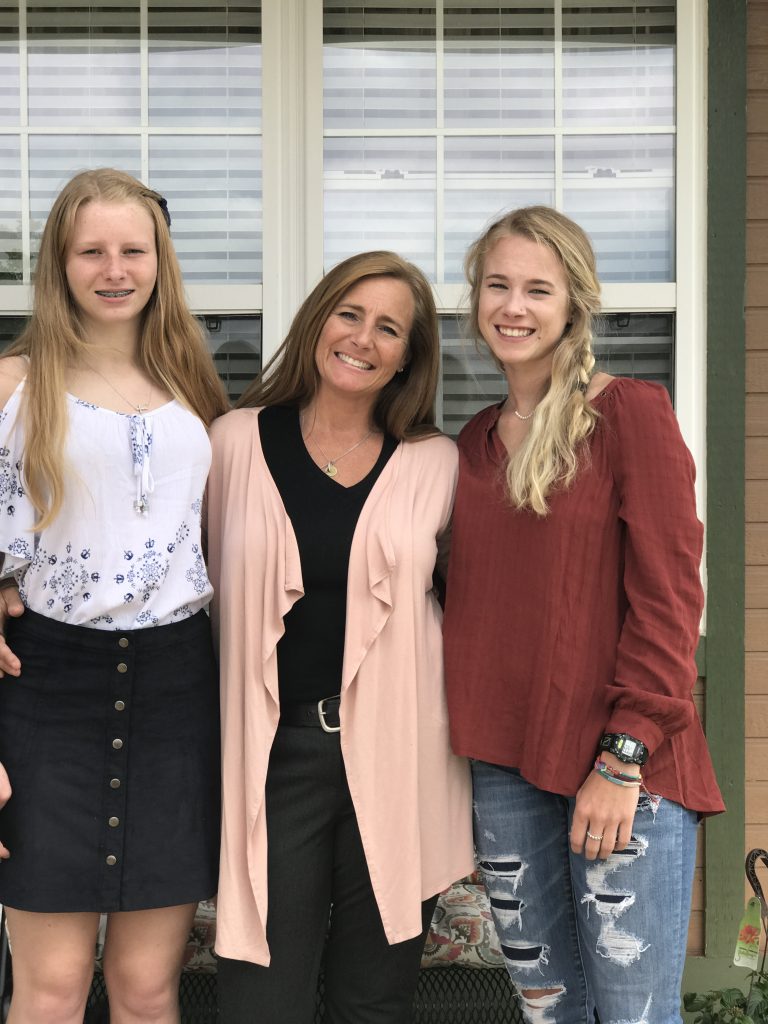
When Hamlin received her stage 4 melanoma diagnosis, she knew the emotional weight it carried—not just for herself, but for her daughters. One was living in California with a newborn, the other nearby in Arkansas. She called them both home, not just to share the news, but to protect them from the fear she knew too well. They had already witnessed their grandmother’s painful lung cancer journey, and Hamlin was determined to shield them from the same emotional toll.
“I looked fine,” she said. “I was still doing my thing. So they thought, ‘It’s just a mole, take it off.’” But Hamlin held back the full truth until she could process it herself. As a mother, her instinct was to ease their worry, not add to it. “Parents will take care of their kids first, always.”
As her journey unfolded, one lesson became clear: honesty matters. Deep, unfiltered honesty—with yourself and with those walking beside you.
A Legacy of Strength
Hamlin’s cancer journey reopened old wounds. Her mother had battled lung cancer at age 54, enduring three rounds of intense treatment that eventually broke her spirit.
“The last one mentally destroyed her,” Betsy said.
Hamlin went to her mom’s doctor’s appointments so she got a first-hand look at the physical and emotional toll cancer can bring on a person and their loved ones. Watching her mother suffer taught her a critical lesson: cancer is as much a mental battle as it is physical.

“I had a belief that 75% of it is mental, and I had to take care of that part,” Hamlin said.
Receiving treatment at the same facility where her mother had fought her own battle added emotional weight. But Hamlin leaned into honesty and vulnerability.
The Power of Support and Questions
When it came time to choose treatment, Hamlin brought her husband and best friend to the doctor’s office.
“I’m going to hear the emotional stuff. They’re going to hear the medical stuff,” she said.
Their presence helped her absorb the reality of her diagnosis and ask the right questions—something she learned from accompanying her mother years earlier.
“Ask more questions,” she urged. “If it isn’t your oncologist, ask their PA or a nurse who’s been there a long time.”
WATCH: Applying Immunotherapy In Melanoma Treatment
Her openness led to an opportunity to join a clinical trial for immunotherapy—a groundbreaking approach that activates the body’s own immune system to fight cancer.
“We have known for a while now that immunotherapy is a very important weapon in the fight against melanoma,” Dr. Janice Mehnert, associate director of clinical research at NYU Langone’s Perlmutter Cancer Center, explains to SurvivorNet.
SurvivorNet spoke with Dr. James (Jim) Allison, a pioneer in immunotherapy research at MD Anderson Cancer Center, who was awarded a Nobel Prize for the development of the science known as checkpoint inhibitors.
“Immunotherapy is rather unique in that for the first time, we’re getting truly curative therapies in many kinds of disease– not just in melanoma but in lung cancer, kidney cancer, bladder cancer, Hodgkin’s lymphoma, Merkel cell cancer, head and neck cancer,” Dr. Allison tells SurvivorNet.
“I think that the most powerful combinations coming up are based on combining immune blockers or enhancers, but also drugs that can directly kill tumor cells to really have a double whammy,” Dr. Allison added.
Clinical trials, like the one Hamlin participated in, are vital for advancing cancer research and offering patients battling advanced disease access to promising treatments before they receive FDA approval. While these trials can be life-changing, they also carry risks, including unknown side effects. Patients must consult with their doctors to determine if they’re eligible and prepared for the journey.
Hamlin received pembrolizumab (Keytruda), a checkpoint inhibitor that removes the “invisibility cloak” cancer cells use to hide from T cells (immune cells).
“Your immune system is so fantastic and can fight so many things,” she said.
WATCH: What Do Checkpoint Inhibitors Do For Cancer?
Checkpoint inhibitors, such as pembrolizumab, help the immune system do its job by removing the “invisibility cloak” we referenced earlier that cancer cells use to hide. Normally, a protein called PD-1 acts like a brake on T cells, keeping them from attacking healthy cells. But cancer takes advantage of that brake to avoid being targeted. Pembrolizumab blocks PD-1, releasing the brake and letting T cells go after cancer cells more aggressively—just like they’re meant to.
One notable side effect Hamlin dealt with was inflammation and fatigue. However, she says that was nothing compared to the grueling side effects chemotherapy and radiation therapy left her mom with while battling lung cancer.
“There is no comparison. I didn’t look sick. I didn’t look like I was battling cancer,” Hamlin said.
Reclaiming Freedom
When Hamlin began immunotherapy, it was administered through an IV drip. She quickly began to dread the IV pole, spending hours tethered to treatment. But when she transitioned to subcutaneous immunotherapy, everything shifted.
“Having freedom, physical freedom, is strength. I got part of me back,” she said.
Subcutaneous means the cancer medicine was given under the skin, in simple terms, a shot. That did wonders for her quality of life while receiving treatment. Hours turned into minutes, giving Hamlin more of her life back.
Today, Hamlin says her cancer is gone.
“I kicked its butt and I feel great,” she declared. She added that she doesn’t consider herself in remission, at least not yet.
The National Cancer Institute (NCI) defines remission as a “decrease in or disappearance of signs and symptoms of cancer.” In general, patients who remain in remission for at least five years are considered to have “no signs of cancer” or “no evidence of disease.” Physicians often avoid saying someone is “cured” of cancer because some cancer cells can remain in the body and could return years down the road (also called recurrence).
Amid her gratitude for coming this far in her cancer journey, Hamlin’s quick to acknowledge that survivorship isn’t the end—it’s a new beginning.
“I’m still remaking this new me because I’m never going to be the same,” she said. “I want to go and talk to cancer patients so they know they don’t have to feel so alone.”
Expert Resources on Clinical Trials
- Clinical Trials Need More Minority Patients
- Clinical Trials Can be Life-Saving for Some
- Clinical Trials and What Statistics Really Mean
- Clinical Trials for Breast Cancer
- Access Experimental Treatment Options: Clinical Trials At The VA
- An Evidence-Based Approach to Discussing Clinical Trials With Your Patients
Immunotherapy Side Effects During Treatment for Melanoma
A new study published in JAMA Oncology is shedding light on the long-term side effects of immunotherapy in melanoma patients—revealing that chronic complications may be more widespread than previously thought.
“Chronic and long-lasting side effects were more common than we expected and involved a variety of often overlooked organs like the thyroid, salivary glands, and joints,” said Dr. Douglas Johnson, senior author of the study and associate professor of medicine at Vanderbilt University Medical Center.
WATCH: Tell Your Doctor About Immunotherapy Side Effects
Despite the findings, Dr. Johnson emphasized the groundbreaking nature of immunotherapy, especially anti-PD-1 drugs. “It has been an absolute game-changer for patients with melanoma,” he noted. “I think the first thing to recognize is how really transformative the Anti-PD-1 drugs have been… patients can have very long-term responses to treatment.”
Still, for patients with advanced melanoma—especially those who’ve undergone surgical removal and have a low risk of recurrence—Dr. Johnson advised more nuanced conversations around treatment. “So determining whether the risks of the side effects, weighing the benefits of treatment with the risks of the side effects, can be an important consideration,” he said. “What our study did was we basically saw that some of these side effects were more common, really, than had been previously reported.”
Reported side effects can range from mild to severe, including dry throat, inflammation of the eye blood vessels, numbness, or tingling. And for many, the decision comes down to weighing symptom severity with potential longevity benefits.
WATCH: Managing Immunotherapy side effects.
Dr. Anna Pavlick, another expert in melanoma care, added context around immunotherapy management. “Depending upon the severity, it depends upon how we manage it,” she said.
“The percentage of patients who have very serious side effects from immunotherapy is contingent upon whether patients will get one medicine or a combination of two medicines.”
She explained that patients receiving a single immunotherapy drug face a 10–15% chance of experiencing severe reactions like rash or diarrhea. But for patients with metastatic melanoma, a dual-drug regimen—though more effective at controlling the cancer—comes with about a 50% chance of developing side effects.
The goal is to steadily reduce the risk of recurrence in all patients. It’s not a one-size-fits-all approach. Some people may not be candidates for this therapy, and side effects vary from person to person.
Understanding Melanomas
Melanoma starts in the same cells that give your skin, hair, and eyes their color. In melanoma, the cells change in a way that allows them to spread to other organs.
Changes to a mole you’ve had for a while or a new growth on your skin could be signs of melanoma, according to SurvivorNet’s experts. You’ll want to watch them and tell your doctor about any changes you notice.
WATCH: How do you perform a skin check using the ABCDEs?
SurvivorNet experts recommend avoiding unprotected sun exposure because ultraviolet (UV) radiation can lead to melanoma. Tanning beds pose ultraviolet radiation risks for skin cancer and should be avoided. Many dermatologists recommend using spray tans to reduce the risk of melanoma skin cancer.
The most important thing to look out for when it comes to finding melanoma is a new spot on your skin or a spot that is changing in size, shape, or color, SurvivorNet’s medical experts say.
Treatment options for melanoma include targeted therapy and immunotherapy, which give people a better chance of living a long and healthy life than ever before. If you’re diagnosed with melanoma, there’s a good chance surgery will be the treatment your doctor recommends.
Cancer removal usually leads to a cure in the early stages of the disease. After surgery, the removed tissue and lymph nodes are examined to measure the melanoma and determine if it has clear margins. Clear margins mean the cells around the area of tissue that was removed don’t contain any melanoma. When no cancer cells are left around the removed area, your cancer is less likely to return.
WATCH: Beating Aggressive Melanoma: An Immunotherapy Success Story
For melanoma patients who need additional treatment after surgery, they are likely to receive adjuvant therapy (treatments administered after surgery). Adjuvant therapy is designed to improve outcomes and decrease the risk of recurrence.
What to Consider When Clinical Trials Are an Option?
Within the U.S., all new drugs must go through clinical trials before the FDA approves them. Although the rewards of clinical trials can be great, they also come with risks. Talking to your doctor about this before enrolling in a trial is important. Some risks to consider include:
- The risk of harm and/or side effects due to experimental treatments
- Researchers may be unaware of some potential side effects of experimental treatments
- The treatment may not work for you, even if it has worked for others
Dr. Beth Karlan is a gynecologic oncologist at UCLA Health. She says the goal with clinical trials is to advance cancer research to a point where the disease becomes akin to diabetes, where it becomes a manageable condition.
“Clinical trials hopefully can benefit you, but they also provide very, very vital information to the whole scientific community about the effectiveness of these treatments,” Dr. Karlan said.
“They can be life-saving. We’ve seen many in the last few years of children and adults who have participated in trials and have had miraculous results,” Dr. Karlan continued.
WATCH: Clinical trials can be life-saving.
Before you enroll in a trial, you must be allowed to read the consent documents thoroughly and to ask any questions you may have. The documents will likely contain the following:
- The purpose of the research
- Any risks and benefits expected from the research
- Information about procedures that may cause discomfort (like frequent blood tests)
- Any alternative procedures the patient might consider instead
- How the patient’s information will be kept private
- How long is the study expected to take
- A form confirming you are participating in research voluntarily
- Whether any compensation or additional medical care is available if some sort of injury occurs
- The patient’s rights (like the right to stop research in the middle of the trial)
- Contacts for any patient questions
Patients are allowed to walk away at any time during the trial. Understanding your rights as a voluntary patient is important before you participate in a clinical trial, and understanding that the treatment may not work is also crucial.
Do Clinical Trials Cost Participants Anything?
Clinical trials may also have no extra cost for the participants, as the study’s sponsor may pay for the treatment and any additional care. Some sponsors even pay for travel to and from appointments or treatment centers. Patients should ask what will be paid for before signing up to be part of a trial.
The Affordable Care Act also mandates that health insurance companies cover routine patient care costs while people are enrolled in clinical trials.
The ‘Placebo’
During the treatment of an experimental drug in a clinical trial, while some participants receive the real thing, others do not. These participants receive a placebo.
The placebo is “an inactive substance or other intervention that looks the same as and is given the same way as an active drug or treatment being tested. The effects of the active drug or other intervention are compared to the effects of the placebo,” as defined by the National Cancer Institute.
In some cancer clinical trials that are “randomized,” patients who enroll are randomly assigned to receive either a placebo or the new experimental drug being studied. If the clinical trial is “double-blinded,” that means that neither the patients nor the doctors running the clinical trials know who’s in which group. This is an important part of a clinical trial design because it safeguards against bias and the possibility of skewed results.
It’s important to know that getting zero treatment isn’t usually the reality of the “placebo arm” anyway.
Instead, when patients with life-threatening cancers enroll in randomized clinical trials, the two groups are often broken into the new, experimental drug and a “control” group that receives the “standard-of-care” treatment.
Treatments considered standard of care are those that experts accept as the go-to treatment for specific cancers. Standard-of-care, in other words, is the most used treatment.
In many cases, it might involve a combination of chemotherapy, surgery, or radiation, but not always.
How to Find a Clinical Trial
If you want to participate in a clinical trial, your first step should be to talk with your doctor. They can address many of your initial questions and help you determine if you would make for a good participant.
Another crucial part of clinical trials is finding the right one for you. SurvirorNet has a resource to help with this called the Clinical Trial Finder.
The portal provides resourceful information to more than 103,000 active clinical trials. You can research this tool for yourself or someone else based on a few simple questions about your condition and location.
Questions to Ask Your Doctor
If you are diagnosed with skin cancer, you may have some questions for your doctor. SurvivorNet suggests the following to help you on your cancer journey.
- What type of skin cancer do I have?
- What treatment options exist for my type of melanoma?
- Will insurance cover this treatment?
- Would treatment through a clinical trial make sense for me?
- What resources exist to help manage my anxiety because of this diagnosis?
Learn more about SurvivorNet's rigorous medical review process.


