
The Pope’s Resilient Return
- Pope Leo XIV, 71, began a 12-day trip to Uruguay, Argentina and Peru on Nov. 6, less than three weeks after surgery to remove part of his lung to treat early-stage lung cancer.
- His doctors cleared him to travel, and his demanding schedule remains unchanged: 12 flights, 40 speeches and nine large masses.
- Surgery to remove the affected part of the lung is a common treatment for early-stage lung cancer, which is why early detection, including screening for eligible adults, can make a significant difference.
The 71-year-old pontiff appeared before an estimated 70,000 people at Montevideo’s historic Centenary Stadium in Uruguay on Nov. 7, leading a prayer vigil at the venue where the fiDrrst FIFA World Cup was held in 1930.
Read More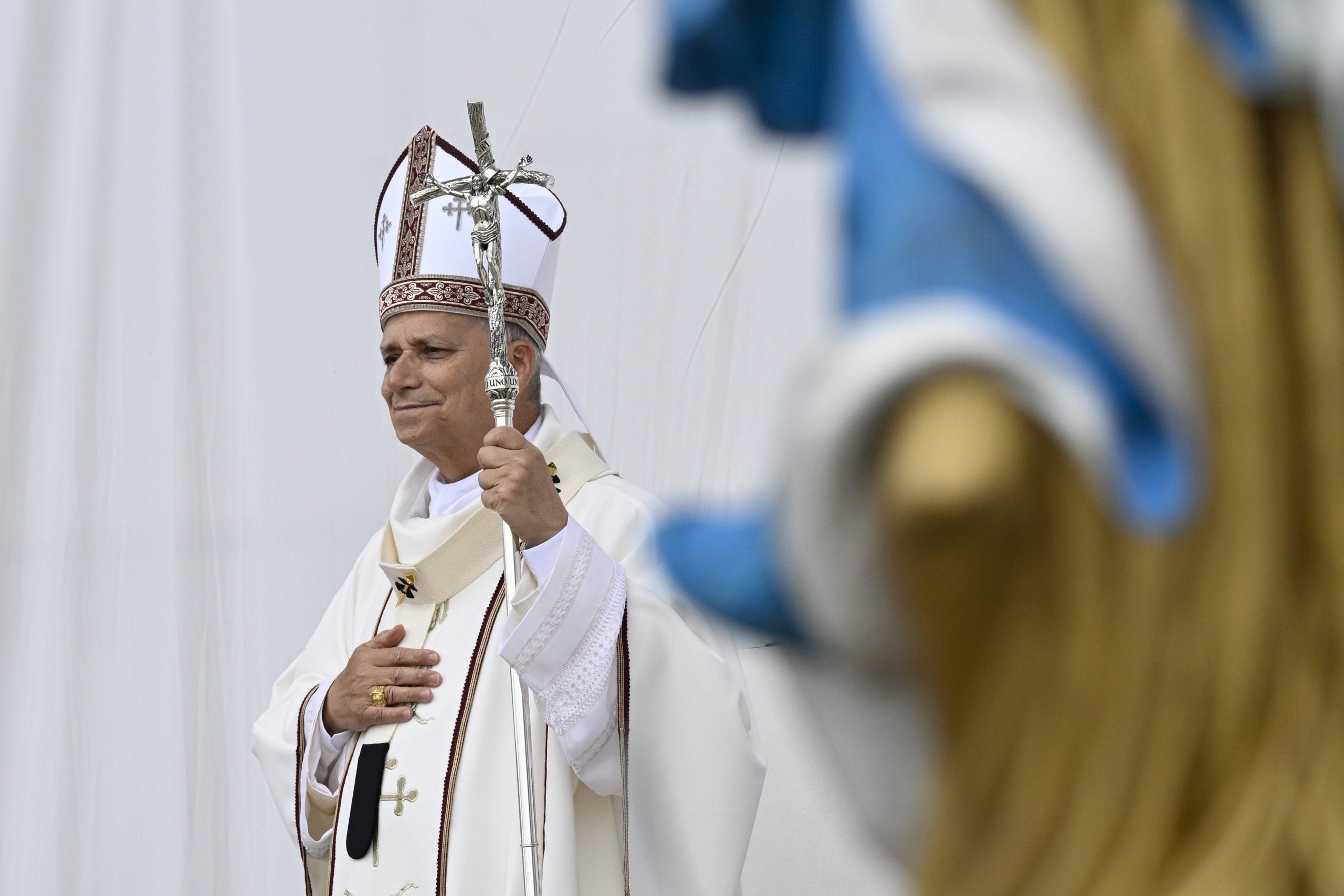
The appearance came just 25 days after surgeons removed the lower lobe of his right lung following a diagnosis of lung adenocarcinoma, the most common subtype of lung cancer.
The Vatican reported that his cancer was localized (early stage), and his operation was deemed successful. His doctors determined no additional cancer treatment was necessary.
Pope Leo Returns to His Mission After Cancer Surgery
The pope left Rome on Nov. 6 for a demanding trip through South America, crossing the Atlantic just weeks after his operation.
Speaking to journalists aboard the 13-hour flight, he emphasized his determination to continue his mission and bring a message of hope to communities across the region.
“I was convinced that this trip had to go forward,” he told reporters, according to OSV News.
RELATED: Resilience — Staying Positive Despite Adversity
The Chicago-born pope also expressed excitement about returning to Peru, a country he considers one of his homes after years of service there.
He said the purpose of the journey was to continue sharing the Gospel and connecting with people through both their joys and struggles.
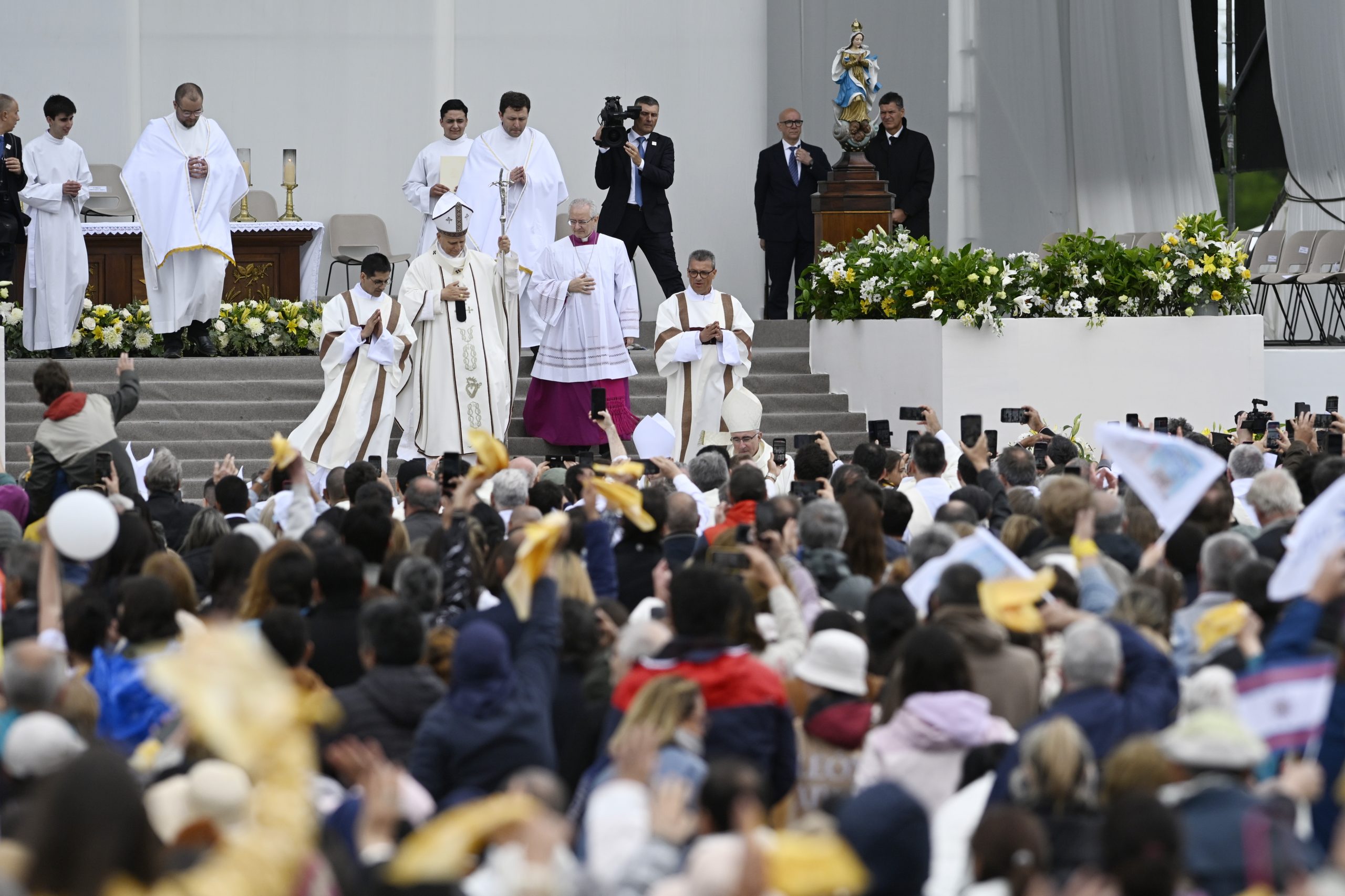
The trip is particularly noteworthy given its demanding schedule of international flights and public appearances following major lung surgery. The pope has also reflected on how his cancer experience deepened his understanding of those struggling to obtain medical care.
“Recently I experienced firsthand the limitations imposed by illness and I received care for which I am grateful,” he said during remarks in Uruguay.
He emphasized the importance of ensuring people have access to timely diagnoses and necessary treatment, regardless of their financial circumstances.
King Charles Honors Pope Leo Amid Their Cancer Journeys
Pope Leo’s recovery comes amid another significant milestone: King Charles III, who has been undergoing cancer treatment himself, recently bestowed a rare honorary title on the pontiff.
On Oct. 23, Buckingham Palace announced that the 77-year-old monarch had named Pope Leo Papal Confrater of the College of St. George at St. George’s Chapel in Windsor, recognizing their shared commitment to Christian unity.
The honor came just days after the palace confirmed that Charles planned to send the pope a personal message of support following his lung cancer diagnosis.
Charles, who announced his own cancer diagnosis in February 2024, has continued carrying out royal duties while receiving treatment. Buckingham Palace has not publicly disclosed his specific type of cancer.
In December 2025, the King announced that his cancer treatment would be reduced in 2026, marking an encouraging development in his ongoing health journey.
The latest honor reflects a growing friendship between the two religious leaders, whose experiences with cancer have added a personal dimension to their public messages of faith, resilience and hope.
Pope Leo’s Early-Stage Lung Cancer Diagnosis
Pope Leo’s cancer journey began when doctors discovered a small nodule in his lung during medical examinations. Before undergoing surgery, he reassured the faithful gathered in St. Peter’s Square that the suspicious growth had been detected at a very early stage.
“During some recent medical examinations, the doctors found a small, localized nodule in my lung,” he said.
On Oct. 13, surgeons at Rome’s Gemelli Hospital performed a minimally invasive, video-assisted operation to remove the lower lobe of his right lung.

The procedure lasted approximately 90 minutes and confirmed the diagnosis of lung adenocarcinoma.
“The operation was successful and there were no complications,” the Vatican said in a statement.
The pope was discharged four days later and gradually resumed his public responsibilities. Subsequent examinations indicated his cancer was localized, and doctors determined that further treatment was unnecessary.
His experience offers an encouraging example of how lung cancer can sometimes be treated successfully when discovered before it spreads.
Understanding Lung Adenocarcinoma and Surgery
Lung adenocarcinoma, the type diagnosed in Pope Leo, is the most common subtype of non-small cell lung cancer (NSCLC). It typically develops in cells lining the small air sacs of the lungs and can affect smokers and people who have never smoked.
One challenge with lung cancer is that it often develops without noticeable symptoms.
Dr. Joseph Friedberg, a thoracic surgeon, previously told SurvivorNet that early-stage lung cancer is often “completely asymptomatic,” with symptoms sometimes appearing only after the disease advances.
When lung cancer is discovered before it spreads, surgery is often the preferred treatment for patients healthy enough to undergo an operation.
“Surgery to remove the cancer is considered the gold standard for stage one lung cancer,” Dr. Friedberg tells SurvivorNet.
Getting ready for lung cancer surgery
Surgical options include:
- Lobectomy: Removal of an entire lung lobe, the procedure Pope Leo underwent.
- Segmentectomy: Removal of a smaller anatomical section of lung tissue.
- Wedge resection: Removal of a small portion of lung containing the tumor.
- Pneumonectomy: Removal of an entire lung.
Minimally invasive techniques, including video-assisted thoracoscopic surgery (VATS) and robotic surgery, can help some patients recover with smaller incisions and less postoperative discomfort.
The appropriate treatment depends on the tumor’s size, location and stage, along with the patient’s overall health and lung function.
Who Should Be Screened for Lung Cancer?
Pope Leo’s experience underscores the importance of detecting lung cancer early, when treatment offers the greatest chance of success.
Lung cancer remains the leading cause of cancer-related deaths in the United States, partly because symptoms often do not appear until the disease has advanced.
For people at increased risk, low-dose computed tomography (LDCT) scans can help detect suspicious nodules before symptoms develop.
The American Cancer Society recommends annual lung cancer screening for people who:
- Are between 50 and 80 years old.
- Currently smoke or previously smoked.
- Have a smoking history of at least 20 pack-years. A pack-year means smoking an average of one pack of cigarettes daily for one year. For example, smoking one pack daily for 20 years equals 20 pack-years.
The U.S. Preventive Services Task Force has similar recommendations but specifies that former smokers must have quit within the past 15 years.
People who have never smoked can also develop lung cancer, although routine screening is not currently recommended for most never-smokers.
Anyone experiencing persistent coughing, coughing up blood, unexplained shortness of breath or chest pain should speak with a doctor about appropriate evaluation.
The Vatican has not specified whether Pope Leo’s nodule was disctovered through routine lung cancer screening.
Recovering From Cancer Surgery
Pope Leo’s return to an international travel schedule just weeks after surgery is encouraging, but recovery from lung cancer surgery varies considerably.
After a lobectomy, patients may experience fatigue, discomfort, shortness of breath and reduced stamina as their bodies adjust.
For many, a major concern is whether they will be able to return to the activities they enjoyed before surgery.
“The question that comes to me commonly is: If I lose a portion of my lung, will I be able to do everything I love to do?” Dr. Andrea Wolf, a lung cancer surgeon at Mount Sinai Health System, tells SurvivorNet. “And the answer is almost universally, yes.”
Dr. Wolf explains that surgeons carefully evaluate lung function before an operation to determine how much breathing capacity a patient will retain.
Many patients can eventually return to exercise, travel and other daily activities, although recovery timelines depend on individual circumstances. Maintaining appropriate physical activity during recovery can also help patients regain strength.

“It’s critical after surgery that you do keep active and keep your body in the best possible condition,” thoracic surgery nurse Melissa Culligan previously told SurvivorNet.
Patients should follow their medical team’s recommendations regarding activity, breathing exercises and pain management.
While Pope Leo’s rapid return to public life is encouraging, his experience does not necessarily reflect a typical recovery timeline.
Managing the Financial Challenges of Cancer Treatment
Pope Leo’s recent remarks about healthcare access also highlight a major challenge facing cancer patients: the financial burden of treatment. Even with health insurance, expenses associated with surgery, medications, imaging, follow-up appointments and missed work can create significant financial strain.
This burden is often called financial toxicity, a term describing the financial hardship and emotional distress associated with cancer-related expenses.
RELATED: ‘How Much Will It Cost?’: A Guide to Coping With the Cost of Cancer Treatment
“Financial planning in the setting of cancer is the most stressful thing,” Dr. Nina Shah, a hematologist at the University of California, San Francisco, tells SurvivorNet. “It’s right up there with, how long am I going to live? The first thing you have to do is recognize your limitations.”
Financial planning during cancer
Dr. Shah encourages patients to speak with social workers or patient navigators at their cancer centers to identify financial assistance programs and better understand insurance coverage.
Organizations such as CancerCare, the Patient Advocate Foundation and the American Cancer Society may also help patients navigate treatment-related expenses.
For patients struggling financially, asking about available resources early can help reduce some of the uncertainty surrounding care.
Finding Strength Through Faith During Cancer
For Pope Leo XIV, faith has remained central to his mission throughout his diagnosis and recovery.
His determination to keep traveling and connecting with people reflects how much he values offering hope and spiritual encouragement during difficult times.
For many cancer patients, faith and spirituality can provide comfort, emotional support and a sense of purpose.
Cancer psychologist Dr. Andrew Kneier, co-author of Coping with Cancer: Ten Steps Toward Emotional Well-Being, has explored how spirituality can help patients navigate illness.
“A person’s faith or spirituality provides a means for coping with illness and reaching a deeper kind of inner healing,” Dr. Kneier and Rabbi Jeffrey M. Silberman wrote in a column published by Stanford Medicine.
Pastor Tom Evans of New York City’s Brick Presbyterian Church previously spoke with SurvivorNet about the importance of seeking support after a cancer diagnosis.
“It’s important to reach out in a simple prayer to God, even if you’ve never prayed before,” Evans tells SurvivorNet.
For people who do not identify with a particular religion, emotional support may come from meditation, counseling, loved ones or support groups.
While faith is not a substitute for medical treatment, it can be a meaningful part of coping with cancer and the uncertainty that accompanies it.
As Pope Leo continues his journey through South America, his message of hope carries additional significance following his own recent health challenges.
Questions to Ask Your Doctor
- Am I a candidate for lung cancer screening, and how often should I be screened?
- What stage is my lung cancer, and what does that mean for my treatment options?
- Is surgery an option for me, and what type of surgery would you recommend?
- What will recovery look like, and when can I return to normal activities like work or travel?
- Will I need additional treatment after surgery, such as chemotherapy, immunotherapy or targeted therapy?
- Should my tumor be tested for biomarkers or genetic mutations?
- What follow-up scans or appointments will I need after treatment?
Learn more about SurvivorNet's rigorous medical review process.


