
Sharing Their Stories
- The San Antonio Breast Cancer Symposium (SABCS) is a leading global conference that brings together researchers, clinicians, and advocates to share the latest breakthroughs in breast cancer care.
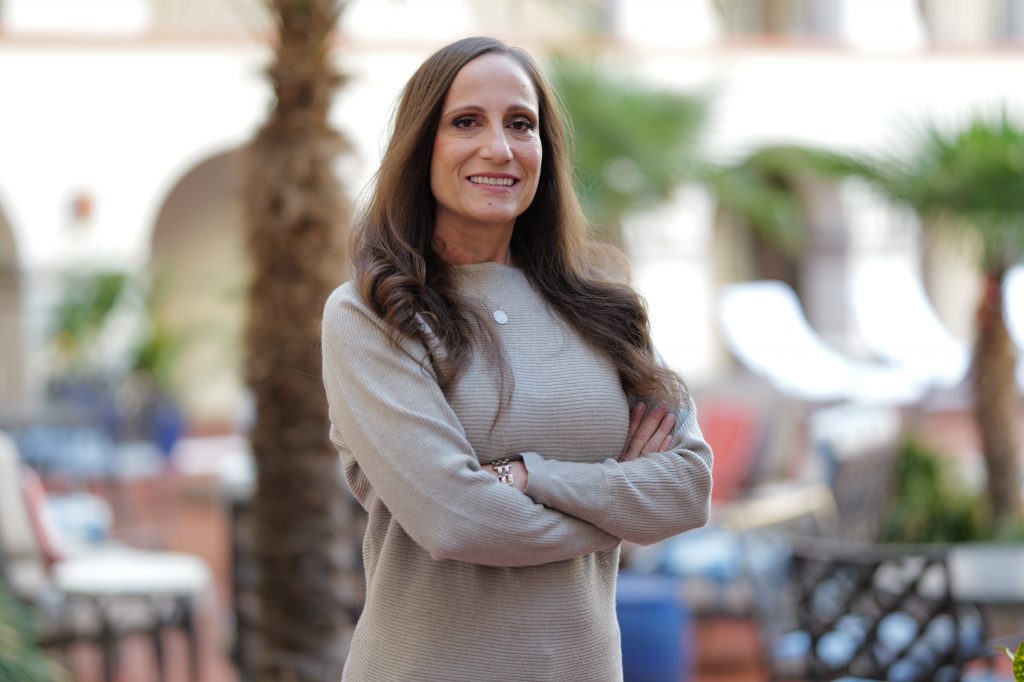
- This year, SurvivorNet highlighted four extraordinary survivors—Nicole Eggert, Courtney Duesing, Tivisay “TJ” Herrera, and Chief Master Sergeant Chanda Conger—who offered heartfelt, firsthand perspectives.
- These women offer an intimate look at breast cancer, sharing their experiences marked by inner strength and devotion to family.
The SABCS—which serves as a premier global conference focused on shaping the future of breast cancer treatment and research, bringing together leaders in treatment, research, and patient-centered support— offered the perfect setting for these four incredible women to come together and speak with Dr. Tara Ballinger, a breast oncologist at Indiana University’s Simon Comprehensive Cancer Center.
Read More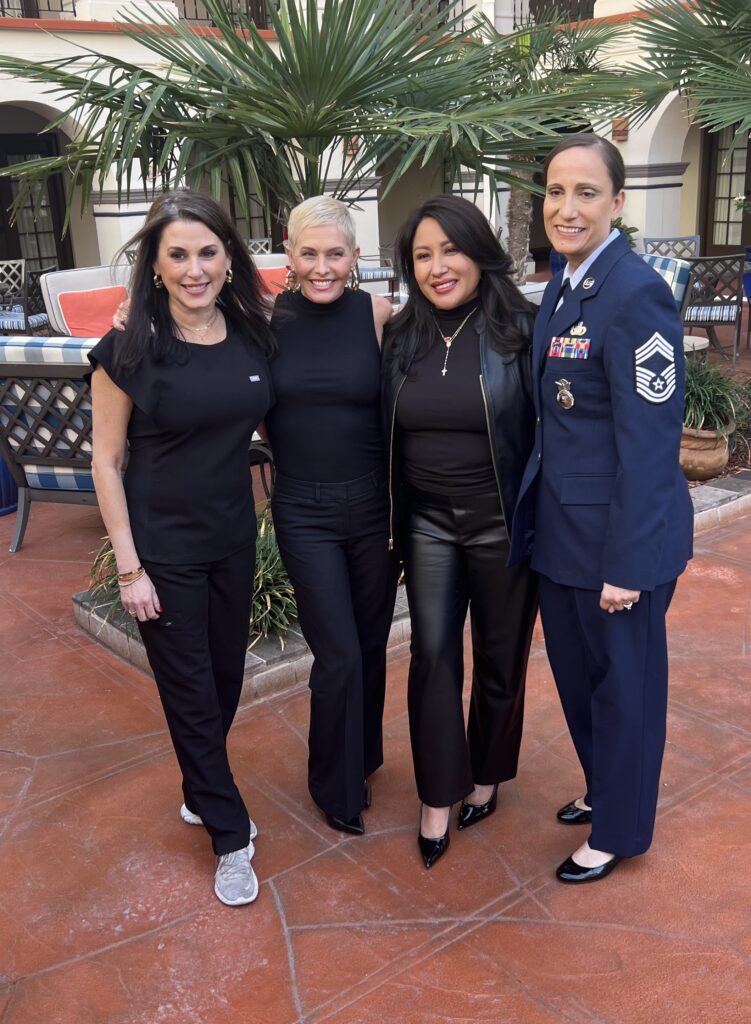
Nicole Eggert, best known for her acting roles in “Baywatch” and “Charles in Charge,” was diagnosed with stage 2 invasive cribriform carcinoma in 2023. The 53-year-old has since become a passionate breast cancer advocate, inspiring women navigating treatment while striving to live fully and resiliently.
Eggert, a single mom of two, wants her daughters, Dilyn Elizabeth Herwick and Keegan Eggert, to understand that they can come to her and be open about anything they need.
She acknowledged during the discussion at the SABCS on Wednesday that she sometimes preferred solitude and managing on her own during the start of her cancer journey, often choosing the stairs over the elevator to stay active and maintain her strength.
RELATED: Handling Fear When You Get the Diagnosis
Eggert told the panel, “I didn’t take an elevator through my entire treatment or any of it. I always took the stairs. I’ve never even still to this day have been in the elevator at my hospital and my treatment center. I still will take the stairs, and I park on the roof on purpose.”
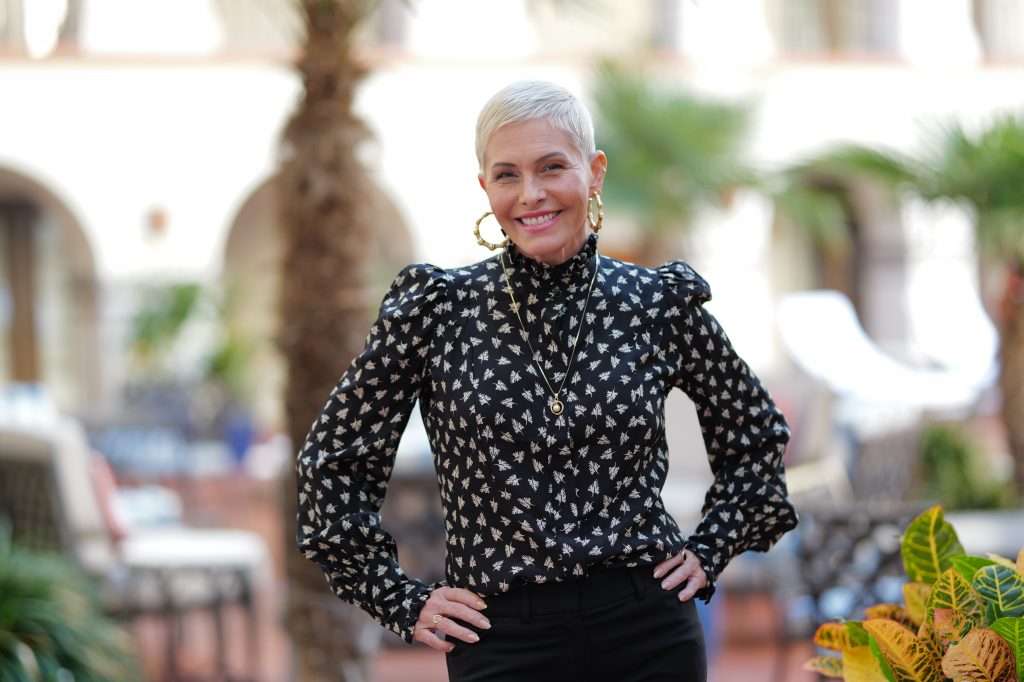
Eggert reflected on her habit of facing challenges independently, acknowledging that while it works for her, it may not be the best model for her daughters.
RELATED: SurvivorNetTV Presents: ‘SN & You – Body Image: Embracing Your Body’
She wants to make sure her daughters feel at ease asking for help whenever they need it.
Meanwhile, for those navigating body confidence and intimacy during recovery, breast cancer survivor Courtney Duesing—a 45-year-old mother of two and Reconstructive Patient Care Coordinator at an all-women microsurgical breast reconstruction practice—shared her insights and explained how she supports others through similar challenges.
The native of Austin, Texas, was diagnosed at 35 with Stage 2A infiltrating ductal carcinoma and underwent chemotherapy, a double mastectomy, and reconstructive surgery.
Duesing said, “There is a big emotional change in undergoing a double mastectomy, even a lumpectomy, because you have asymmetries and things like that. You have to learn how to restore your confidence because so many things … I think a lot of us feel like we are robbed of so many things.”
She then pointed out that the physical changes brought on by cancer—such as hair loss and changes to the breasts—can greatly influence a person’s comfort with intimacy. Duesing then added that, despite the improvements in reconstruction, the experience is never quite the same, and treatment side effects like those from endocrine therapy can add further difficulty.
For these reasons, she stressed how vital it is for partners to communicate openly about what they’re going through.
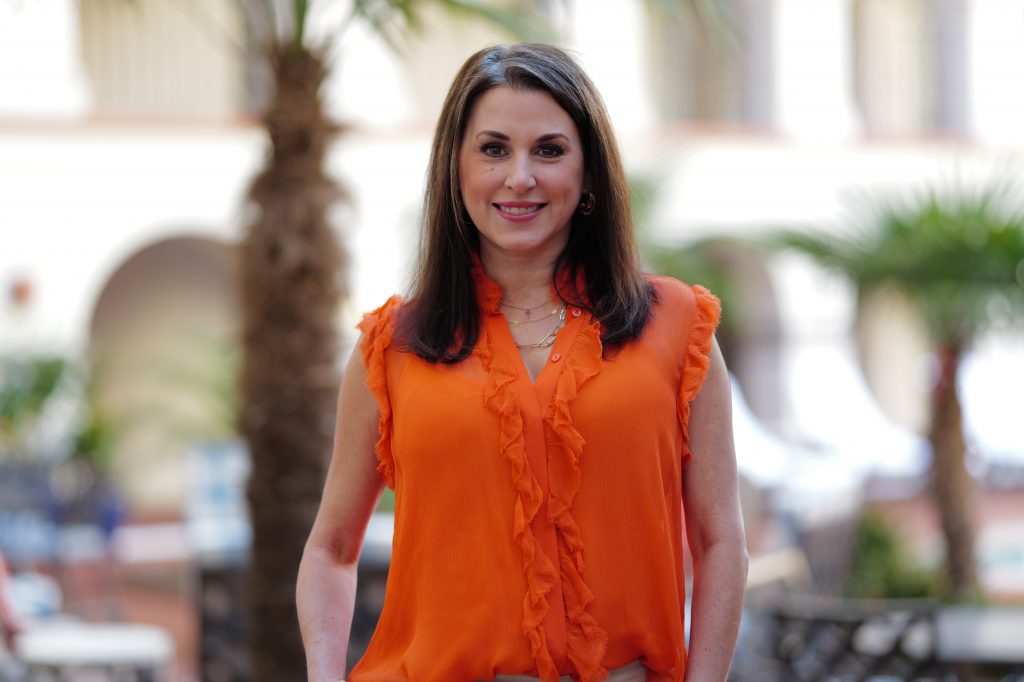
“We all know that intimacy is not just physical, it’s also emotional. And so I think it’s very important to share with your partner what you’re feeling, and also be open to hearing your partner and how it’s affecting them and what you can do together to maintain or restore intimacy,” she explained.
“Because intimacy can go away, but what can you do together as a couple? And there’s a lot of mutual understanding that’s required in that.”
Duesing highlighted how therapy can offer a more comfortable setting for difficult conversations that might be hard to have at home. She also stressed that rebuilding intimacy and emotional well-being takes a strong effort—it doesn’t just resolve on its own.
Expert Breast Cancer Resources
- Bi-Annual Mammograms At Age 40 Now Recommended For Most Women, What The New Breast Cancer Screening Guidelines Mean For You
- Mammograms Are Still the Best Tool for Detecting Breast Cancer — A Warning About Thermography
- When You’re Getting a Mammogram, Ask About Dense Breasts
- Breast Reconstruction: Regaining Your Sense of Self
- Getting to Know Your Breasts with Self-Exams
- Genetic Testing For Breast Cancer
Tivisay “TJ” Herrera, a 40-year-old mom of two and licensed hairstylist from College Station, Texas, also brought some uplifting insight to the panel—highlighting what it means to remain a source of strength for your children while navigating a serious illness.
Herrera, who was diagnosed at 39 with Stage 2 invasive lobular carcinoma and has a CDH1 gene mutation (which significantly elevates the likelihood of lobular breast cancer), said at the SABCS, her son and daughter will ultimately need to get genetic testing done later in life, to know their cancer risk. And in the case of her daughter Ariana, she will keep encouraging her to recognize what is normal for her body and to speak up whenever something feels wrong.
Genetic Testing For Breast Cancer
Referring to her daughter and her son, Nico, she continued, “I think they’ve seen me through my toughest battles with the accident, with my breast cancer diagnosis. They were always my biggest cheerleaders.”
“They were like, ‘Mommy, you got this. You’re going to do great.’ And if I were to cry, happy tears. They’re like, ‘Mom, those are happy tears. Right?’ They did not want me to be sad.”
Although Herrera feels thankful to be with her loved ones and is relieved that her mom is doing well, she admits her cancer journey makes her feel guilty at times for not managing everyday responsibilities, like washing the dishes. Still, she continues to value her family’s support and the meaningful everyday moments spent with her children.
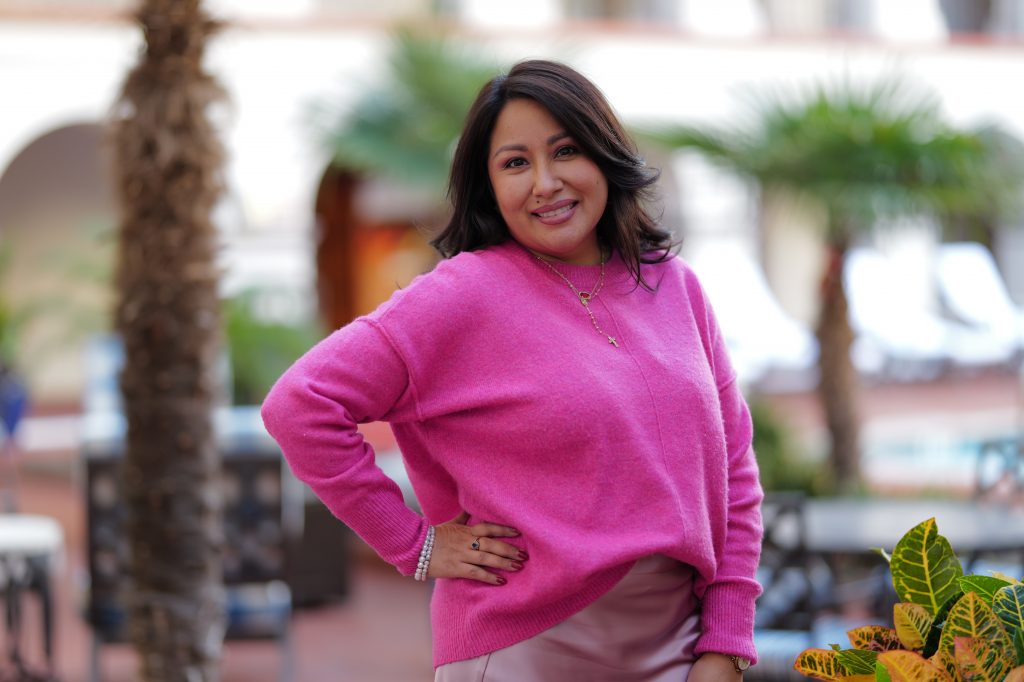
Herrera, now one year cancer-free, embodies the idea that anything is possible—fulfilling her longtime dream of becoming a hairstylist after spending more than 15 years working in healthcare.
What’s even more incredible is that Herrera was diagnosed with cancer while recovering from a serious car accident, which left her with internal injuries and fractured ribs.
She not only overcame cancer herself, but her mother did as well, diagnosed just five months later—and together, they grew stronger, providing each other unwavering support throughout and after their breast cancer battles.
Telling the group about the one object she frequently keeps with her as a symbol of her resilience is a bracelet with the words hope, strength, faith, and courage.
She explained, “Just wearing this daily to remind myself to have hope, to keep going, and have strength for your children and be courageous every day. To get up and keep pushing through.”
“I’d wear this all the time … and whether I’d be at work, it would start up a conversation. Whether I’d be at church and praying, I would look down and say, Just keep fighting, keep going one day at a time,” she continued.
Chief Master Sergeant Chanda Conger—a United States Air Force leader, wife, mother of two, and breast cancer survivor—also shared her personal story defined by strength, courage, and purpose.
During the COVID-19 pandemic, Conger was just 38 years old when she was diagnosed with invasive ductal carcinoma. As she underwent chemotherapy, multiple surgeries, and long stretches of treatment on her own, she faced substantial physical and emotional challenges that ultimately transformed her outlook on life.
Conger, who is a mom to 23-year-old Abigail and 16-year-old Zelany, recounted how she relied on her faith more than ever before, following her diagnosis.
“In my journey, I got to find myself, and in that, I got to show my daughters that it’s okay not to be okay. And those are probably things, especially the stigma in the military with mental health and just in general, being open and vulnerable,” she told the panel.
RELATED: SurvivorNetTV Presents: Breaking the Cycle The Power of Mindset
She also insisted her uniform saved her life. “It reminded me of who I was. … It allowed me to do that at home for my girls, too, that it’s really easy to feel sorry for ourselves.”
“It’s really easy to let the bad and close on us, but we’re made for more than that.”
Navigating the Emotional Journey of a Breast Cancer Diagnosis
Receiving a breast cancer diagnosis can feel overwhelming, and it’s entirely normal for emotions to fluctuate throughout the journey. Psychiatrist Dr. Lori Plutchik previously told SurvivorNet that patients’ emotional responses can vary from day to day, often bringing unexpected waves of stress, fear, or uncertainty.
“The patient or person going through the stressful event should accept that emotions will be fluid,” Dr. Plutchik says.
“You may feel fine one day and then feel a massive wave of stress the next. It’s also important for those you look to for support—whether that’s a therapist, friends, family, or both—to understand the fluidity of stress-related emotions.”
If you experience a significant impact on your emotional well-being, seeking mental health support can be beneficial. Care options include traditional talk therapy, medication, lifestyle adjustments like exercise and dietary changes, participating in support groups, or other approaches tailored to your needs.
Here are some strategies for coping with the emotional impact of a breast cancer diagnosis:
- Lean on loved ones. Talk openly with your family and close friends so they can provide support. Many people coping with cancer need help but hesitate to ask—invite your loved ones to assist with everyday tasks like meals, rides, or just being there to listen.
- Keep a journal. Journaling your thoughts and emotions can help you work through your feelings. It provides a safe place to share your thoughts and explore your experiences.
- Join a cancer support group. Both local and online support groups allow you to connect with people going through similar experiences. Sharing your story and learning from others can bring comfort and strength during challenging times.
- Consider therapy. Talking with a mental health professional provides a safe, supportive space to work through your fears and worries. Being open with your emotions instead of keeping them hidden can truly make a difference when it comes to managing stress.
The path ahead may feel uncertain, but the proper support and coping tools can strengthen your emotional and mental well-being.
Breast cancer is a difficult journey, but it’s important to remember that you’re not alone, and your well-being can improve in ways that aren’t just physical. Just as Nicole Eggert, Courtney Duesing, Tivisay “TJ” Herrera, and Chief Master Sergeant Chanda Conger have demonstrated.
Giving Advice To The Woman You Were Before Cancer: Our “Portraits of Resilience”
Content independently created by SurvivorNet with support from Novartis Pharmaceuticals Corp.
Learn more about SurvivorNet's rigorous medical review process.


