‘The Office’ Star Jenna Fischer, 51, Says ‘Anniversaries Inspire Reflection’ As She Reflects on the Day of Her Initial Diagnosis for Breast Cancer – Why Acknowledging the Milestones Matters
‘The Office’ Star Jenna Fischer, 51, Says ‘Anniversaries Inspire Reflection’ As She Reflects on the Day of Her Initial Diagnosis for Breast Cancer – Why Acknowledging the Milestones Matters
Jenna Fischer shared that two years after her breast cancer diagnosis, she is grateful to be cancer‑free and reflecting on her journey.
Fischer was diagnosed with stage 1 triple-positive breast cancer in December 2023. Her diagnosis came after a routine mammogram – which screens for breast cancer – returned “inconclusive results,” according to the actress.
Fischer underwent 12 rounds of weekly chemotherapy in February 2024 and began three weeks of radiation in June 2024 before reaching remission.
Radiation helps kill cancer cells in a targeted way, according to experts such as Dr. Chirag Shah, radiation oncologist and the division chair of Radiation Oncology at AHN Cancer Institute. With breast cancer, it is often used after surgery to kill off any cancer cells that may remain in the breast or surrounding area. Possible side effects may include swelling, fatigue, and scar tissue.
Patients almost universally experience fatigue, often alongside gastrointestinal side effects, such as nausea. Doctors have many effective medications to combat chemo-induced nausea. “But mitigating that fatigue often depends on the patient,” says Dr. Renata Urban, a gynecologic oncologist at the University of Washington in Seattle.
Reaching milestones such as a monumental birthday or completing treatment if you’re battling cancer is a big deal. Milestones may also include things like getting engaged or the birth of a child. Usually, for patients, they may mean even more than they did previously. It’s a chance to celebrate all you’ve overcome.
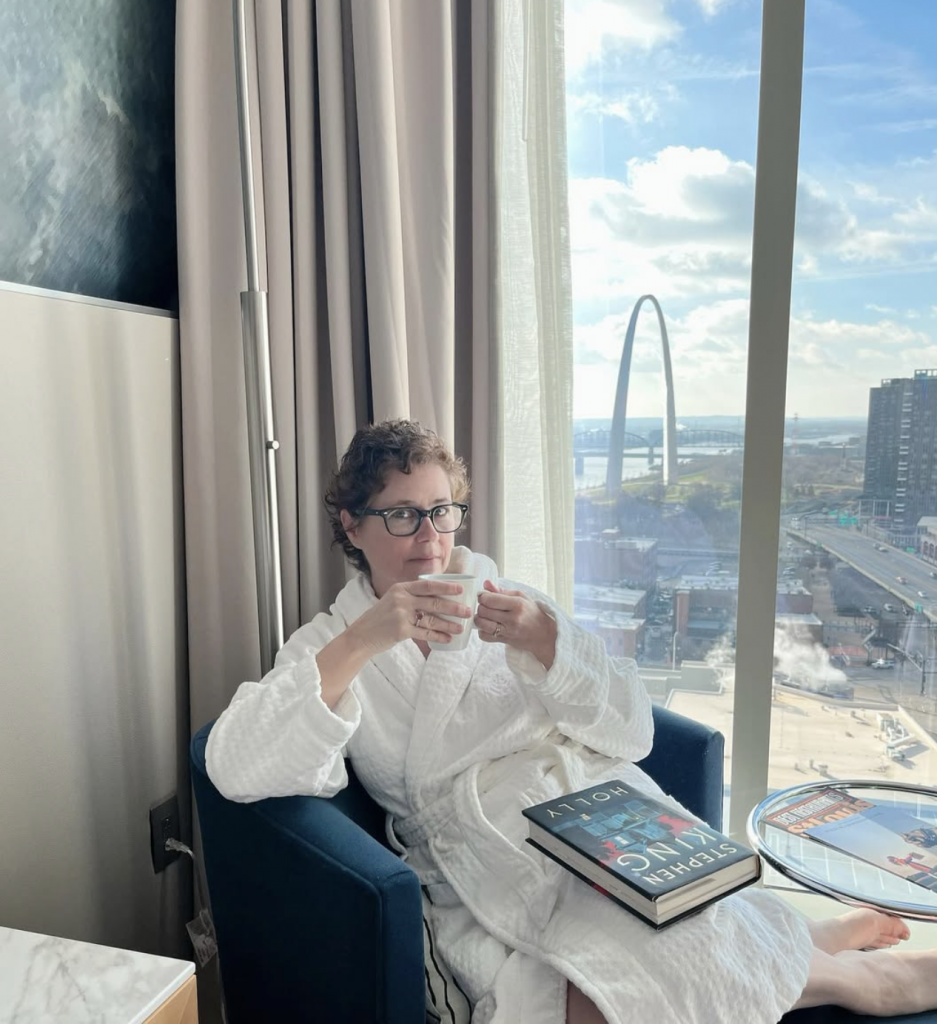
Actress Jenna Fischer, 51, is closing out the year with reflection and gratitude. While 2025 brought adventure and creativity, just a year earlier, her life was consumed by cancer treatments. “One year later… longer hair,” “The Office” star wrote on Instagram, recalling how two years ago, in the same St. Louis hotel, she had just learned of her breast cancer diagnosis.
“It was exactly December 2023 when I got the news. All of my diagnosis and treatment dates are burned into my brain. These anniversaries inspire reflection—I try to sit with all that has happened,” Fischer shared.Jenna Fischer relaxing at the Four Seasons in St. Louis, Missouri, while at home for the holidays, courtesy of Instagram, @msjennafischer Diagnosed with stage 1 triple-positive breast cancer after an inconclusive mammogram, Fischer spent 2024 in treatment. By contrast, 2025 has been a year of renewal: she traveled to Oklahoma City to film “New Year’s Rev” and performed in “Ashland Avenue” at The Goodman Theater in Chicago. “Acting again has fed my soul,” she said, noting how meaningful it feels to reclaim her career after wondering if she’d ever work again.
Now, with gratitude and perspective, Fischer says she is “thankful to be cancer‑free.”
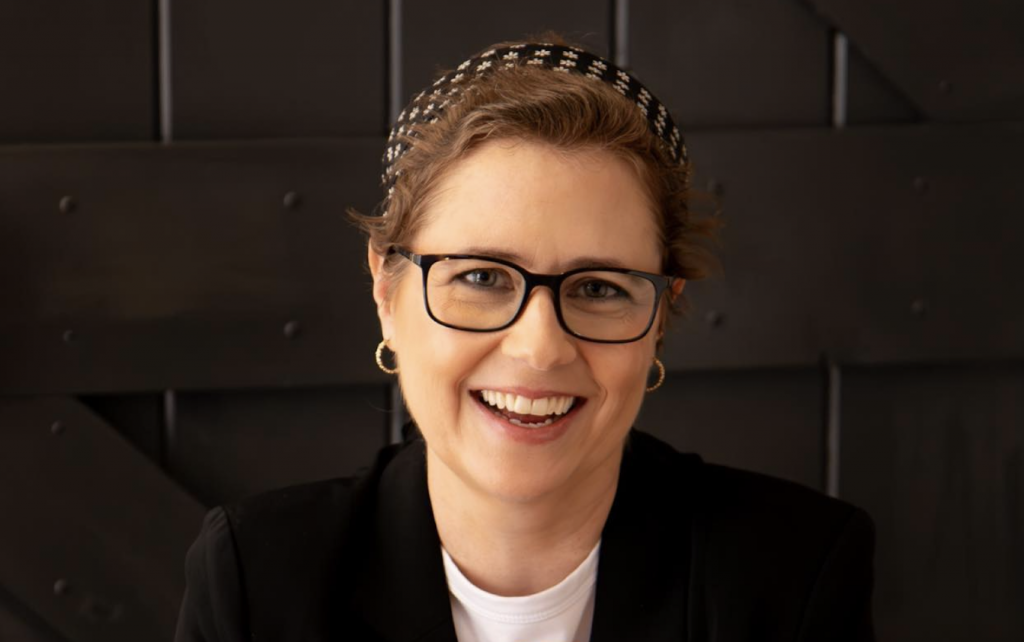
Jenna Fischer, photo by ‘Angela Kinsey’s husband Josh Snyder,’ as Fischer credits the image on her Instagram/@msjennafischer.
Milestone moments during or after a cancer journey often carry heightened meaning. Whether it’s a child’s first word, a birthday, a graduation, a promotion, or even a quiet triumph like cooking a meal from scratch — these moments remind patients that joy still lives in the everyday.
A cancer diagnosis doesn’t extinguish the fire that fuels life’s joys. Many survivors report a deeper sense of gratitude and presence after diagnosis. And for some, milestones are directly tied to their cancer journey — such as completing treatment, ringing the remission bell, or celebrating a “cancerversary.”
The Power of Gratitude: How Cancer Survivors Find Strength in Appreciation
Many cancer survivors who’ve shared their journeys with SurvivorNet speak not only of resilience, but of gratitude. In the face of life-altering diagnoses and grueling treatments, they consistently point to the people, moments, and simple joys that bring light into their lives.
Defined as the practice of recognizing and appreciating what we have, gratitude can be a powerful mindset for those navigating the uncertainty of cancer. Experts interviewed by SurvivorNet encourage both patients and their loved ones to embrace gratitude as a tool for emotional well-being and mental strength.
WATCH: Finding gratitude and its impact on your well-being.
Dr. Zuri Murrell, a colorectal cancer surgeon at Cedars-Sinai Medical Center, has seen firsthand how this mindset can transform the treatment experience.
“The patients who do well with cancer live life with gratitude—not for the disease itself, but for the clarity it brings,” he explains.
“They’re grateful for the opportunity to understand that life is finite, and that every moment matters.”
According to the National Alliance on Mental Illness, multiple studies show that cultivating gratitude can lead to increased happiness and reduced stress—two critical factors in supporting mental health during treatment.
Practicing gratitude doesn’t require grand gestures. It can be as simple as pausing each day to reflect on what brings you joy or jotting down a few things you’re thankful for in a journal. These small acts can help reframe even the most difficult days, offering a sense of control, hope, and emotional grounding.
Fischer was diagnosed with stage 1 triple-positive breast cancer in December 2023. Her diagnosis came after a routine mammogram – which screens for breast cancer – returned “inconclusive results,” according to a statement the actress posted to Instagram.
After undergoing a biopsy, which tests breast tissue for signs of cancer, her diagnosis was confirmed on December 1.
Fischer faced triple-positive breast cancer, which is a subtype of breast cancer where the tumor cells express estrogen (ER), progesterone receptors (PR), and the human epidermal growth factor receptor 2 (HER2) protein on its surface.
Triple-positive breast cancer tends to be more responsive to hormone therapy, which essentially cuts off the estrogen, progesterone, and HER2, which act like fuel for the cancer to grow.
MALIBU, CA – APRIL 14: Actress Jenna Fischer attends “The Office” 100th Episode Celebration at the Calamigos Ranch on April 14, 2009, in Malibu, California. (Photo by Frederick M. Brown/Getty Images)
“[The cancer] is also highly responsive to treatment,” Fischer said.
“In January [2024], I had a lumpectomy to remove the tumor,” Fischer explained. A lumpectomy is a procedure that removes the tumor and some of the surrounding tissue.
“Luckily, my cancer was caught early, and it hadn’t spread into my lymph nodes or throughout the rest of my body; however, because of the aggressive nature of triple-positive breast cancer, it still required chemotherapy and radiation to be sure it didn’t return,” Fischer added.
She underwent 12 rounds of weekly chemotherapy in February 2024 and began three weeks of radiation in June 2024.
“I lost my hair during chemotherapy, but thanks to some great wigs and hats with hair, I have been able to wait until now to reveal all that has been going on for me,”
Hair loss is challenging for women and men alike, but it can be incredibly difficult for cancer patients. Losing your hair or seeing it thinning is often a side effect of some cancer treatments.
“For cancer patients, losing one’s hair can be unbelievably stressful. To start with, the dread of losing one’s hair can lead to some sleepless nights and feelings of anxiety,” Dr. Samantha Boardman, a New York-based psychiatrist and author, told SurvivorNet.
To cope, Dr. Boardman suggested reaching out to other survivors who have been through a similar situation.
Chemotherapy can cause hair loss. It usually begins about three to four weeks after starting chemotherapy and continues throughout treatment.
This happens because this treatment targets quickly dividing cells throughout the body, including cancer cells and hair cells.
Radiation is another treatment that can lead to hair loss if the hair is in the path of the tumor being treated. Radiation for a brain tumor, for example, may cause hair loss.
“If you do lose hair, it will regrow several weeks or months after treatment,” radiation oncologist Dr. James Taylor told SurvivorNet. “Fortunately, for most patients, hair loss is not a concern when having radiation therapy.”
Fortunately, hair loss during cancer treatment is not all bad news. Most people can expect regrowth four to six weeks after treatment. However, when your hair grows back, you may notice some changes in its color and texture.
If losing your hair is a concern for you before cancer treatment, know you have options like wigs, hats, and wraps, as Fischer used.
NEW YORK, NY – NOVEMBER 14: Actress Jenna Fischer visits Build Studio to discuss her book “The Actor’s Life: A Survival Guide” on November 14, 2017, in New York City. (Photo by Michael Loccisano/Getty Images)
Although Fischer had Shaerer to help her through the ups and downs of her cancer journey, Fischer took to Instagram to encourage others battling the disease.
“I’m also sharing in hopes that it will be a source of support to any woman who is going through this right now,” Fischer said.
“Suddenly, everything in your life is geared around one thing: fighting cancer,” Fischer said.
Fischer revealed a year after her diagnosis that she had reached remission.
“After completing surgery, chemotherapy, and radiation, I am now cancer-free,” Fischer said.
Radiation Therapy: A Powerful Tool with Long-Term Considerations
Fischer’s treatments included radiation therapy and chemotherapy.
Radiation therapy—using high-energy rays to destroy cancer cells—is a common follow-up to breast cancer surgery, especially for patients who choose a lumpectomy over a mastectomy. Its goal: reduce the risk of recurrence by targeting any lingering cancer cells in the breast or surrounding tissue.
While effective, radiation can come with side effects, both immediate and delayed. Common symptoms include:
One of the more serious concerns involves the heart, which can unintentionally absorb radiation due to its proximity to the breast.
“When the radiation is delivered, unfortunately, the heart happens to be somewhere very near to where they have their breast cancer, and it becomes an innocent bystander absorbing some of the radiation,” explained Dr. Jean-Bernard Durand to SurvivorNet.
This exposure can lead to complications such as fatigue, shortness of breath, and even heart failure—sometimes surfacing decades after treatment.
“We make it a point to see them on a regular basis so that we can catch these things very early and treat them,” Dr. Durand added.
Even advanced techniques like proton therapy, which aim to minimize damage to healthy tissue, aren’t immune to side effects. Fatigue remains a common complaint, and the risk of long-term injury still exists.
“Radiation is a form of energy… and when we give radiation, it has the ability to scatter,” Dr. Durand said. “Even though we may target one particular area, that scattering of energy can cause injury to the local surrounding structures, including the heart.”
Over time, this injury can lead to the development of scar tissue within the heart muscle, its electrical system, and blood supply.
“We believe it is what causes all the injury, that ultimately leads to the symptoms,” he explained.
For survivors, this underscores the importance of ongoing monitoring and open conversations with care teams. Radiation treatment continues to evolve, with ongoing debates among experts about how to reduce side effects while optimizing outcomes. Dr. Shah outlined three key areas of discussion:
Whole vs. Partial Breast Radiation: Shortening treatment duration and minimizing side effects are promising, though long-term data are still emerging.
Identifying Patients Who May Not Need Radiation: Some individuals may not benefit from radiation, and omitting it could reduce unnecessary risks.
Technique Optimization: Advancements in delivery methods aim to improve effectiveness while limiting harm to healthy tissue.
“I think the first debate that we have is whole breast radiation versus partial breast radiation and the idea of reducing duration of treatment and reducing side effects for patients, albeit with less than 10 years’ worth of long-term data,” Dr. Shah explained to SurvivorNet.
Managing Chemotherapy and Its Side Effects
Chemotherapy is an effective tool for oncologists to help treat cancer by stopping cancerous cells from growing, dividing, and spreading to other organs. Chemo works by traveling through the bloodstream, killing cancerous cells. However, healthy cells are also impacted in the process, leading to side effects.
Patients almost universally experience fatigue, often alongside gastrointestinal side effects, such as nausea. Doctors have many effective medications to combat chemo-induced nausea. “But mitigating that fatigue often depends on the patient,” says Dr. Renata Urban, a gynecologic oncologist at the University of Washington in Seattle.
“Neuropathy is probably one of the most challenging side effects,” says Dr. Renata Urban, a gynecologic oncologist at the University of Washington in Seattle. Neuropathy results from damage to the peripheral nerves. It usually resolves after chemotherapy treatment, but sometimes symptoms can persist. While it’s typically characterized by numbness or a pins-and-needles sensation in the hands and feet, neuropathy can have several different symptoms, including:
Weakness in the hands or feet
Stabbing or burning pain in the hands or feet
Difficulty gripping, such as when holding a fork
Difficulty with fine motor skills, such as writing or buttoning a shirt
Nausea and vomiting are common side effects of chemotherapy. When chemotherapy affects the rapidly dividing cells in the lining of the stomach, the resulting cellular havoc in the gastrointestinal tract can lead to side effects such as nausea and vomiting. However, doctors can help patients mitigate the hit with various medications before, during, and after treatment.
“Part of the chemotherapy prescription includes a set regimen of anti-nausea medications,” says Dr. Renata Urban, a gynecologic oncologist at the University of Washington in Seattle. “We also ensure that patients have medications at home that they can use should they develop nausea after treatment.”
Hair loss is another side effect of chemotherapy.
WATCH: Coping with hair loss.
“For cancer patients, losing one’s hair can be unbelievably stressful. To start with, the dread of losing one’s hair can lead to some sleepless nights and feelings of anxiety,” Dr. Samantha Boardman, a New York-based psychiatrist and author, told SurvivorNet.
Chemotherapy can cause hair loss. It usually begins about three to four weeks after chemotherapy and continues throughout treatment.
It happens because this treatment targets quickly dividing cells throughout the body. That includes cancer cells but also hair cells.
Most patients can expect regrowth four to six weeks after treatment. However, it is possible that when your hair grows back, you may notice some changes in its color and texture.
When dealing with fatigue, doctors don’t have an arsenal of weapons to combat fatigue in terms of prescription medications. However, you can do several things to help minimize the hit and restore your energy.
Exercise: While it may be counterintuitive, physical activity can help alleviate side effects, especially fatigue. “Although ovarian cancer is not common, we often draw upon the experience of patients with breast cancer and colon cancer, who have shown that physical activity can not only improve quality of life but may also have beneficial impacts on cancer outcomes,” Dr. Urban says.
Eat well: Even though nausea may interfere with your ability to eat a healthy diet, it’s essential to ensure you’re eating appropriately, getting enough protein, and not losing weight. Not only will nourishing your body support your recovery, but it may also help you feel more energized.
Sleep: Want to mitigate fatigue? Be sure to maintain your regular sleep-wake cycle while on treatment. Sticking to a set sleep schedule helps reduce fatigue by ensuring enough hours for your body to heal and restore itself each night. It may also help you recover more quickly by keeping energy levels high during the daytime.
Treating Neuropathy Symptoms
Doctors have several strategies for helping patients deal with this side effect. Once a patient begins experiencing the symptoms of neuropathy, they’ll be carefully monitored to make sure it doesn’t get worse. Before each chemotherapy infusion, the attending oncologist will assess whether the symptoms have progressed. If the symptoms worsen, they may adjust the dose or delay treatment. They may also try switching to another chemotherapy drug.
How to Get a Handle on Nausea
Most of these anti-nausea medications last for more than eight hours. One of the infusions commonly used reduces the degree of nausea for up to three days.
Complementary approaches may also be helpful. A few favorites:
Ginger: Studies consistently show that ginger helps alleviate chemotherapy-induced nausea. The powerful herb appears to have an anti-spasmodic effect on the gut. Not a fan of raw ginger? Suck on ginger candy, sip ginger ale, or make a steaming cup of ginger tea.
Pressure bracelets: at your local pharmacy, these bracelets provide consistent pressure on a particular acupressure point on the wrist to reduce nausea.
Deep breathing: Moving air in and out of your lungs with a few deep breaths can help relieve nausea, particularly if you pair deep breathing exercises with meditation. It can also help you relax and release stress and anxiety.
WATCH: Managing chemo side effects.
Coping with Hair Loss
If losing your hair is a concern for you before cancer treatment, know you have options like wigs, hats, wraps, and scarves, among other things.
Another option that can minimize hair loss is cryotherapy, “just a fancy way for saying cold therapy,” says Dr. Renata Urban, gynecologic oncologist at the University of Washington in Seattle.
Cryotherapy involves wearing cold caps or special cooling caps before, during, and after each chemotherapy treatment.
What To Ask Your Doctor
If you have been diagnosed with breast cancer, you may have questions about keeping your strength through treatment. Here are a few questions to help you begin the conversation with your doctor:
What treatment will I be receiving?
What side effects are associated with this treatment?
Are there steps I can take daily to help minimize these side effects?
What physical activity routine do you recommend for me during treatment?
Do you have recommendations for someone who doesn’t particularly enjoy exercise?
Can you recommend a dietician who can help me with healthy eating tips and weight maintenance?
I’ve been having trouble sleeping. Do you have any treatment recommendations?