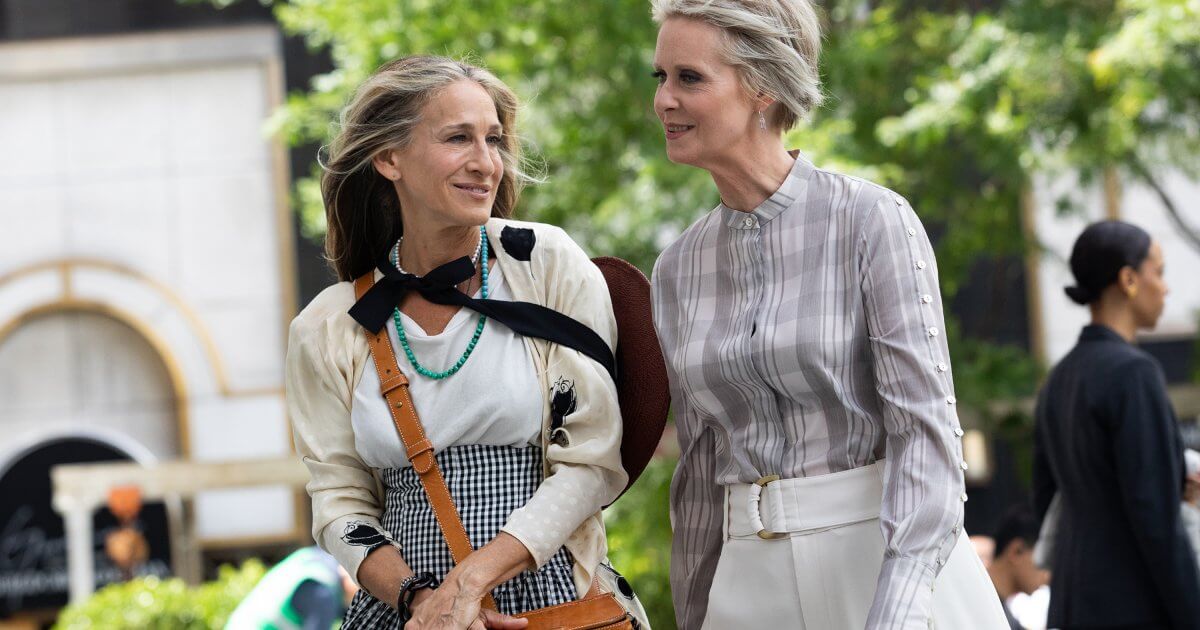
In 2006, actress Cynthia Nixon discovered a lump in her breast it was stage 1 breast cancer; Nixon is back to work on the set of the latest Sex and the City rebott series titled And Just Like That…
Nixon had mammograms since the age of 35; she was vigilant about getting them, because her mother was diagnosed with and beat breast cancer.
Mammograms look for lumps in the breast tissue and signs of breast cancer; women ages 45 to 54 should get mammograms annually. Women like Nixon who have a family history of the disease should start screening before 45.
If you’re in New York City this summer, you’ve likely heard the buzz about town: The Sex and the City ladies including breast cancer survivor, Cynthia Nixon are back in the Big Apple streets shooting scenes for the upcoming revival of the hit HBO series. The 10-part revival series’s title, And Just Like That…, is a nod to writer Carrie Bradshaw’s well-worn turn of the phrase, and it will reportedly premiere in late 2021 on HBO.
Fans of the show will remember how Samantha Jones (Kim Cattrall) battled breast cancer during the series. (Sadly, Cattrall will not be reprising her role of Samantha in this latest iteration of Sex and the City.) But some fans may not know that the actress behind the character of Miranda Hobbes, Cynthia Nixon, battled the disease in real life.
The 55-year-old actress is an inspiration in so many ways, and one of them is because she is a diligent advocate for regular breast cancer screenings which is how she caught her disease in the first place.
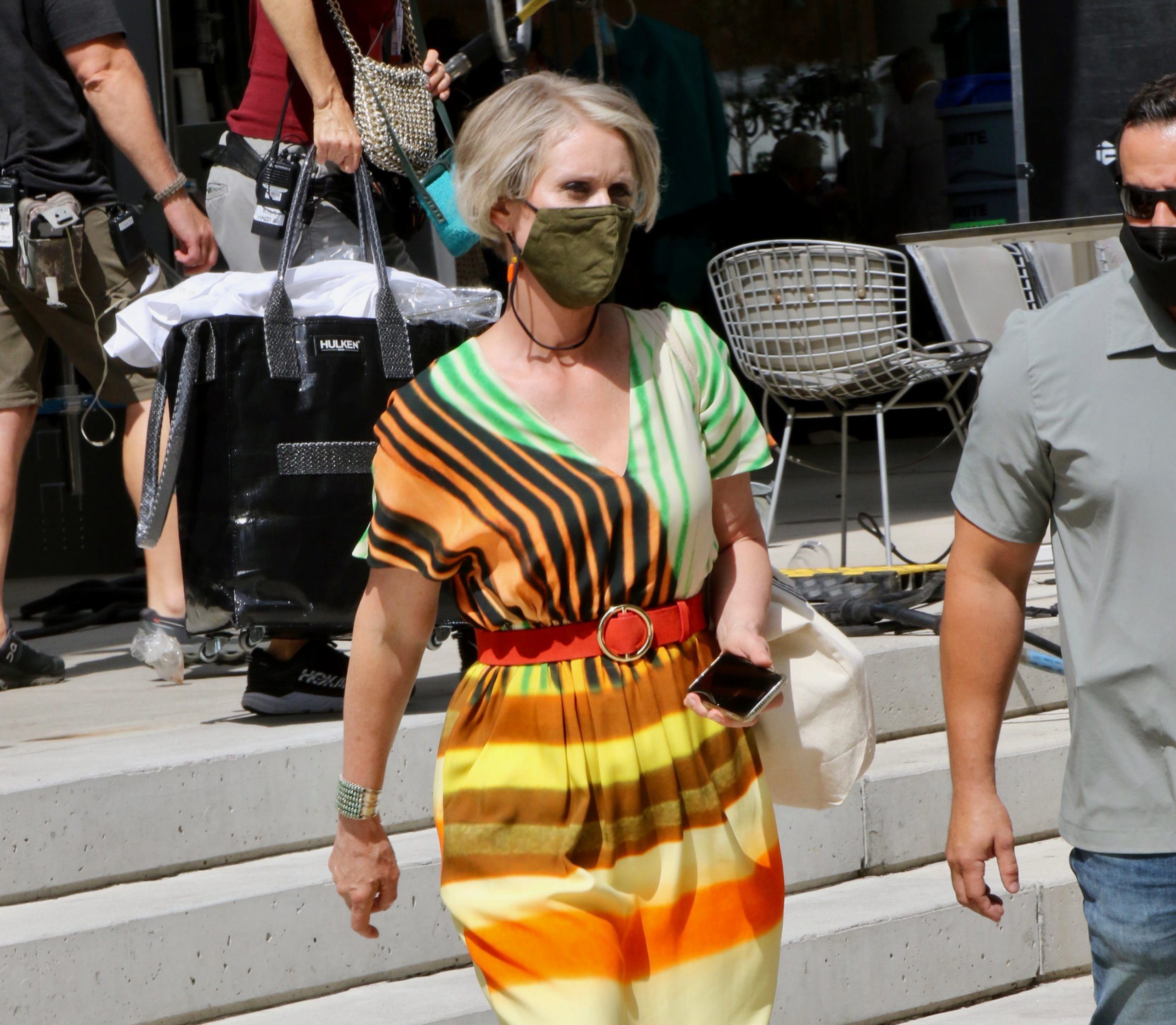
Cynthia Nixon is seen on July 14, 2021 in New York City. (Photo by Nancy Rivera/Bauer-Griffin/GC Images)
Cynthia’s Breast Cancer Journey
Cynthia Nixon found a lump in her breast in 2006. Throughout the process, Nixon was relaxed and later shared that she didn’t think the lump despite being cancer was a big deal. Having a calm, positive attitude through cancer can help the process be smoother for some people.
Doctors informed Nixon that the tumor found in her breast was stage 1 breast cancer. In a previous interview, Nixon recalls how, “The doctor said the tumor was so small, he wouldn't have even noticed it except for the fact that it wasn't there on previous X-rays. I've learned that if you catch breast cancer early, the chances are overwhelmingly good that you'll be cured. So my attitude, which very much mirrored my mother's, was this wasn't a big deal.”
Nixon began having mammograms at age 35 because her mother had breast cancer, and beat it. Cynthia treated her stage 1 breast cancer with six weeks of radiation, and she also had a lumpectomy.
Mammograms look for lumps in the breast tissue and signs of breast cancer. Women aged 45 to 54 should get mammograms annually. And women like Nixon, who have a family history of the disease, should start screening before 45. If someone in your family has breast cancer, or if you carry the BRCA1 or BRCA2 gene mutation, start screening early.
In an earlier interview, Dr. Connie Lehman, the chief of the Breast Imaging Division at Massachusetts General Hospital, explains the necessity of screening for breast cancer to detect this disease. She says, “If you haven’t gone through menopause yet, I think it’s very important that you have a mammogram every year.”
“We know that cancers grow more rapidly in our younger patients, and having that annual mammogram can be lifesaving,” explains Dr. Lehman. “After menopause, it may be perfectly acceptable to reduce that frequency to every two years.”