
Long Term Survival
- Law and Order actress Maura Tierney, 60, celebrates 16 years cancer-free as the show returns for a milestone 25th season in the Fall. This moment comes after being diagnosed with early-stage breast cancer at 44, defying the odds and statistics that typically associate breast cancer risk with older age.
- Early-stage breast cancer is characterized by a small tumor confined to the breast, with no signs of spread to the lymph nodes, making it highly treatable.
- Treatment at this stage often involves surgical removal of the cancer, possibly followed by radiation therapy. Surgery options typically include a lumpectomy, which removes the tumor and surrounding tissue while preserving most of the breast, or a mastectomy, which involves full breast removal.
- Many women opt for breast reconstruction following a mastectomy. This procedure can involve implants made from the patient’s own tissue or saline or silicone materials to restore shape and appearance.

“Law and Order” is a spinoff of “Law and Order: Special Victims Unit,” which is among the longest-running live-action scripted programs in the country.
Read More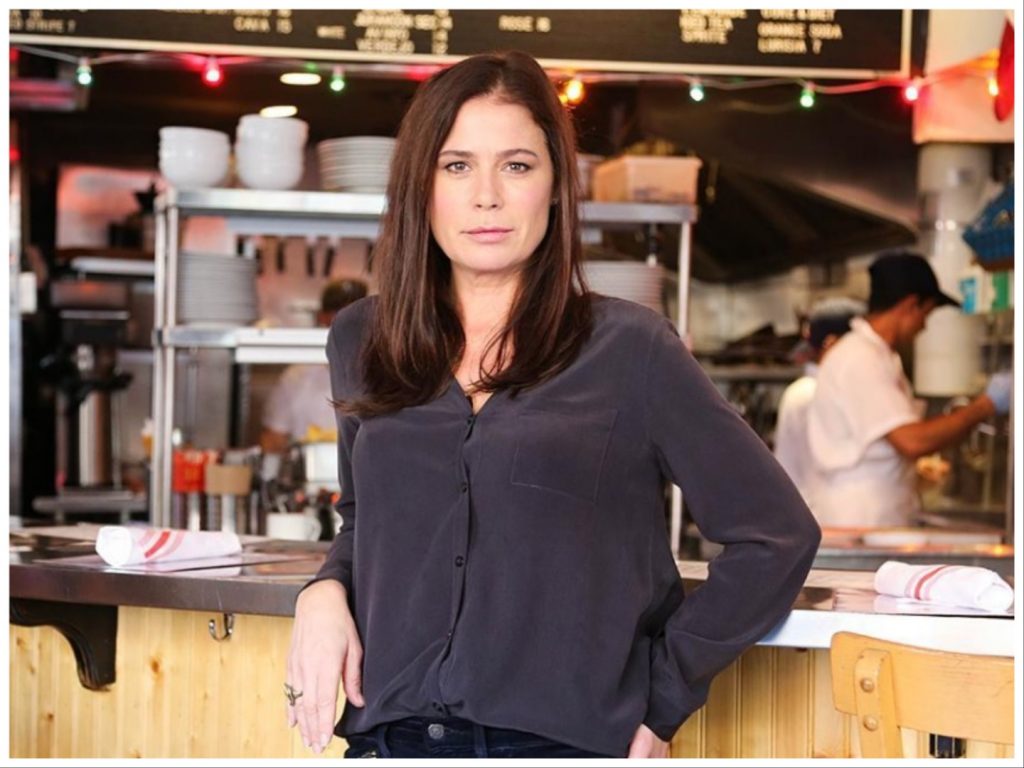
“I was very shocked and surprised because of my age,” Tierney shared with Coping Magazine.
Part of Tierney’s shock after her diagnosis stemmed from the likelihood of breast cancer risk growing as you age. Most people diagnosed with breast cancer are 50 or older, according to the Centers for Disease Control and Prevention (CDC).
“I’ve since learned that it’s not that shocking; there are plenty of young women diagnosed with breast cancer,” Tierney said.
It’s a reality echoed by oncologist Dr. Ann Partridge of Boston’s Dana-Farber Cancer Institute, who notes that nearly 11,000 women under 40 are diagnosed each year—facing forms of the disease that are often more aggressive and advanced.
“Young women are more likely to be diagnosed with breast cancer that is more aggressive,” Dr. Partridge told SurvivorNet.
“They’re more likely to have bigger tumors and lymph node involvement at diagnosis… Part of that is because young women aren’t typically being screened,” Dr. Partridge added.
WATCH: When to get a mammogram.
Tierney first noticed a lump in her breast and followed up with a mammogram. It was then her battle began.
She opted for a skin-sparing mastectomy, preserving the breast’s outer shape while removing the tissue. According to research published in Gland Surgery, skin-sparing mastectomies “optimize the cosmetic outcomes of smaller incisions and preserve breast anatomy.”
“It’s scary to think you have to have a mastectomy, but I had a great plastic surgeon and a great reconstruction,” Tierney said.
WATCH: Choosing between a lumpectomy and a mastectomy.
There are several factors to weigh when considering a mastectomy, chief among them being whether breast-conserving surgery (or lumpectomy) is possible. Your doctor will assess the size and characteristics of your tumor, as well as your family history, to make a recommendation.
Following surgery, Tierney underwent chemotherapy—an experience she found mentally taxing despite ultimately tolerable side effects.
“I was very, very afraid of the chemotherapy. I had a tremendous amount of anxiety,” she said. “I worried that I would be so sick that I wouldn’t be able to get up or even leave the house. Fortunately, this turned out to be untrue for me.”
WATCH: Adjusting Chemo to Mitigate Side Effects
Dr. Renata Urban, a gynecologic oncologist at the University of Washington, explained that chemo’s most common side effects—fatigue, nausea, and neuropathy—can vary widely between patients. Some may experience weakness, burning sensations, or difficulty with fine motor skills like buttoning clothes.
Doctors often prescribe anti-nausea medications as part of the treatment regimen to help offset the discomfort before, during, and after chemo.
Tierney credits receiving good information and open communication with her care team as her greatest source of strength.
“When I was going through my cancer treatment, I learned that you can never ask a stupid question,” she said. “I asked every single question that came to mind, and I believe that helped to calm my own anxiety,” the actress continued.

Today, Tierney has “no evidence of disease” and expresses deep gratitude for her recovery.
“I’m deeply grateful for my family and for science, technology, and medicine,” she said.
Her advice to others navigating the same journey is simple—but hard-earned: “Hang in there. That’s what I’m doing.”
Managing Chemotherapy and Its Side Effects
Chemotherapy is an effective tool for oncologists to help treat cancer by stopping cancerous cells from growing, dividing, and spreading to other organs. Chemo works by traveling through the bloodstream, killing cancerous cells. However, the process also affects healthy cells, resulting in side effects.
Patients almost universally experience fatigue, often alongside gastrointestinal side effects such as nausea. Doctors have many effective medications to combat chemo-induced nausea. “But mitigating that fatigue often depends on the patient,” Dr. Urban explained to SurvivorNet.
“Neuropathy is probably one of the most challenging side effects,” Dr. Urban continued.
Neuropathy results from damage to the peripheral nerves. It usually resolves after chemotherapy treatment, but sometimes symptoms can persist. While it’s typically characterized by numbness or a pins-and-needles sensation in the hands and feet, neuropathy can have several different symptoms, including:
- Weakness in the hands or feet
- Stabbing or burning pain in the hands or feet
- Difficulty gripping, such as when holding a fork
- Difficulty with fine motor skills, such as writing or buttoning a shirt
Nausea and vomiting are common side effects of chemotherapy. When chemotherapy affects the rapidly dividing cells in the stomach lining, the resulting cellular havoc in the gastrointestinal tract can lead to side effects such as nausea and vomiting. However, doctors can help patients mitigate the hit with various medications before, during, and after treatment.
“Part of the chemotherapy prescription includes a set regimen of anti-nausea medications…We also ensure patients have medications at home that they can use should they develop nausea after treatment,” Dr. Urban added.
WATCH: Adjusting Chemo to Mitigate Side Effects
Tierney credits her ability to cope throughout her breast cancer journey to being armed with reliable information from her doctor. Experts at SurvivorNet agree that learning as much as you can about your disease and treatment options can be a helpful way to ease your fears about the unknown.
What To Ask Your Doctor
If you have been diagnosed with breast cancer, you may have questions about keeping your strength through treatment. Here are a few questions to help you begin the conversation with your doctor:
- What treatment will I be receiving?
- What side effects are associated with this treatment?
- Are there steps I can take daily to help minimize these side effects?
- What physical activity routine do you recommend for me during treatment?
- Do you have recommendations for someone who doesn’t particularly enjoy exercise?
- Can you recommend a dietitian who can help me with healthy eating tips and weight maintenance?
- I’ve been having trouble sleeping.
- Do you have any treatment recommendations?
Learn more about SurvivorNet's rigorous medical review process.


