
Finding Strength Through Support
- General Hospital veteran Tristan Rogers, 79, recently disclosed he’s facing an undisclosed cancer diagnosis. His longtime co-star and on-screen brother, John York, is offering support after surviving two forms of cancer himself.
- Last year, York, 66, underwent treatment for myelodysplastic syndromes (MDS) and multiple smoldering myeloma. He returned to television post-treatment.
- MDS is a group of bone marrow disorders that often resemble cancer under a microscope and involve genetic changes linked to abnormal blood cell development.
- Symptoms of MDS include frequent infections, fatigue, anemia (shortness of breath), and easy bruising—caused by the marrow’s inability to produce enough healthy cells.
- Smoldering myeloma is a precursor to active multiple myeloma, a cancer of plasma cells. It’s marked by high levels of abnormal proteins and over 10% plasma cell presence in the bone marrow. The goal is to prevent progression to full disease.
- Having supportive loved ones offering emotional support plays a critical role during a cancer diagnosis. Psychiatrist Dr. Lori Plutchik says it’s often an “overwhelming experience” that may require connection both inside and outside your trusted circle.
Rogers, beloved as Robert Scorpio since 1980 and a Daytime Emmy winner, recently revealed his cancer diagnosis, choosing to keep the specific type private. The announcement comes two and a half years after York, who plays Mac Scorpio, disclosed his own diagnosis in December 2022.


Ahead of the virtual event, York posted a playful teaser—a YouTube clip featuring the classic track “Me and Baby Brother,” captioned: “Can’t wait to hear what my big brother is up to!”
Rogers returned to the soap’s July 18, 2025, episode, reprising his iconic role the day after sharing his health news—a testament to his enduring commitment to storytelling and strength.
“While he remains hopeful and is working closely with his medical team on a treatment plan, this is a challenging time for Tristan and his family,” his representative told TV Insider.
“As they face both the emotional and physical burdens that come with this diagnosis, the family kindly asks for privacy and understanding. They are deeply grateful for the outpouring of support and love from their friends and family,” the representative continued.

The support has already begun to pour in. On a “General Hospital” Facebook fan page, one viewer shared, “My prayers are with you for recovery.”
Another added, “Robert Scorpio. Sending prayers: One of my favorite actors.”
Helping Patients Cope with a Cancer Diagnosis
- Coping with Anxiety after an Ovarian Cancer Diagnosis
- Anxiety Around Colon Cancer Diagnosis
- Fear, Anger, Anxiety: You’re Entitled To Your Emotions
- High-Cost Parking at Hospitals Is Pain-Point for Cancer Patients Already Dealing With So Much
- ‘How Much Will It Cost?’: A Guide to Coping With the Cost of Cancer Treatment
Cancer Diagnosis: Finding Strength Through Support and Mental Health
When someone receives a cancer diagnosis, emotional support becomes as crucial as medical care. According to New York-based psychiatrist Dr. Lori Plutchik, the moment of diagnosis “can be a very overwhelming experience,” often requiring help beyond one’s immediate circle of family and friends.
“Some people don’t need to go outside of their family and friends circle. They feel like they have enough support there,” Plutchik previously told SurvivorNet. “But for people who feel like they need a little bit more, it is important to reach out to a mental health professional.”
WATCH: What to do after a cancer diagnosis?
For those navigating the early stages of a diagnosis, Dr. Plutchik recommends three key strategies:
- Seek extra support if needed. Consider speaking to a licensed mental health professional or joining a cancer support group.
- Look for specialized mental health care. Finding someone experienced in working with cancer patients can make a significant difference.
- Build and maintain a cohesive care team. This includes not just your doctors, but also loved ones, therapists, and trusted friends who can walk the journey with you.
Understanding the emotional fluidity of those facing cancer is also critical. Dr. Plutchik reminds us that patients may experience a “range of emotions, including fear and anger,” and that these feelings “can recede and return based on where someone is in the process.”
Echoing the importance of emotional resilience, Dr. Charmain Jackman, founder of InnoPsych, emphasizes the power of mindset. “In the face of a life-threatening diagnosis, fear, hopelessness, and despair can quickly take space in your mind. However, your mindset is a superpower and can be a potent antidote to illness,” she said.
Maintaining emotional balance and seeking support when needed can help create a foundation of strength, resilience, and hope—one that’s just as vital to healing as any treatment plan.
John York’s Courageous Health Journey
John York revealed his diagnosis of two complex blood and bone marrow disorders: myelodysplastic syndromes (MDS) and multiple smoldering myeloma. In response, York embarked on a difficult but potentially lifesaving path—undergoing a blood stem cell transplant, a procedure considered the only curative option for MDS.
Smoldering myeloma is often a precursor to full-blown multiple myeloma, a serious form of blood cancer. It typically evolves from two prior conditions: monoclonal gammopathy of undetermined significance (MGUS) and smoldering myeloma itself.

MGUS occurs when abnormal proteins are found in the blood, though the number of plasma cells in the bone marrow remains nearly normal.
Smoldering myeloma serves as a clinical bridge between MGUS and active multiple myeloma, with elevated plasma cells but often without symptoms.
Myelodysplastic syndromes, meanwhile, represent a group of disorders that compromise blood cell production and are also classified as blood cancers. Stem cell transplants offer hope for remission but are intense, and not all patients qualify due to age, health status, or other factors.
WATCH: What are Myelodysplastic syndromes?
York first received his diagnosis in December 2022, but he publicly shared the news in September of the following year. Now, in the midst of his 100-day stem cell transplant journey, York candidly described the transformative nature of the procedure.
“They’re basically wiping my body of what I’ve been living with in terms of my blood and DNA and all this stuff for my entire life. They’re wiping that clean, and then they’ll put new stuff in me from the donor. And that’s going to be the new me.”
WATCH: Understanding bone marrow biopsies.
To evaluate the extent of his disease, York also underwent a bone marrow biopsy—a procedure where a specialist uses a needle to extract both liquid marrow and a small core of bone, usually from the pelvis. In children or alternate cases, other bones like the breastbone, spine, or leg may be used.
Performed under local anesthesia—sometimes with anti-anxiety medication or IV sedation—the biopsy typically lasts 15 to 30 minutes and is overseen by a hematologist or oncologist.
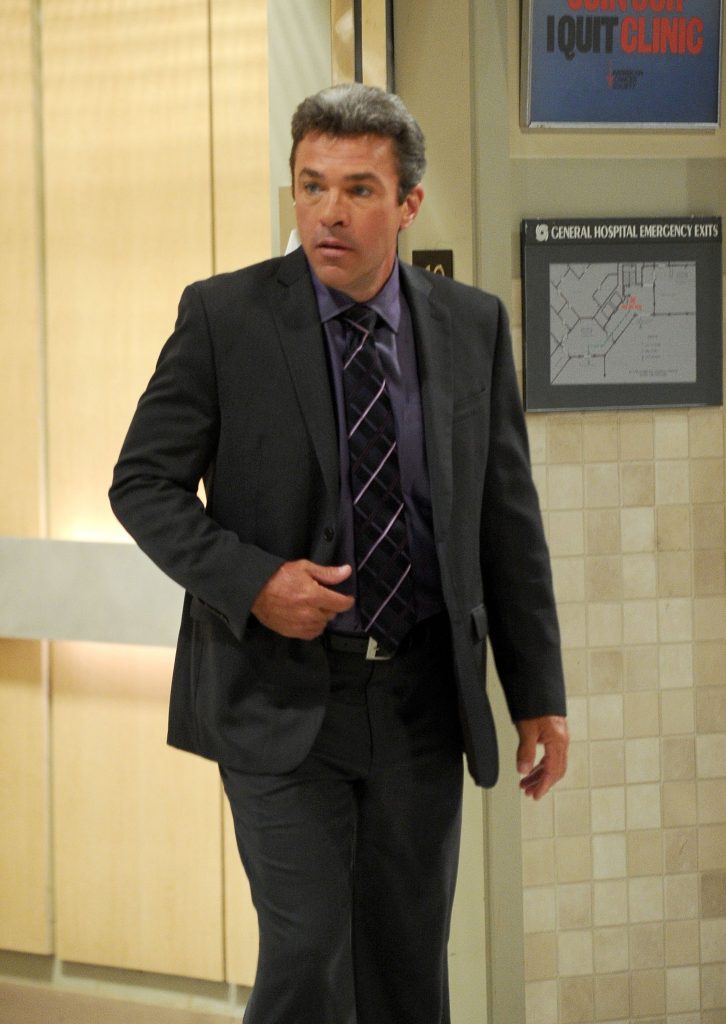
Despite the demanding treatment, York showed remarkable resilience and returned to filming General Hospital. While details of his current health remain private, his reappearance on screen signals an unwavering spirit.
Learn more about SurvivorNet's rigorous medical review process.


