Battling Cancer As a Hero
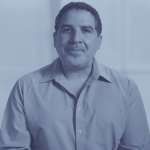
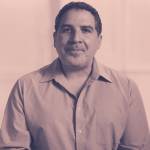
- Joel Gendron, a father and brain tumor survivor, is sharing his journey after being diagnosed with a grade 2 glioma, undergoing surgery, chemotherapy, and radiation.
- He emphasizes the importance of community support, relying on friends and family for daily help and emotional strength.
- Gendron also drew strength and hope from music, his spiritual beliefs, and viewing himself as the central “hero” in his journey. His experience encourages others to tackle difficulties with determination, maintain a positive yet realistic outlook, and lean on support systems while taking charge of their own path.
- He encourages asking doctors all questions, confronting uncertainty without fear, and taking control of one’s own health decisions.
The Massachusettes resident, who prides himself for being his son’s soccer coach, tells SurvivorNet, “If I were to go back and talk to myself that day or anybody else who’s just been diagnosed, it’s a very hard pill to swallow, I admit.
Read More
With his tumor now smaller and stable, he continues regular monitoring while also sharing his experience to offer guidance and encouragement to others facing similar diagnoses.
Embrace Your Community and Accept Support
“I want you to know that you’ve got people on your team, you’ve got people fighting for you, and you’ve got people praying for you, and you have a world of support,” he tells us.
“You’re going to find out that you have more support than you thought you did, whether it be your neighbors or whether it be cousins or even your employer will reach out to you in ways that you never thought they would. So plunge forward with this giant elephant that’s sitting on your shoulder, keep moving forward.”
Gendron insisted, “You’re not moving backwards, always move forward.”
He then explained that during his treatment, he relied on the support of friends and community members who helped with everyday tasks, like bringing baked goods or giving his children rides to school.
Following a tonic colonic seizure that caused him to lose consciousness, ultimately leading to his diagnosis, he was prohibited from driving for six months, making the support from friends and community members even more valuable.
He highlighted that others are often aware of the challenges a serious diagnosis brings and are willing to help with daily responsibilities.

Never Be Afraid to Ask Your Doctors More Questions
Gendron also advises, “There’s no question that shouldn’t be asked”
“You’re going to be faced with a lot of different options,” he explains. “It seems like a million different options of how to approach this and ask the questions. It’s important to ask all the questions that are on the table and bouncing around inside of that wonderful brain of yours and ask the questions about what is this versus this? If I make this choice versus this.”
Expert Resources On Coping With Emotions
- Mental Health: Understanding the Three Wellsprings of Vitality
- Mental Health and Cancer — The Fight, Flight or Freeze Response
- Mental Health: Coping With Feelings of Anger
- Fear, Anger, Anxiety: You’re Entitled To Your Emotions
- ‘Be Patient With Your Emotions’: A Social Worker’s Insights Into Handling a Cancer Diagnosis
- Responding to Stress: How to Cope With Complex & Changing Emotions
Don’t Let Fear Take Over
When it comes to confronting an illness, Gendron warns others not to be overwhelmed with the unknown.
On this journey that I’m on, I’ve heard a lot of different stories. There are people who get brainsurgery and they go through chemo and radiation, or they don’t get brain surgery, and they’re just stable for 20 plus years. And I’ve heard stories where people are fine for a year, and then it’s almost like everything they went through didn’t work. And there is a fear that it comes back.
“But I think for me, with a lot of things in life, I know that things are going to go the way they’re going to go. There’s much we can do with it.”
Gendron described his approach to uncertainty with the motto, “cross that bridge when we get there.” He recognizes that his path with glioma could change at any moment, and while he welcomes progress, he stays ready to face any obstacles that may come his way.
He adds, “I know that my doctors are ready for that, and I know that they’ve seen it all. I know I’m thankful for the team that I have, and I already know that I have the support that I need to move forward.”

The Power of Good Music
During Gendron’s treatment, he found solace in things that brought him joy, particularly music.
Songs from his younger years evoked memories of carefree moments—summer trips, time with family, and fun with friends—helping him reconnect with happiness. He likened it to how runners use music to energize themselves, showing how a favorite tune can provide a meaningful emotional boost.
“If you’ve got music that pumps you up. Go for it,” he suggests.
Be Your Own Hero
Offering more insight into how he maintains an optimistic outlook, Gendron adds, “The other thing is that I’m a man of faith and knowing that I’m connected with my God and spiritually … I can ask, I understand and I feel, and I believe that my story is written in a specific way. So, okay, if this is part of the plan, if this is my story, how is the hero in that story going to deal with this struggle?”
After asking himself how he would overcome the challenge, he decided, “I’ve got to play the role of the hero.”

He concluded that a hero must always be prepared for the next challenge, whether it’s an imagined villain or a real-life obstacle.
In his case, the “villain” appeared as a recurring tumor. But drawing on his resilience, Gendron viewed it as a familiar chapter in a superhero story and resolved to face it head-on.
He continues, “I need a hero. There’s people who need heroes in this world. If you are going to go through this process, do it with grace and push through.
“You’re going to get beat up. You’re going to get pushed down, but you’re going to come out on top because you’re the hero. You’re the hero in the story, and people are going to see that. They’re going to watch for you and they’re going to see what you do next.”
SurvivorNetTV Presents: Breaking the Cycle The Power of Mindset
We admire Gendron’s outlook on battling cancer, and it reminds us of when Dr. Samantha Boardman, a New York-based psychiatrist and author, previously told SurvivorNet that when confronting new challenges, it’s crucial to maintain and rely on coping strategies that support mental health throughout the journey.
“I think flexibility is really a core of how to manage it,” Dr. Samantha Boardman said. “Are your coping strategies that you’re using now, are they helpful in the way that they were in the past?”
Dr. Boardman encourages people who may be struggling with their mental well-being to take stock of their belief system and ask themselves the following questions:
- Could these beliefs be harming me (like feelings of self-doubt or negativity)?
- Is my mindset holding me back from positive steps forward?
Dr. Boardman suggests working to recognize any negative thoughts that may be making the process of cancer treatment more difficult, and trying to dismantle those to be more “realistically optimistic.”
Contributing: SurvivorNet Staff
Learn more about SurvivorNet's rigorous medical review process.