
Kate Middleton's Cancer Journey
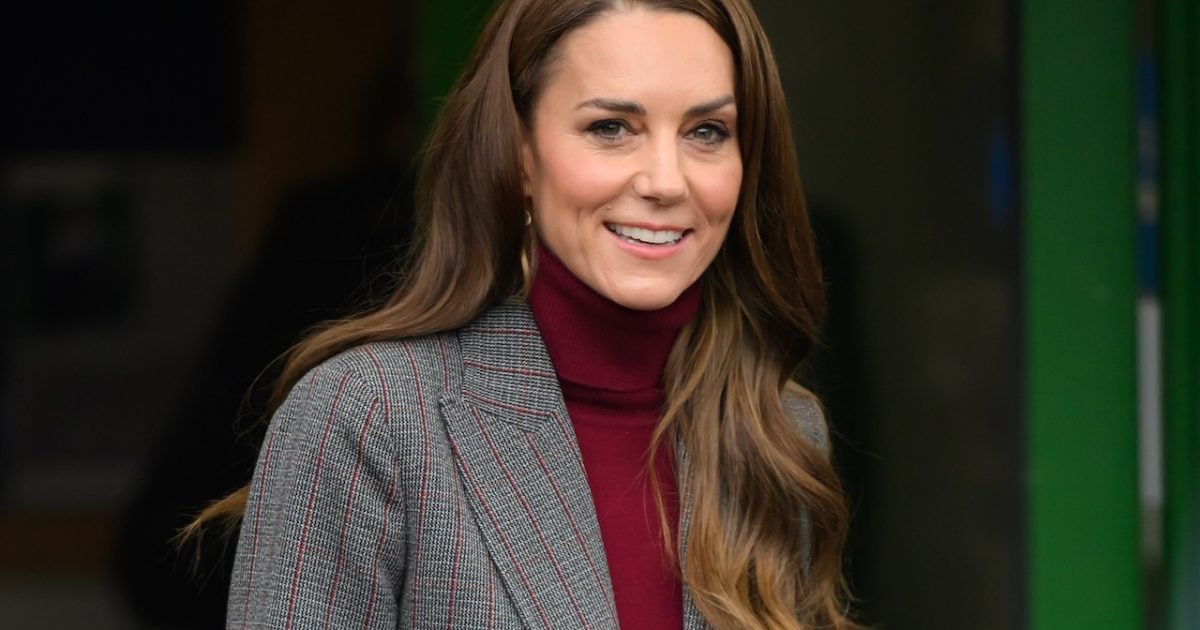
- The Princess of Wales, Kate Middleton, 44, says her cancer recovery taught her to “slow down and pay attention,” a lesson she carried into a Nov. 11 hospital visit in Hampshire championing early support for babies.
- Middleton revealed in March 2024 that cancer was found after “major abdominal surgery,” completed chemotherapy that September and announced she was in remission in January 2025.
- Paying attention to your body and speaking up with your doctor matters, and every health concern should come with a clear diagnosis, treatment, follow-up and backup plan.
- Have questions before your next appointment? SurvivorNet’s AI tool, My Health Questions, offers answers grounded in clinical guidelines to help patients and caregivers navigate care with confidence.
In a recent interview with nature writer Robert Macfarlane for a special issue of Country Life, guest-edited by Prince William, Middleton opened up about the role nature played as she healed.
Read MoreNature became her pressure-free sanctuary, a place that “doesn’t judge us or expect us to perform,” as she navigated a recovery doctors warned “would not be linear.”View this post on Instagram
When Macfarlane suggested that nature may not simply heal us but “can teach us how to live,” Middleton agreed, describing a lesson that sounds a lot like advice for anyone rebuilding life after illness.
“It’s spending quality time with each other, taking time to pay attention to the world around us, noticing ourselves and reconnecting to the things that matter to us,” the Princess said. “That’s why nature has felt so important to me — it is a quiet teacher. Sometimes, when life is very loud, a quiet teacher is exactly what we need.”
Middleton didn’t keep that lesson to herself for long. On Nov. 11, the day her interview was published, she stepped out solo to champion babies who can’t yet put their needs into words.
At The Chase Community Hospital in Bordon, a town in East Hampshire about 50 miles southwest of London, England, the Princess met with families and health visitors to see how early support can help babies thrive.
View this post on Instagram
Photos shared on the Prince and Princess of Wales’ official Instagram, in a joint post with the Royal Foundation Centre for Early Childhood, show Middleton crouched on a play mat, lighting up as she engages with a baby, offering her finger to a little girl in a red dress, and gathered around a table with health visitors and staff of the National Health Service (NHS), the U.K.’s publicly funded healthcare system.
“Every baby communicates in their own way,” the post read. “Paying close attention to how they communicate helps to strengthen early relationships and ensure babies and families get the support they might need at the earliest opportunity.”
View this post on Instagram
The visit centered on the Alarm Distress Baby Scale (ADBB), a tool that helps health visitors, specially trained nurses or midwives who support U.K. families with young children, notice when a baby may be quietly struggling.
According to the scale’s creators, French child psychiatrist Antoine Guedeney and Jean Fermanian, who first published it in the Infant Mental Health Journal in 2001, the ADBB is designed for infants between 2 and 24 months old. According to research cited in a 2020 Frontiers in Psychology, the scale looks at eight areas of a baby’s social behavior, including facial expression, eye contact, general level of activity and vocalizations.
The scale is used to spot social withdrawal, when a baby seems unusually quiet or disengaged, which Guedeney and Fermanian describe as an alarm signal that can point to physical health problems or parent-child relationship difficulties. According to research cited in the same study, it has also been linked to postpartum depression, premature birth and low birth weight.
RELATED: The Benefit of Support Networks for Cancer Patients
Now expanding across the U.K. after the Royal Foundation Centre for Early Childhood first saw it in Denmark in 2022, the ADBB reflects the same lesson Middleton took from her own recovery: the quietest signals often matter most, and noticing them early can make all the difference.
The Power of Paying Attention to Your Health
- Can Older Women Skip Some Cancer Screenings? It’s Important to Pay Attention to Guidelines
- Learn Your Risk and Listen to the Guidelines: An Important Message About Breast Cancer Awareness
- If You Feel Something, Say Something — Men Ignore Symptoms Too Often
- How to Avoid Being Misdiagnosed: Keep Yourself from Being 1 in 800,000 Annual Mistaken Diagnoses
- Don’t Ignore Your Risk Factors — Catching Endometrial Cancer Early Can Make a Difference
Kate Middleton’s Cancer Journey
In September 2024, Middleton marked a major milestone: she had completed chemotherapy. She shared the news in an emotional video on social media, filled with footage of her family enjoying time outdoors.
“As the summer comes to an end, I cannot tell you what a relief it is to have finally completed my chemotherapy treatment,” she said.
Looking back on the previous nine months, she called them “incredibly tough for us as a family,” adding, “Life as you know it can change in an instant and we have had to find a way to navigate the stormy waters and road unknown.”
In March 2024, Middleton revealed that tests following “major abdominal surgery” had found cancer had been present. In the video, she spoke candidly about how unpredictable the experience had been, not just for her, but for those she loves.
“The cancer journey is complex, scary and unpredictable for everyone, especially those closest to you,” she said. “With humility, it also brings you face to face with your own vulnerabilities in a way you have never considered before, and with that, a new perspective on everything.”
View this post on Instagram
That new perspective, she explained, led her and Prince William to slow down and focus on what truly matters. The experience “has above all reminded William and me to reflect and be grateful for the simple yet important things in life, which so many of us often take for granted. Of simply loving and being loved.”
Still, she was clear that finishing treatment was not the finish line. “Doing what I can to stay cancer free is now my focus,” she said. “Although I have finished chemotherapy, my path to healing and full recovery is long and I must continue to take each day as it comes.”
That fall, she eased back into royal duties, and in January 2025, she announced she was in remission.
Why Paying Attention to Your Health Matters
As Middleton’s experience shows, paying attention, to your body, your feelings and the quiet signals in between, can make a real difference. And that applies long after a diagnosis or treatment ends.
You know your body better than anyone else, so don’t be afraid to speak up. When you see a doctor about a concern, make sure your questions are fully answered and that you feel comfortable with the plan moving forward. If something still doesn’t feel right, it’s okay to be a little persistent.
Ideally, every health concern should come with four things: a diagnosis, a treatment, a plan for follow-up, and a plan for what happens next if the treatment doesn’t work. If any of those pieces are missing, ask about them, or consider seeking a second opinion.
As a patient, if you don’t feel like each of these four things has been accomplished, just ask! Even if it requires multiple visits or seeing additional providers for a second opinion, always be your own advocate.
The Importance of Being Your Own Advocate
Dr. Zuri Murrell, director of the Cedars-Sinai Colorectal Cancer Center, previously told SurvivorNet that healthcare guidelines are meant to do the right thing for the largest number of people while using the fewest resources.
“The truth is you have to be in tune with your body, and you realize that you are not the statistic,” he said.
Dr. Murrell told SurvivorNet that not every patient will “fit into the mold,” so it’s important to educate yourself and be your own health care advocate.
“Every appointment you leave as a patient, there should be a plan for what the doc is going to do for you, and if that doesn’t work, what the next plan is,” Dr. Murrell advised. “And I think that that’s totally fair. And me as a health professional that’s what I do for all of my patients.”
How to Cope if Your Child is Diagnosed With Cancer
A child’s cancer diagnosis can feel like the dreams you had for your family are falling apart. It’s important to give yourself permission to feel everything that comes with that news, from fear and grief to anger and uncertainty. Once you’ve allowed yourself to process those emotions, you can begin to find your footing and focus on the steps ahead.
Remember, too, that you don’t have to navigate this alone. Your child’s oncologist and care team are there to guide you, answer your questions and help you understand what comes next.
The Impact of a Childhood Cancer Diagnosis on the Whole Family
Oncology social workers can also be an invaluable resource, helping families manage the financial side of treatment along with the many practical and emotional challenges a cancer diagnosis can bring.
Remember, your mental health matters, too. A counselor or psychologist can help you cope, and friends and family can share the load, because no one expects you to do this alone.
The Value of Using a Social Worker During Treatment
Questions To Ask Your Doctor
If you have a cancer screening coming up or have recently had one, you may have questions you want answered. SurvivorNet’s proprietary AI tool “My Health Questions” is designed specifically for patients and caregivers.
WATCH: How One Cancer Survivor and Her Sister Used “My Health Questions” to Navigate Care
This powerful resource is embedded across the SurvivorNet website and delivers structured responses grounded in clinical guidelines and medically reviewed research to help people better understand their treatment options and feel more confident navigating care.
My Health Questions can also help patients come up with useful questions ahead of their next appointment.
RELATED: Knowledge Is Power: Why Access to Good Information is So Important During Cancer
Contributing: SurvivorNet Staff
Learn more about SurvivorNet's rigorous medical review process.


