
A Breast Cancer Survivor’s Honest Guide to Navigating Intimacy After Treatment
- Diagnosed at 35, Courtney Duesing says the physical and emotional changes from a double mastectomy can leave women feeling “robbed of so many things,” making confidence and intimacy difficult to rebuild.
- She stresses that intimacy after cancer is both physical and emotional, urging couples to communicate openly about fears, treatment side effects, and how to navigate changes together.
- Duesing highlights that restoring connection takes effort — often with help from therapy — and says honest conversations are essential for partners working to maintain or rebuild intimacy after breast cancer.
RELATED: Beauty, Dignity, and Resilience: Helping Cancer Patients Embrace Confidence Through Treatment

Today, most women choose to undergo some form of reconstruction after a mastectomy, which can significantly extend the duration of surgery—especially when tissue is transferred from another part of the body.
“When you take tissue from another part of the body and transfer it to fill in the empty space where the breasts are, this is a very long operation,” Dr. Port says.
“It can take anywhere from six to 12 hours because it’s really like having a tummy tuck and then transferring the tissue and grafting the tissue, connecting the vessels, so those tissues have blood flow to live in,” Dr. Port adds.
Duesing says the physical changes to her body brought on by cancer—such as hair loss and changes to the breasts—can greatly influence a person’s comfort with intimacy. Duesing then added that, despite the improvements in reconstruction, the experience is never quite the same, and treatment side effects like those from endocrine therapy can add further difficulty.
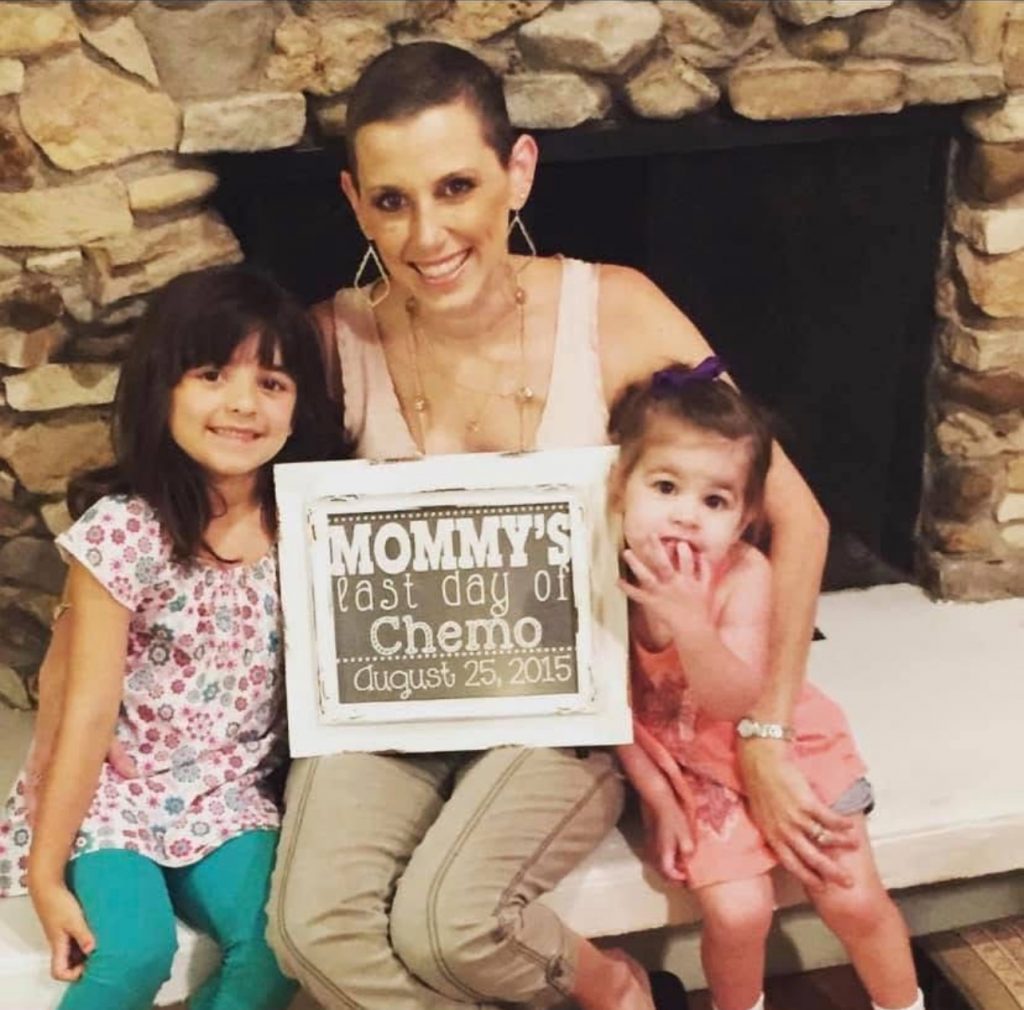
For these reasons, she stressed how vital it is for partners to communicate openly about what they’re going through.
“We all know that intimacy is not just physical; it’s also emotional. And so I think it’s very important to share with your partner what you’re feeling, and also be open to hearing your partner and how it’s affecting them and what you can do together to maintain or restore intimacy,” she explained.
WATCH: Discussing Sex and Sexuality After Cancer
RELATED: We Need More Information on Sexual Health Say Breast Cancer Survivors– Questions to Ask Your Doctor
“Because intimacy can go away, but what can you do together as a couple? And there’s a lot of mutual understanding that’s required in that,” Duesing said.
RELATED: Brave, Bold, and Beautiful in the Face of Cancer — Reclaiming Confidence Through Makeup And Skincare
Duesing highlighted how therapy can offer a more comfortable setting for difficult conversations that might be hard to have at home. She also stressed that rebuilding intimacy and emotional well-being takes a strong effort—it doesn’t just resolve on its own.
Expert Resources for Breast Cancer Patients
- ‘What About Sex?’ — Ovarian Cancer Survivor Mareva Godfrey on Her Sex Life After Ovarian Cancer Treatment
- Sex & Intimacy: Getting Into the Overlooked Side Effects of Cancer Treatment
- The Journey of Transformation — ‘Emotionally, Mentally, Physically, Spiritually’ — Survivors Reflect on Life After Breast Cancer
- ‘A Real Milestone’: FDA Approves New After Surgery Treatment for High-Risk Early Breast Cancer
Helping Patients Get Answers
Cancer treatment breakthroughs are arriving fast, and for many patients and caregivers, keeping up can feel overwhelming. SurvivorNet’s AI-powered tool, My Health Questions, is built to cut through that complexity by helping people understand what new therapies mean for them and how to talk about their concerns with their care teams.
WATCH: How One Cancer Survivor and Her Sister Used “My Health Questions” to Navigate Care
Embedded throughout the SurvivorNet website, My Health Questions delivers structured, clinically grounded answers based on medical guidelines and expert-reviewed research. Users can type or speak their questions and receive responses tailored to their individual profiles, with suggested prompts available for anyone unsure where to start.
Designed to support both major treatment decisions and everyday concerns, the tool is backed by leading oncology specialists. Its purpose is to complement conversations with clinicians — helping patients arrive at appointments more informed, more prepared, and more confident.
As SurvivorNet expands its patient-focused resources, My Health Questions represents a major step forward in how technology can support people navigating cancer.
Learn more about SurvivorNet's rigorous medical review process.


