How an Unexpected Diagnosis Can Shift Your Perspective
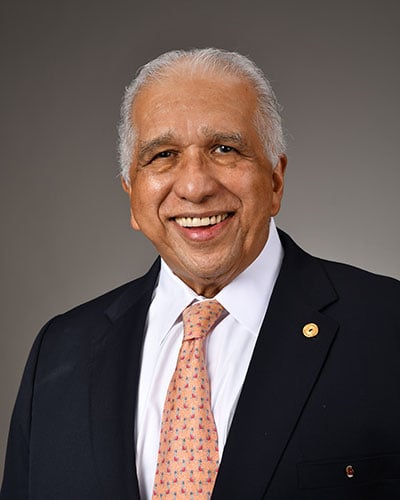
- Lived Experience Changes Everything: “I knew how difficult the treatment was, but I was not prepared for the actual experience,” said Dr. Adan Rios, reflecting on his head and neck cancer diagnosis. His journey revealed the stark difference between clinical knowledge and lived reality.
- Healing With Humanity: Dr. Rios says his time as a patient brought the human side of medicine into sharper focus. He now draws on that experience to connect more deeply with his own patients, blending empathy with expertise.
“I was diagnosed with head and neck cancer about five years ago,” Dr. Rios told SurvivorNet.
Read MoreWATCH: Dr. Rios Shares the Impact of Immunotherapy in the Fight Against Lymphoma
Lessons Doctors Learn When They Become Patients
“I’ll always be grateful to my physician, Dr. Ron Karni. We had a conversation because I was having difficulties eating. I was not gaining much weight after the therapy, and he told me one day, “Your family wants to see you like you were before. That’s what they are hoping will happen. You need to start eating,” Dr. Rios told SurvivorNet.
The conversation Dr. Rios had with his physician refocused his drive and ambition to get through treatment.
“I don’t know if it is the fortune or the opportunity to have this experience. But we have benefited immensely from it,” Dr. Rios said. “Not that you want to repeat it, but there’s no question that it infuses you with a very different texture in the context of what the meaning of life is.”
RELATED: Insomnia, Pain Tolerance, and Anxiety: Addressing Your Unmet Mental Health Needs
Helping Patients Cope with a Cancer Diagnosis
- How Can Genetic Testing Help Determine the Right Form of Mental Health Treatment?
- How to Be Realistically Optimistic: Coping With Mental Health Long-Term
- How to Handle the Emotional Toll of Caring for a Loved One: Prioritizing Your Mental Health
- Mental Health: Coping With Feelings of Anger
- Mental Health: A Guided Breathing Exercise to Help Manage Anxiety
- Insomnia, Pain Tolerance, and Anxiety: Addressing Your Unmet Mental Health Needs
The Real Essence Of Hope
“It is very important that we keep the light of hope at the end of the tunnel bright,” Dr. Rios said.
“I was always told by my colleagues, my physicians, even during the most difficult times. They will tell me, ‘Look, we know this is difficult, but if we get to this line, you will be okay.’ And that really was very, very important to me.”
WATCH: SN & You Presents Mental Health: Coping With Emotions
Coping: What Helps, What Heals
There’s no single roadmap for how to cope with cancer, but some truths have emerged from those who’ve lived through it: patients and doctors alike.
Let Yourself Feel Everything
Shock, anger, sadness, guilt: they’re all normal. The worst thing you can do is pretend you’re fine when you’re not. “I tell my patients now that courage doesn’t mean not being afraid,” one doctor-survivor said. “It means showing up despite the fear.”
Reach Out for Support
Most hospitals have social workers, psycho-oncologists, and support groups for patients and families. Talking with others who’ve walked this path can be grounding. They understand the unspoken language of this illness: the waiting rooms, the scans, and the small victories.
Write It Down
Several studies show that journaling, or what psychologists call expressive writing, can ease anxiety and even help with physical recovery. You don’t have to be eloquent. Just get the noise in your head onto paper.
Trust Your Team, but Ask Your Questions
Doctors often remind patients to speak up, but when they become patients themselves, they realize how hard that can be. It takes courage to say, “I don’t understand.”
- Ask anyway. You deserve clarity.
Take Care of Your Body as Best You Can
Eat when you’re able. Rest when you need to. Walk when you have the strength. Small, steady care matters more than perfection.
And for caregivers:
- The spouses, friends, and children: remember you’re living this too. Your exhaustion, fear, and sadness are real. Take your own breaks. Accept help when offered. Love can be a heavy thing to carry alone.
Learn more about SurvivorNet's rigorous medical review process.