Why CAR T-Cell Therapy Is Underused in the U.S.
- CAR T-cell therapy is a groundbreaking treatment for relapsed or refractory large B-cell lymphoma, but it remains underused across the U.S., even for eligible patients.
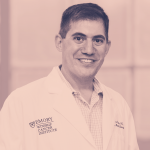
- Experts like Dr. Leslie Popplewell from City of Hope Atlanta say many people in Georgia who qualify for CAR T never receive it, often due to access, cost, or logistical barriers.
- Studies show only about 5% of eligible patients actually get CAR T therapy. Distance from treatment centers and insurance delays are major obstacles.
- Atlanta residents are in a better position, with certified centers nearby, making early discussion with your doctor essential to access this life-saving option.
The National Comprehensive Cancer Network (NCCN) recommends CAR T-Cell Therapy as an option for patients with relapsed/refractory large B-cell lymphoma (LBCL) after first-line therapy failure. Nonetheless, experts warn this groundbreaking treatment may be underused.
Read MoreWhat Data Tell Us
Several recent studies highlight the gap between potential and reality in CAR T use:- A review of Medicare patients with LBCL receiving third-line therapy found only about 5.4% of those eligible actually got CAR T-cells.
- The same study found that patients living far from a certified treatment centre (average ~104 miles vs. 34 miles) had significantly lower likelihood of CAR T therapy: reducing the gap would raise use from ~6.6% to ~9.1% in those states.
Those numbers illustrate that even though CAR T-cell therapy is approved and effective for many patients with relapsed LBCL, most don’t get it.
Why Is This Happening?
There are multiple overlapping reasons for under-utilisation: including logistical, socioeconomic, clinical, and systemic barriers.
1. Geographic access and centre accreditation
To deliver CAR T-cell therapy, hospitals must meet specific certification and infrastructure standards. Not all centres are accredited.
For a patient in Atlanta, you are fortunately in a region with major centres, but patients in more remote states face major travel burdens.
2. Distance and travel burdens
Because only highly specialized, certified treatment centers are authorized and equipped to administer CAR T-cell therapy, access is limited, often located in major urban or academic settings.
If a patient must relocate or travel far for multiple weeks of monitoring, that becomes a deterrent.
“Sometimes the community physician will have a conversation with the patient and the patient will say, well, I guess that’s not for me. After they hear about time away from work, after they hear about needing a caregiver. There are things that we can do to work on that.” – says Dr Popplewell.
“We have a social worker whole job. It is to help people work through issues like that.”
3. Insurance and Financial Burden
CAR T therapies can cost hundreds of thousands of dollars per patient, and hospitals must have specialized staff and monitoring protocols.
“We have a financial counselor whose whole job it is to help us get approval from insurance companies for CAR T-cell therapy. So there are lots of things that we can do.”
“Sometimes those couple of weeks can be tough to get through, but the payoff is good health for years into the future. And it’s nice sometimes to introduce patients to people who’ve already been through the process.
“And I think SurvivorNet, networks like this one are all about putting patients in contact with those who have walked the road ahead of them and can tell them a little bit about their experience so they can see what it’s like to come out the other side.” – adds Dr Popplewell.
What You Can Do Right Now
- Ask early: at your first relapse discussion, bring up the question of CAR T-cell therapy.
- Research centres: Find nearby CAR T-certified centres (in Atlanta or regionally) and ask about their experience and outcomes.
- Plan logistics: Ensure caregiver support, lodging, transportation and insurance pre-authorisation are addressed early.
- Consider timing: Delaying referral may reduce eligibility or limit outcomes—so act sooner rather than later.
Stay informed: Be aware of new trials, expanded indications and evolving pathways for CAR T-cell therapy.
Learn more about SurvivorNet's rigorous medical review process.