
Getting Multiple Medical Opinions While Battling Cancer
- Singer Jessie J, 37, has postponed her U.S. and European tour dates to prioritize a second breast cancer surgery, highlighting the emotional and logistical challenges of navigating treatment while in the public eye.
- After receiving differing medical opinions from two surgeons, she shared her frustration and vulnerability, shedding light on the uncertainty many cancer patients face when treatment plans shift.
- Second opinions provide benefits such as ensuring diagnosis accuracy, revealing more effective treatments, and giving patients peace of mind in healthcare decisions.
- Some health insurance companies will cover the cost of a second opinion. Still, it’s a good idea to find out if yours does before you visit a new doctor, as some insurance companies have stipulations on the extent of coverage they will provide. Keep in mind that you don’t need to stop at a second opinion. Provided that you have the time and financial resources.
- Jessie J was diagnosed with early-stage breast cancer. This type of breast cancer is characterized by a small tumor confined to the breast, with no signs of spread to the lymph nodes, making it highly treatable.
- Treatment at this stage often involves surgical removal of the cancer, possibly followed by radiation therapy. Surgery options typically include a lumpectomy, which removes the tumor and surrounding tissue while preserving most of the breast, or a mastectomy, which involves full breast removal.
“I feel frustrated and sad, but I need to be better. I need to be healed,” Jessie shared in a candid Instagram post.

View this post on Instagram
Despite the setback, Jessie remains focused on healing. She plans to undergo her second surgery by year’s end, even though it means stepping away from the stage she loves.
Her vulnerability has struck a chord far beyond her fanbase. As a mother and artist living with breast cancer, Jessie has become a powerful voice in the cancer community—unapologetically sharing the raw, unfiltered truth of what it means to live through diagnosis, treatment, and the emotional rollercoaster in between.
“I’ve had to cancel shows, delay plans, and sit with the unknown,” she said. “But I’m choosing my health. That’s the only way forward.”
Jessie’s journey reminds us that survivorship isn’t just about medical milestones—it’s about honoring the work it takes to get there.
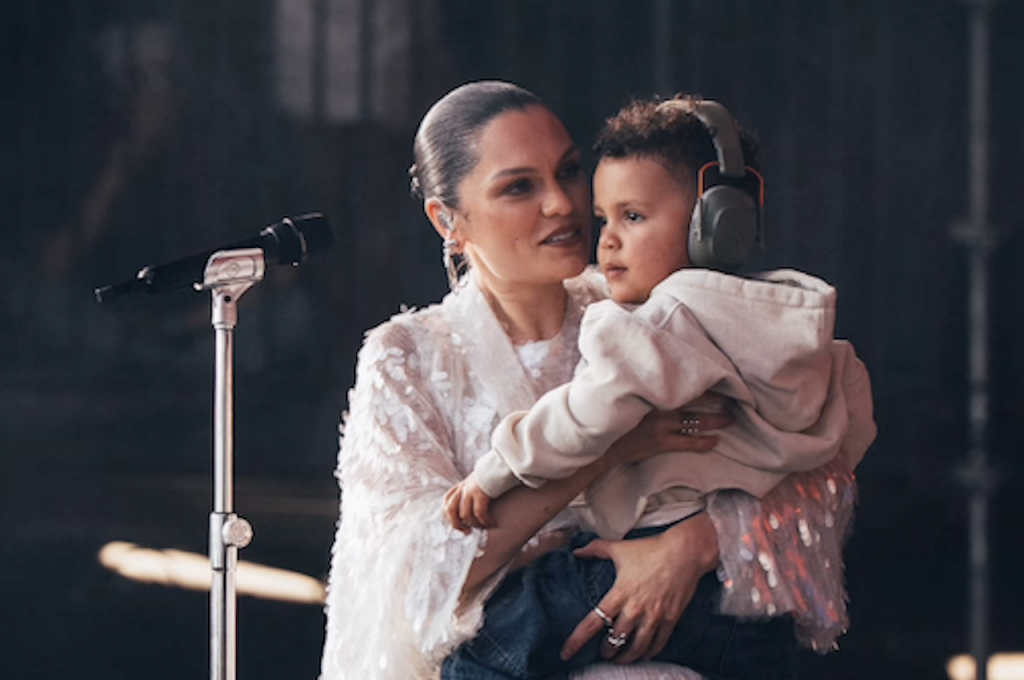
As she moves toward recovery, fans and fellow survivors alike are rallying behind her—with love, respect, and deep admiration for the strength it takes to say: “I need to be healed.”
Jessie’s fans continued to shower her with support, even those who won’t get to see her perform live – for now.
“Sending you all the love, positive and healing vibes your way, and I’m so buzzing to see you again,” Instagram user Lauren McKenna wrote.
“I am so happy for you, Jessie, that they are delaying your surgery. Please don’t say sorry; these things are out of your control. Looking forward to your tour next year,” Instagram user Starlite Entertainment wrote.
The Value of a Second Opinion
- “Always Get a Second Opinion” San Diego Resident Lynn Brooks’ Survivor Story
- Getting a Second Opinion at the VA
- Getting a Second Opinion for Multiple Myeloma
- Getting a Second Opinion is a Smart Move After a CLL Diagnosis
- The Importance Of Getting A Second Opinion: Survivor Tara Lessard Shares Her Cancer Story
Better Understanding Jessie’s Journey
Jessie’s diagnosis—early-stage breast cancer—typically involves a small tumor with no lymph node involvement. Her treatment included a mastectomy and breast reconstruction, a process many women face with varying options and outcomes.
Dr. Elisa Port, Chief of Breast Surgery at Mount Sinai Health System, explains that “Most women do opt to have some reconstruction.”
WATCH: Regaining your sense of self after reconstruction.
Reconstruction can be immediate (during mastectomy) or delayed (months or years later), with techniques ranging from implants to using a woman’s own tissue. While immediate reconstruction often leads to fewer surgeries and better cosmetic results, it may also involve longer recovery and a higher risk of complications.
“Before ‘No Secrets’ came out, I was diagnosed with early breast cancer … Cancer sucks in any form, but I’m holding onto the word early. I have been in and out of tests throughout this whole period. I just wanted to be open and share it,” Jessie said in an Instagram post.
In a follow-up post, she admitted that even as she continued performing and creating, she hadn’t fully processed the emotional weight of her diagnosis.
“One, because, selfishly, I do not talk about it enough. I’m not processing it because I’m working so hard. I also know how much sharing in the past has helped me with other people giving me their love and support, and also their own stories. I’m an open book.”
That vulnerability extended beyond her own experience. Jessie expressed deep empathy for others facing similar or more severe battles, acknowledging the shared pain that often goes unseen.
“It breaks my heart that other people are going through so much similar, and worse. That’s the bit that kills me.”

Even in the midst of physical discomfort, Jessie’s commitment to her craft—and her fans—never wavered. She posted a clip from a recent performance, revealing that she had undergone five breast biopsies the night before taking the stage.
“I was in some discomfort, but so hyped to do it, and I didn’t want to cancel. The more I watch this show back, I can see my brain working in complete overdrive, trying not to blurt it all out.”
Weeks after undergoing breast cancer surgery, Jessie noted how her hair was beginning to fall out.

“My hair has been falling out like crazy since the surgery,” Jessie said.
Hair loss is a common side effect of breast cancer treatment. On the flipside, after treatment, hair tends to regrow.
Jessie J’s journey is a powerful reminder that illness doesn’t erase identity. Through humor, honesty, and heart, she’s showing the world what resilience truly looks like.
Why Self-Advocacy in Healthcare Can Be Life-Saving
When patients actively advocate for their health, it can lead to earlier diagnoses, broader treatment options, and ultimately better outcomes—especially when initial symptoms are overlooked or dismissed.
Part of this advocacy means not settling for a single medical opinion. Persistence matters: revisiting your doctor, pushing for answers, and seeking additional perspectives from other healthcare providers can be crucial steps in the journey.
WATCH: The value of getting a second opinion
Dr. Steven Rosenberg, Chief of Surgery at the National Cancer Institute, underscored this point in a conversation with SurvivorNet:
“If I had any advice for you following a cancer diagnosis, it would be, first, to seek out multiple opinions as to the best care. Because finding a doctor who is up to date with the latest information is important,” Dr. Rosenberg said.
His words are a powerful reminder that having the right medical team can make all the difference—and that begins with being your own strongest advocate.
Getting another opinion may also help you avoid doctor biases. For example, some surgeons own radiation treatment centers. “So there may be a conflict of interest if you present to a surgeon who is recommending radiation because there is some ownership of that type of facility,” Dr. Jim Hu, director of robotic surgery at Weill Cornell Medical Center, tells SurvivorNet.
Other reasons to get a second opinion include:
- To see a doctor who has more experience treating your type of cancer
- You have a rare type of cancer
- There are several ways to treat your cancer
- You feel like your doctor isn’t listening to you, or isn’t giving you sound advice
- You have trouble understanding your doctor
- You don’t like the treatment your doctor is recommending, or you’re worried about its possible side effects
- Your insurance company wants you to get another medical opinion
- Your cancer isn’t improving on your current treatment
WATCH: The Importance Of Getting A Second Opinion: Tara Lessard Shares Her Cancer Story.
Tara Lessard is another woman who refused to follow the lead of just one medical opinion. After her 2015 stage 4 ovarian cancer diagnosis, she underwent 21 rounds of chemotherapy and battled severe side effects, including neuropathy that left her temporarily wheelchair-bound.
Unwilling to settle for standardized treatment, Lessard sought multiple opinions—ultimately choosing a cancer center that offered tailored care, including a spleen removal, alternative chemo, and a PARP inhibitor that kept her cancer-free for a year. Despite recurrence in 2018, Tara’s key message was clear: your opinion does matter when it comes to your own cancer treatment. So, get a second opinion if you want one.
Some health insurance companies will cover the cost of a second opinion. Still, it’s a good idea to find out if yours does before you visit a new doctor, as some insurance companies have stipulations on the extent of coverage they will provide.
Keep in mind that you don’t need to stop at a second opinion. Provided that you have the time and financial resources, you may want to consider getting a third or a fourth opinion. Just don’t get so many opinions that your treatment options overwhelm you.
With each new doctor you visit, bring a copy of your:
- Pathology report from your biopsy or surgery
- Surgical report
- Imaging tests
- The treatment plan that your current doctor recommended
Coping With Emotions
It’s unclear what the second surgery will be for Jessie, but knowing you have additional cancer surgery awaiting you can upend your mental health.
Psychiatrist Dr. Lori Plutchik explains that emotional responses can shift from day to day, sometimes bringing unexpected waves of stress or uncertainty.“The patient or person going through the stressful event should accept that emotions will be fluid,” Dr. Plutchik says. “You may feel fine one day and then feel a massive wave of stress the next. It’s also important for those you look to for support—whether that’s a therapist, friends, family, or both—to understand the fluidity of stress-related emotions.”
If your emotional well-being begins to feel significantly impacted, seeking mental health support may be beneficial. Options for care include traditional talk therapy, medication, lifestyle changes such as exercise and diet modifications, joining a support group, or other personalized approaches.
Here are a few ways to help manage the emotional toll of a breast cancer diagnosis:
- Lean on loved ones. Open up to your family and close friends, allowing them to step in and offer support. Many cancer survivors express a strong need for assistance but struggle to ask for help—encourage those around you to offer practical aid, whether it’s meals, transportation, or simply a listening ear.
- Keep a journal. Writing down your thoughts and emotions can be a powerful way to process feelings. A journal provides a safe space to express yourself and reflect on your journey.
- Join a cancer support group. Local and online groups offer an opportunity to connect with others who are facing similar experiences. Learning from others and sharing your story can provide comfort and strength on difficult days.
- Consider therapy. Speaking with a mental health professional can help you navigate fears and concerns in a safe, supportive environment. Sometimes, vocalizing emotions rather than keeping them inside makes a meaningful difference in coping with stress.
While the path may feel uncertain, finding the right support system and coping strategies can make a profound impact on your mental and emotional well-being. Breast cancer is a challenge, but you are not alone—and healing happens in many ways beyond the physical.
Questions to Ask Your Doctor
If you have been diagnosed with breast cancer, you may have questions about how to keep your strength through treatment. Here are a few questions to help you begin the conversation:
- What treatment will I be receiving?
- What side effects are associated with this treatment?
- Are there steps I can take daily to help minimize these side effects?
- What physical activity routine do you recommend for me during treatment?
- Do you have recommendations for someone who doesn’t particularly enjoy exercise?
Learn more about SurvivorNet's rigorous medical review process.


