Reaching Milestones After Cancer
- Julia Louis‑Dreyfus turns 65 with a legacy built on breaking barriers — from redefining women’s roles in comedy on SNL and Seinfeld to confronting breast cancer with honesty and strength.
- Her path was marked by resilience, including standing up to studio pressure early in her career, navigating a male-dominated industry, and enduring a painful pregnancy loss before becoming a mother.
- Offscreen, she continues to evolve, using her acclaimed podcast Wiser Than Me to elevate the voices of older women and reflect on life, purpose, and survivorship.
- Louis-Dreyfus is an early-stage breast cancer survivor after she was diagnosed with the disease in 2017. Early-stage breast cancer means the tumors are either larger than stage one tumors or have moved to a few nearby lymph nodes, making it highly treatable.
- According to Dr. Elizabeth Comen, a medical oncologist at Memorial Sloan Kettering Cancer Center, the first step in treating early-stage breast cancer is usually surgery to remove the cancer.
- This may involve a lumpectomy, where only the tumor and surrounding tissue are removed, often followed by radiation therapy to reduce the risk of recurrence.
- However, treatment isn’t one-size-fits-all. Factors like age, tumor size, family history, and personal preference may influence whether radiation is needed or if a patient chooses a more aggressive approach, such as a mastectomy—removal of the entire breast.
- Many women opt for breast reconstruction following a mastectomy. This procedure can involve implants made from the patient’s own tissue or saline or silicone materials to restore shape and appearance.
- Reconstruction can be performed either immediately after a mastectomy or delayed for several months, depending on personal preference and medical recommendations.

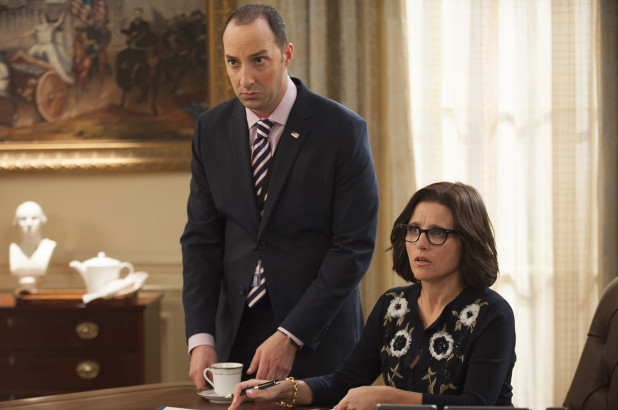
Louis‑Dreyfus’ career unfolds in distinct, era-defining chapters — from her 1980s breakout on “Saturday Night Live,” to her bold and witty turn as Elaine Benes on “Seinfeld” in the ’90s, to her reinvention as the razor-edged Selina Meyer in “Veep” a decade later.
Read More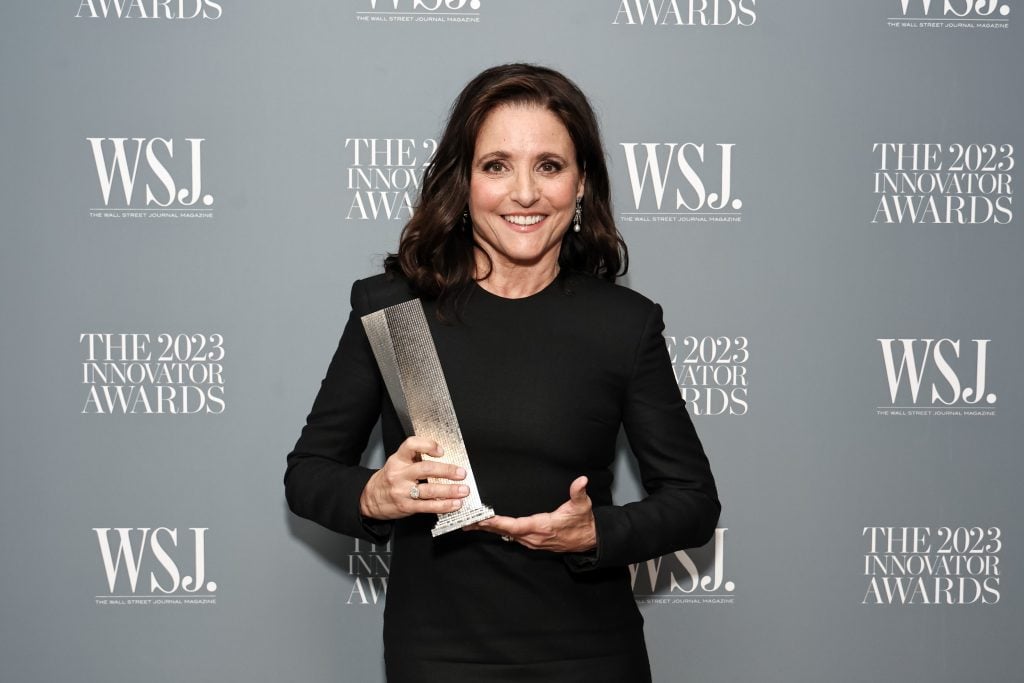
Throughout the ordeal, Louis-Dreyfus said that she was, ‘Really scared because it was Warner Bros. and I was just this girl who was an actress. I felt very small – because I was.”
Louis-Dreyfus ultimately stood her ground against the studio executives, and they eventually stopped pursuing money from her.

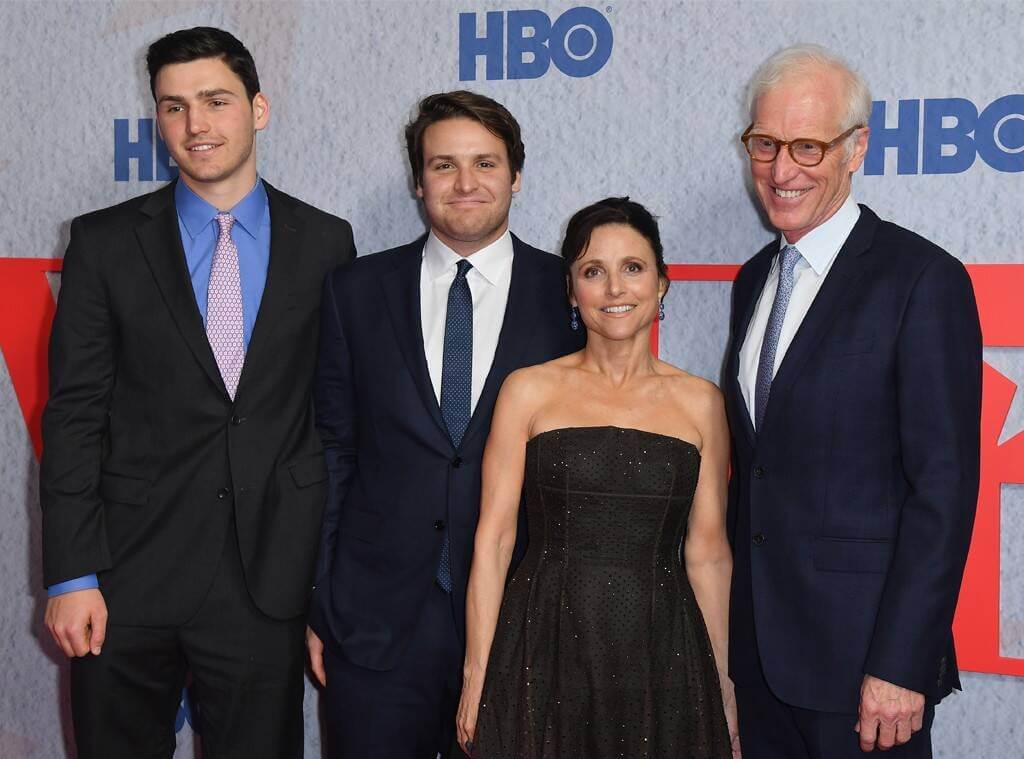
Louis‑Dreyfus and her longtime partner, Brad Hall, faced a painful fertility setback early in their relationship. In the late 1980s, she learned that the pregnancy they hoped would grow into their first child would not make it to term — a loss she has described as deeply emotional for them both.
“When I was about 28, I got pregnant for the first time, and I was crazy happy,” Louis-Dreyfus said during her “Wiser than Me” podcast.
“I got pregnant easily. I felt very fertile, very womanly. Then, quite late in the pregnancy, my husband, Brad, and I discovered that this little fetus was not going to live,” she continued.
“That was emotionally devastating, as you can imagine, but it got worse because I developed an infection that landed me in the hospital,” the “Veep” star added.
Continual support from her mom and husband helped her through the emotional time. A couple of years later, she would have two sons.
Offscreen, Louis‑Dreyfus kept evolving, stepping into podcasting as a way to give older women space to talk candidly about aging, their worries, and the joys that still light them up.
Her podcast, “Wiser Than Me,” was named one of Time Magazine’s Top 100 Podcasts, recognized for its heartfelt conversations and its spotlight on life after cancer.
View this post on Instagram
“Thanks, TIME Magazine, for naming Wiser Than Me one of the 100 Best Podcasts of All Time. Wisdom included!” Louis-Dreyfus said in an Instagram post.
“I started the podcast because I saw an HBO documentary called ‘Jane Fonda in Five Acts,’” Louis-Dreyfus said to Movement Living.
“I was completely blown away by the scope of her life, the variety of her life, and the meaning of her life. As I was watching, I was thinking, God, we just don’t hear from older women,” the “Veep” actress continued.
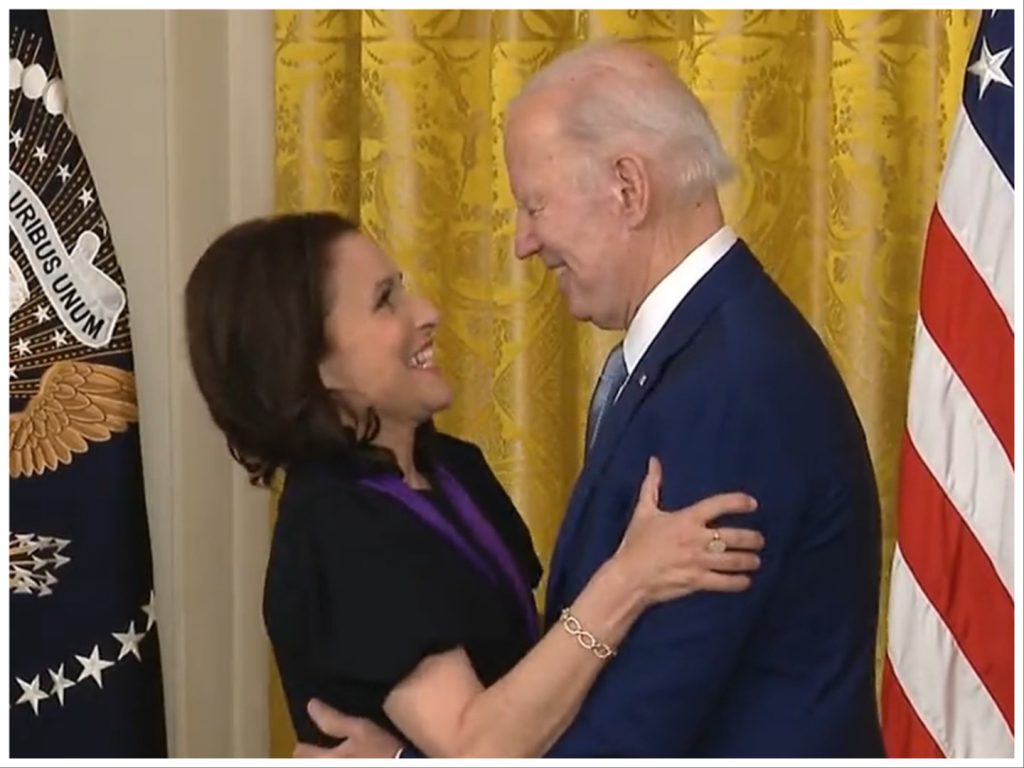
Throughout her career, in public and private life, Dreyfus remained resilient and determined to continue aiming higher. However, during her journey, on one of the biggest nights of her career, cancer interrupted her plans.
Life After A Breast Cancer Diagnosis
- After Cancer, it Felt Like a Second Chance to Get This Life Done Right
- 5 Ways Breast Cancer Changed My Life: SurvivorNet Writer Marisa Sullivan Shares Her Story
- 5 Well-Known Women Who’ve Fought Breast Cancer and Won
- Have You Been Diagnosed With Late-Stage Breast Cancer? Know That You Have Treatment Options.
Julia’s Breast Cancer Journey
Louis-Dreyfus was diagnosed with breast cancer in 2017. Her diagnosis came at an exciting time in her life and career, as she had just won an Emmy.
“The night before, I had won an Emmy. And so, I came downstairs and…the Emmy was there. It was like on the dining room table. I’m coming down to get coffee. My cell phone rings and it’s my doctor saying, ‘Guess what, you have cancer,’” Louis-Dreyfus said, according to People Magazine.
She was diagnosed with stage 2 breast cancer. Stage 2 breast cancers are either larger than stage 1 tumors or have moved to a few nearby lymph nodes. Treatment will likely be some combination of surgery, radiation, and chemotherapy. If chemotherapy is also needed after surgery, the radiation is delayed until the chemotherapy is done. The same approach is taken to hormone receptor and HER2-positive cases as in stage 1.
After her diagnosis, she shared the news publicly on her social media channels to an outpouring of support.
WATCH: Early-Stage Breast Cancer Testing
She underwent six rounds of chemotherapy and a double mastectomy during her treatment. Chemotherapy can cause several side effects, including nausea, vomiting, and hair loss. Your doctor can help you manage some of these side effects. Fortunately for hair loss, while it usually begins about three to four weeks after starting chemotherapy and continues throughout treatment, it usually regrows after treatment concludes.
WATCH: A Double Mastectomy Explained.
During a double mastectomy, both breasts are removed to get rid of cancer. The procedure may also be a preventative measure for women at high risk of developing breast cancer. Afterward, some women decide to have their breasts reconstructed and have implants put in, while others don’t have reconstruction at all.
“A double mastectomy typically takes about two hours for the cancer part of the operation, the removal of the tissue,” Dr. Elisa Port, Chief of Breast Surgery at Mount Sinai Health System, tells SurvivorNet.
By October 2018, Louis-Dreyfus announced that she was “cancer-free.”
What Julia’s Chemotherapy Experience May Have Been Like?
Chemotherapy is an effective tool for oncologists to help treat cancer by stopping cancerous cells from growing, dividing, and spreading to other organs. Chemo works by traveling through the bloodstream, killing cancerous cells. However, healthy cells are also impacted in the process, leading to side effects.
Patients almost universally experience fatigue, often alongside gastrointestinal side effects, such as nausea. Doctors have many effective medications to combat chemo-induced nausea. “But mitigating that fatigue often depends on the patient,” says Dr. Renata Urban, a gynecologic oncologist at the University of Washington in Seattle.
“Neuropathy is probably one of the most challenging side effects,” says Dr. Urban. Neuropathy results from damage to the peripheral nerves. It usually resolves after chemotherapy treatment, but sometimes symptoms can persist. While it’s typically characterized by numbness or a pins-and-needles sensation in the hands and feet, neuropathy can have several different symptoms, including:
- Weakness in the hands or feet
- Stabbing or burning pain in the hands or feet
- Difficulty gripping, such as when holding a fork
- Difficulty with fine motor skills, such as writing or buttoning a shirt
Nausea and vomiting are common side effects of chemotherapy. When chemotherapy affects the rapidly dividing cells in the lining of the stomach, the resulting cellular havoc in the gastrointestinal tract can lead to side effects such as nausea and vomiting. However, doctors can help patients mitigate the hit with various medications before, during, and after treatment.
“Part of the chemotherapy prescription includes a set regimen of anti-nausea medications,” says Dr. Urban. “We also ensure that patients have medications at home that they can use should they develop nausea after treatment.”
Hair loss is another side effect of chemotherapy.
WATCH: Coping with hair loss.
“For cancer patients, losing one’s hair can be unbelievably stressful. To start with, the dread of losing one’s hair can lead to some sleepless nights and feelings of anxiety,” Dr. Samantha Boardman, a New York-based psychiatrist and author, told SurvivorNet.
Chemotherapy can cause hair loss. It usually begins about three to four weeks after chemotherapy and continues throughout treatment.
It happens because this treatment targets quickly dividing cells throughout the body. That includes cancer cells but also hair cells.
Most patients can expect regrowth four to six weeks after treatment. However, it is possible that when your hair grows back, you may notice some changes in its color and texture.
Understanding Early-Stage Breast Cancer Treatment: What Comes After Diagnosis
When actress Julia Louis-Dreyfus was diagnosed with early-stage breast cancer, she joined thousands of women facing a critical question: What are my treatment options?
Early-stage breast cancer typically means the tumor is small and hasn’t spread to the lymph nodes. For stage one breast cancer, the first step is to remove the cancer. If a woman undergoes a lumpectomy, radiation therapy is often recommended afterward.
However, treatment plans aren’t one-size-fits-all.
WATCH: Early-Stage Breast Cancer Treatment
Personal details like a woman’s age may help determine if radiation is needed or not. Some women, based on tumor size, family history, or personal preference, may choose a more aggressive approach—such as a mastectomy to remove the entire breast.
If surgery is selected as a treatment option, once it is complete, a pathologist then examines the removed tissue to determine whether additional treatment is needed. This helps determine if surgery managed to remove all of the cancer or if some is still around. The next phase is crucial in reducing the risk of recurrence.
Additional treatment options include radiation, chemotherapy, and hormone therapy.
Common treatment options for early-stage breast cancer include:
- Surgery (lumpectomy or mastectomy)
- Radiation therapy
- Chemotherapy
- Hormone therapy
“Even women with early-stage breast cancer ideally need some form of therapy after surgery to help prevent the cancer from coming back,” Dr. Comen emphasized.
Chemotherapy stops cancerous cells from growing, dividing, and spreading to other organs. It works by traveling through the bloodstream, killing cancerous cells. However, the process also impacts healthy cells, leading to side effects.
- Chemotherapy side effects may include:
- Nausea and/or vomiting
- Fatigue
- Neuropathy may bring weakness in the hands or feet and difficulty with motor skills.
- Hair loss
If losing your hair is a concern for you before cancer treatment, know you have options like wigs, hats, wraps, and scarves, among other things.
Another option that can minimize hair loss is cryotherapy, “just a fancy way for saying cold therapy,” says Dr. Renata Urban, gynecologic oncologist at the University of Washington in Seattle.
Cryotherapy involves wearing cold caps or special cooling caps before, during, and after each chemotherapy treatment.
What to Expect from a Mastectomy
When you’re faced with possibly getting a mastectomy, many factors go into the decision-making process, such as the size and features of the tumor and your family history. Some patients may opt for a lumpectomy instead, which is when doctors remove just the cancer and an area of healthy tissue around it rather than the entire breast or breasts.
Some women decide to have their breasts reconstructed after undergoing a mastectomy and have implants put in right away, while others don’t have reconstruction at all.
WATCH: Regaining your sense of self after reconstruction.
Dr. Port added that most women opt to have some sort of reconstruction. The length of these surgeries can vary greatly. When implants are used, the procedure can take two to three hours (so the total surgery time would be around five hours). There is also the option to take one’s own tissue (usually from the belly area) and transfer it into the breast area during reconstruction.
Navigating the Emotional Journey of a Breast Cancer Diagnosis
Receiving a breast cancer diagnosis can be overwhelming, and it’s completely natural for emotions to fluctuate throughout the process. Psychiatrist Dr. Lori Plutchik explains that emotional responses can shift from day to day, sometimes bringing unexpected waves of stress or uncertainty.
“The patient or person going through the stressful event should accept that emotions will be fluid,” Dr. Plutchik says. “You may feel fine one day and then feel a massive wave of stress the next. It’s also important for those you look to for support—whether that’s a therapist, friends, family, or both—to understand the fluidity of stress-related emotions.”
If your emotional well-being begins to feel significantly impacted, seeking mental health support may be beneficial. Options for care include traditional talk therapy, medication, lifestyle changes such as exercise and diet modifications, joining a support group, or other personalized approaches.
Here are a few ways to help manage the emotional toll of a breast cancer diagnosis:
- Lean on loved ones. Open up to your family and close friends, allowing them to step in and offer support. Many cancer survivors express a strong need for assistance but struggle to ask for help—encourage those around you to offer practical aid, whether it’s meals, transportation, or simply a listening ear.
- Keep a journal. Writing down your thoughts and emotions can be a powerful way to process feelings. A journal provides a safe space to express yourself and reflect on your journey.
- Join a cancer support group. Local and online groups offer an opportunity to connect with others who are facing similar experiences. Learning from others and sharing your story can provide comfort and strength on difficult days.
- Consider therapy. Speaking with a mental health professional can help you navigate fears and concerns in a safe, supportive environment. Sometimes, vocalizing emotions rather than keeping them inside makes a meaningful difference in coping with stress.
While the path may feel uncertain, finding the right support system and coping strategies can make a profound impact on your mental and emotional well-being. Breast cancer is a challenge, but you are not alone—and healing happens in many ways beyond the physical.
Questions to Ask Your Doctor
If you have been diagnosed with breast cancer, you may have questions about how to keep your strength through treatment. Here are a few questions to help you begin the conversation:
- What treatment will I be receiving?
- What side effects are associated with this treatment?
- Are there steps I can take daily to help minimize these side effects?
- What physical activity routine do you recommend for me during treatment?
- Do you have recommendations for someone who doesn’t particularly enjoy exercise?
Learn more about SurvivorNet's rigorous medical review process.