Survivor Moms On Parenting During a Breast Cancer Fight
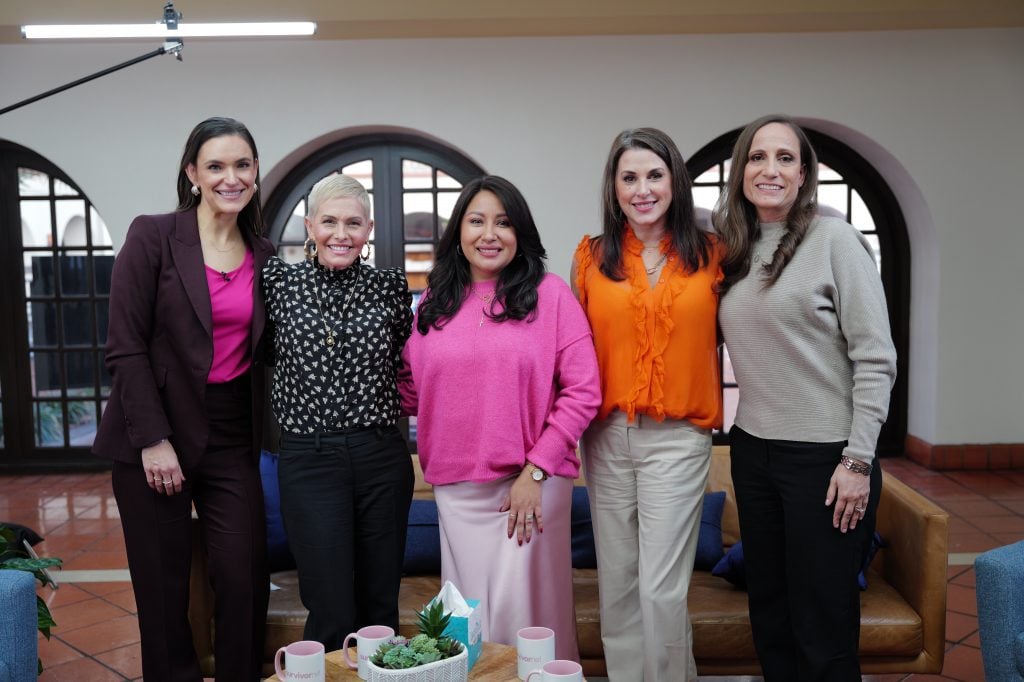
- Four resilient moms—Nicole Eggert, Courtney Duesing, Tivisay “TJ” Herrera, and Chanda Conger—shared emotional insights on balancing parenthood and breast cancer with SurvivorNet during the 48th San Antonio Breast Cancer Symposium. Guided by Dr. Tara Ballinger, the panel explored fear, resilience, and the impact of openness with children during treatment.
- Chanda Conger credited journaling and honesty for strengthening her family, while Courtney Duesing and TJ Herrera stressed open communication and addressing hereditary cancer fears with their daughters.
- Nicole Eggert shared how she withdrew during treatment and reflected on how that decision may have shaped her children’s understanding of vulnerability and asking for help.
Speaking on SurvivorNet’s panel, marking the fourth installment of SurvivorNet’s Breast Cancer Dialogues, these women were guided into a compelling and candid conversation by Dr. Tara Ballinger, a breast oncologist at Indiana University’s Simon Comprehensive Cancer Center.
Read More“I could never have understood those priorities and how emotional this may have been until then. I can only imagine. You don’t know fear until you have a child, I feel like,” Dr. Ballinger said.
Finding Strength Through Transparency
For U.S. Air Force Chief Master Sergeant Chanda Conger, being open and honest became the foundation of her family’s strength, when she was diagnosed with invasive ductal carcinoma, at age 38.
Now, five-years cancer free and 43 years old, the mom of two, admits that confronting her emotions encouraged her daughters to share their fears and ask questions, bringing them closer as a family.
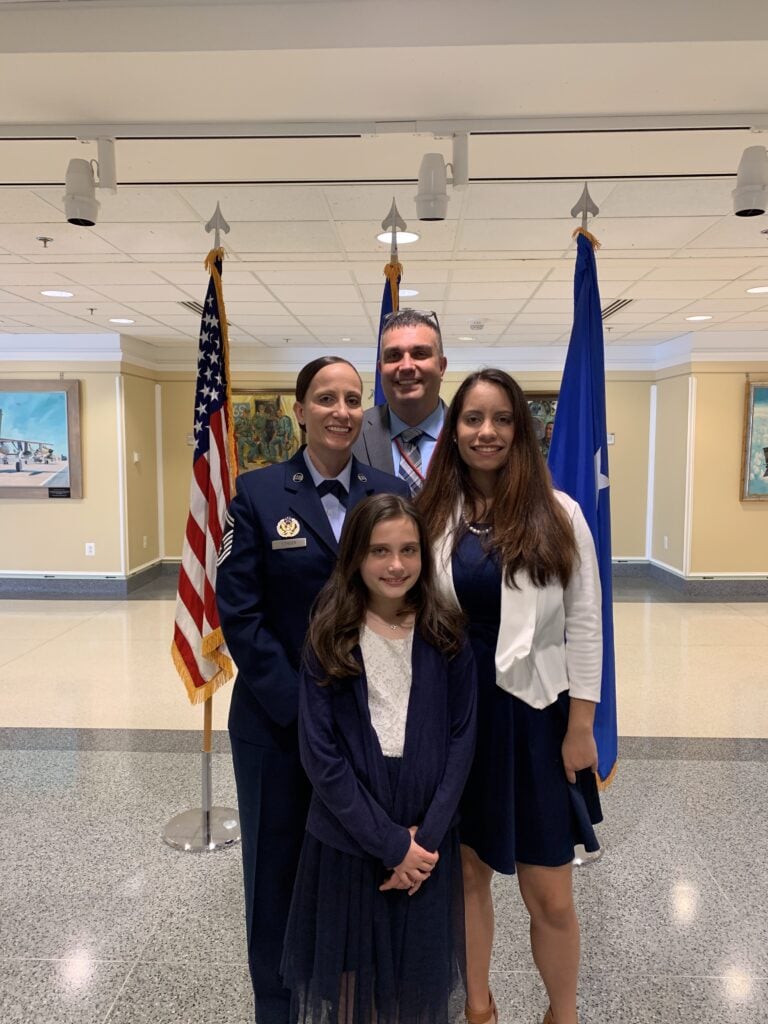
Conger, who credits journaling about her “little victories” like filling the dishwasher or going for a walk to helping her power through her battle, recounted the sixth day of her chemo cycle being the “most excruciating pain” she’s ever experienced.
“I hurt so bad and I was also scared to tell the people that loved me, and that I loved, that I was scared I was going to die. And it was the most restless, desperate night of my life. I actually prayed to God to take me because I felt like that was going to be easier here,” she said.
However, during a painful night of chemo, she realized it was okay to struggle and ask for help. With her kids at school and her husband busy, she felt overwhelmed at home and asked her oncologist if she could return to work. Her doctor agreed, and her return to work ultimately gave her purpose and reminded her who she really was.
She explained, “I found that back in my uniform and I found that at work. It allowed me to do that at home for my girls too … that it’s real easy to feel sorry for ourselves. It’s real easy to let the bad close on us, but we’re made for more than that.”
Further adding how she hopes her daughters—and the children of others observing her—learned resilience from her, Congor continued, “And to see what it’s like to go through hard things … I feel like we’ve got to do that for our kids, and I feel like I’ve got to do that.
“There are a lot of other people’s kids in the military, and so they saw if I was the highest ranking enlisted person in their unit and I wasn’t okay and I could ask for help, then every single one of them could.”
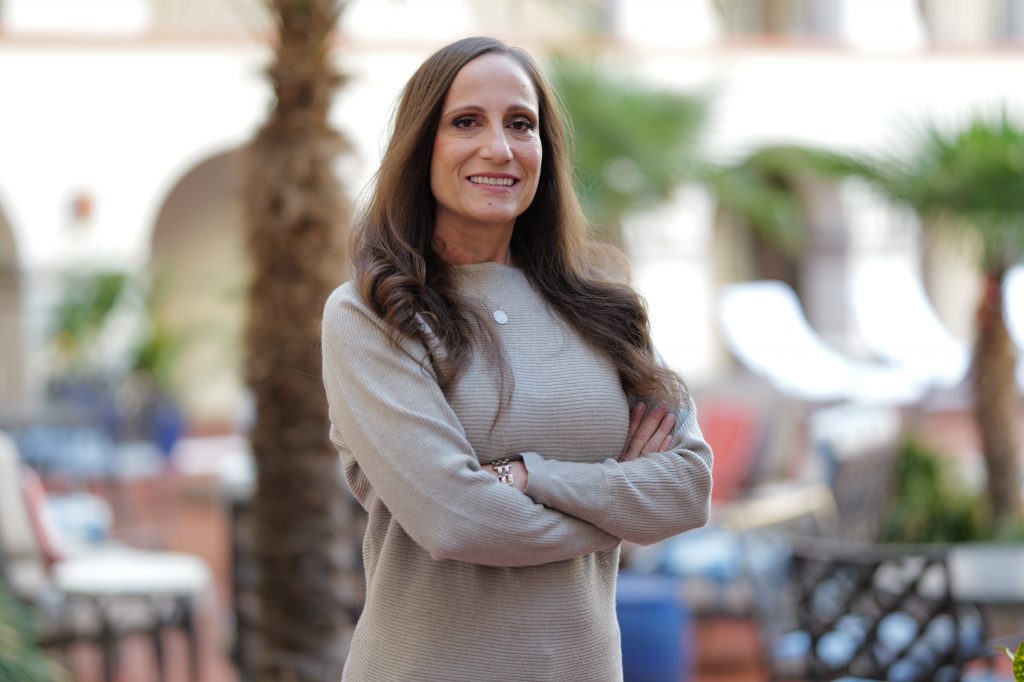
She concluded, “I’m grateful for that. I’m grateful for that for my girls too, because they’re not afraid to ask me for help anymore, but they do. They’re not afraid to say, ‘Mom, I don’t feel good. Mom, I’m going through this thing. Can you help me?’
Congor said that openly discussing personal struggles has become a normal part of her family life, and they make a point to talk about their challenges together.
“We’re open, we’re transparent, and we don’t sell each other short,” she said.
Telling Your Kids You Have Cancer ‘When it Comes to Your Kids, You Want to Protect Them’
Modeling Courage for the Next Generation
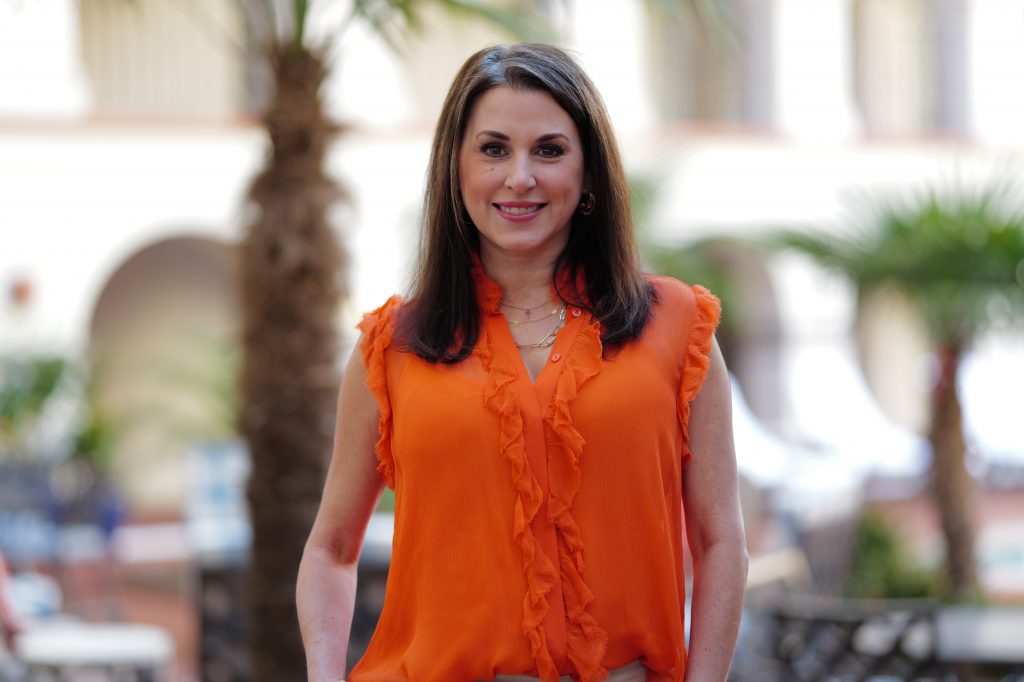
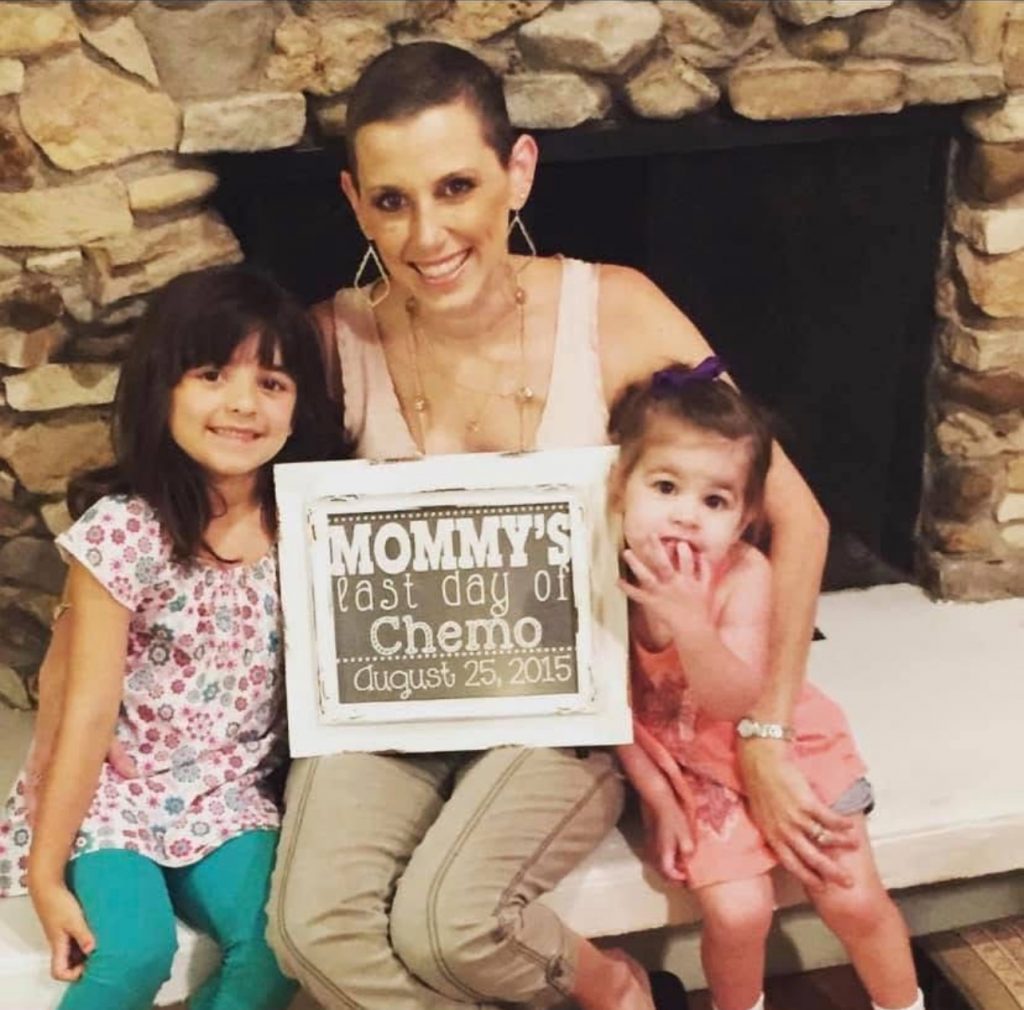
Meanwhile, Reconstructive Patient Care Coordinator Courtney Duesing, a 45-year-old mom of two daughters, ages 12 and 16, chose to model strength through her journey, which helped her children realize they can handle challenges and rise above fear.
Duesing, whose daughters were 18 months and 5 years old when she was diagnosed with Stage 2A infiltrating ductal carcinoma 10 years ago at age 35, told the panel that when it comes to talking with her children—especially about her breast cancer and their potential risk—she takes things one day at a time.
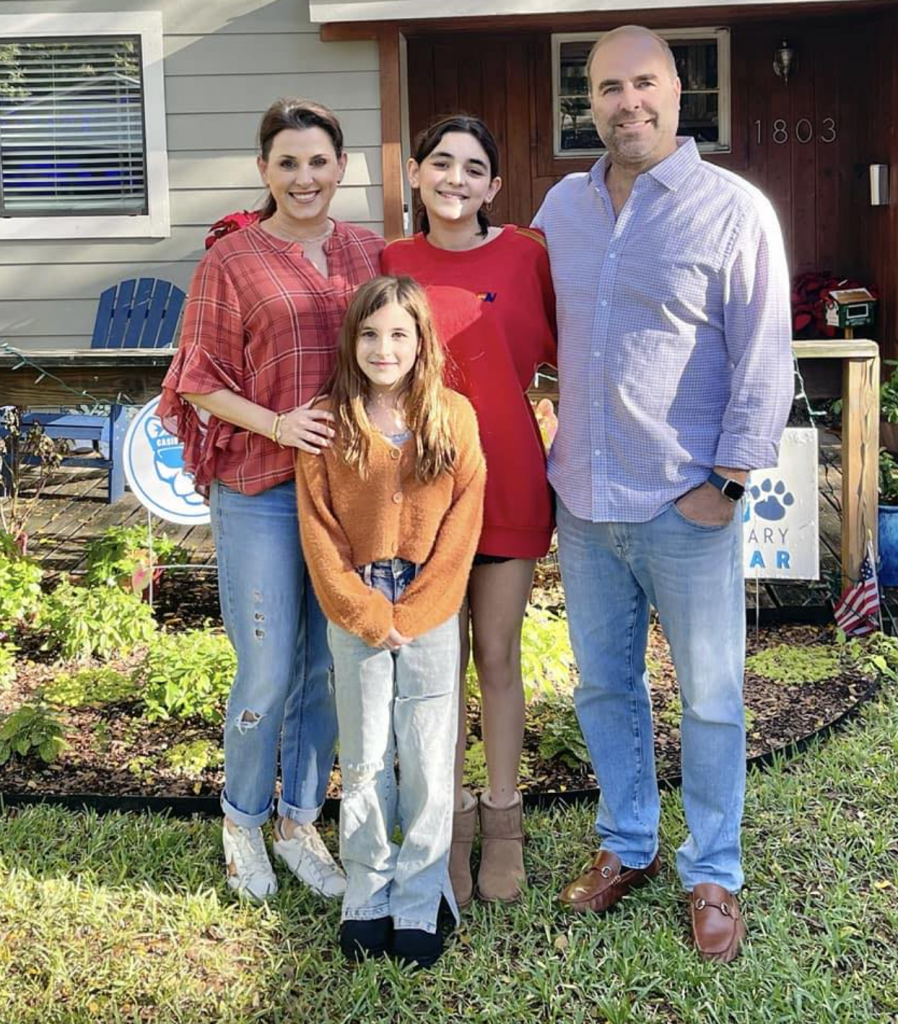
“Just like every other challenge that a parent faces with their kids, every child, every parenting has a different phase. And what worked yesterday doesn’t necessarily work today What works today doesn’t necessarily work tomorrow,” Duesing said.
“And the same thing goes with the discussion about their risk of getting breast cancer. And so we have open honest dialogues and discussions, particularly with my older daughter because she remembers when I was sick.”
She recounted her eldest daughter remembering some of her illness and being affected by it, while her younger daughter doesn’t remember much. Duesing also recalled how she often let her eldest ask questions and share her feelings as she was constantly “hungry for information.”
Duesing added, “I don’t sugarcoat anything for her because it’s a real thing. And there are real challenges.
“And like I said before, there are real discussions that we have to have. But she’s a strong girl … and she has been through a lot and she can handle anything.”
The Weight of Inherited Fear
Speaking about the challenges of hereditary cancer, Tivisay “TJ” Herrera, a 40-year-old hairstylist and former healthcare worker, opened up about her worries that her daughter might inherit her breast cancer and the guilt she felt for not always being able to support her children during treatment.
Diagnosed last year with stage 2 invasive lobular carcinoma and a CDH1 mutation, Herrera is now one year cancer-free. She credits the support of her family, clients, and community with helping her persevere, and she now shares her story to inspire and support others facing cancer.
RELATED: Telling Your Kids You Have Cancer: “When it Comes to Your Kids, You Want to Protect Them”
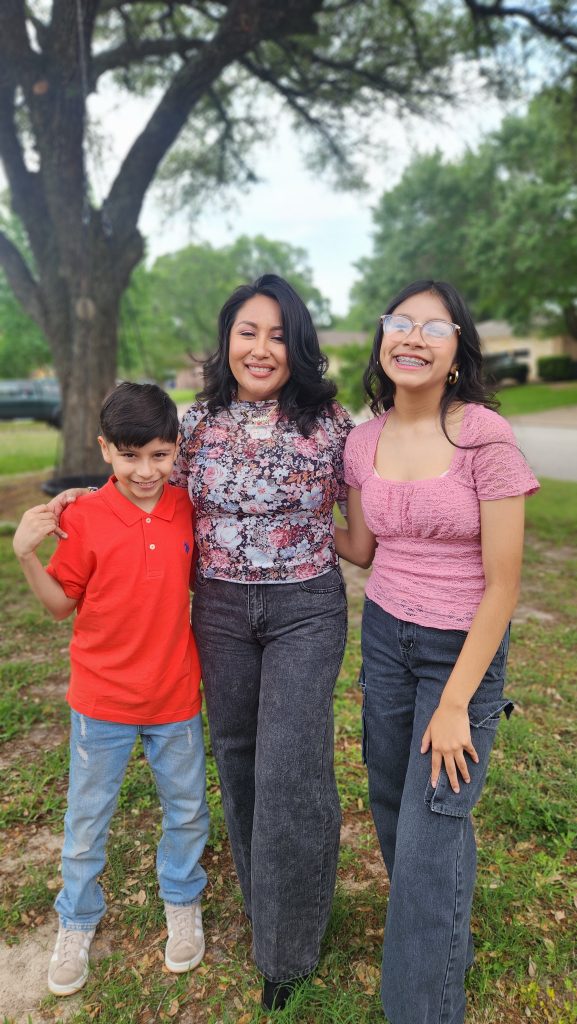
Speaking on SurvivorNet’s resilient panel of women, Herrera said, “My family has rallied around me. They have been my biggest supporters, my mom especially every day. She’s my biggest cheerleader.
“But being a hairstylist, now going in, I have found and met so many women that sit in the chair that before they even know that I was diagnosed with breast cancer, they were telling me that they were diagnosed with breast cancer or their husband just got diagnosed with some form of cancer. And we are just able to give each other strength and hope and encouragement that they can get through this.”
Coping With Emotions During & After a Life-Changing Diagnosis
- How Can Genetic Testing Help Determine the Right Form of Mental Health Treatment?
- How to Be Realistically Optimistic: Coping With Mental Health Long-Term
- How to Handle the Emotional Toll of Caring for a Loved One With Cancer: Prioritizing Your Mental Health
- Mental Health and Cancer — The Fight, Flight or Freeze Response
- Mental Health: Understanding the Three Wellsprings of Vitality
- Mental Health: A Guided Breathing Exercise to Help Manage Anxiety
- Mental Health: Coping With Feelings of Anger
- SN & You Presents Mental Health: Coping With Emotions
Herrera, a member of Pink Alliance, a community that raises funds to provide women with mammograms and promote early detection, said her child will eventually need genetic testing. The CDH1 mutation, which her child could inherit, increases the risk of hereditary diffuse gastric cancer and lobular breast cancer.
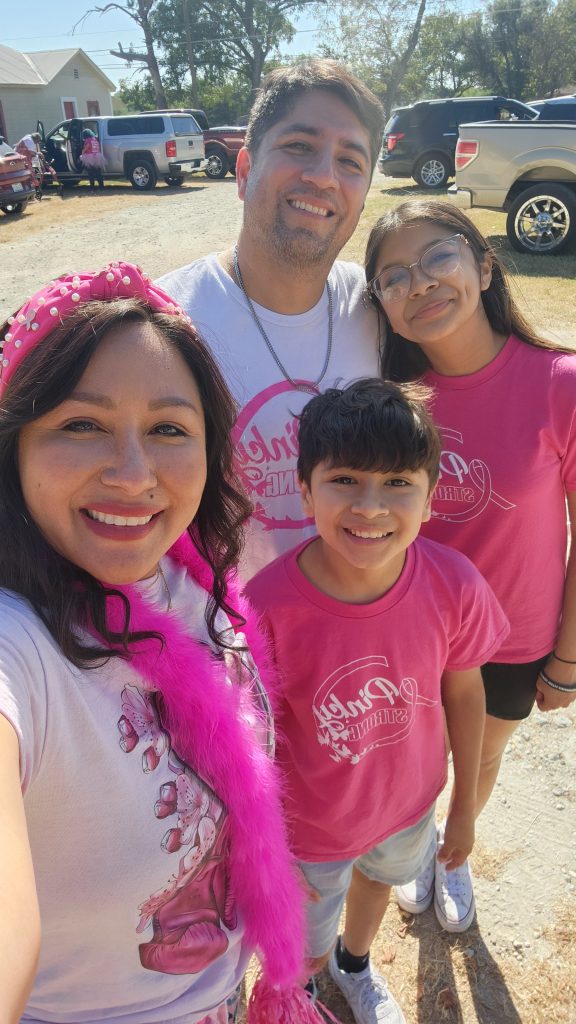
Referring to her daughter, Herrera said it’s important to talk about her knowing her body and “if there’s anything that ever comes up or arises”
Herrera continued, “I also had endometriosis, so I know that’s something that could potentially, she could have. But just knowing her body of course, and that she could come to me for anything. I think they’ve [her children] seen me through my toughest battles with the accident with my breast cancer diagnosis. They were always my biggest cheerleaders.
“They were like, mommy, you got this. You’re going to do great. Every surgery, they’re like, you got this mommy that was like, you got this mom, you’ve overcome. And if I would cry, happy tears. They’re like, ‘Mom, those are happy tears.’ They did not want me to be sad because they’d see that.”
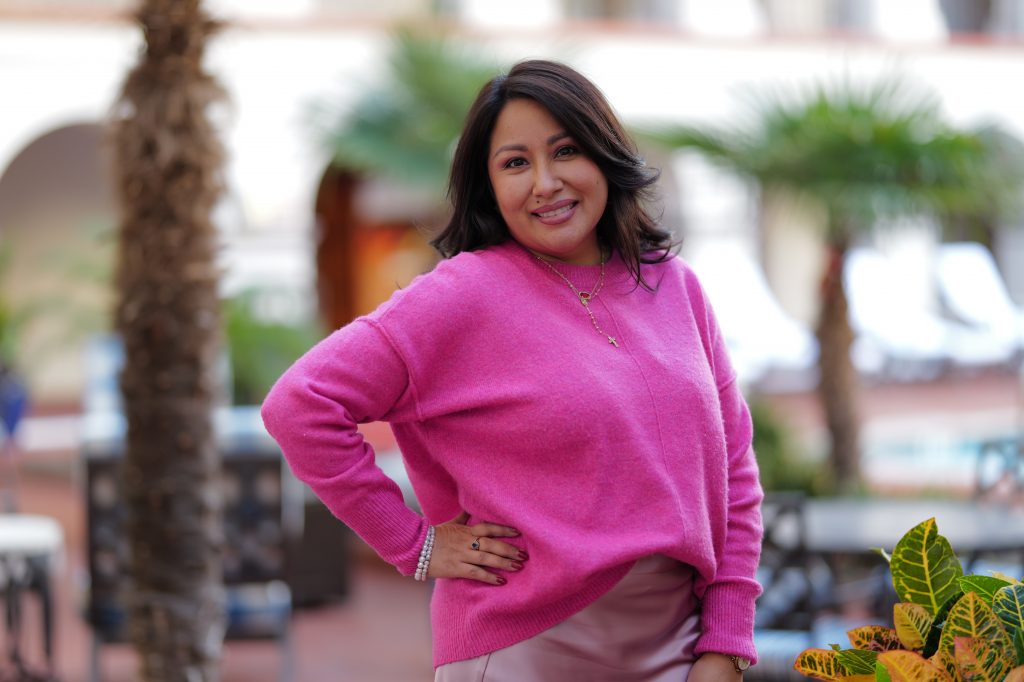
Herrera also addressed how little gestures of support from her mother made a big difference. Sometimes she felt guilty for needing help, especially since her mom had just retired, but her mother reassured her that helping her was exactly where she wanted to be.
WATCH: Talking to Kids About Cancer: Be Open as Much as You Can
Nicole Eggert’s Moment of Raw Realization
One of the most poignant moments during the panel discussion came from Nicole Eggert, whose honesty captivated everyone. Unlike the other survivors, Eggert had chosen to isolate herself during her treatment, avoiding sympathy, support, and even closeness with her daughters. Being alone seemed like the only way she could handle the emotional toll of cancer.
Eggert, recognized for her roles in “Baywatch” and “Charles in Charge,” was diagnosed with stage 2 invasive cribriform carcinoma in 2023. Now 53, she has become a committed breast cancer advocate and, as a single mother of two, hopes her daughters, Dilyn Elizabeth Herwick and Keegan Eggert, always feel comfortable coming to her and sharing anything on their minds.
RELATED: Facing a Cancer Diagnosis as a Single Parent: ‘I Knew I Had to Fight for My Life’
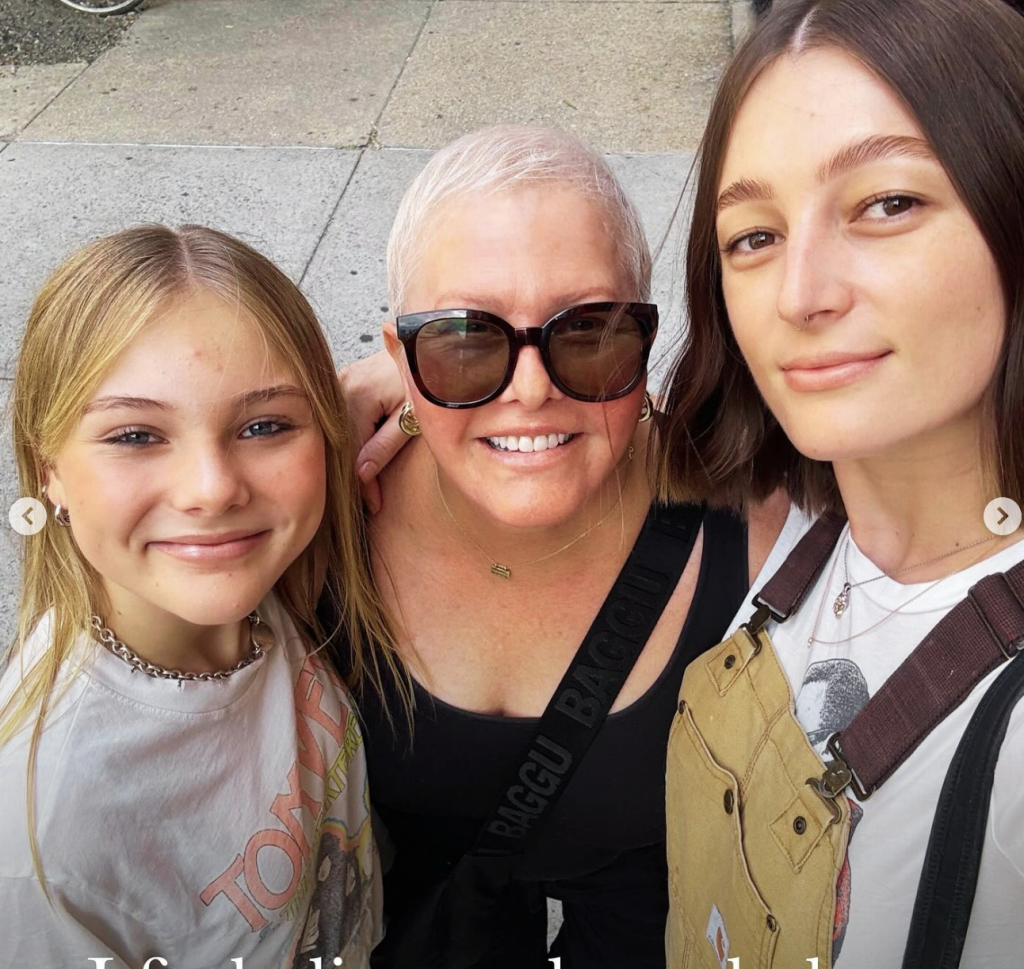
The former TV star said, “Learning something so deep from you ladies right now. I very much wanted to be alone. I very much didn’t want any help. I didn’t take an elevator through my entire treatment or any of it. I always took the stairs.
“I’ve never even still to this day been in the elevator at my hospital and my treatment center. I still will take the stairs and I park on the roof on purpose.”
Thinking about how her actions influenced her daughters, she continued, “I would also send my daughter away a lot on my worst days. We know that once we start treatment, we’re like, ‘Okay, these are the days that I’m going to be shaking, trembling. I look crazy. I’m sweating. I’m doing all of the horrible things.’ So I would make plans for her to not be in the house
“And then I knew I could be alone and nobody would see me like that, and I could sit with myself. And I knew because when I got my diagnosis, I never felt more alone in my life. And I was like, okay, “It’s me and you. We have to do something here.’ So through my worst days, I wanted it to still be just me and myself. I didn’t want any kind of help.”
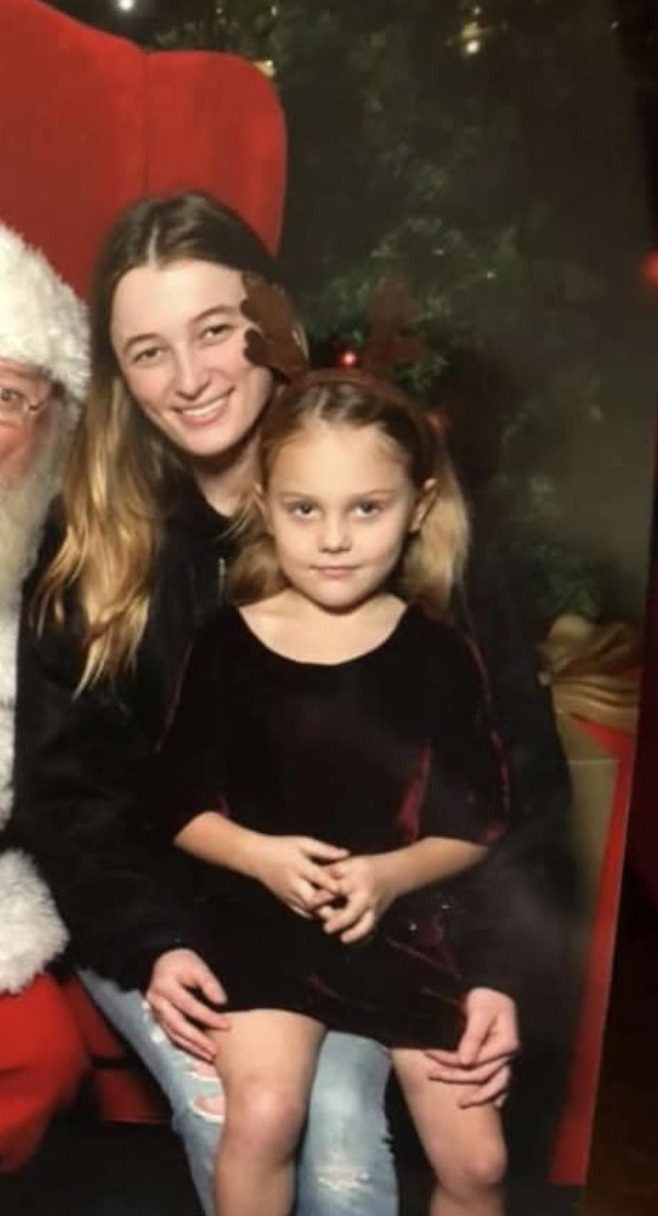
She then asked herself, “Am I instilling that on my children? Am I putting a message out there that you should do it alone instead of asking for help?”
Noting how it’s just not who she is to ask for help, Eggert continued, “But that doesn’t mean that my way’s the right way. It’s right for me and maybe my girls. That’s not right for them. And it’s really making me think. And now I’m like, what? I have to have conversations after this with my girls about just because I am like that.
“I want you to be able to feel free and open. And I feel like they do come to me … so I don’t think they’re afraid to ask for help. I don’t think so. … I know that they will ask for help, but on a deeper level, right, on a deeper plane, are they learning from me? And maybe it’s not right for them.”
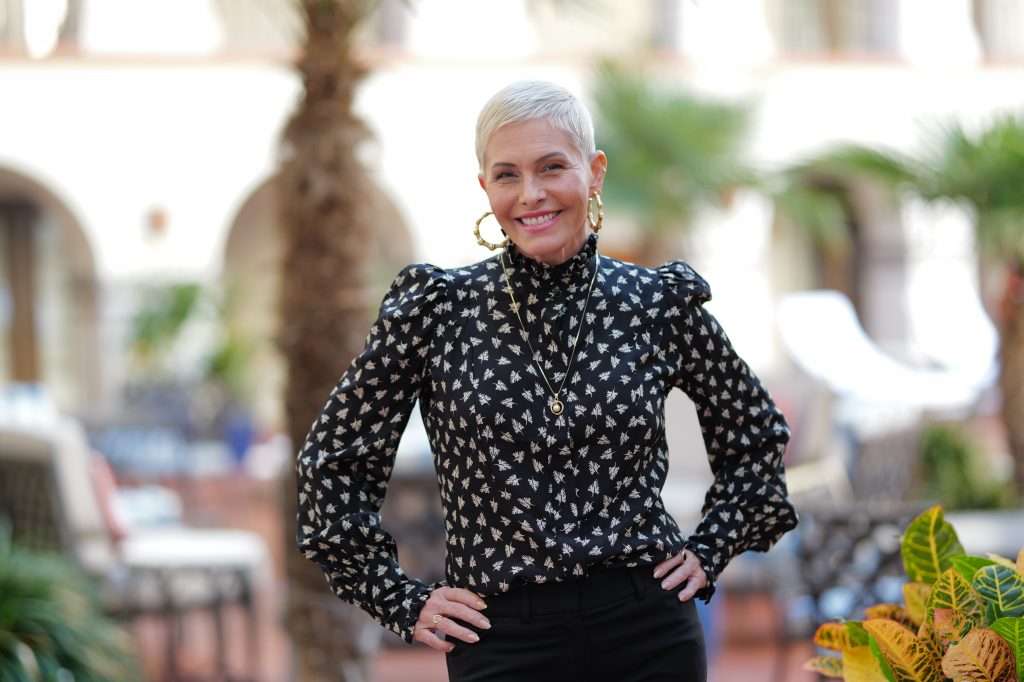
Contributing: Survivornet Staff
Learn more about SurvivorNet's rigorous medical review process.