
Navigating Early Onset of Breast Cancer
- Actresses Miranda McKeon and Olivia Munn are reshaping the narrative around breast cancer by sharing their diagnoses at 19 and 43, proving the disease doesn’t only affect older women.
- Breast cancer is rising among younger populations, with the National Cancer Institute reporting increased cases in people under 50—especially those aged 20 to 29.
- McKeon’s stage 3 hormone-positive cancer required hormone therapy to block estrogen and slow tumor growth after she discovered a lump during a self-exam.
- Munn discovered her stage 1 luminal B breast cancer, known for its aggressive nature, after undergoing a Breast Cancer Risk Assessment despite receiving a “clear” mammogram. Her cancer was treated with hormonal therapy and chemotherapy due to its rapid growth and complex hormone profile.
- Breast Cancer Risk Assessment is a “statistical model that allows healthcare professionals to calculate the probability of a woman developing breast cancer throughout their lifetime,” Dr. Ruth Oratz, breast medical oncologist at NYU Langone, tells SurvivorNet. It assesses a woman’s age, family history of breast cancer, when she first had a menstrual period, and her reproductive history to determine her risk of breast cancer.
- The National Cancer Institute’s Breast Cancer Risk Assessment Tool calculator estimates a woman’s likelihood of developing invasive breast cancer based on her medical, reproductive, and family history. However, it cannot accurately assess risk for those with BRCA gene mutations, a history of breast cancer, or prior radiation for Hodgkin lymphoma.
Their stories underscore a sobering reality: breast cancer is increasingly impacting younger women. These women’s willingness to speak out after coming to terms with their own diagnoses was to help raise awareness and offer hope.
Read More
Hormone therapy helps lower a patient’s estrogen levels, slowing the growth of the cancer or preventing it from returning. For McKeon, treatment meant confronting a diagnosis few expect at such a young age—and sharing her story to help others feel less alone.

Munn, who starred in the “X-Men” franchise, was diagnosed at 43 with stage 1 luminal B breast cancer—a subtype known for its aggressive nature and complex treatment path.
According to research published in Breast Cancer, luminal B tumors are “higher grade” and often carry a worse prognosis. They are typically estrogen-positive (ER), meaning estrogen fuels their growth, and may be progestogen-negative (PR), meaning they are not driven by progesterone. These tumors also tend to express high levels of the Ki67 protein, which signals rapid cell growth.
WATCH: Understanding hormone therapy for breast cancer.
Treatment for luminal B breast cancer often includes both hormonal therapy and chemotherapy—an intensive regimen that Munn faced head-on.
Both McKeon and Munn received hormone therapy during their treatment journeys, which induced menopausal symptoms.
Menopause, which the National Institute on Aging describes as a normal part of aging, typically begins in women between the ages of 45 and 55. Symptoms of menopause include body changes, hot flashes, and aches and pains.
Managing Menopause Symptoms
Although menopause is a natural occurrence, there are some things women can do to minimize the impact of menopausal symptoms.
We must first outline some well-known menopause symptoms, which include:
- Menstruation changes
- Hot Flashes
- Bladder control issues
- Difficulty sleeping
- Vaginal health and sexuality changes
- Mood changes
- Body changes
- Aches and pains
The Office on Women’s Health suggests options for dealing with these symptoms.
To help with hot flashes, women may consider hormonal medication or cooling off with a cold beverage or seeking air-conditioned air. To help with vaginal complications, moisturizers and lubricants can offer relief. When having difficulty sleeping, consider exercising, avoiding eating or drinking immediately before bed, and practicing good sleeping habits such as darkening the bedroom and keeping it cool and quiet. To help with mood changes, consider getting enough sleep, minimizing stress, and seeking a support group or a therapist.

Together, McKeon and Munn are helping redefine what breast cancer looks like—and who it affects. Their stories are a powerful reminder that awareness, early detection, and open dialogue among women and their families are essential, no matter your age.
Helping Patients Cope with a Breast Cancer Diagnosis
- Adjusting Chemo to Mitigate Side Effects
- Breast Cancer Risk For Post Menopausal Women — Taking Hormones Can Increase Your Risk
- Hormone Therapies for Breast Cancer: Aromatase Inhibitor
- Hormone Therapies for Breast Cancer: CDK 4/6 Inhibitors
- Hormone Therapies for Breast Cancer: mTOR Inhibitors
- Choosing a Plastic Surgeon: Don’t be Afraid to Ask the Hard Questions
- Is a Preventative Mastectomy Right for Me?
Despite a ‘Normal’ Mammogram, Munn Sought a Breast Cancer Risk Assessment to Help Detect Cancer
Olivia Munn, despite receiving a clear mammogram, learned she had an aggressive form of cancer in both of her breasts after receiving a breast cancer risk assessment. She credits the cancer risk assessment for saving her life.
The Breast Cancer Risk Assessment Tool, also called the Gail Model, allows doctors to estimate a woman’s risk of developing invasive breast cancer over the next five years.
Munn says that since going public with her cancer journey, she continues to be approached by other women who are now asking their doctors about the cancer risk assessment since learning of Munn’s, including a young mother of three.
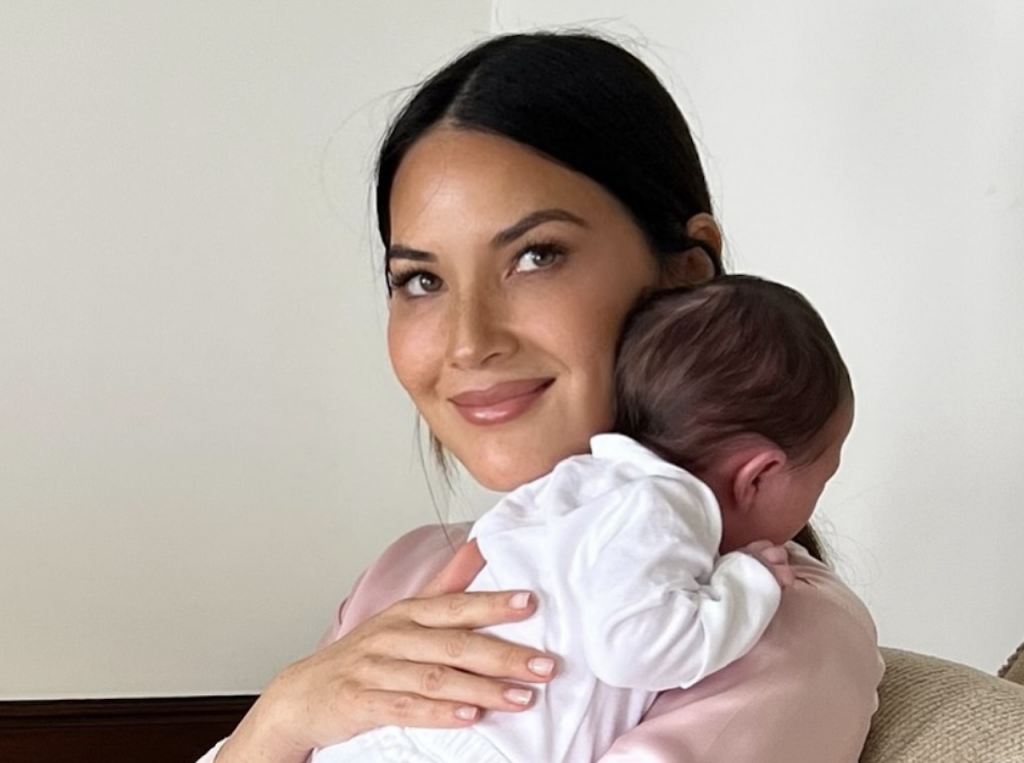
“Every time I go out, there’s at least one person…there was this woman who’s young. She has three kids, and she says because of my story, she went out and took the test and learned she has stage 0 breast cancer,” Munn explained in an Instagram story.
“We both had this moment, I know what you’re going through, but we’re so excited that you found it early,” Munn continued.
“It’s hard to explain knowing that this diagnosis that put so much fear into me has been able to be turned into something that’s saving people’s lives,” Munn told “Meet the Press” host Kristen Welker.
Since Munn shared her story publicly, the National Cancer Institute attributes an uptick in women inquiring about a cancer risk assessment to the “X-Men” actress.
How Munn Was Introduced to the Breast Cancer Risk Assessment
“I wouldn’t have found my cancer for another year – at my next scheduled mammogram – except that my OBGYN…decided to calculate my Breast Cancer Risk Assessment Score. The fact that she did save my life,” Munn said in an Instagram post.
The Breast Cancer Risk Assessment examined Munn’s age, family history of breast cancer, when she first had a menstrual period, and her reproductive history to determine her risk of breast cancer.

Dr. Oratz says if the Breast Cancer Risk Assessment finds that a woman is at higher risk of getting breast cancer, she should expect further testing and screening. However, if a woman is positive for the BRCA gene mutation, a Breast Cancer Risk Assessment “is not really accurate.”
“Having information empowers patients. It is very important for people to be aware of the health risks, their family history, and their own personal medical conditions. All of these things can affect the risk of developing cancer,” Dr. Oratz tells SurvivorNet.
“I’m lucky. We caught it with enough time, and I had options. I want the same for any woman who might have to face this one day. Ask your doctor to calculate your Breast Cancer Risk Assessment Score. Dr. Aliabadi (Munn’s OBGYN) says that if the number is greater than 20%, you need annual mammograms and breast MRIs starting at age 30,” Munn said.
Munn’s Breast Cancer Risk Assessment score was at 37%, which led to her undergoing an MRI, ultrasound, and a biopsy, which confirmed her breast cancer.
The National Cancer Institute has an online calculator that helps women understand their cancer risk. The Breast Cancer Risk Assessment Tool “uses a woman’s personal medical and reproductive history and the history of breast cancer among her first-degree relatives (mother, sisters, daughters) to estimate the absolute breast cancer risk-her chance or probability of developing invasive breast cancer in a defined age interval.”
The Breast Cancer Risk Assessment Tool calculator cannot accurately assess breast cancer risk for women carrying the BRCA gene mutation, who have received radiation for Hodgkin lymphoma, and who have a history of invasive or in situ breast cancer.
Munn’s Genetic Testing Experience
Olivia Munn wanted to be proactive about her health and underwent genetic testing.
Genetic tests can be as simple as a saliva swab or a blood sample. The results help your care team determine if you have a specific mutation that puts you at higher risk for cancer. The results help doctors tailor their treatment and are helpful for breast cancer patients.
“I tested negative for all (different cancer genes), including BRCA,” Munn said.
The BRCA1 and BRCA2 gene mutations are among the most important genes to look for in breast cancer. Together, they are responsible for about half of all hereditary breast cancers. These genes prevent cells from dividing haphazardly and uncontrollably in a person without mutations. Mutations prevent these genes from doing their job and can allow unchecked growth of breast, ovarian, and other tissues.
However, two months after undergoing genetic testing, Munn was diagnosed with Luminal B breast cancer in both of her breasts.
Luminal is one of several types, distinguished by its unique molecular makeup. Other types of breast cancer include:
- Luminal A breast cancer
- Luminal B breast cancer
- Luminal B-like breast cancer
- HER2-enriched breast cancer
- Triple-negative or basal-like breast cancer
Each type has a specific, individualized molecular structure. The different types of molecular structure of breast cancer may inform the treatment path.
Miranda’s Cancer Journey Started at a Young Age
McKeon’s stage 3 breast cancer typically refers to a relatively large tumor that may have invaded nearby skin or muscle tissue. It may also mean that lymph nodes near your breast and/or under your armpit are involved. In most cases, stage three breast cancers will need chemotherapy. If the cancer is also hormone receptor-positive, aggressive hormonal therapy may be offered as well.
WATCH: Understanding Stage 3 Breast Cancer
She said a small lump “the size of a jellybean” in her breast initially caught her attention.
“I stepped away into the bathroom. I peed, fixed my hair, and performed the classic boob scoop, a typical mid-party practice,” she wrote in an Instagram post. “I brushed across a lump that was definitely not there before. It was the size of a jellybean but powerful enough to sink my stomach and set off emergency sirens in my head.”
After going to see her doctor about it, she underwent a mammogram, which screens for breast cancer. She also underwent a biopsy and an ultrasound. The tests confirmed her diagnosis of stage 3 hormone-positive breast cancer in June 2021. Interestingly, the young actress said she did not have a family history of the disease.
“I spent most of that time confused and scared, but mostly in shock,” she told Coping magazine. Most of us go through life believing that we are untouchable. It’s a crazy feeling when the spinner lands on you.”

After chemotherapy, she underwent a double mastectomy and reconstruction, followed by 25 rounds of radiation.
“I never would have anticipated that going through cancer treatment would feel like working five full-time jobs at once!” she said.
WATCH: When to consider a mastectomy?
A mastectomy is the removal of the entire breast during surgery. There are several factors to weigh when considering a mastectomy, such as whether breast-conserving surgery (or lumpectomy) is possible. Your doctor will evaluate the size and features of your tumor and your family history to make a recommendation.
In some cases, a double mastectomy is a viable treatment option. During this procedure, both breasts are removed to get rid of cancer. A double mastectomy may also be performed as a preventative measure for women who are at a very high risk of developing breast cancer.
Miranda’s Treatment Spawned Early Menopause
McKeon’s breast cancer is hormone-receptive, meaning it needs the hormones estrogen and/or progesterone to grow and thrive. To combat this, doctors may want to lower a patient’s estrogen levels to help slow the growth of the cancer or prevent it from returning.
The treatment McKeon is taking, Lupron (generic name leuprolide), is a hormone therapy shot that aims to reduce her estrogen levels so her cancer does not grow.
“This shot is what keeps me in medically induced menopause. What it does is quiet the ovaries…Lupron keeps them quiet like a little baby and lets the chemotherapy pass over without doing a ton of damage,” McKeon explained.
WATCH: Understanding hormone therapy for breast cancer.
Lupron (generic name leuprorelin) is a type of hormone therapy for breast cancer. It acts as an ovarian suppression drug that stops the ovaries from making the hormone estrogen.
Lupron is usually given by injection into a muscle once a month or every three to six months. The length of treatment varies, and your doctor can determine that information.
Some known side effects of Lupron may include tiredness or fatigue, hot flashes, spotting, and muscle or joint pain.
Hormone therapy is used for hormone receptor-positive cancers. When a tumor is “hormone receptor-positive,” it means tests reveal the cancer is positive for either the estrogen and/or progesterone receptor. Cancers of this type need estrogen and/or progesterone to grow.
Her treatment helped her reach remission, though she continues treatment to offset recurrence.
Questions to Ask Your Doctor
If you are in the middle of a cancer journey and are looking to improve your emotional health, consider what you’re grateful for. To begin, ask yourself the following questions to kickstart your journey to achieve gratitude.
- What can I do if I’m struggling to be thankful for what I have in my life?
- Are there local resources for people wishing to improve their mental health?
- What else can I do to help reduce my stress level during my cancer journey?
Learn more about SurvivorNet's rigorous medical review process.


