Reminding the Cancer Community That Cancer Care Includes Both Physical and Emotional Care
Kate Middleton, 44, Princess of Wales, is now in remission two years after treatment for an undisclosed cancer diagnosis, and used a new Instagram post to highlight that cancer affects patients far beyond the physical symptoms, describing the emotional, psychological, and spiritual strain of a diagnosis.
Middleton emphasized the importance of holistic care in cancer treatment, noting that while clinical interventions such as chemotherapy address the disease, patients also need support for mental health, identity changes, fears of recurrence, and relationship stress.
Dr. Shirin Razdan, at the Comprehensive Urological Surgery Institute in Miami, says sensitive issues from changes in sexual health to fears about recurrence and shifts in identity often weigh heavily on patients.
Dr. Razdan promotes open communication with healthcare providers, partners, family, and support groups, which can help ease the emotional burden.
Dr. Sarah Oltmann, at UT Southwestern and a cancer survivor herself, noted how hearing the word “cancer” can trigger overwhelming fears and reiterated that patients should lean on their care team and loved ones to aid their emotional well-being during treatment.
Kate Middleton, 44, Princess of Wales, is reminding the world that cancer’s impact reaches far beyond the physical fight. In a new Instagram post, she reflected on how the emotional and psychological toll of the disease affects not only patients but also the loved ones who walk beside them.
Two years after undergoing treatment for an undisclosed cancer diagnosis, Middleton is now in remission, yet she says the experience continues to shape her daily life.
Her message, shared alongside a photo of her standing on rocky terrain in a foggy landscape, offered a raw look at the inner battles that accompany the words no one wants to hear.
“Every year, hundreds of thousands of people in this country hear the words no one wants to hear,” she wrote.
“What follows is a path that tests every part of who we are: physically, emotionally, psychologically, and spiritually. The challenges ripple outwards, touching families, friendships, work and the quiet moments we spend alone with our thoughts.”
She emphasized that cancer transforms a person’s inner world as profoundly as it affects the body.
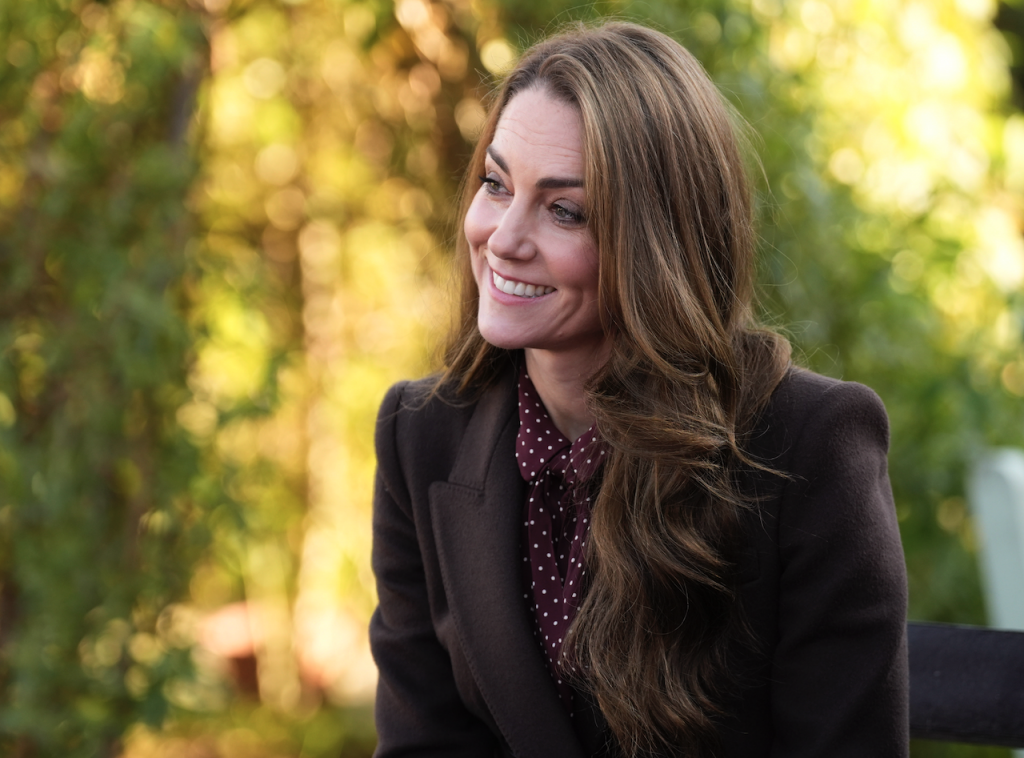
Kate Middleton pictured on October 10, 2024, in Southport, England (Photo by Danny Lawson – WPA Pool/Getty Images)
“Cancer doesn’t just affect the body. It changes how you think and feel and profoundly affects every aspect of life. I know this personally, and that the journey through and beyond treatment requires more than medicine alone.”
As part of her ongoing healing, Middleton revealed she has taken on the National Three Peaks Challenge — climbing the highest mountains in England, Scotland, and Wales. She described the effort not just as a physical test, but as a symbolic step toward reclaiming life after diagnosis.
“I have taken on the National Three Peaks Challenge, not simply as a physical endeavor but as a chance to explore life beyond diagnosis and to give something back.”
For many patients, tackling physical goals or long‑held ambitions becomes a powerful coping mechanism. These physical tasks serve as a way to mark progress and celebrate milestones along the cancer journey.
Middleton said her challenge also aims to highlight the importance of holistic care for people facing serious illness.
“Through this challenge, I want to raise awareness of the deeper impact of serious illness and the importance of holistic healthcare. Every individual is different, and ensuring there is a whole-person approach to care enables those living through cancer to manage the deeply personal challenge of diagnosis.”
Experts agree that addressing the emotional, spiritual, and mental dimensions of cancer is essential.
WATCH: A Holistic Approach to Healing
“Any patient who has been diagnosed with cancer, it’s going to take a lot out of them,” said Dr. Shirin Razdan, director of robotic surgery at the Comprehensive Urological Surgery Institute in Miami.
“Just being able to provide resources or simply an ear to listen can make a world of difference,” Dr. Razdan continued.
Sensitive issues from changes in sexual health to fears about recurrence and shifts in identity often weigh heavily on patients. Open communication with healthcare providers, partners, family, and support groups can help ease the emotional burden.
Dr. Sarah Oltmann, chief of endocrine surgery at UT Southwestern and a cancer survivor herself, noted how hearing the word “cancer” can trigger overwhelming fears.
“There are visceral emotions tied to that moment,” Dr. Oltmann said. “Concerns about longevity, treatment, and whether you’ll still be able to accomplish the things you once imagined.”
Middleton’s message underscored how complementary therapies and whole‑person care can support resilience and quality of life during treatment.
“Healing, whether personal or collective, is not just about fixing what is wrong. It is about finding balance in how we live.”
Her reflections resonated widely online, offering vulnerability and encouragement to others navigating life during or after cancer. One Instagram user commented, “I could not have said it better, and completely agree with your stance and words on holistic health working alongside medical treatment.”
What We Know About Middleton’s Cancer Journey
Middleton was diagnosed with cancer after undergoing abdominal surgery earlier this year. The Mother of three received chemotherapy for treatment and coped with one of its most notable side effects – hair loss.
“For cancer patients, losing one’s hair can be unbelievably stressful. To start with, the dread of losing one’s hair can lead to some sleepless nights and feelings of anxiety,” psychiatrist Dr. Samantha Boardman tells SurvivorNet.
Chemotherapy is a common cancer treatment that works by stopping or slowing the growth of cancer cells. Chemo can also help shrink tumors. However, despite its effectiveness, chemotherapy often comes with side effects.
Middleton completed chemo in the Fall of 2024 and resumed her royal duties.
“Doing what I can to stay cancer-free is now the focus. Although I have finished chemotherapy, my path to healing and full recovery is long, and I must continue to take each day as it comes,” Middleton wrote in an Instagram post.
Tips for Navigating Chemo Side Effects
When dealing with fatigue, doctors don’t have an arsenal of weapons to combat fatigue in terms of prescription medications. However, you can do several things to help minimize the hit and restore your energy.
Exercise: While it may be counterintuitive, physical activity can help alleviate side effects, especially fatigue. “Although ovarian cancer is not common, we often draw upon the experience of patients with breast cancer and colon cancer, who have shown that physical activity can not only improve quality of life but may also have beneficial impacts on cancer outcomes,” Dr. Urban says.
Eat well: Even though nausea may interfere with your ability to eat a healthy diet, it’s essential to ensure you’re eating appropriately, getting enough protein, and not losing weight. Not only will nourishing your body support your recovery, but it may also help you feel more energized.
Sleep: Want to mitigate fatigue? Be sure to maintain your regular sleep-wake cycle while on treatment. Sticking to a set sleep schedule helps reduce fatigue by ensuring enough hours for your body to heal and restore itself each night. It may also help you recover more quickly by keeping energy levels high during the daytime.
Treating Neuropathy Symptoms
Doctors have several strategies for helping patients deal with this side effect. Once a patient begins experiencing the symptoms of neuropathy, they’ll be carefully monitored to make sure it doesn’t get worse. Before each chemotherapy infusion, the attending oncologist will assess whether the symptoms have progressed. If the symptoms worsen, they may adjust the dose or delay treatment. They may also try switching to another chemotherapy drug.
How to Get a Handle on Nausea
Most of these anti-nausea medications last for more than eight hours. One of the infusions commonly used reduces the degree of nausea for up to three days.
Complementary approaches may also be helpful. A few favorites:
Ginger: Studies consistently show that ginger helps alleviate chemotherapy-induced nausea. The powerful herb appears to have an anti-spasmodic effect on the gut. Not a fan of raw ginger? Suck on ginger candy, sip ginger ale, or make a steaming cup of ginger tea.
Pressure bracelets: at your local pharmacy, these bracelets provide consistent pressure on a particular acupressure point on the wrist to reduce nausea.
Deep breathing: Moving air in and out of your lungs with a few deep breaths can help relieve nausea, particularly if you pair deep breathing exercises with meditation. It can also help you relax and release stress and anxiety.
After Middleton completed her chemotherapy, she resumed her royal duties.
“Doing what I can to stay cancer-free is now the focus. Although I have finished chemotherapy, my path to healing and full recovery is long, and I must continue to take each day as it comes,” Middleton wrote in an Instagram post.