Coping With Decision Making
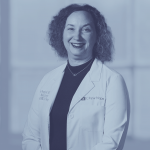
- For patients battling diffuse large B-cell lymphoma (DLBCL), doctors can help choose the best treatment options that best fit their needs—but the emotional aspect of one’s cancer journey needs to be taken into consideration, and Dr. Sabarish Ram Ayyapan, a hematologic oncologist at the City of Hope Cancer Center Atlanta, suggests communication is key.
- Doctors can help reduce patients’ fear by providing honest assessments of the disease and treatment, maintaining open communication, and ensuring there are no unexpected surprises along the way.
- Doctors can also support patients by clearly explaining all available treatment options, maintaining a positive outlook, and gradually building a trusting relationship over time.
Dr. Sabarish Ram Ayyapan, a hematologic oncologist at the City of Hope Cancer Center Atlanta, tells SurvivorNet that transparency about both the disease and its treatment is crucial. He emphasizes that maintaining clear and open communication with patients should always be a top priority.
Read MoreExpert Resources On CAR T-Cell Therapies
- CAR T-Cell Therapy Explained: What Diffuse Large B-Cell Lymphoma Patients Should Know
- CAR T-Cell Therapy Side Effects Can Be Serious, But Many Are Short-Lived
- CAR T-Cell Therapy: A Step-By-Step Guide to Having This Breakthrough Treatment
- CAR T-Cell Therapy: Hope, Hurdles, and What to Expect
- CAR T-Cell Therapy: How it Works, and Who Can Get It
- CAR T-Cell Therapy: Making Your Body a More Efficient Cancer Fighter
He adds, “I think it is very important to explain the situation and what other options we have. In addition to being very positive.”
By doing this, it helps patients navigate the process more confidently.
As patients start grasping a better understanding of their treatment, a trusting relationship develops, allowing for smoother guidance through their therapies.
Timeline: What To Expect During CAR T-Cell Therapy
Balancing Optimism with Realistic Expectations
The overall idea, according to Dr. Ayyapan, is to balance honesty about the prognosis with reassurance—because patients often worry when they hear statistics like a 50% chance of success and 50% chance of failure with treatments such as CAR T-Cell Therapy.
Dr. Ayyapan advises, “I think we have to be honest that the 50% is the one that’s going to work.” At the same time, he says clinicians should help patients understand what their situation might look like without this treatment.
He adds that reassurance is also key, since there are other therapies available if CAR T-Cell Therapy doesn’t work, and there are examples of patients who have done well with those options.
Dr. Ayyapan suggests that being transparent about the “reality” of their situation enables patients to make both thoughtful and informed decisions.
Questions To Ask Your Doctor
- What are the most common fears or anxieties patients face when diagnosed with Non-Hodgkin Lymphoma?
- Are there differences in fear or anxiety between newly diagnosed patients and those facing a relapse?
- How should a doctor approach discussing a new diagnosis with a patient in a way that reduces fear?
- What strategies are used to maintain open, reassuring communication throughout treatment?
- What steps help build trust between patients and their healthcare team?
- What role do emerging therapies, like CAR T-Cell treatment, play in giving patients optimism?
- How can patients advocate for themselves or communicate their fears effectively to their doctors?
The History of Car T-Cell Therapy: A Groundbreaking Treatment Many Years in the Making
Learn more about SurvivorNet's rigorous medical review process.